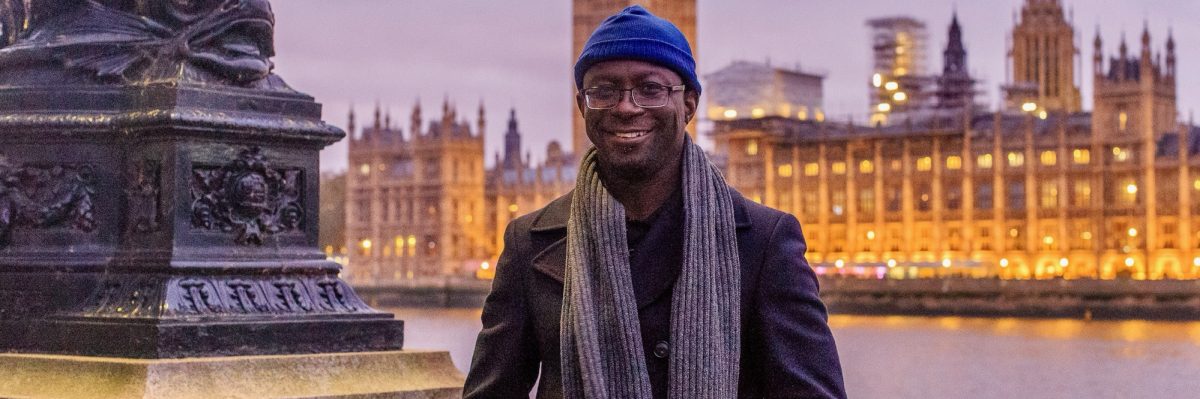
London Revisited: Tea, Towers, and Timeless Memories
By Dr. Adekunle Omotayo
🌤️
A Return to the Heart of the Empire
There’s a rhythm to London — steady, familiar, and yet always new.
Returning after so many years, I felt not like a visitor but like a former resident reacquainting himself with a city that had quietly evolved.
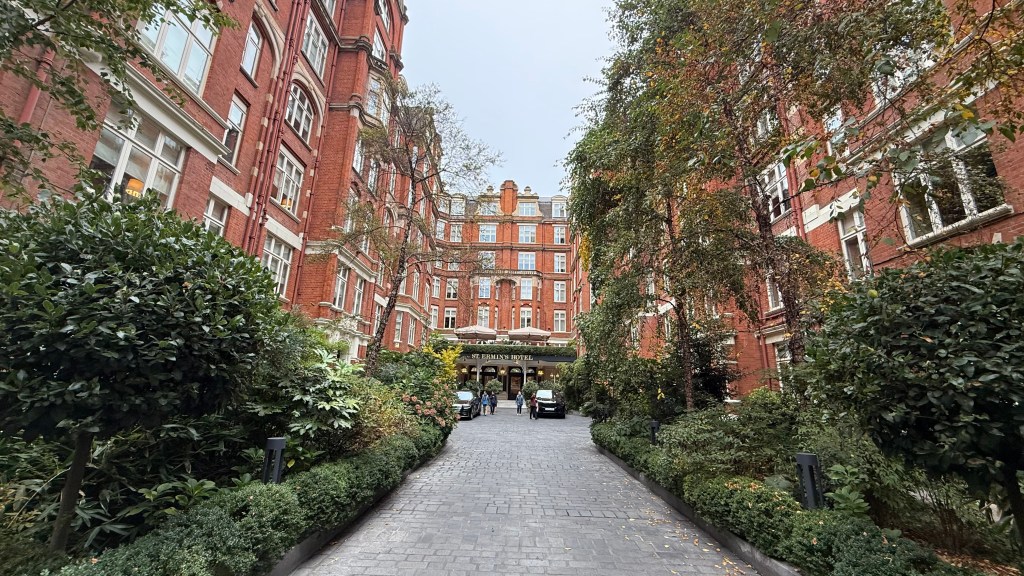
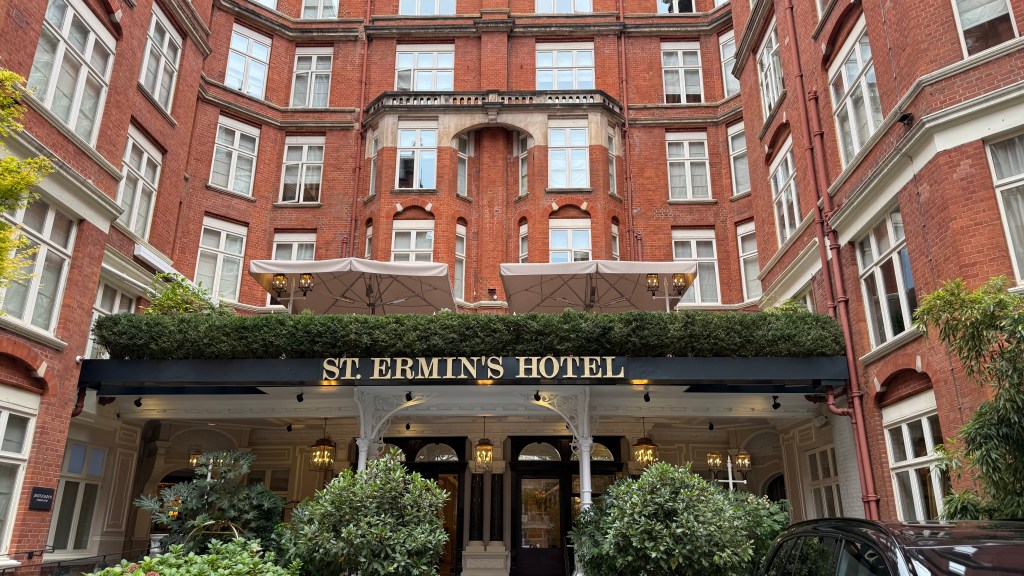
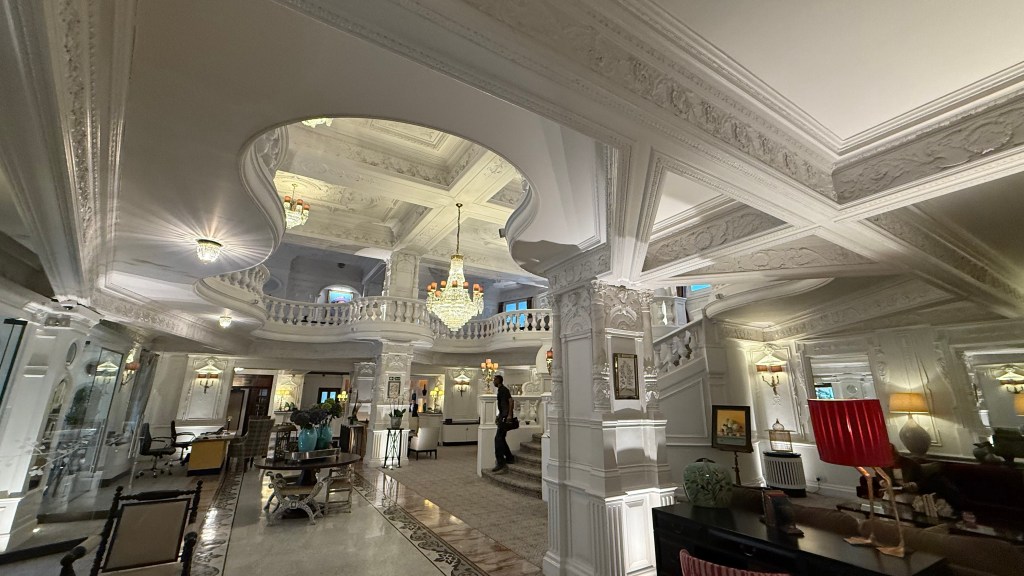
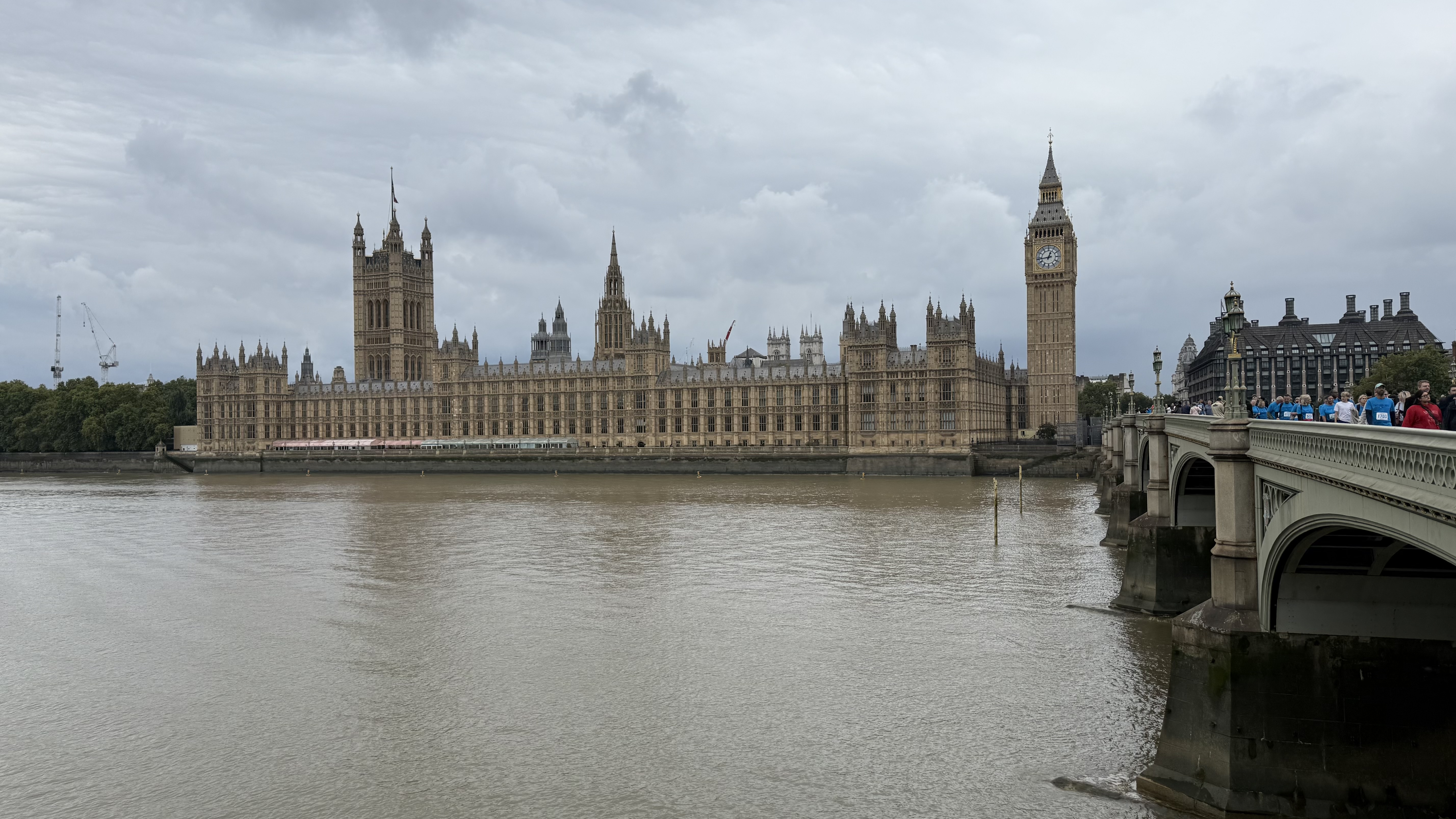
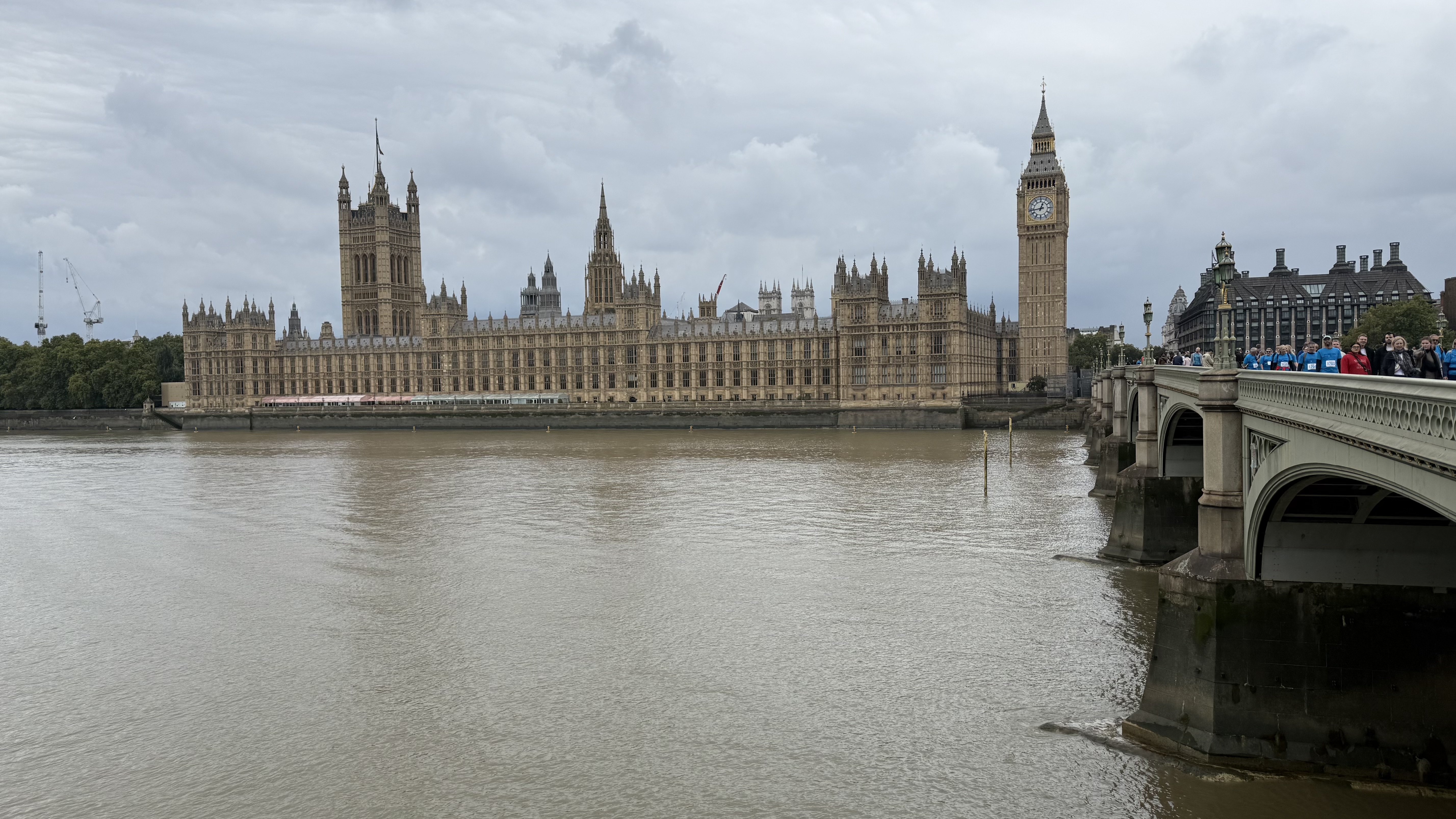
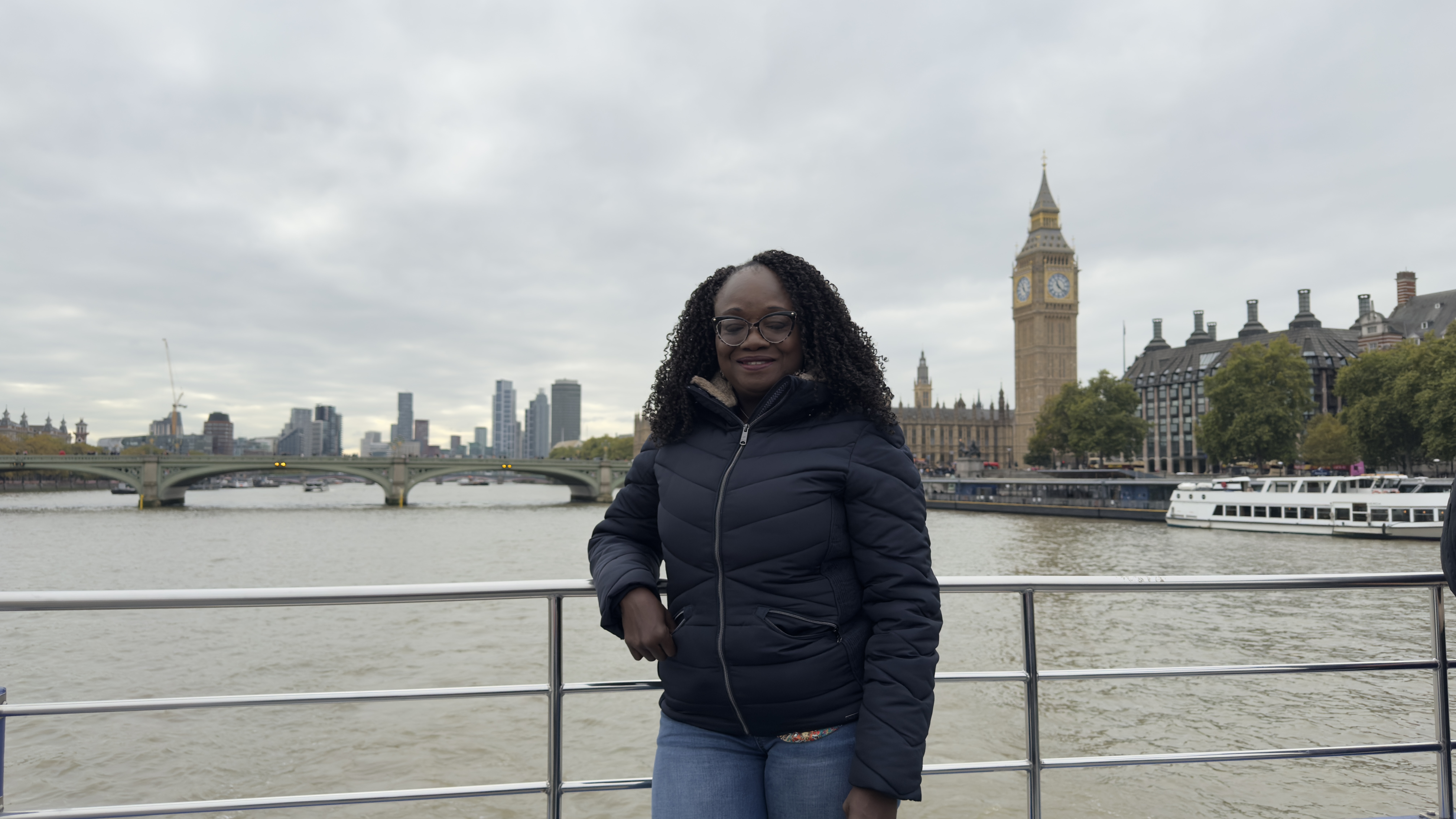
Our base was the elegant St. Ermin’s Hotel, nestled just off Westminster. Its quiet courtyard felt worlds away from the city’s roar, and yet the Houses of Parliament were a short stroll away.
📸 The ivy-draped courtyard of St. Ermin’s Hotel — calm before the bustle of the day.

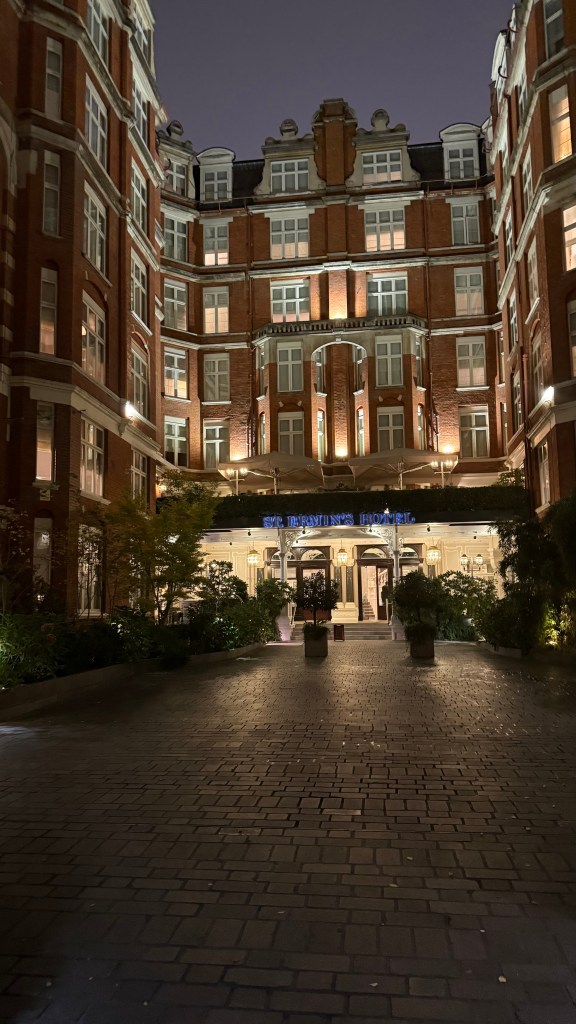
From here, we could reach everywhere: Buckingham Palace, St. James’s Park, and Oxford Street by foot or Underground. And oh, the London Underground — that symphony of efficiency humming beneath the city.
🚇
The London Underground: A Living Artery of Engineering
I remain in awe of the Tube, the world’s first underground railway, opened in 1863.
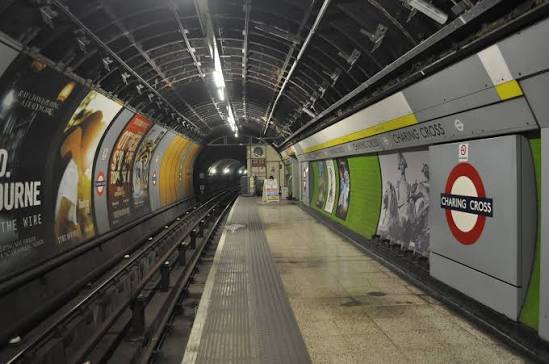
Each time I descended those escalators, I felt I was entering a breathing organism — 250 miles of track, 270 stations, millions of stories daily.
The signage, the punctuality, the faint smell of metal and movement — it all reminded me why Londoners rely on it so completely. It is not just transport; it’s the city’s circulatory system.
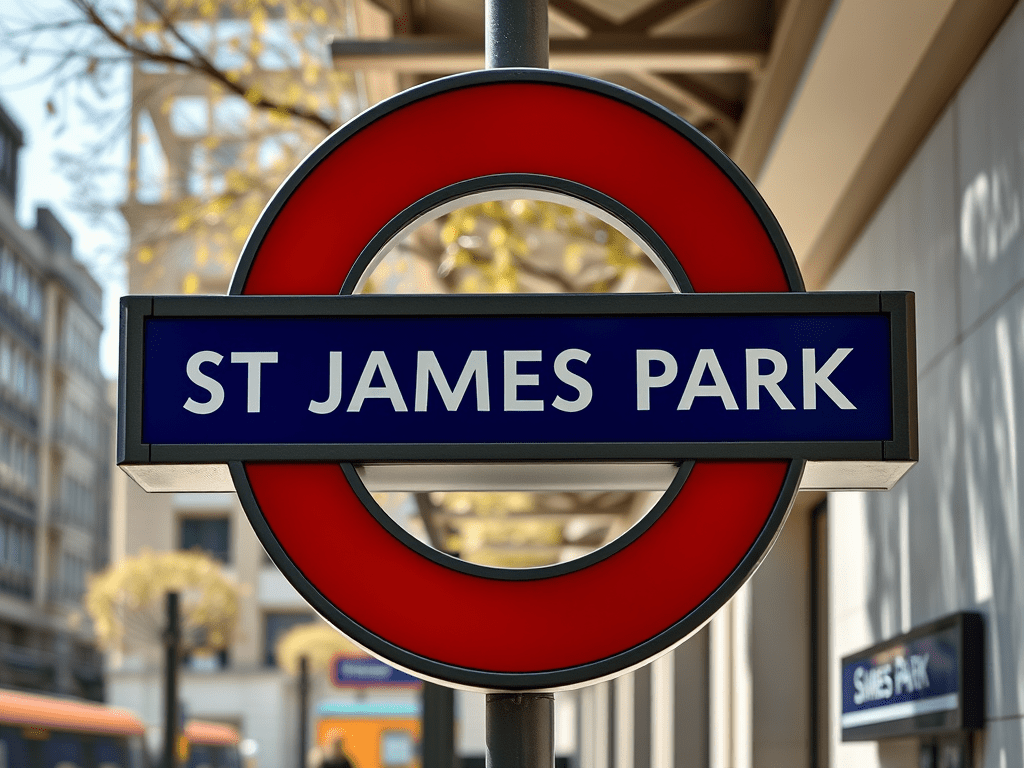
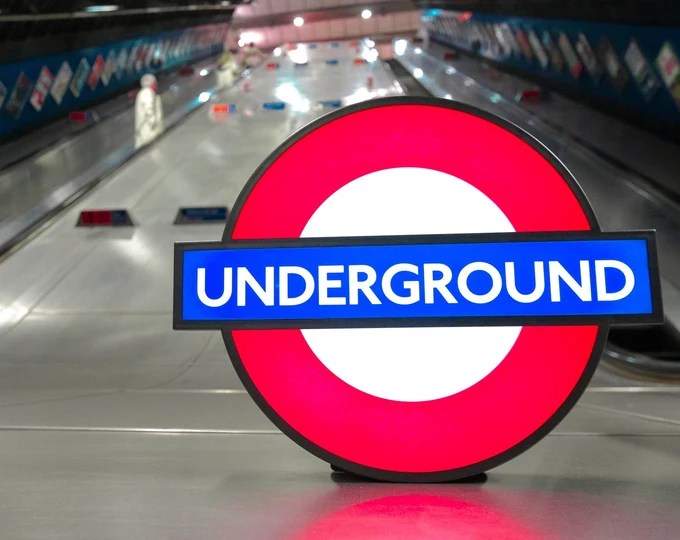
📸 The classic red, white, and blue Underground sign glowing in evening drizzle.
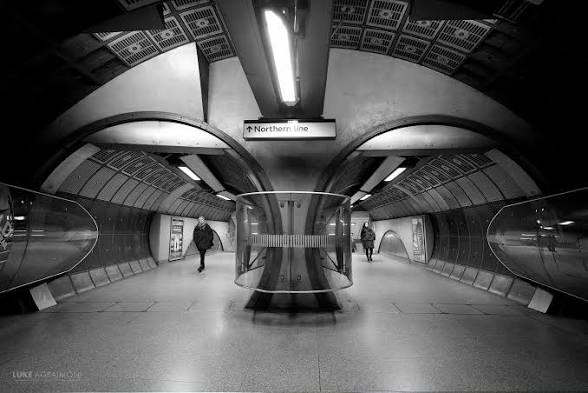
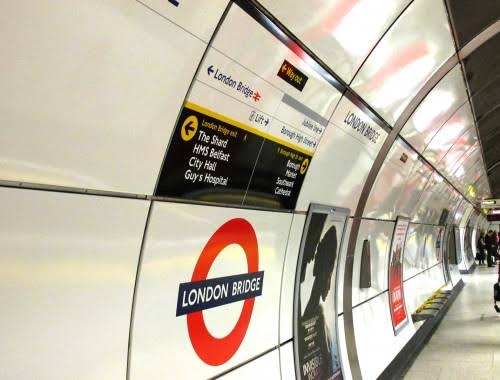
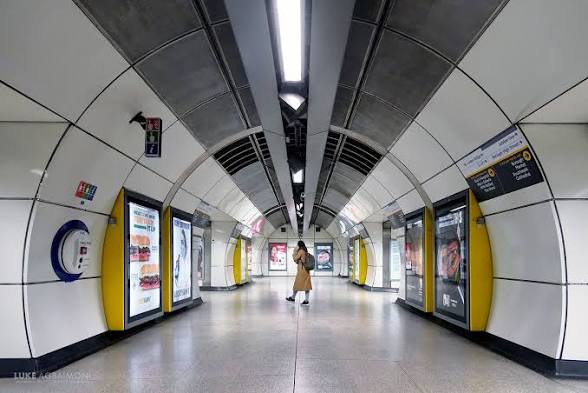
📸 Commuters framed by the curved tunnels of Westminster Station — steel and steam heritage.
Here are some of the most fascinating engineering and design secrets of the London Underground that reveal just how ingenious (and quietly heroic) this system really is:
🧱 1. The Original Tunnels Were Dug by Hand — and by Candlelight
The first line, the Metropolitan Railway (1863), was carved out using pickaxes, shovels, and horse-drawn carts. Workers (nicknamed “navvies”) toiled by candlelight, removing clay and rubble manually. Some of those early tunnels are still in use — trains today still run through Victorian brickwork more than 160 years old.
⚙️ 2. The Deepest Station Is Practically a Skyscraper Underground
Hampstead Station on the Northern Line sits about 58 meters (190 feet) below street level — roughly the height of a 20-story building sunk into the ground. The original lifts are still there, but modern escalators now cover only part of the descent.
💨 3. The Tube Has Its Own Wind System
When trains move through the narrow tunnels, they act like pistons — pushing air ahead of them and sucking it behind. This creates the “Tube breeze” you feel before a train arrives. Engineers use this effect to ventilate the tunnels and manage heat — a natural airflow system long before modern fans were installed.
🚇 4. Some Tunnels Are Now Secret — and Still Active
There are “ghost stations” — abandoned platforms and tunnels used for testing or even government purposes.
Examples:
- Aldwych Station (closed in 1994) is now used for film shoots and emergency drills.
- Down Street Station in Mayfair served as Winston Churchill’s wartime bunker during the Blitz.
🔋 5. Modern Lines Use Regenerative Braking
Newer trains on lines like the Victoria and Jubilee use regenerative braking systems — capturing up to 20% of the energy generated when braking and feeding it back into the grid. The Tube literally powers itself in part when it slows down.
🚉 6. The System “Learns” How to Move People
The modern signaling system (especially on the Victoria, Jubilee, and Northern lines) uses automatic train control (ATC) — meaning computers now manage train spacing and speeds more efficiently than human drivers alone could. Some sections can safely run 36 trains per hour — one every 100 seconds.
🕰️ 7. It’s a Museum of Design — Above and Below
From Leslie Green’s red-glazed tile stations (early 1900s) to Charles Holden’s modernist designs (1930s) and the sleek glass canopies of the Jubilee line (1990s), the Tube tells a design story spanning more than a century. Even the iconic Johnston typeface from 1916 is still used today — a masterclass in brand continuity.
🌍 8. There’s an Entire Underground Postal Railway
Running beneath central London is the Mail Rail, a miniature electric railway built in 1927 to move post between sorting offices. It was closed in 2003 — but you can now ride it as a museum exhibit near Mount Pleasant. It’s like the Tube in miniature!
Walking the Old Stomping Grounds
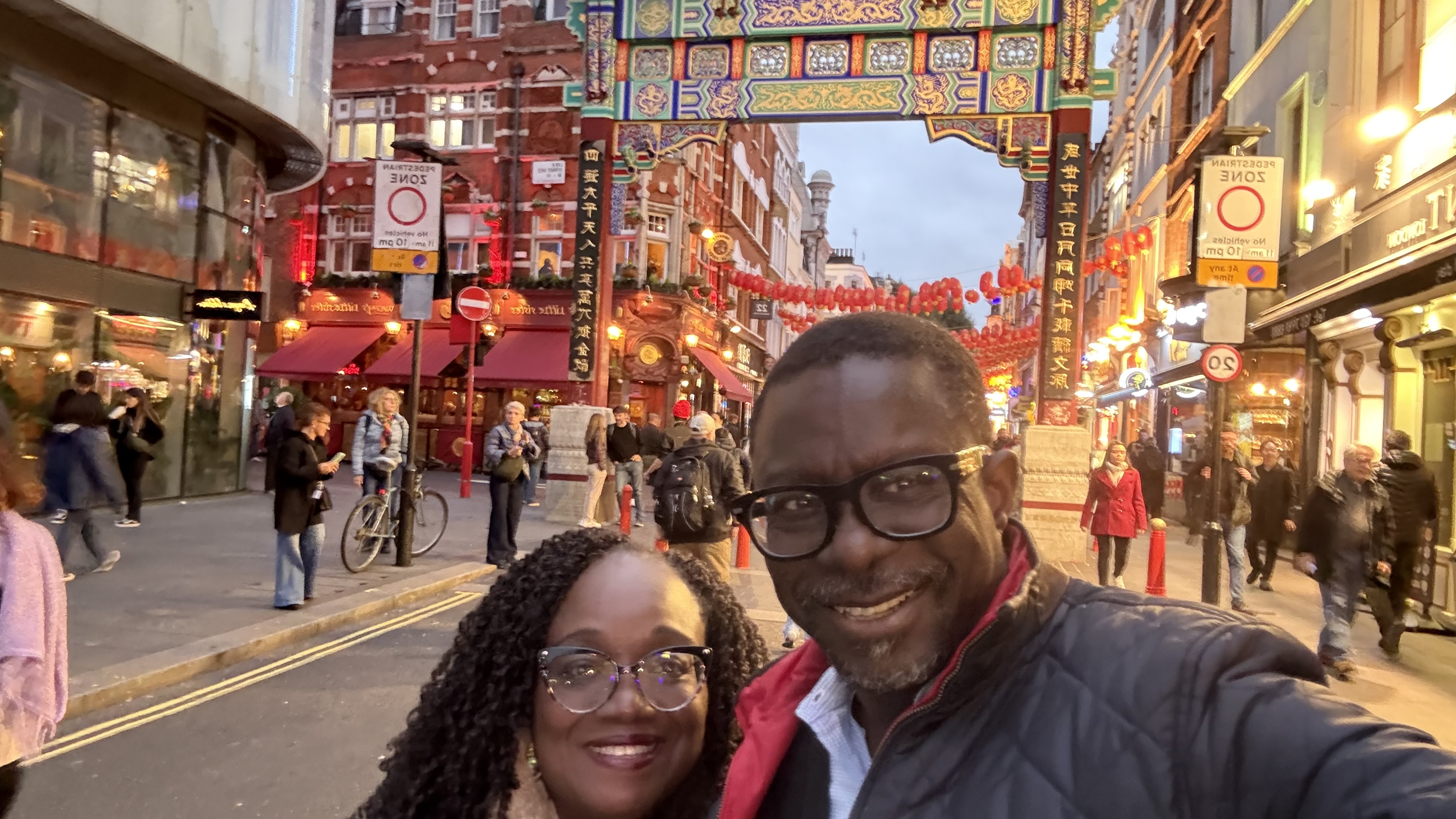
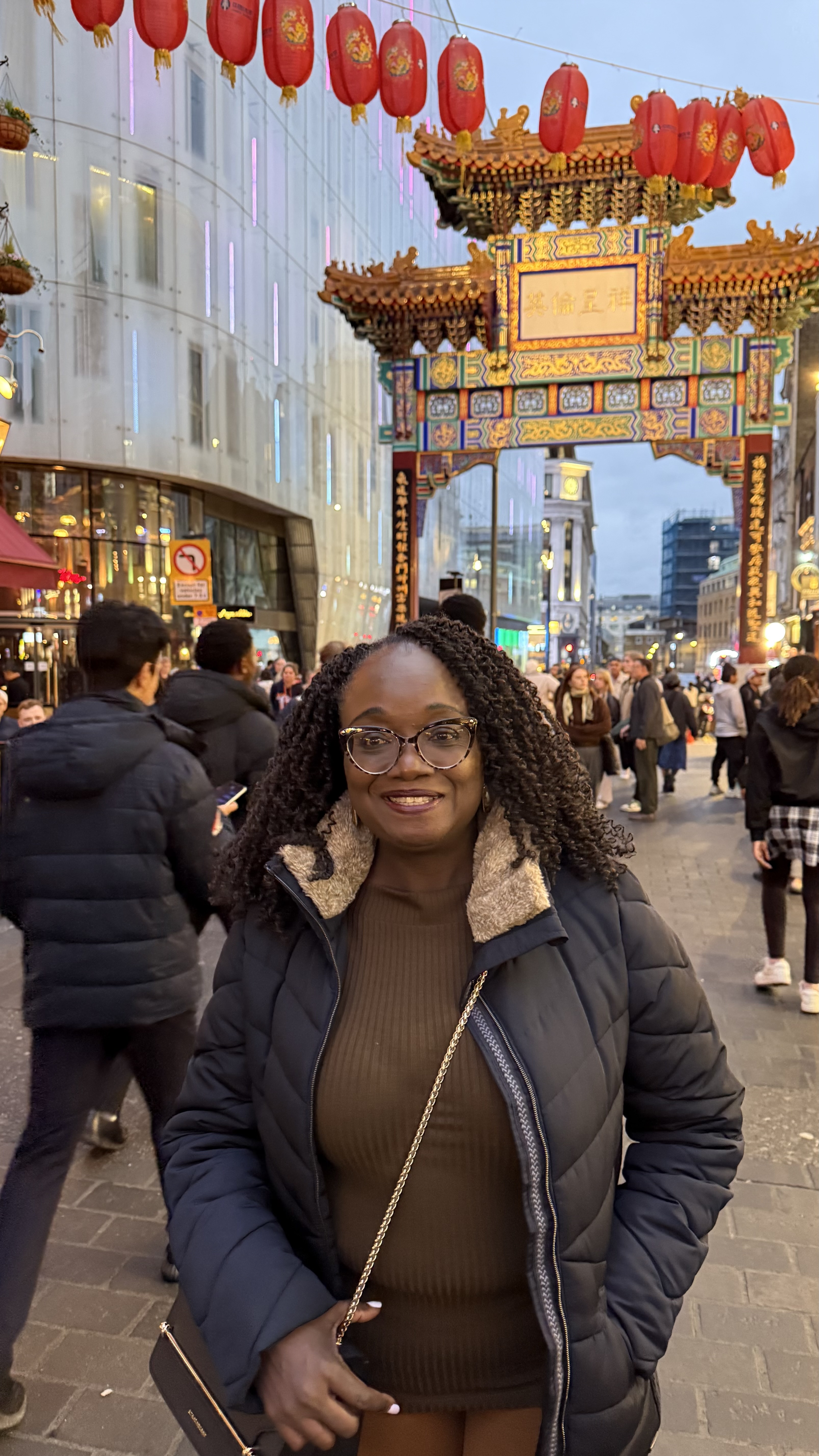
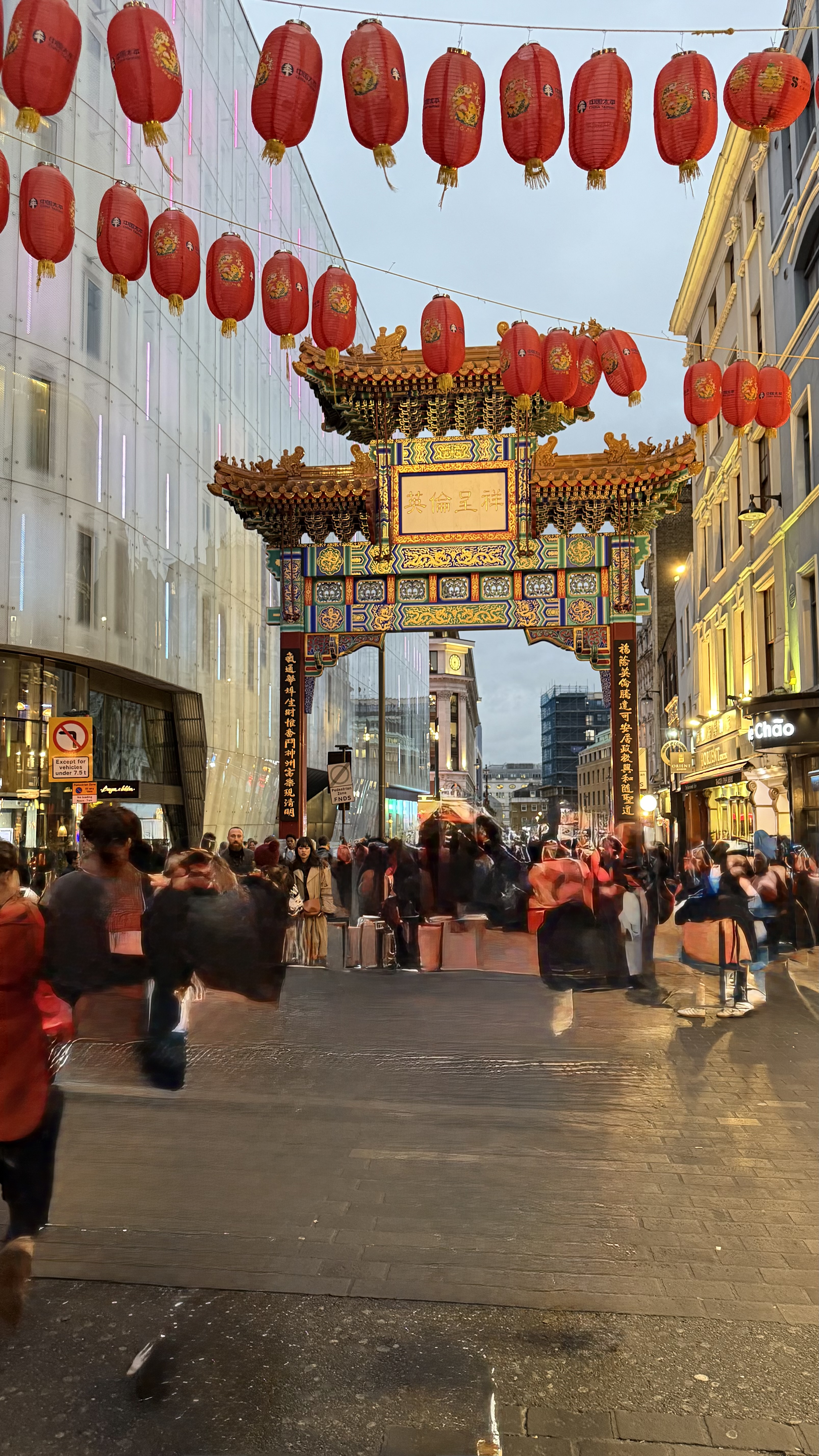
From Oxford Street to Tottenham Court Road to China town, I walked the same streets I once knew so well.
Much had changed — new storefronts, modern facades — but the cadence was the same: the impatient taxis, the scent of roasted chestnuts, and that indefinable energy that only London exudes.
📸 The city looking back at itself.
👑 Royal Visit: Buckingham Palace and Afternoon Tea
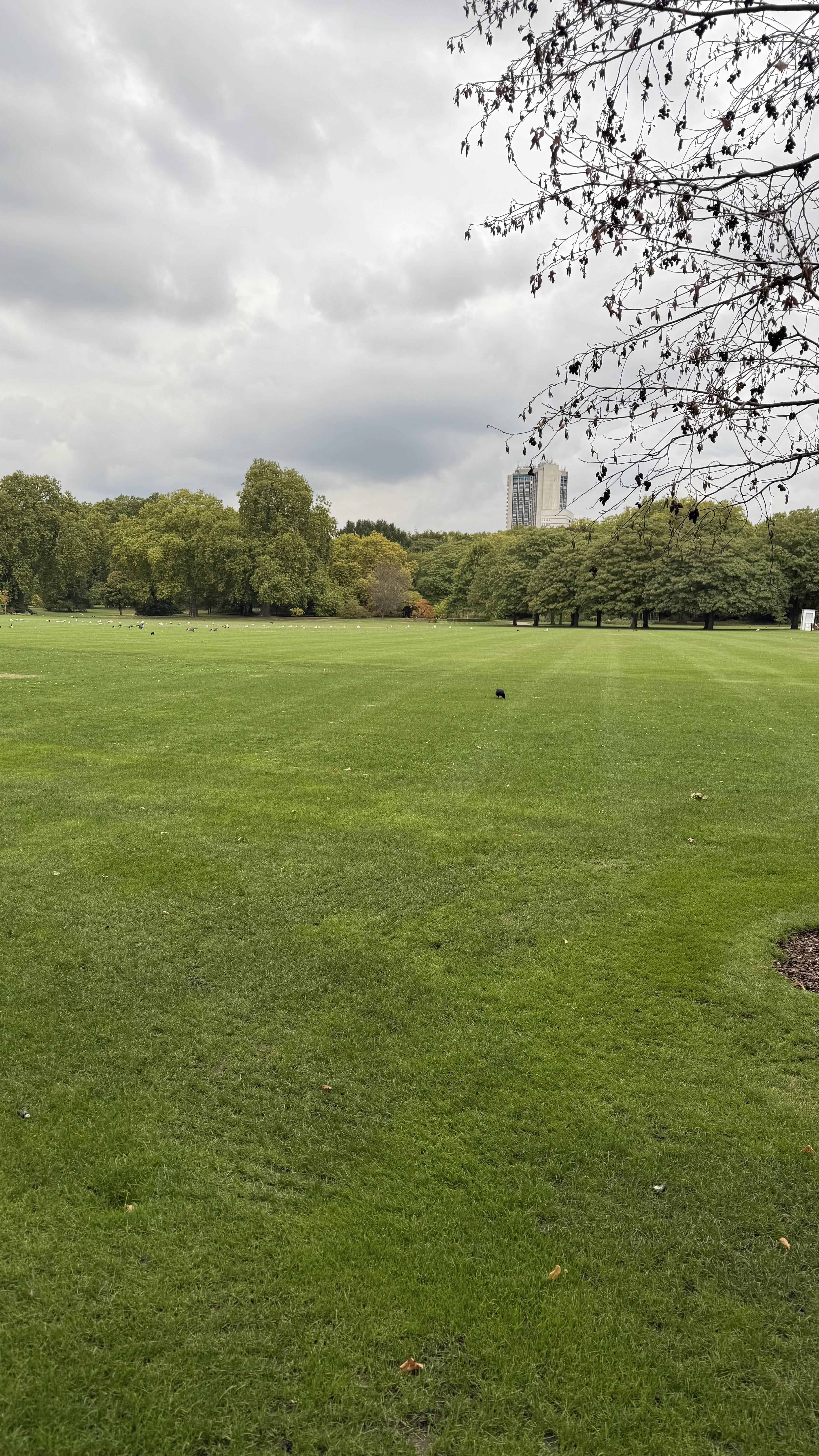
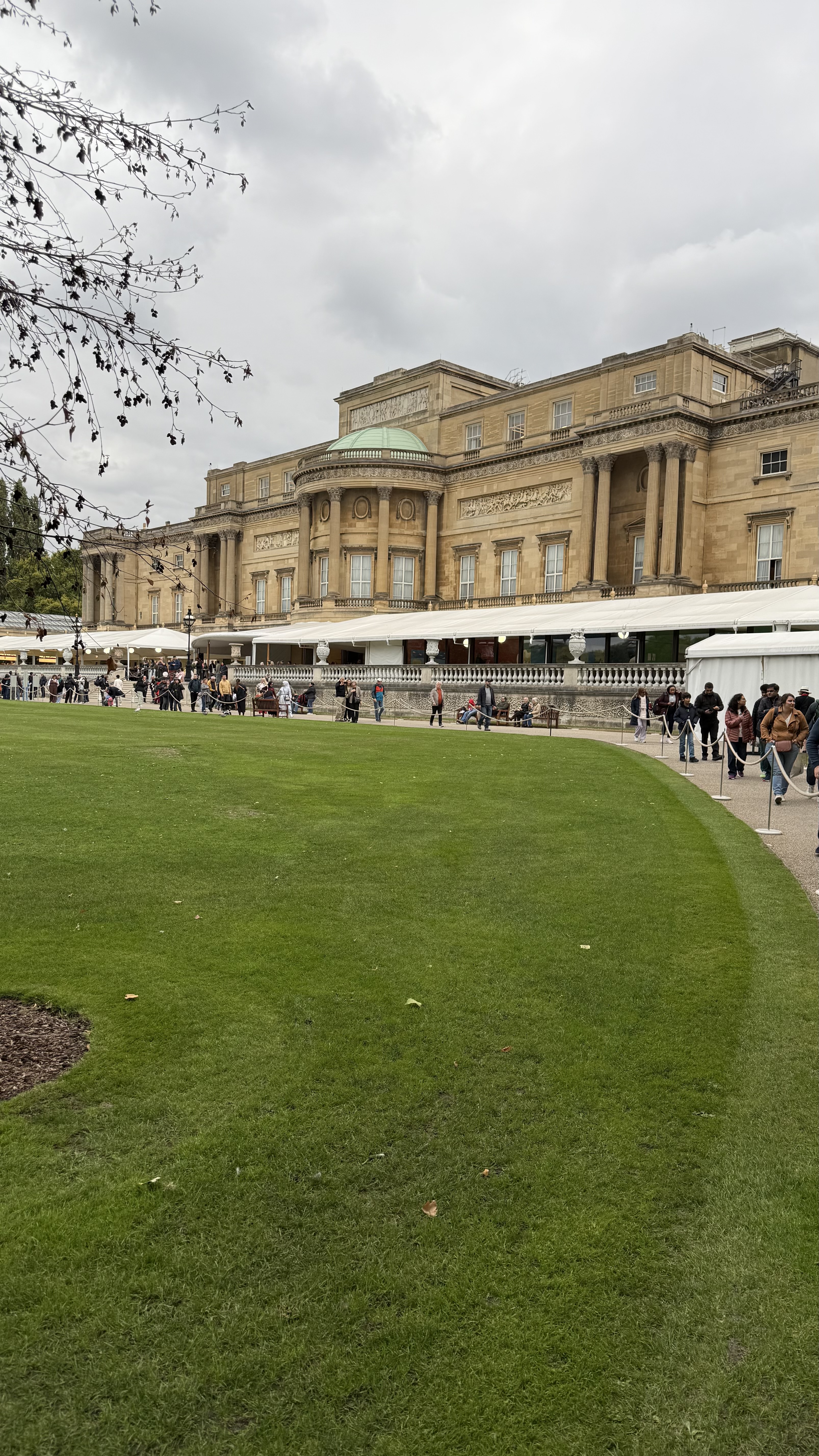
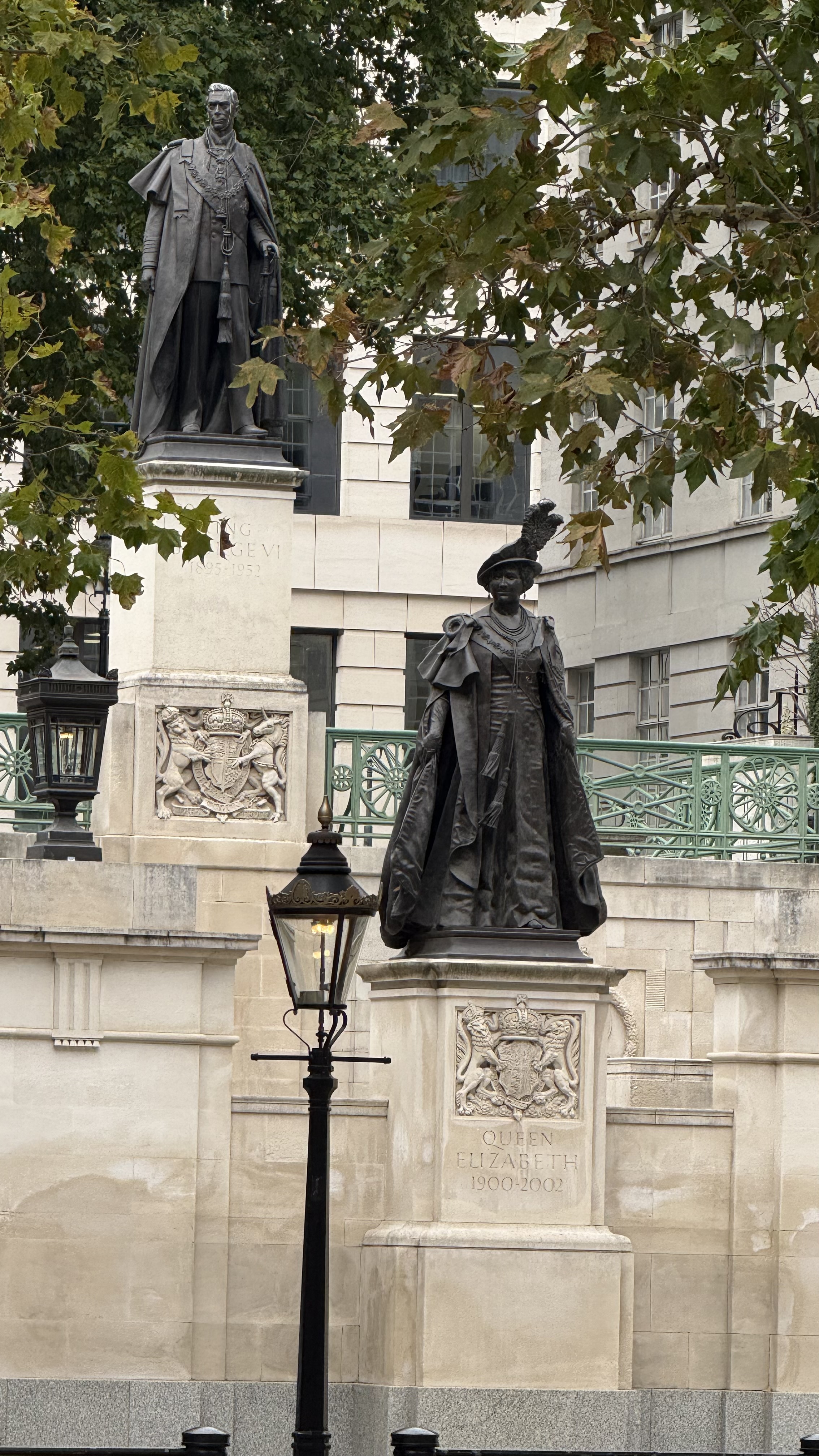
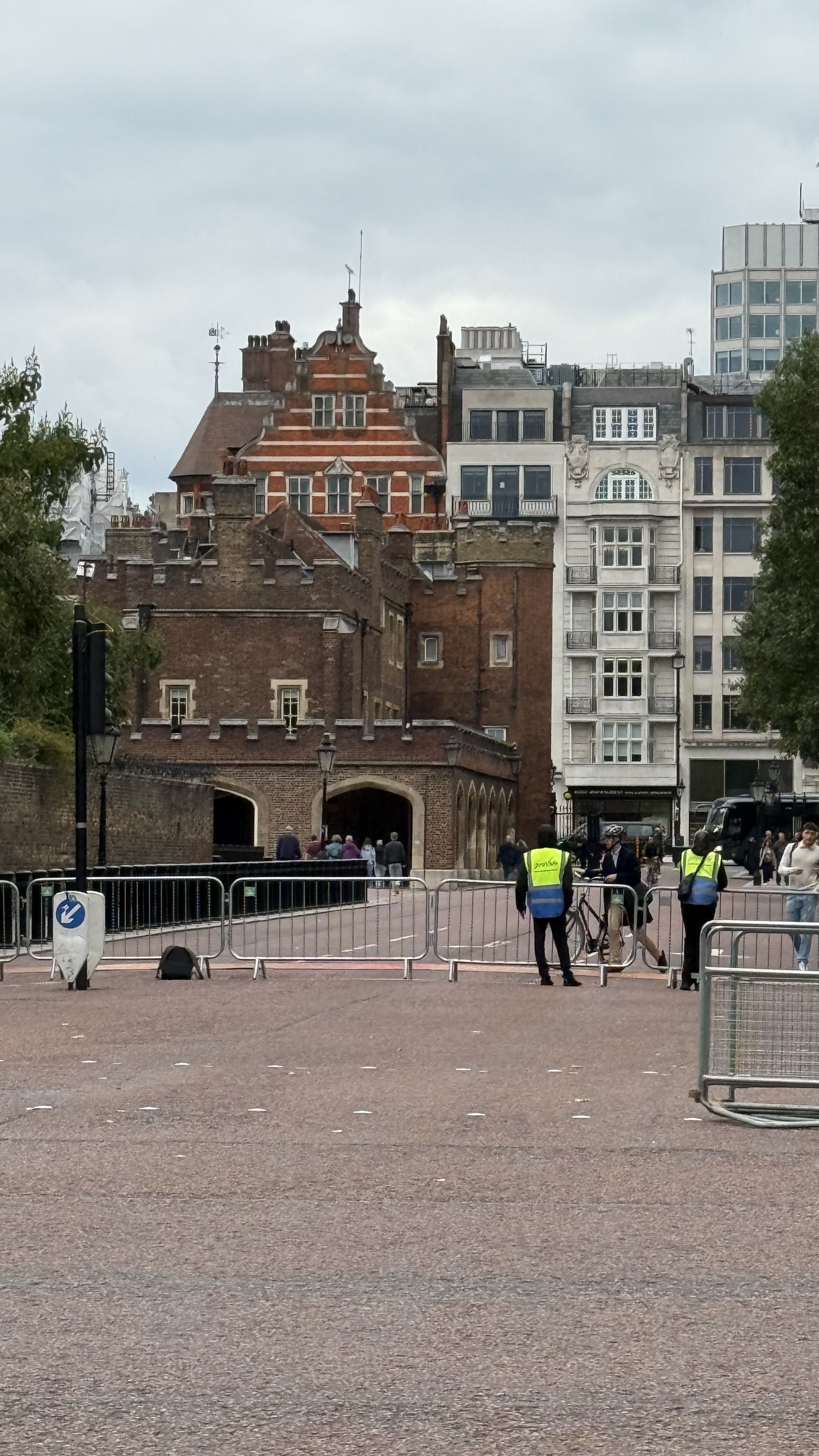
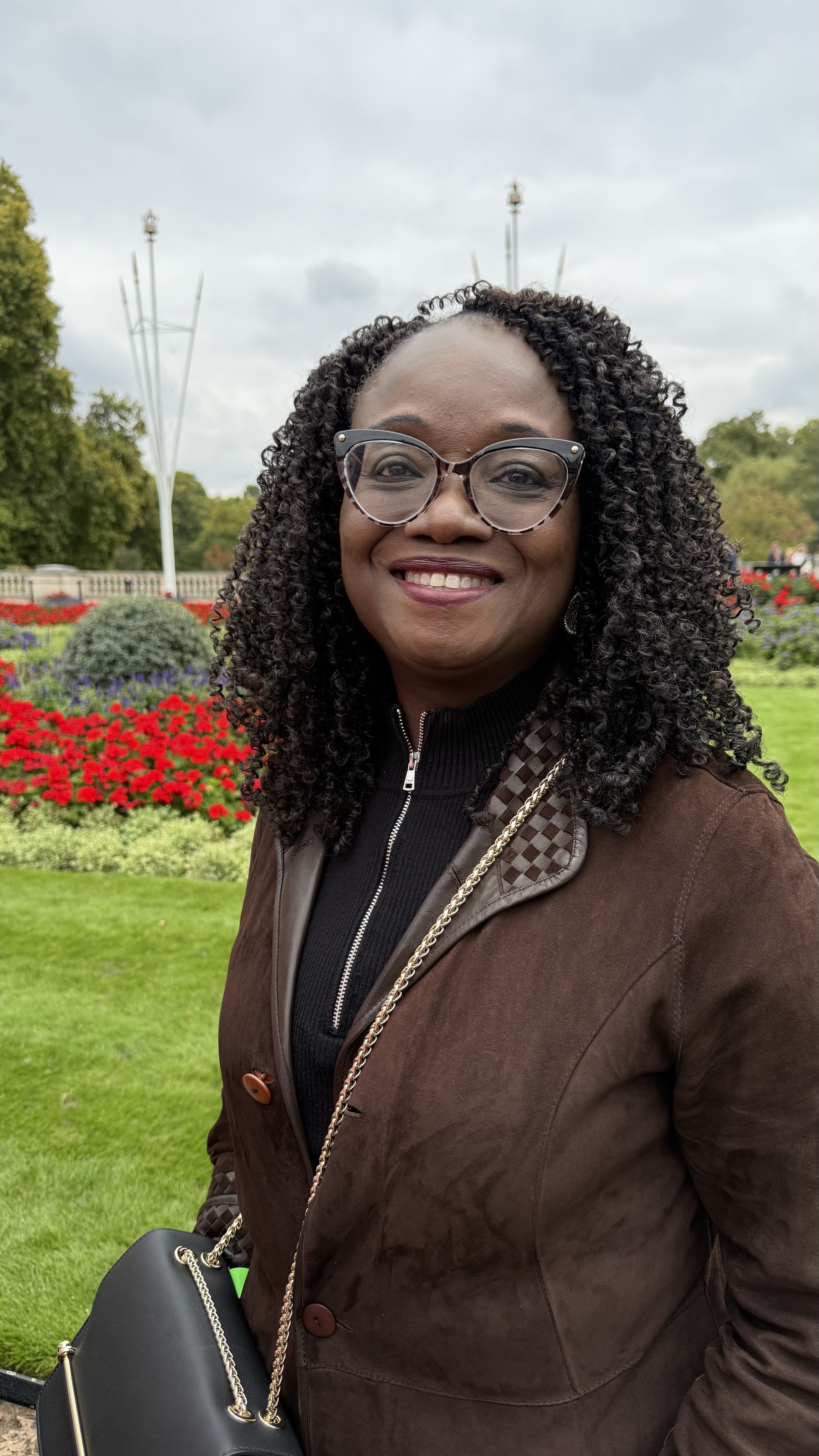
After nearly a decade of living here years ago, it was almost humorous that I had never set foot inside Buckingham Palace. This visit felt overdue.
The Palace is less ostentatious than one imagines — a working palace more than a museum, alive with history but also bureaucracy.
We capped our visit with that most quintessentially British ritual: afternoon tea.
Delicate finger sandwiches, endless pots of Earl Grey, and — my highlight — fruited scones with clotted cream and strawberry jam in the quiet with my darling wife.



📸 Afternoon tea at Fortnum & Mason — porcelain elegance and tiers of indulgence.
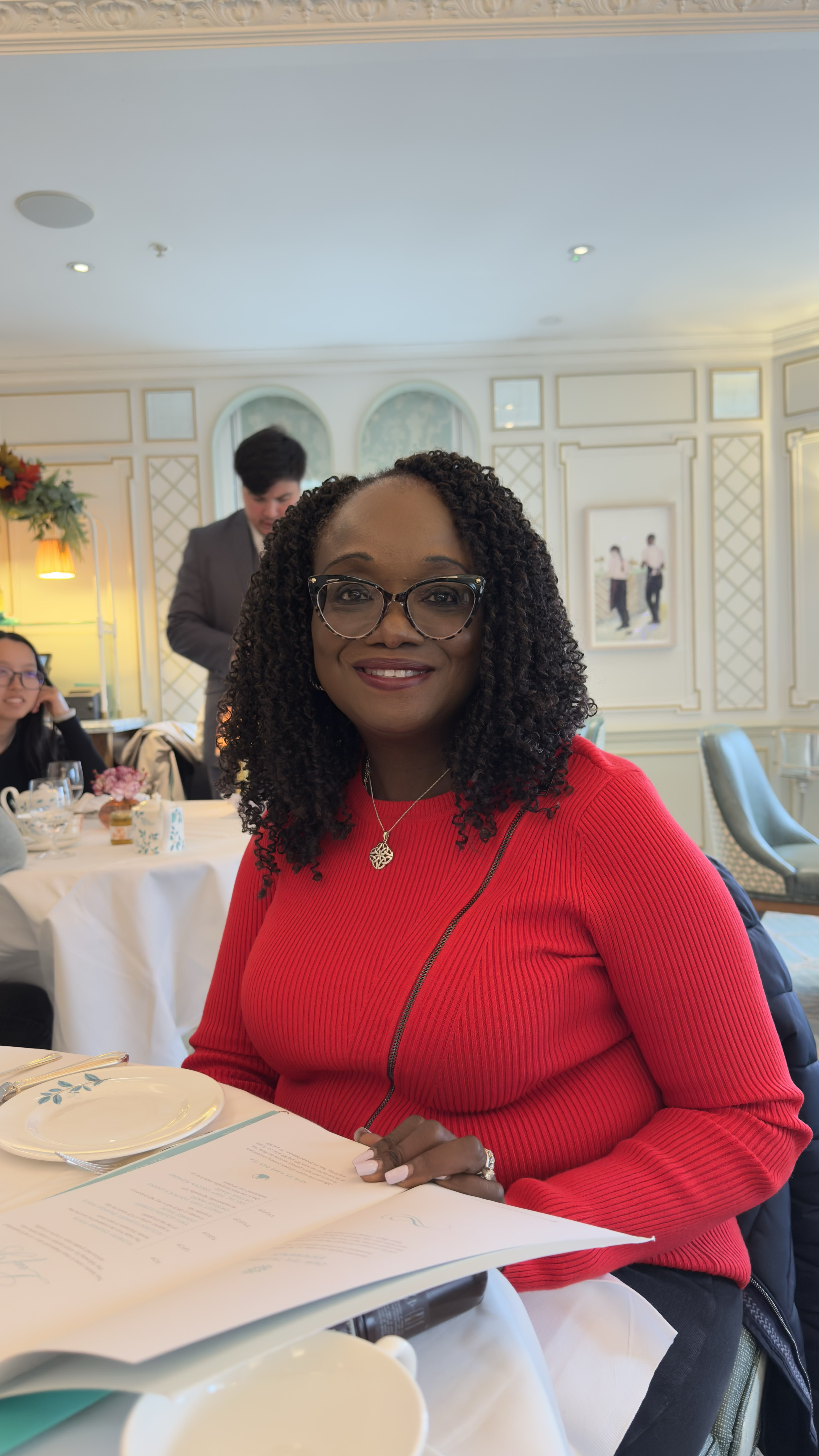
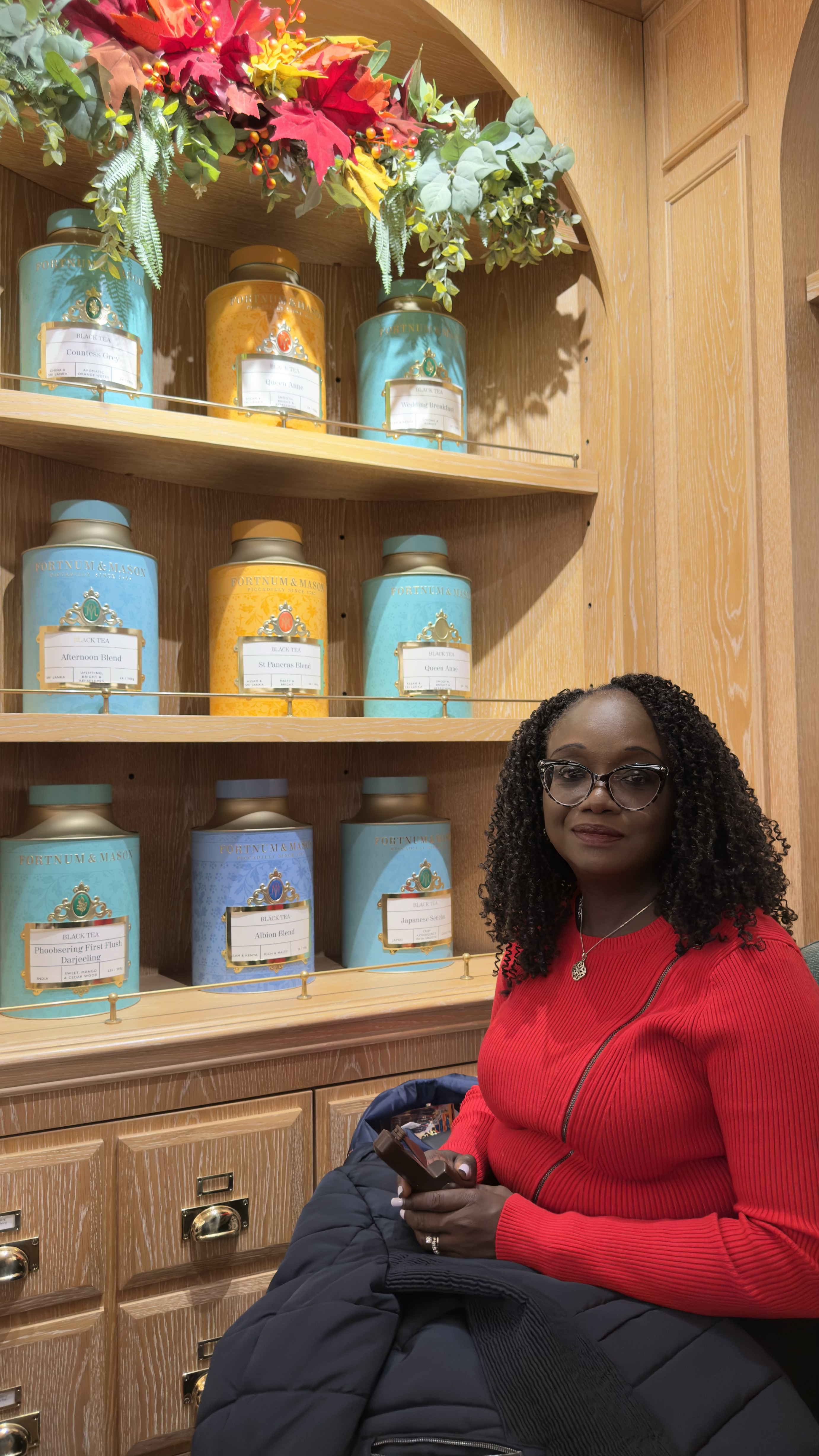

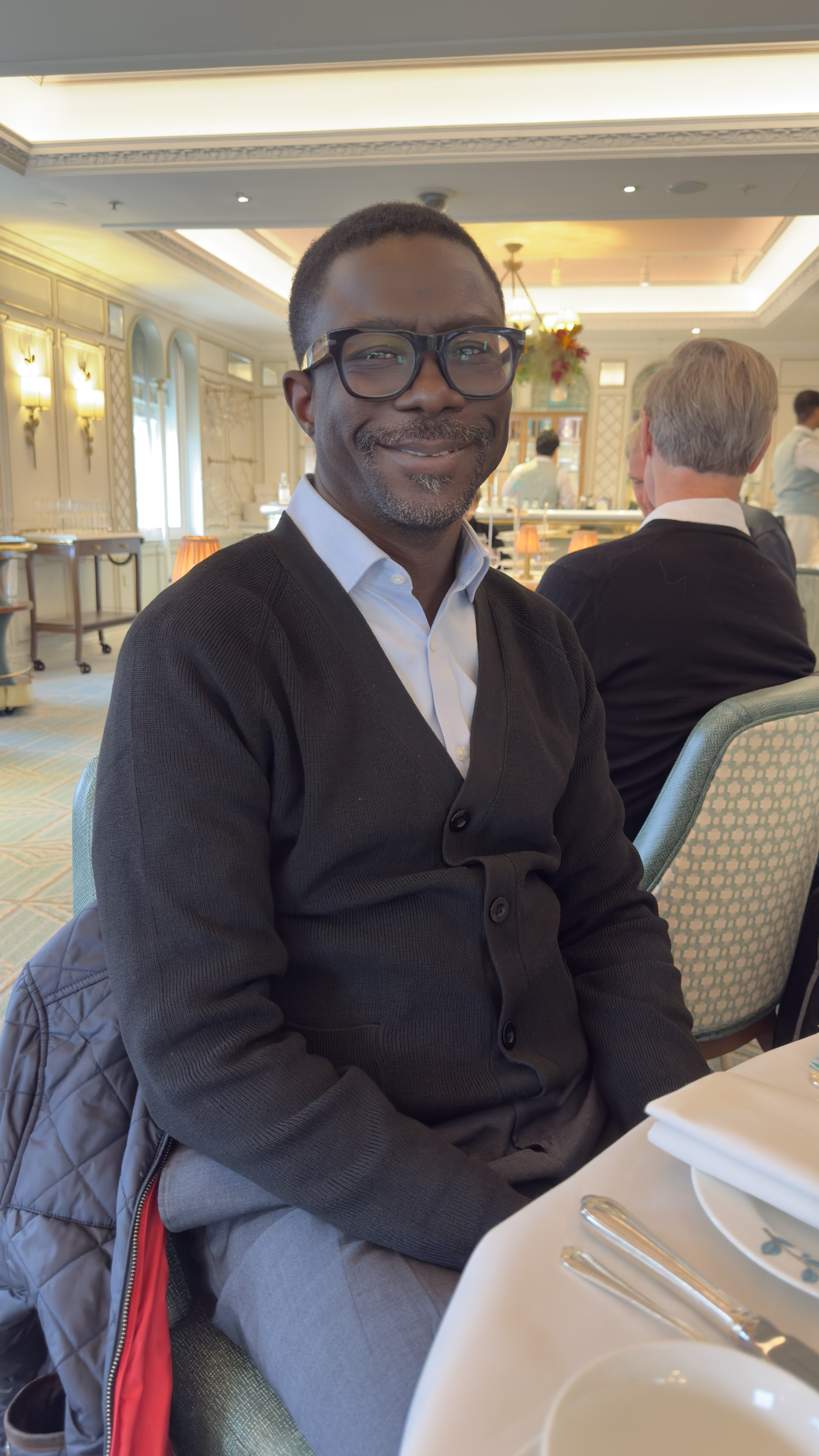

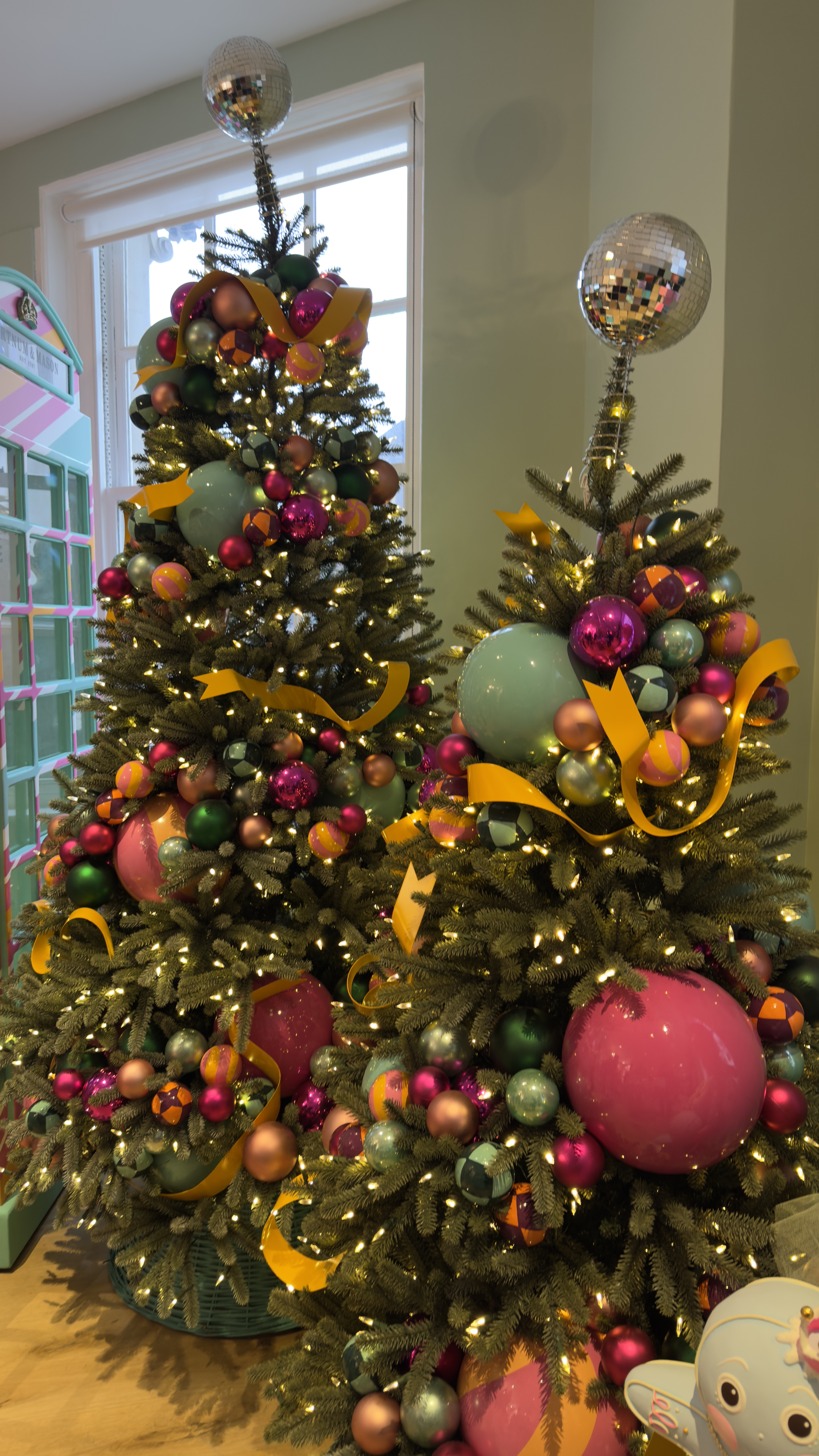
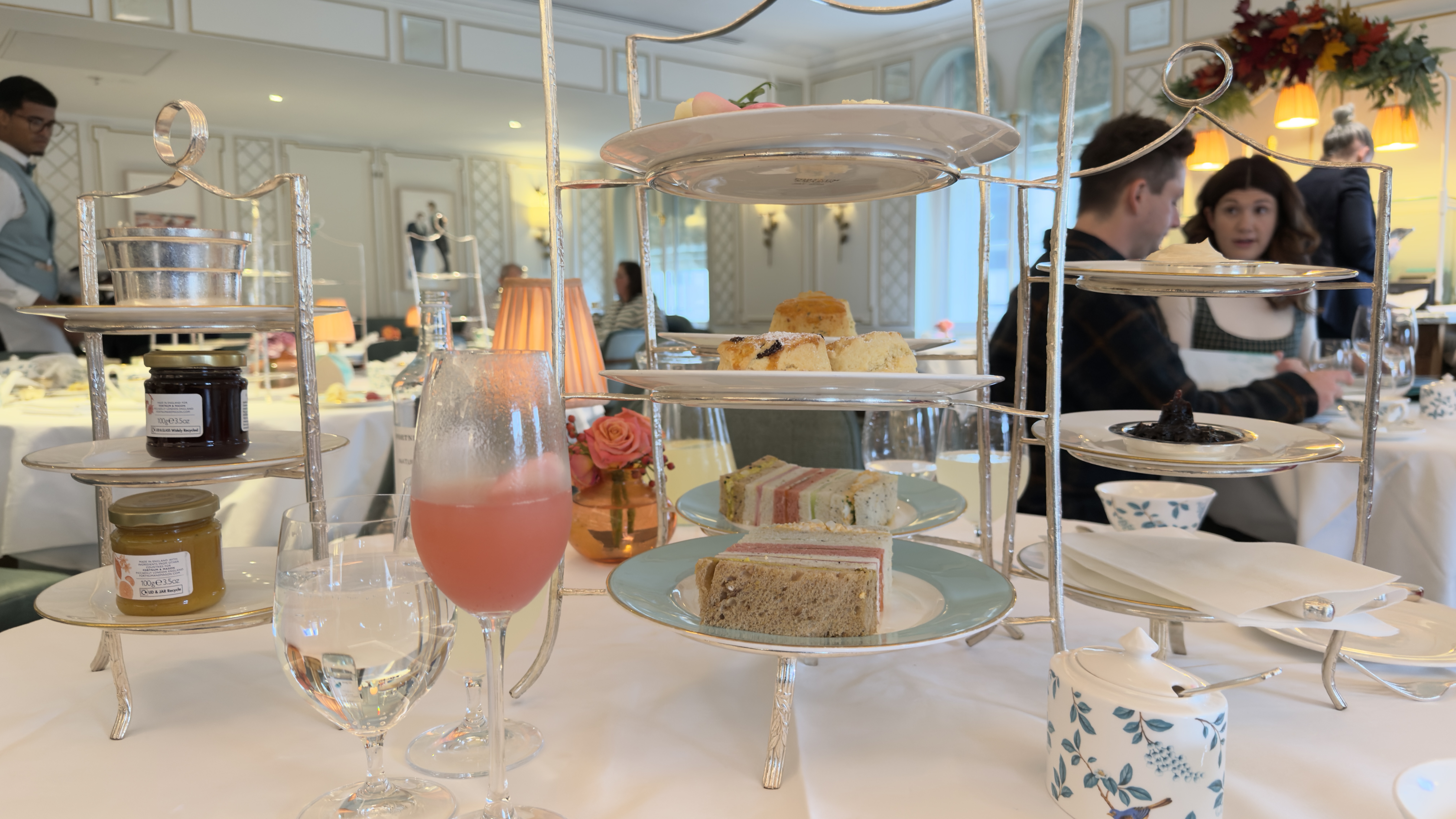
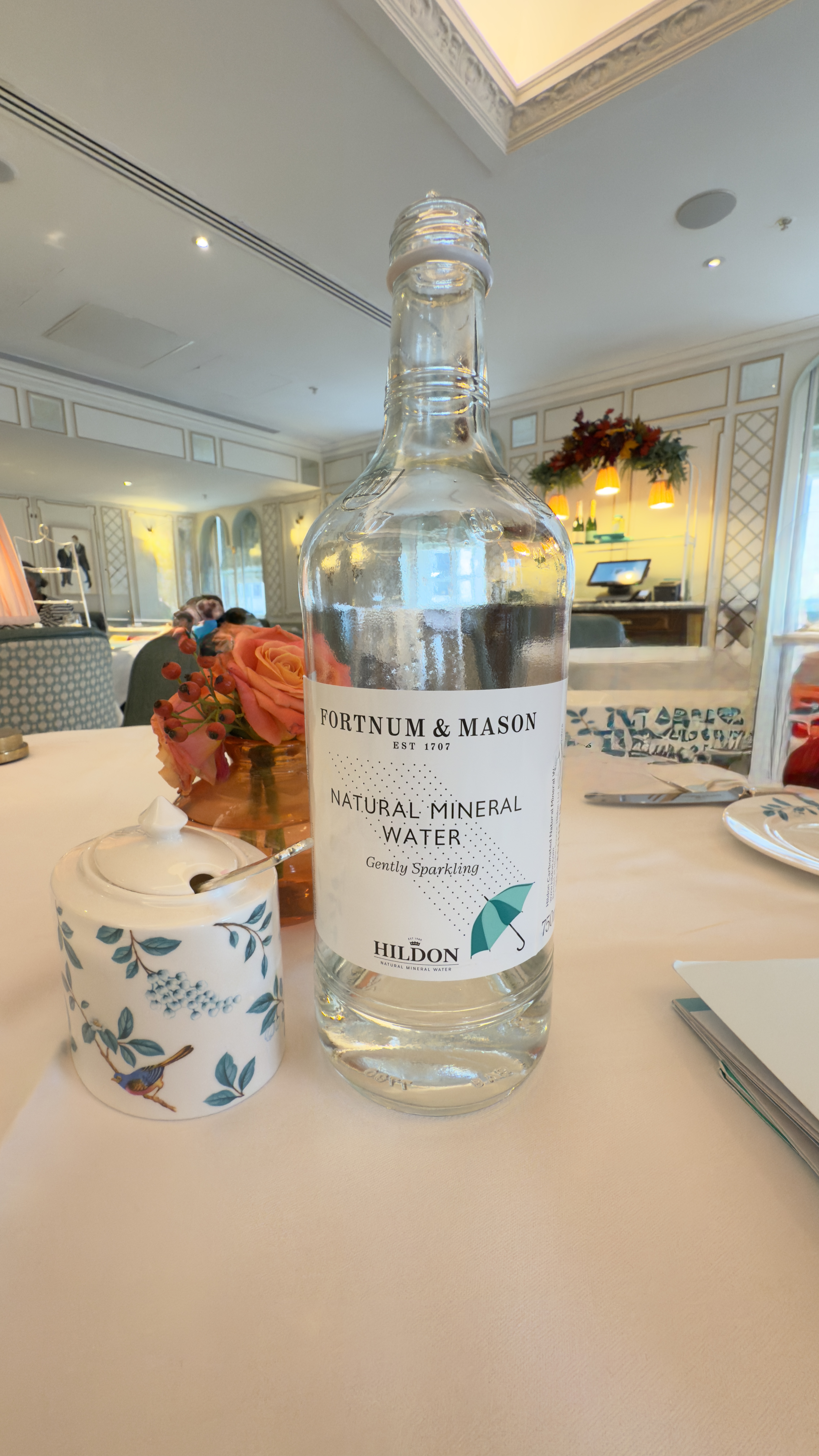
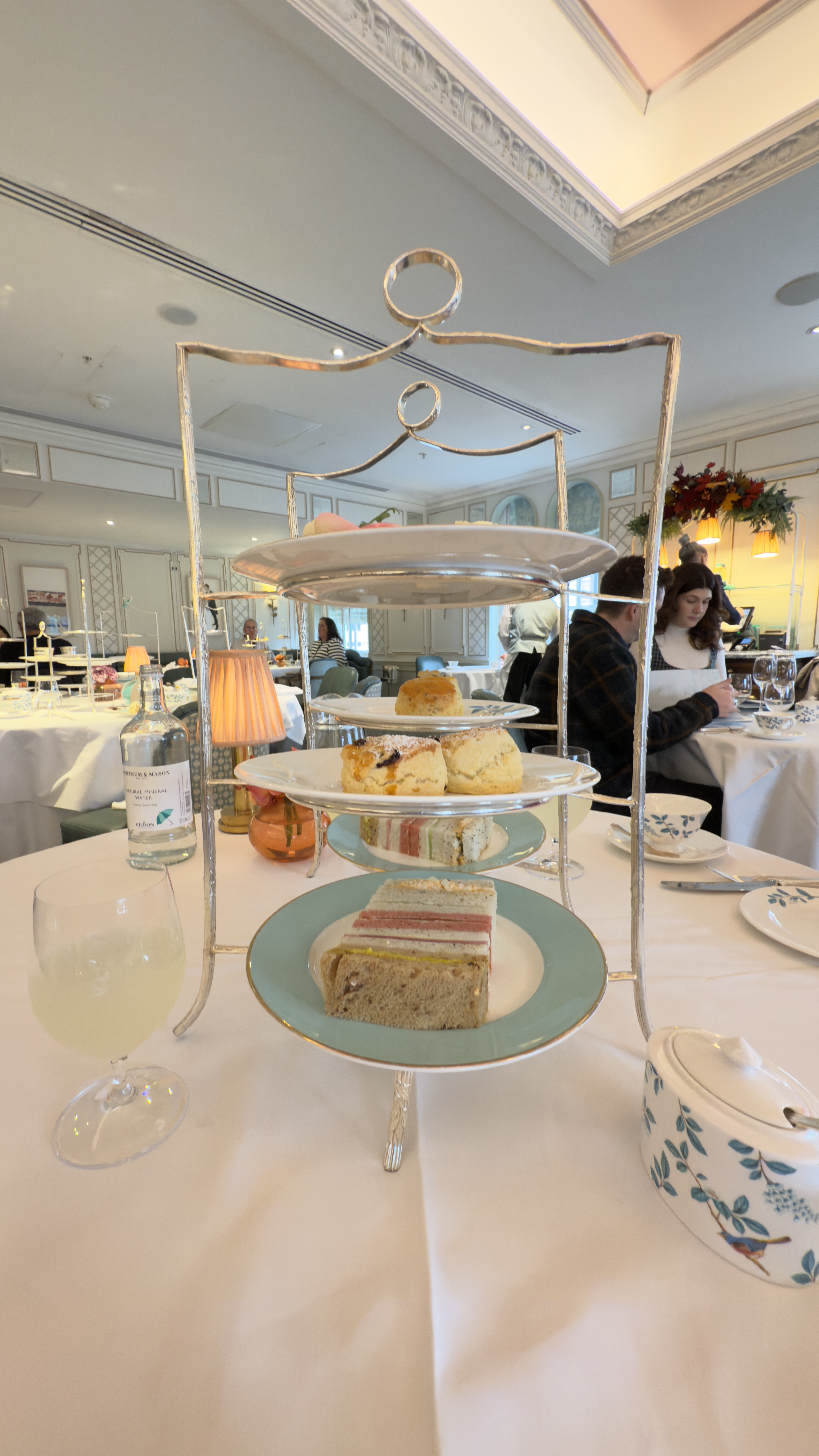
We also experienced the legendary Fortnum & Mason tea service — so refined it borders on ceremony. After the second pot of tea, even conversation slows, lulled by the gentle clink of silverware.
🎭 Nights: Phantom and the ABBA Voyage
London remains the cultural capital of live performance.
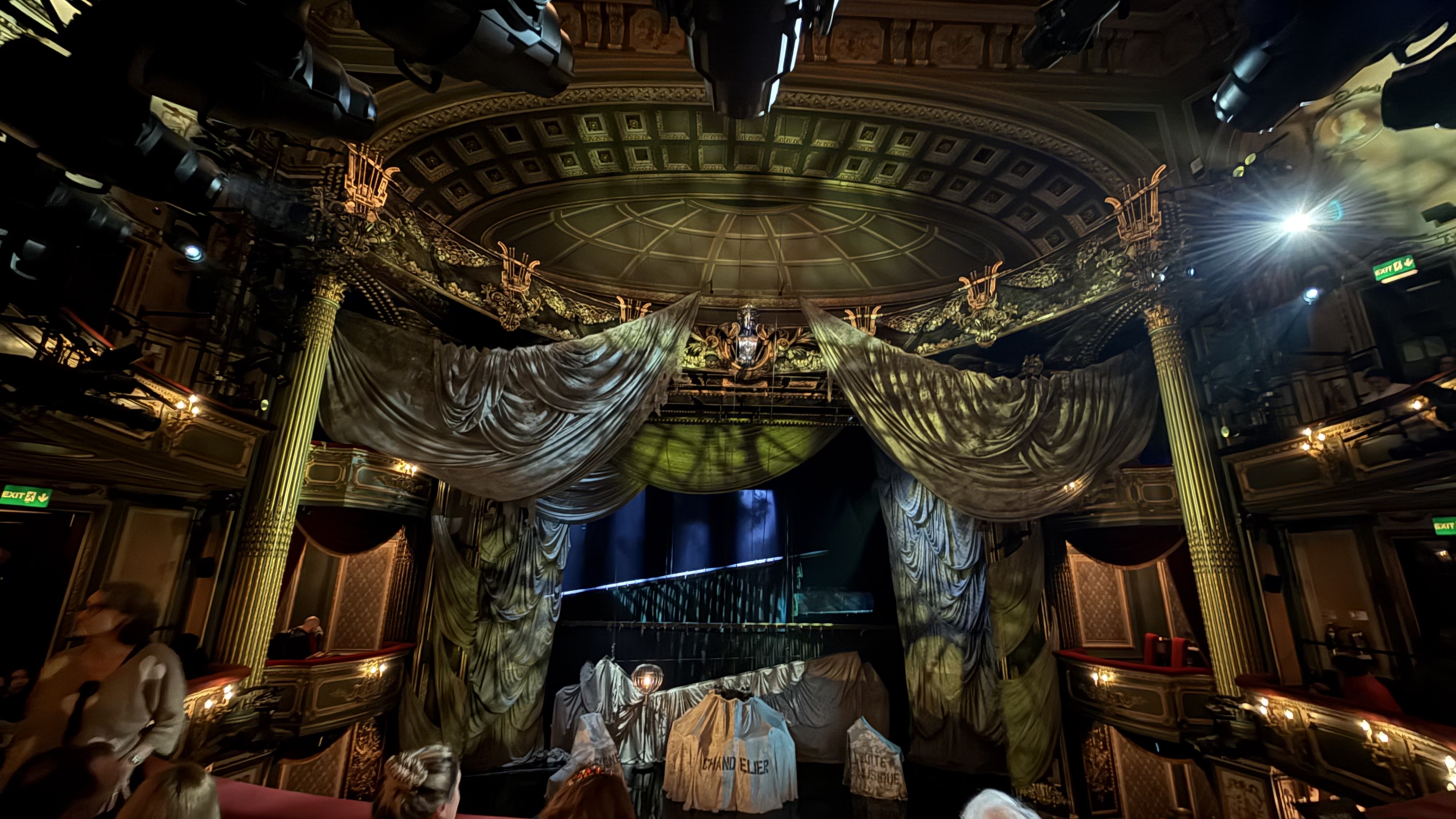
At His Majesty’s Theatre, we saw The Phantom of the Opera. The moment the chandelier began to rise and that first haunting note filled the hall, I was transported. Decades on, it remains a masterwork of stagecraft and emotion.
📸 His Majesty’s Theatre façade illuminated before curtain call.
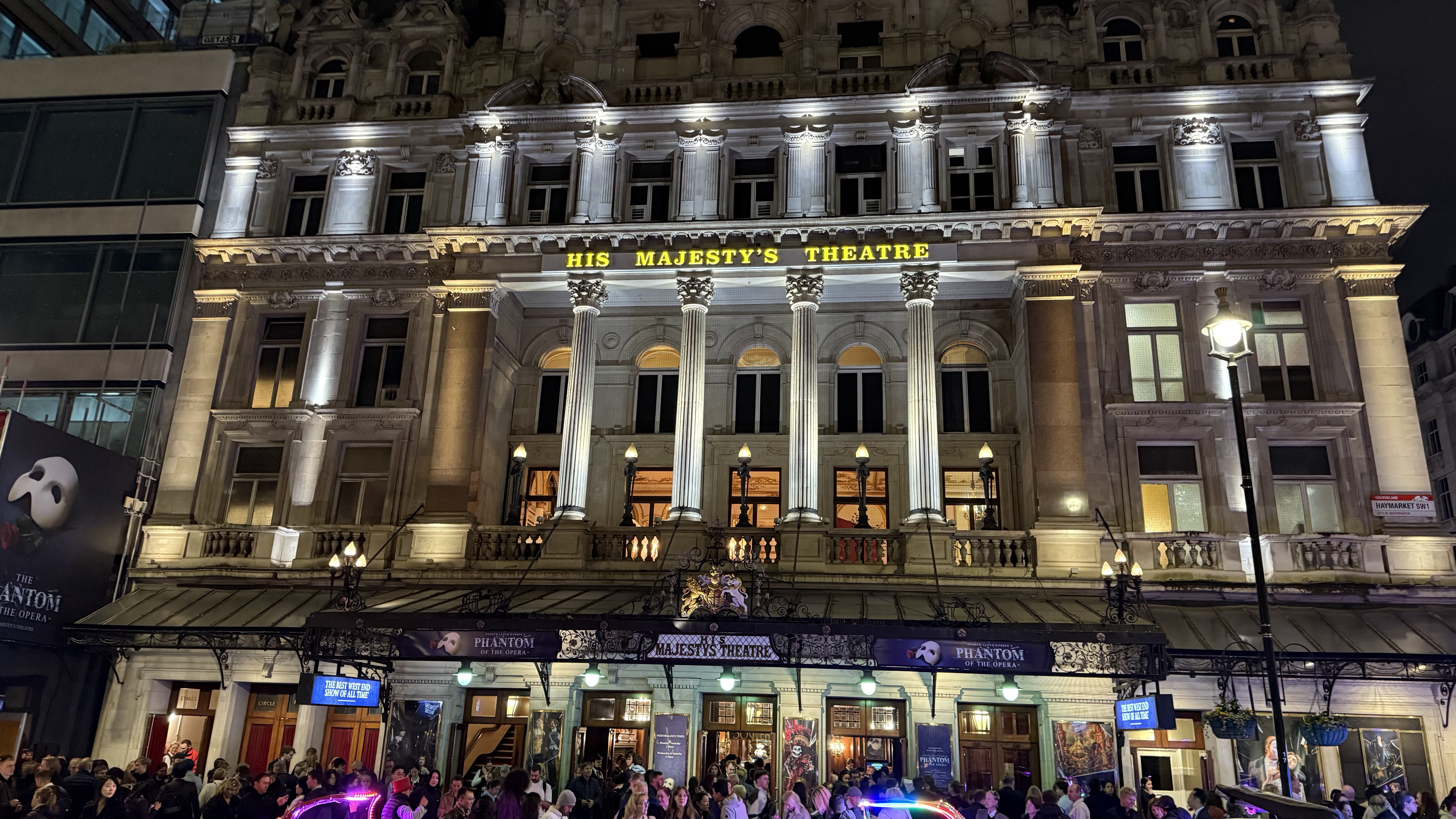
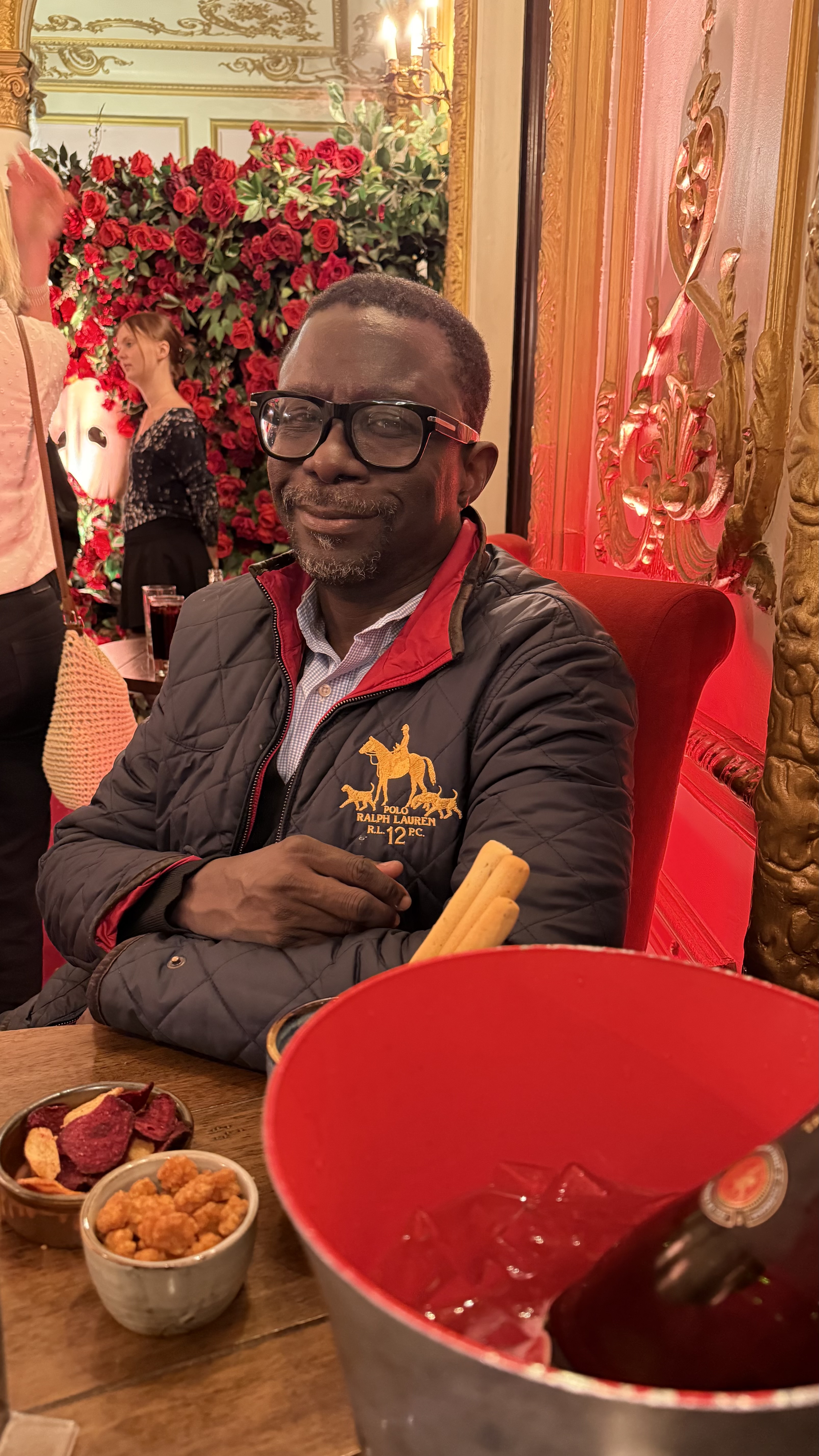
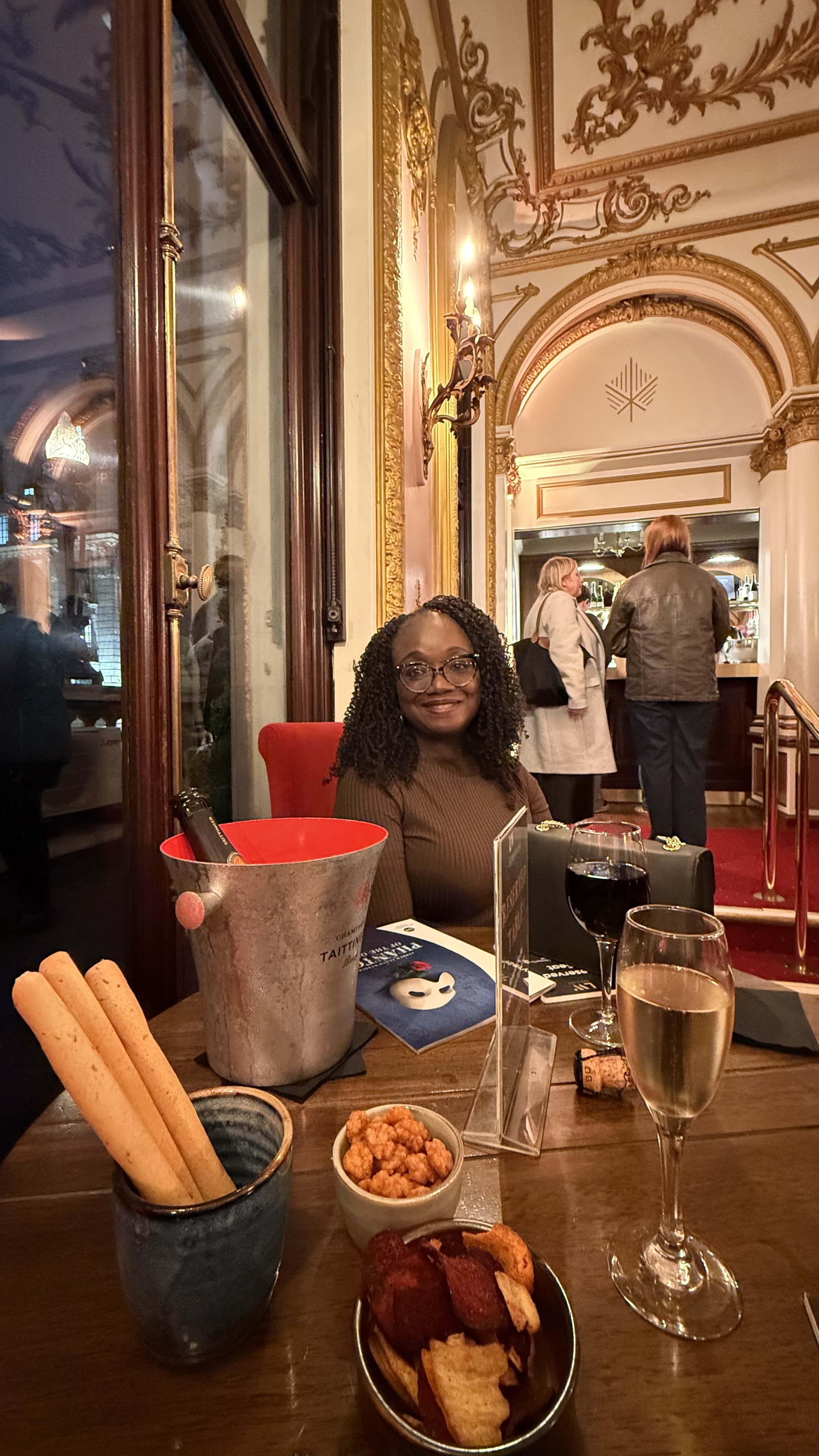
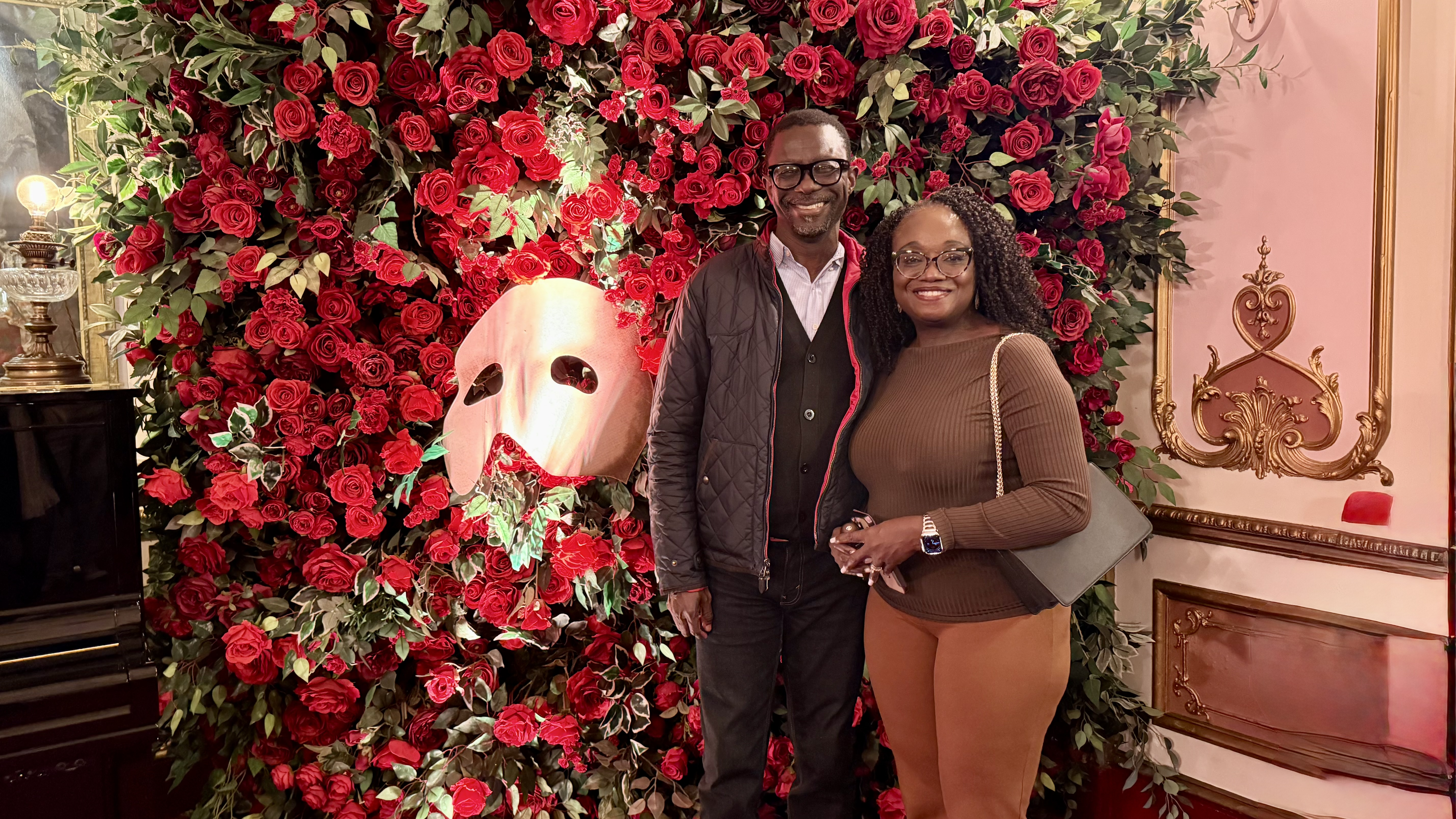
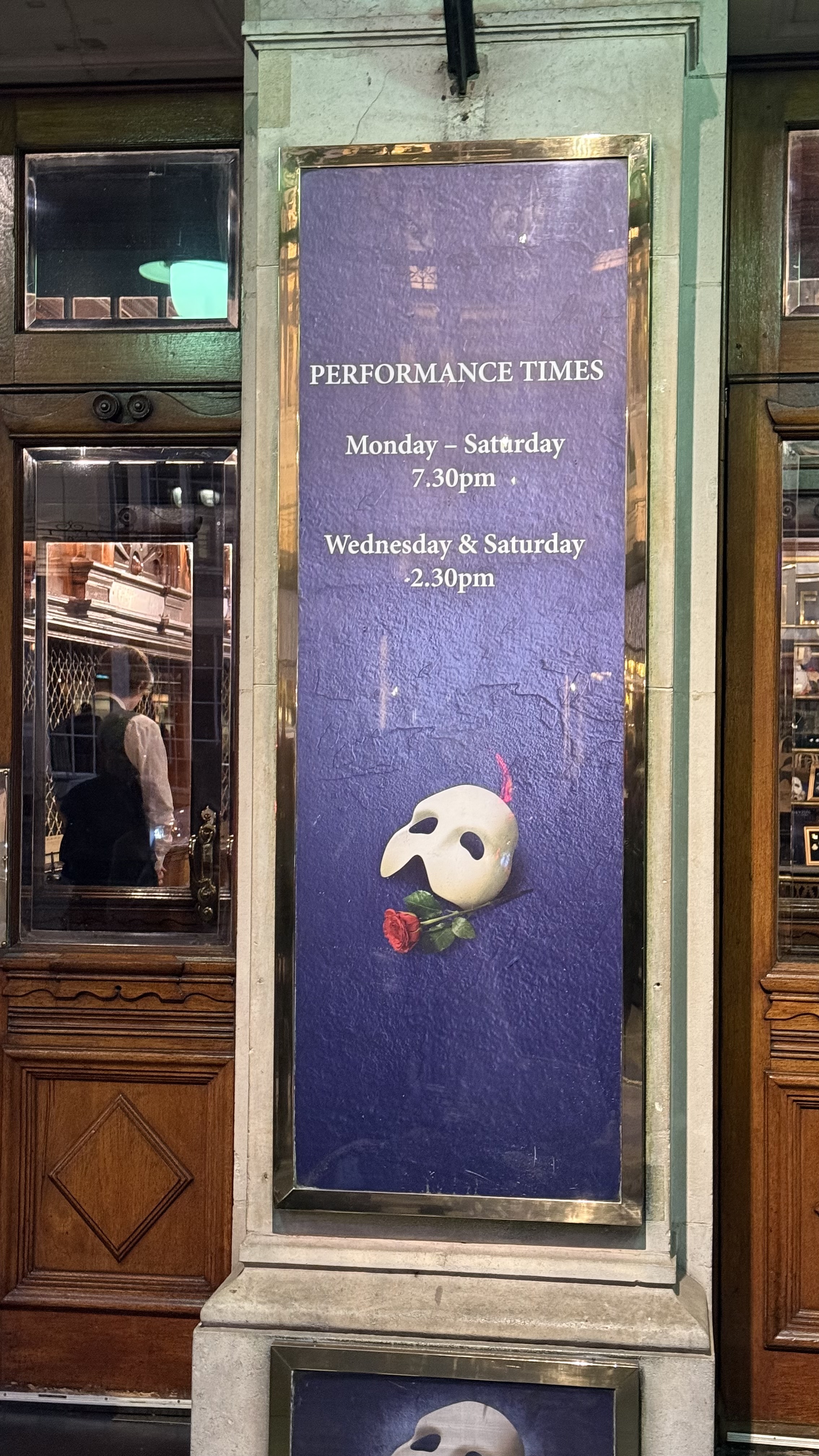
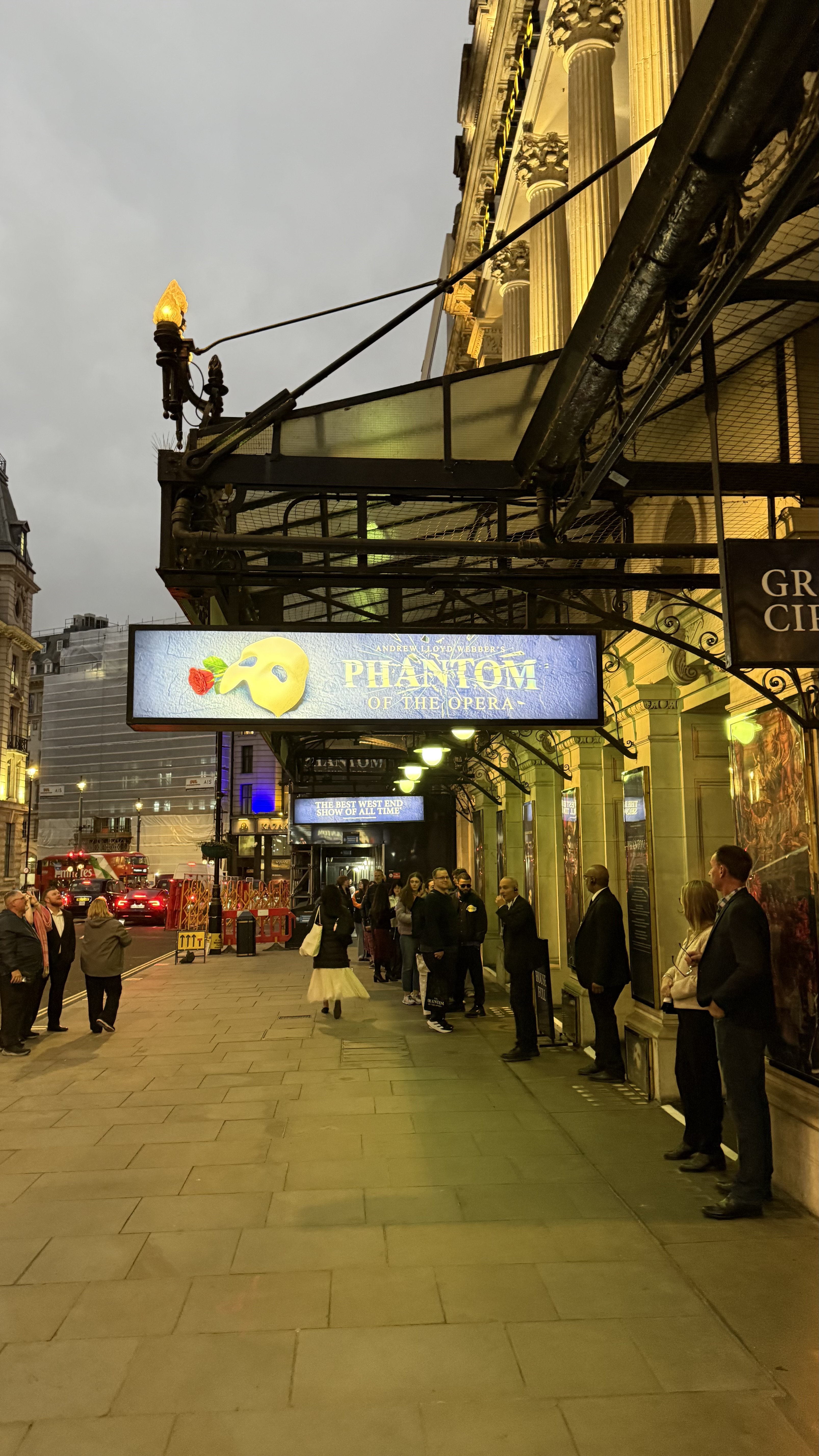
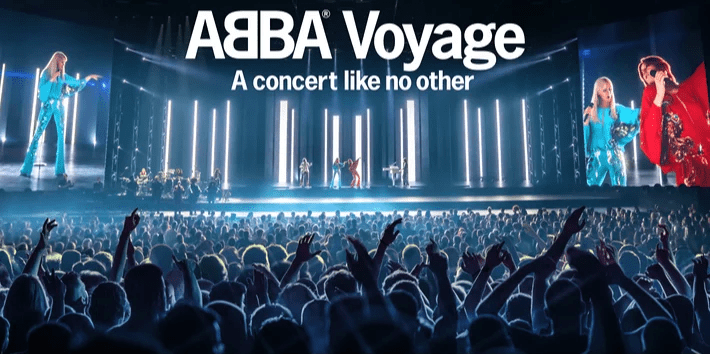
Later, near Stratford, we attended the ABBA Voyage Show — housed in a purpose-built digital arena. There, avatars of the legendary band performed with breathtaking realism. It was nostalgia reborn through technology — joyous, immersive, and beautifully executed.
📸 The ABBA Voyage Arena at night — light, sound, and memory intertwined.

🕍 Spaces: St. Paul’s Cathedral and Westminster Abbey
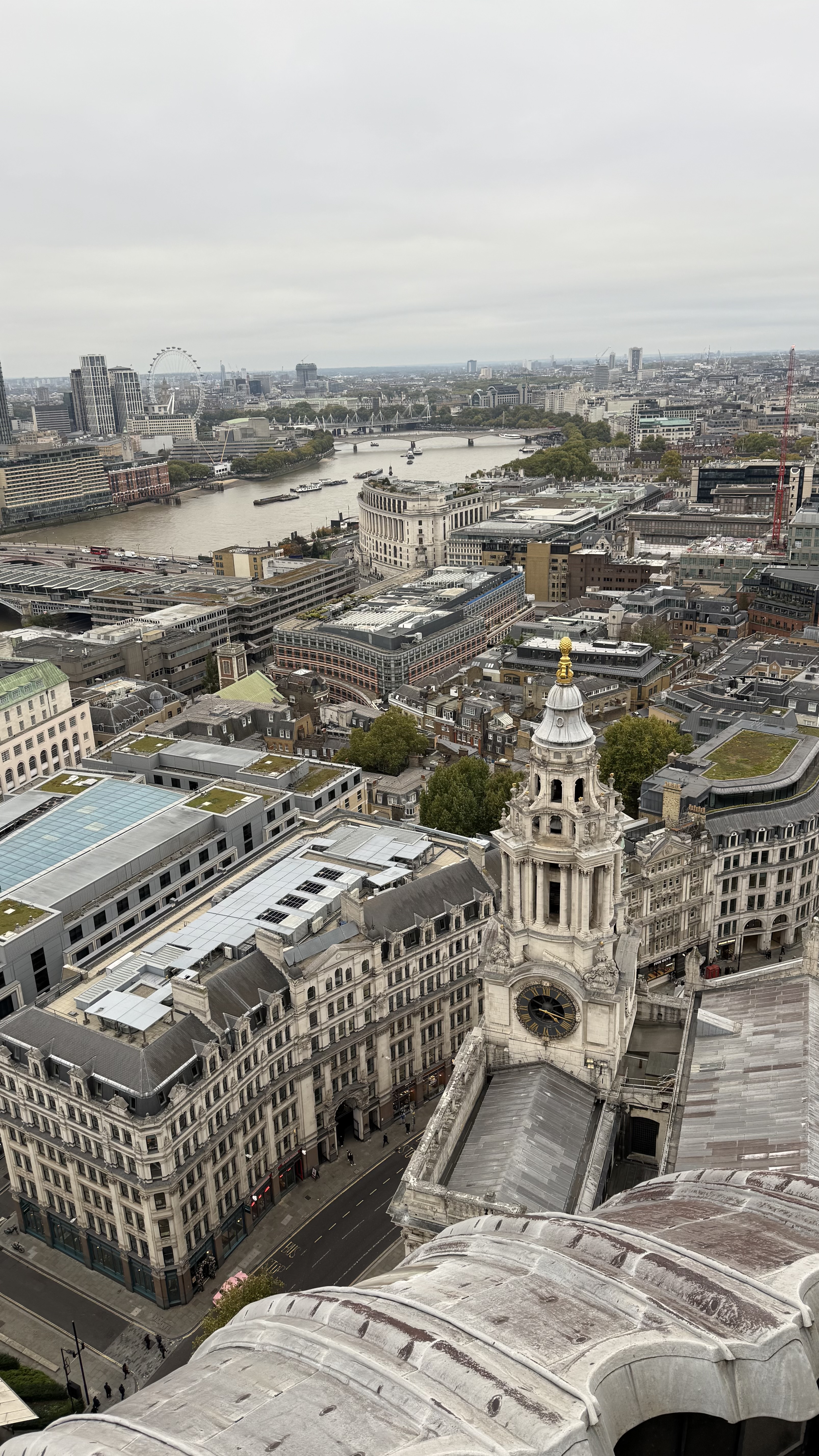
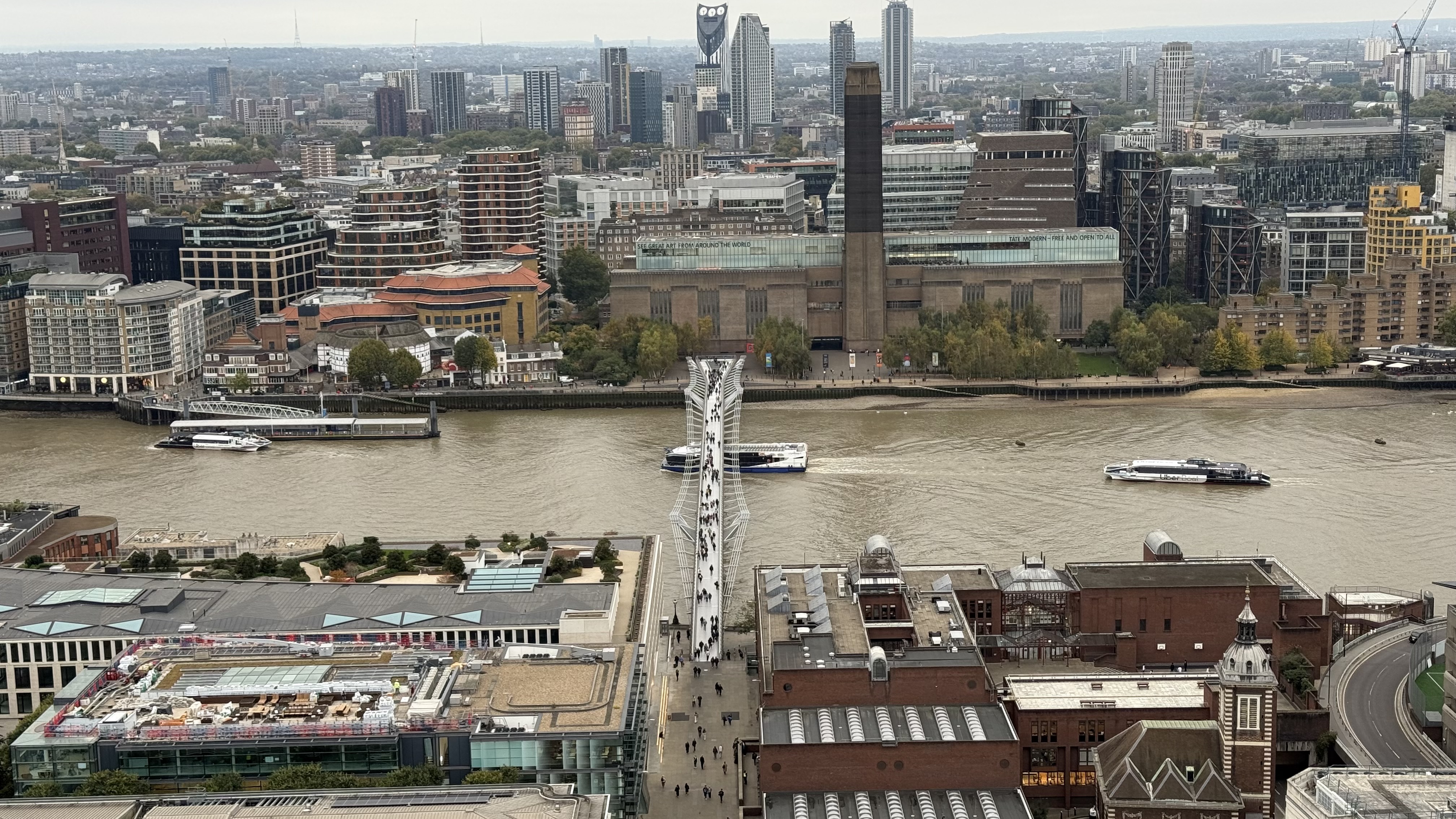
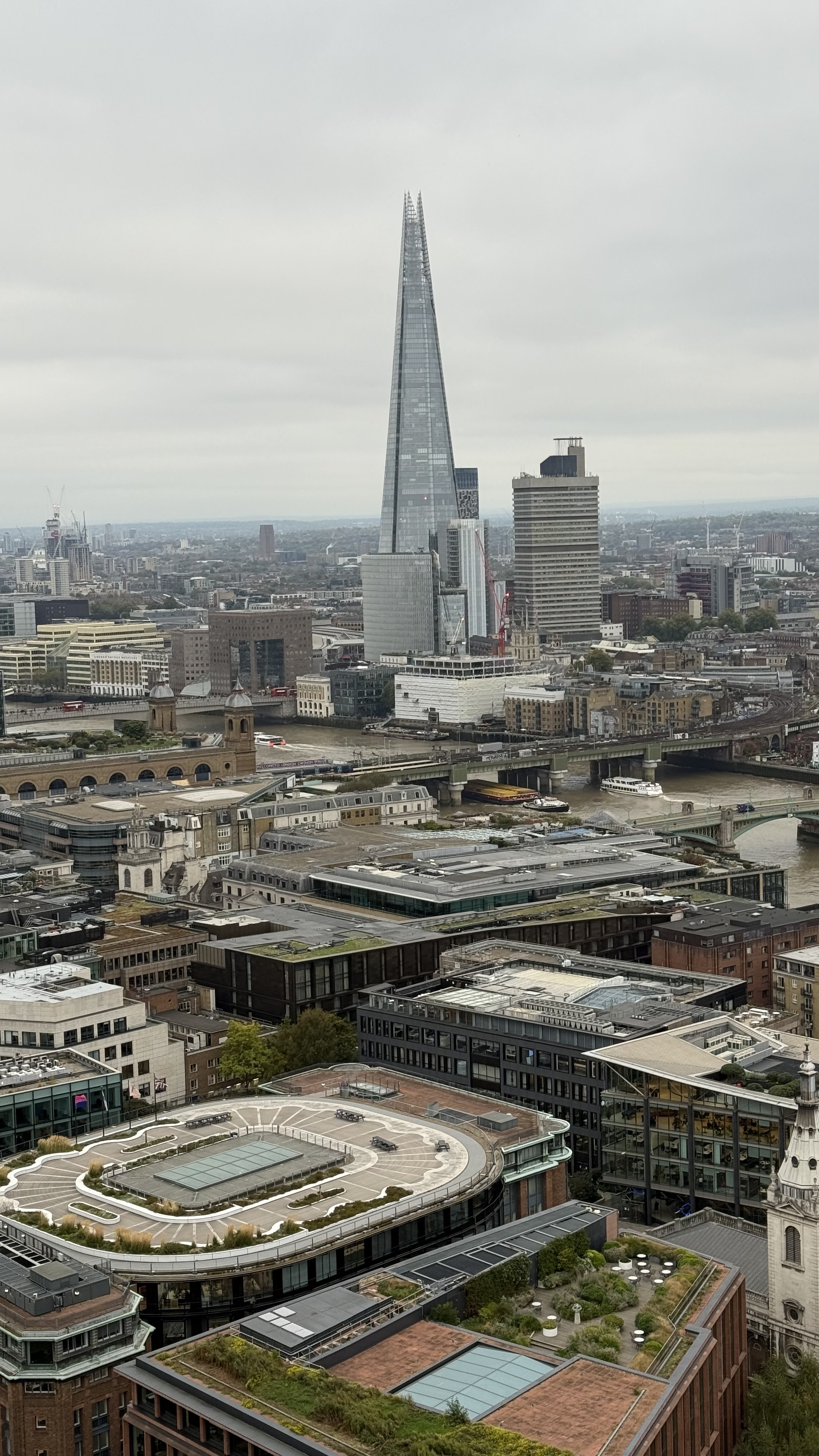
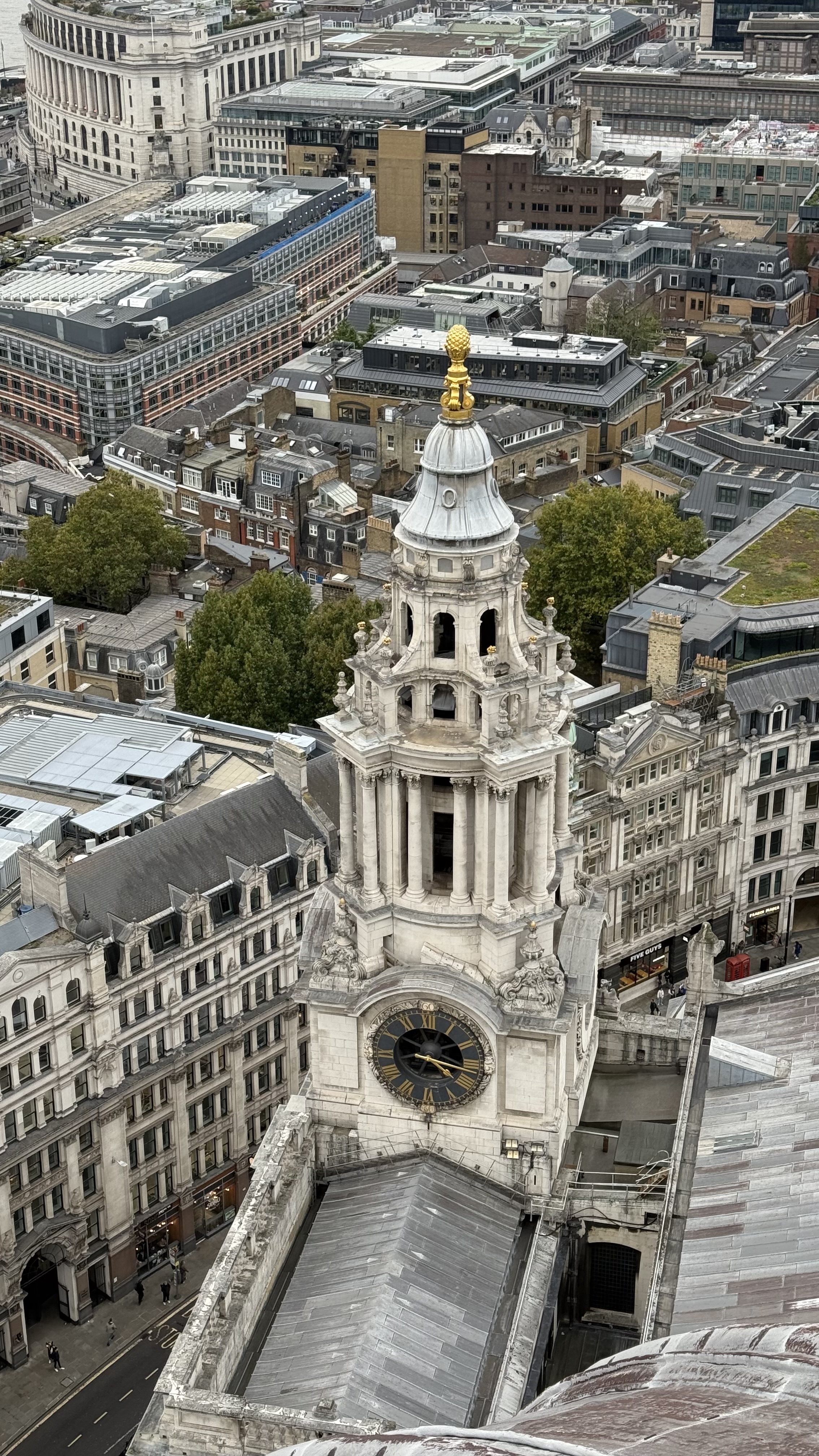
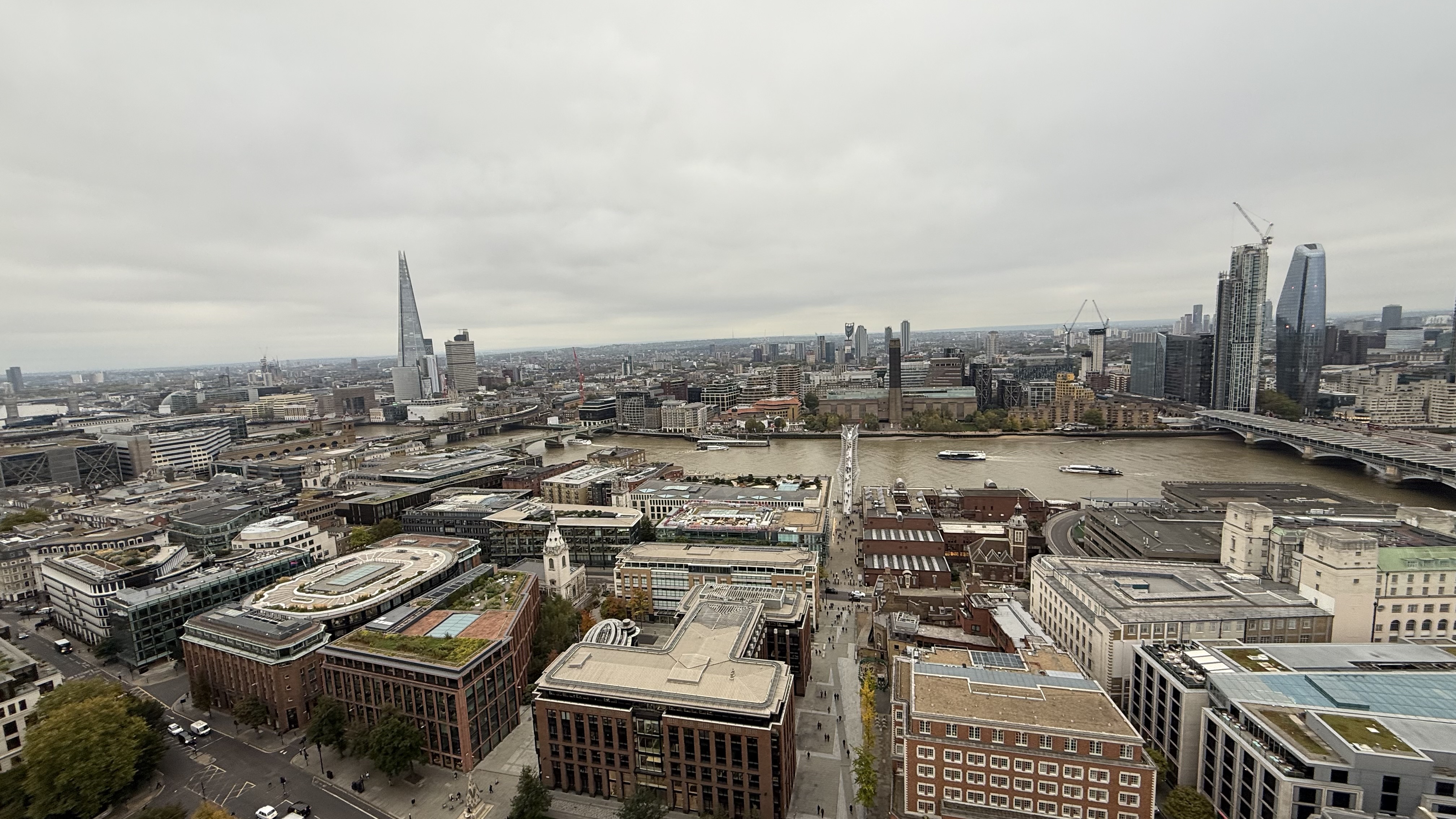
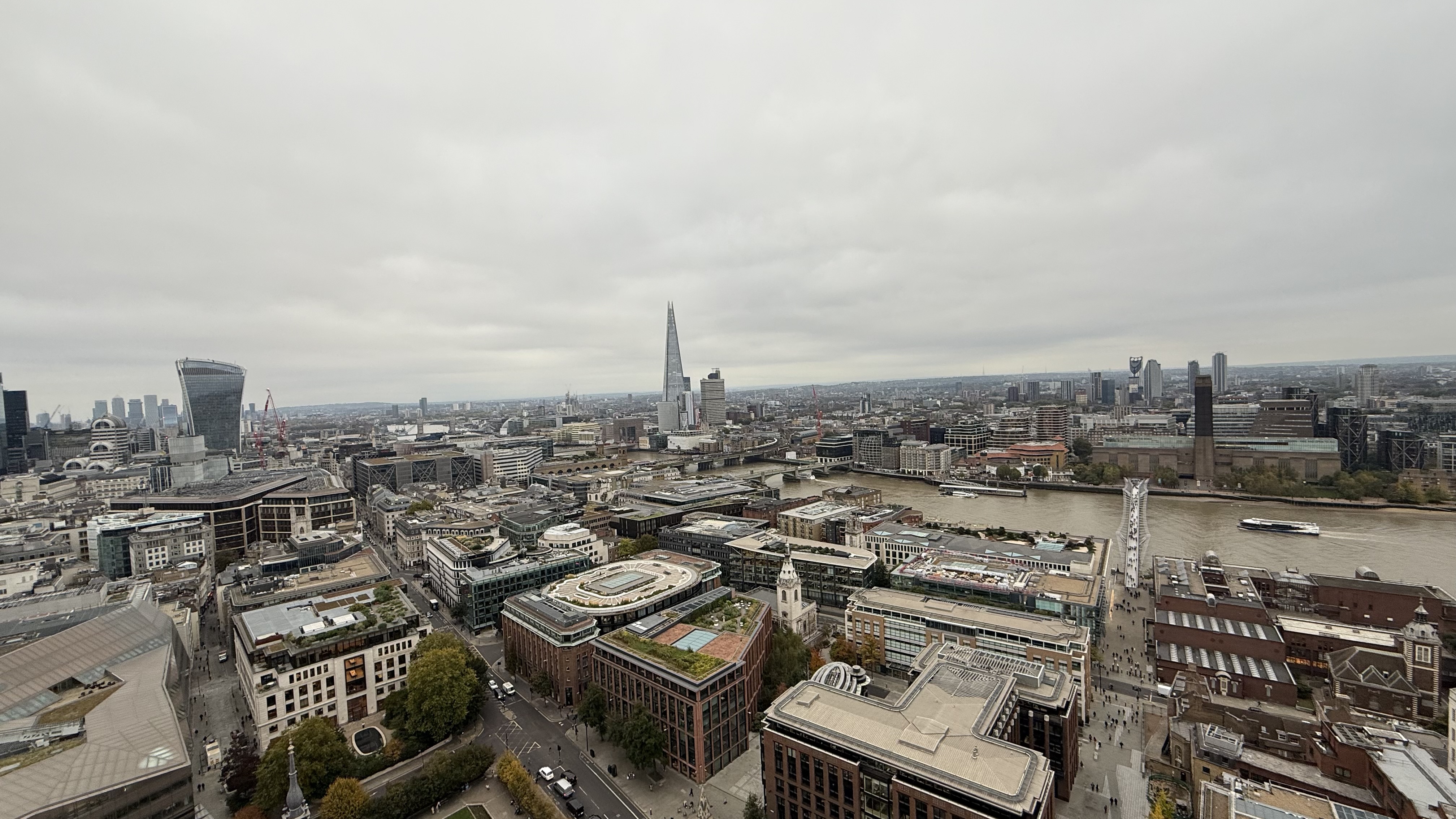
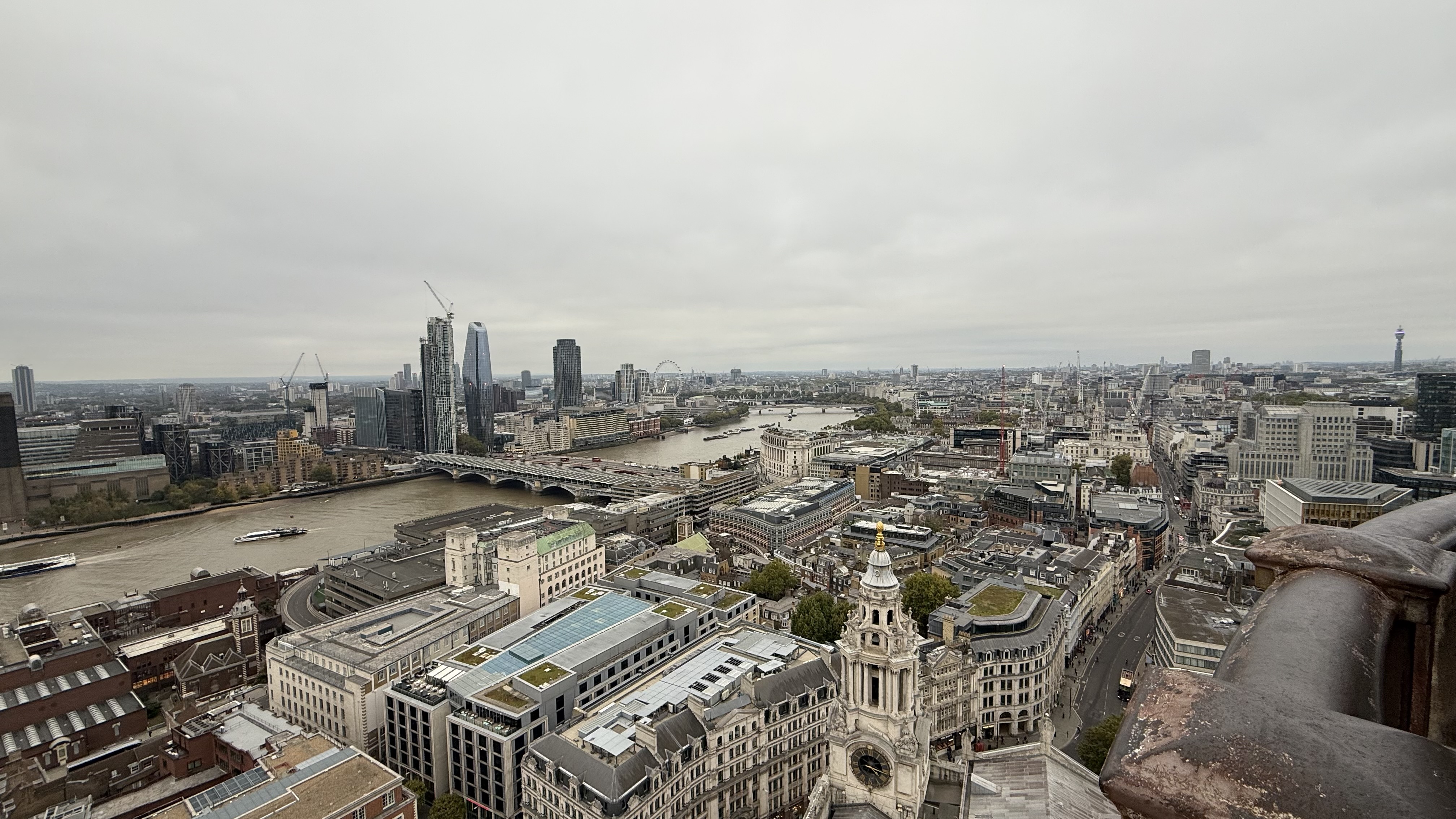
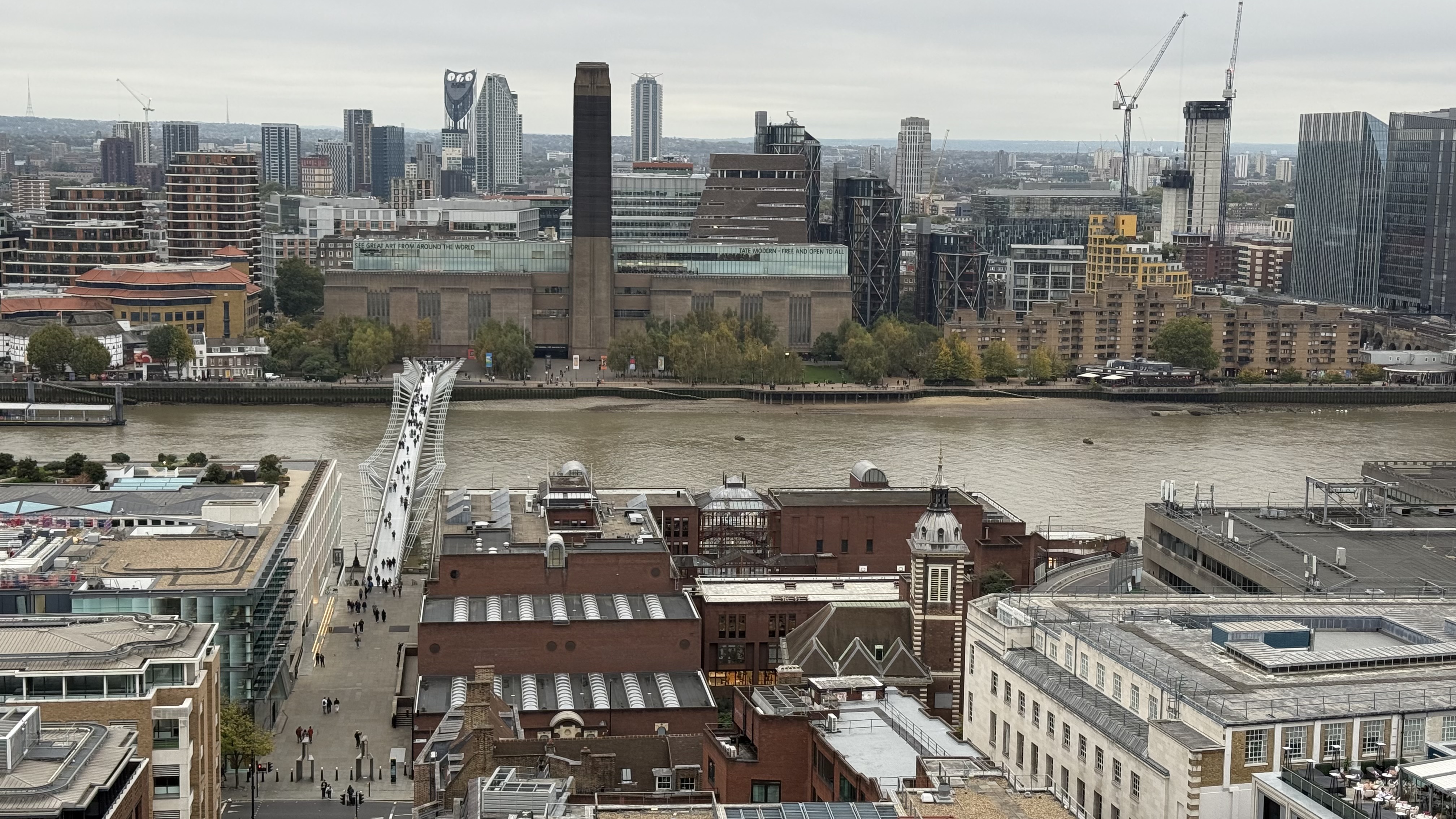
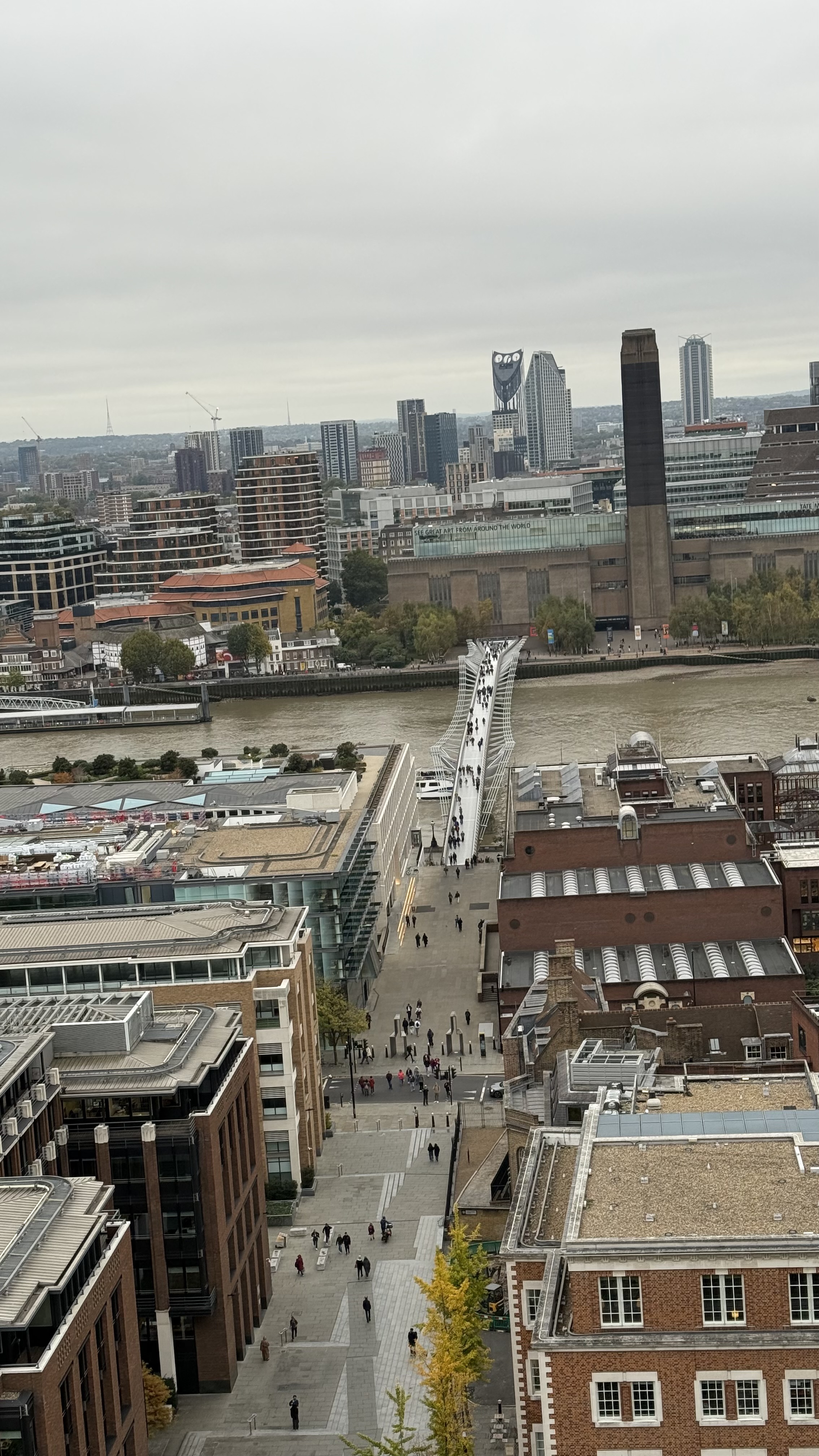
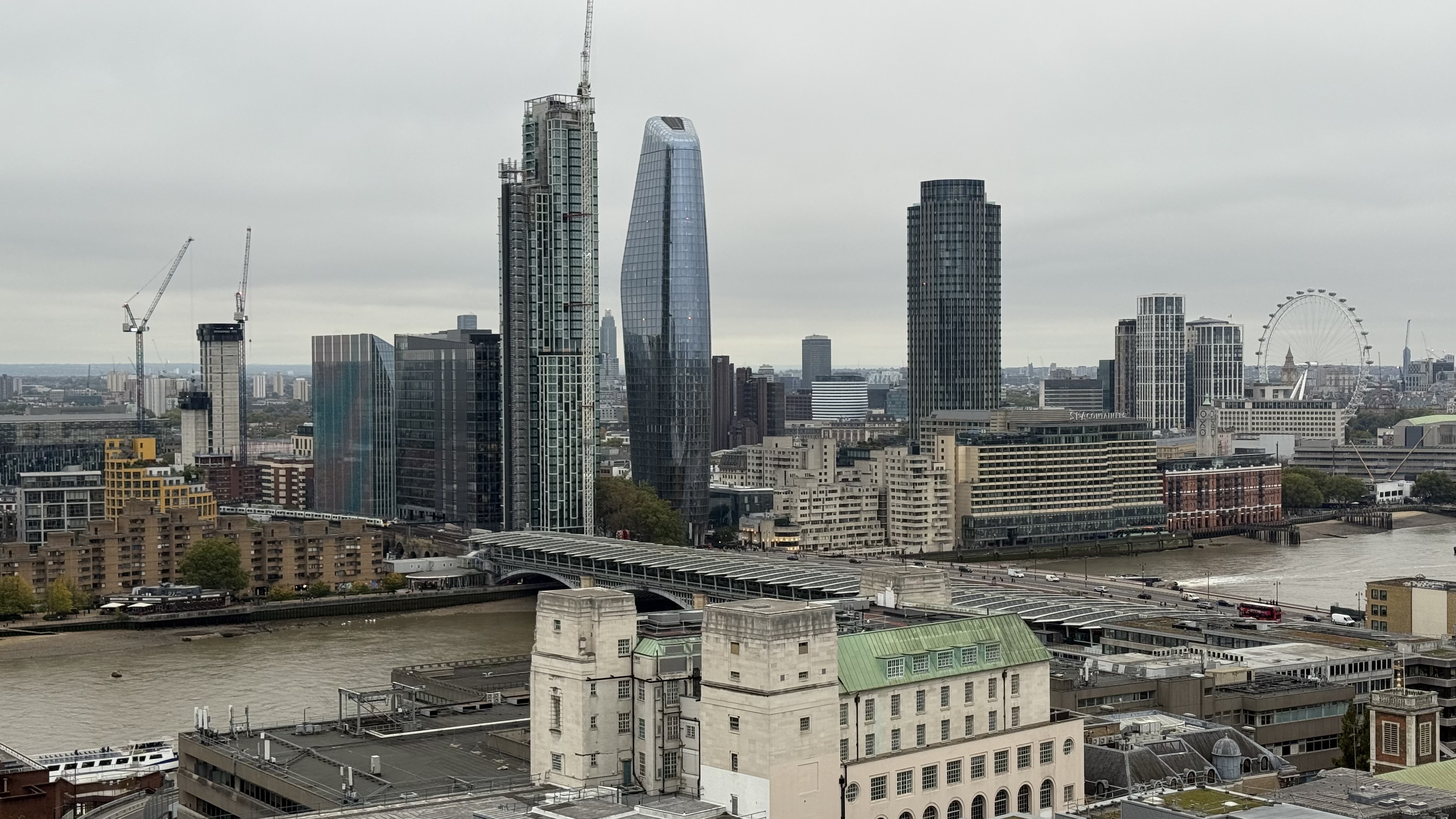
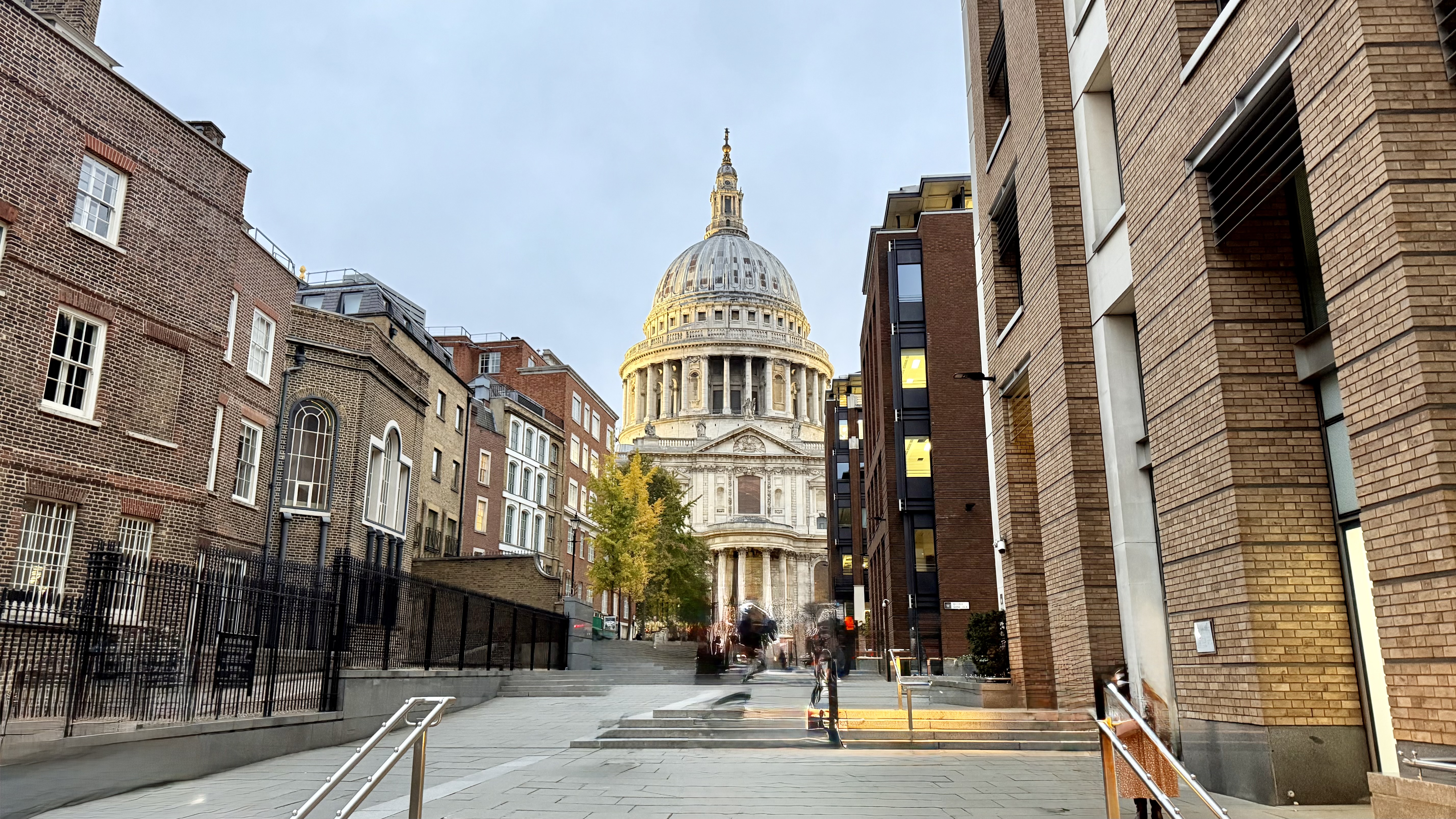
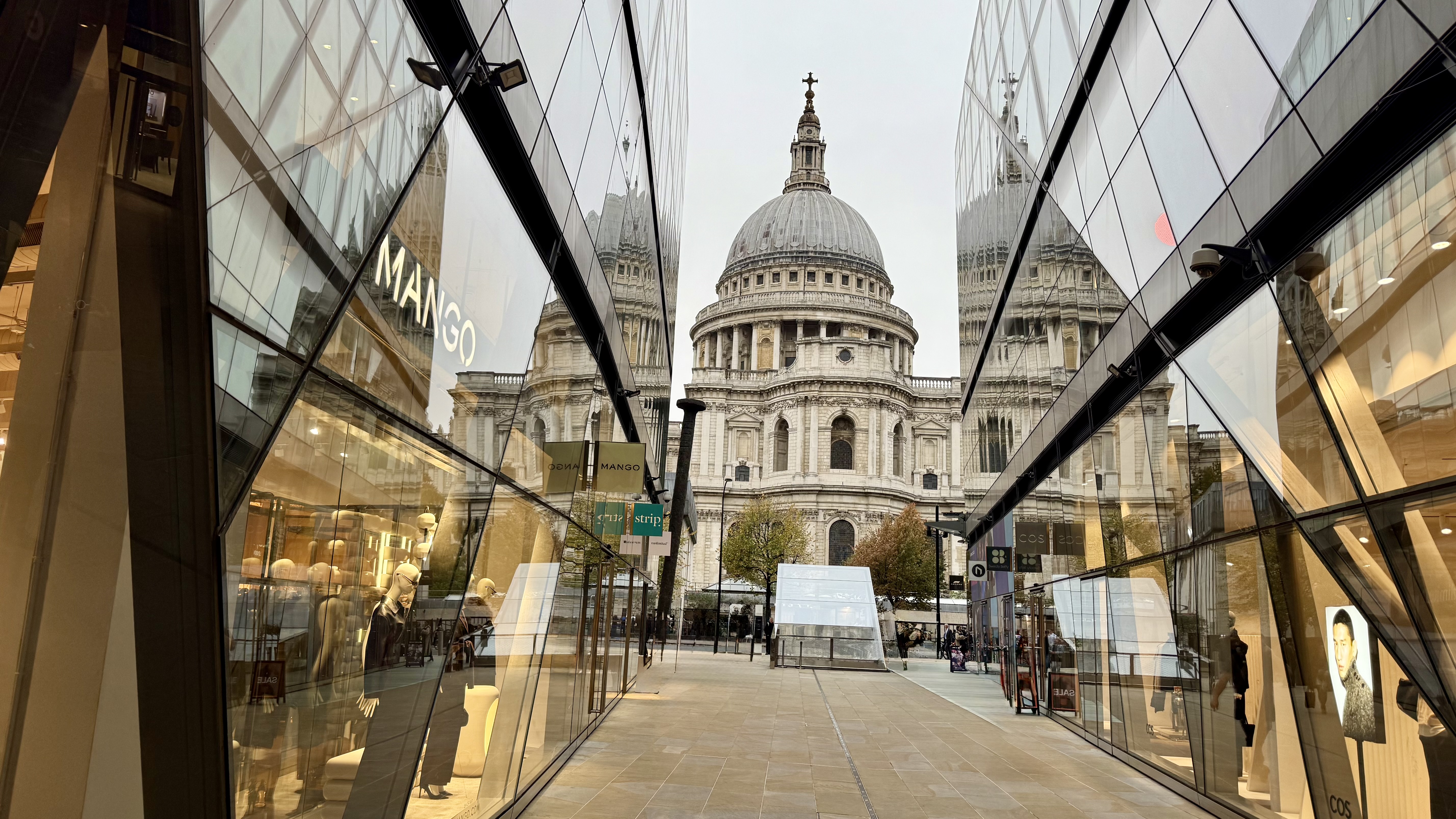
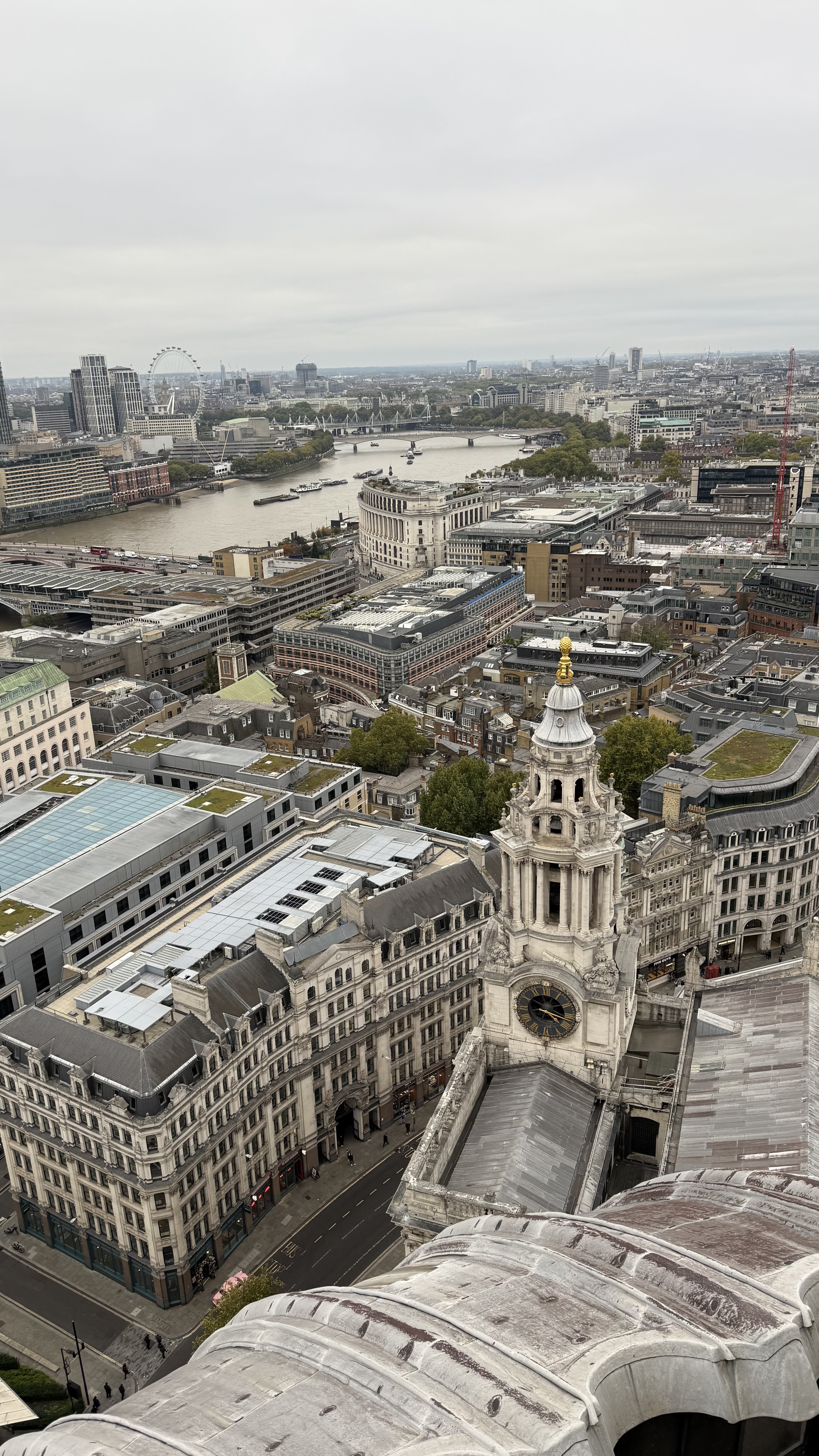
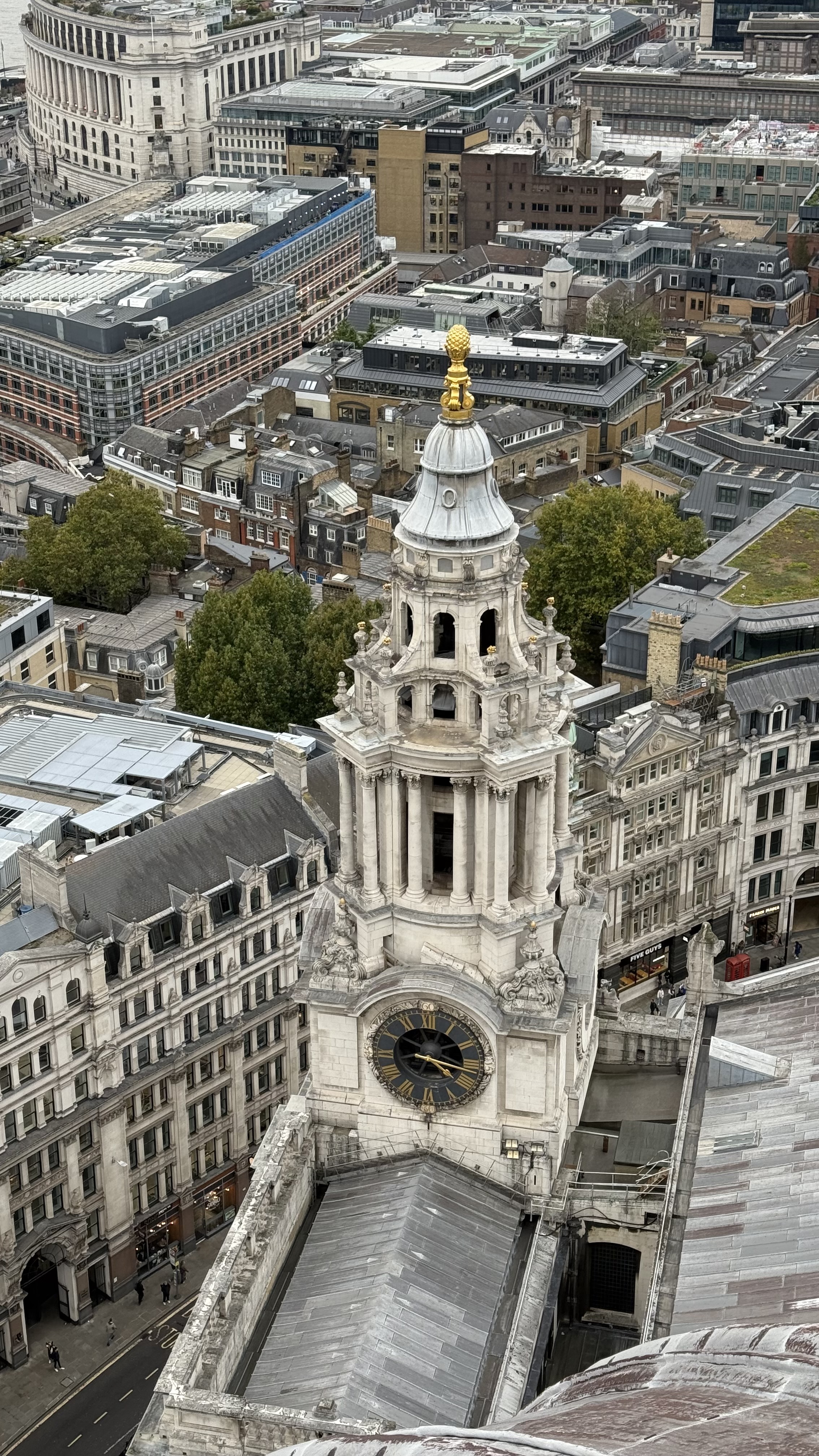
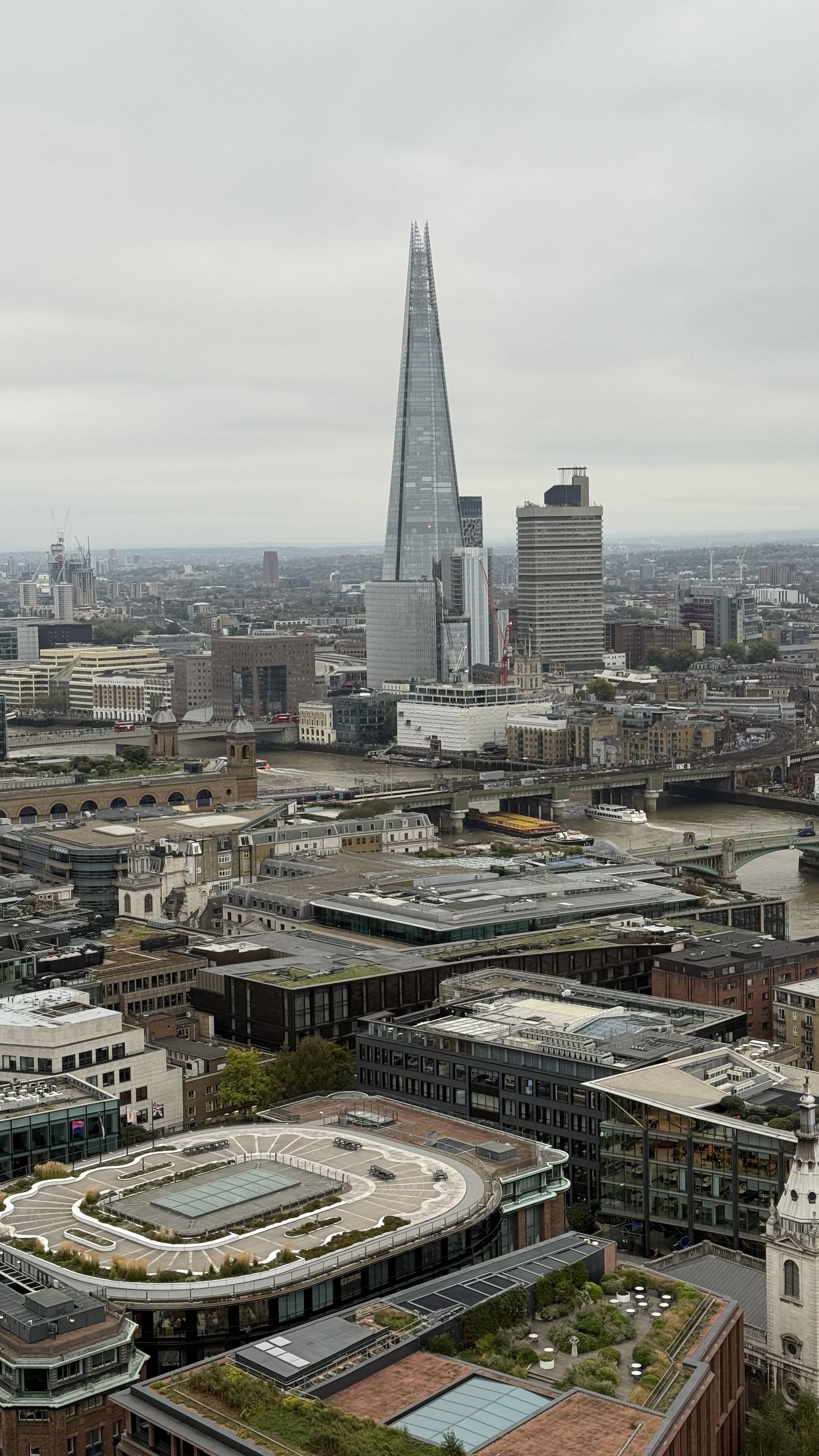
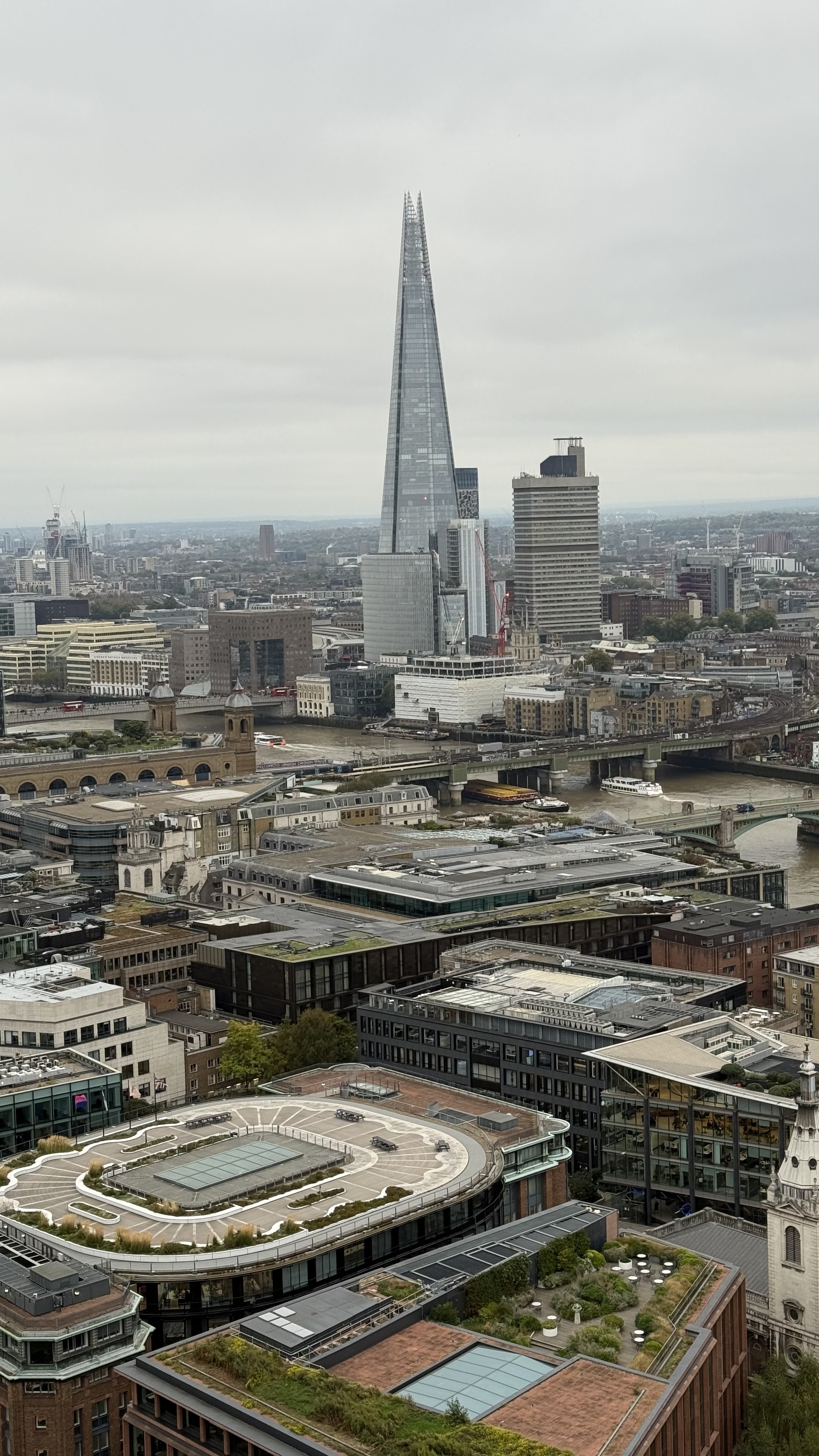
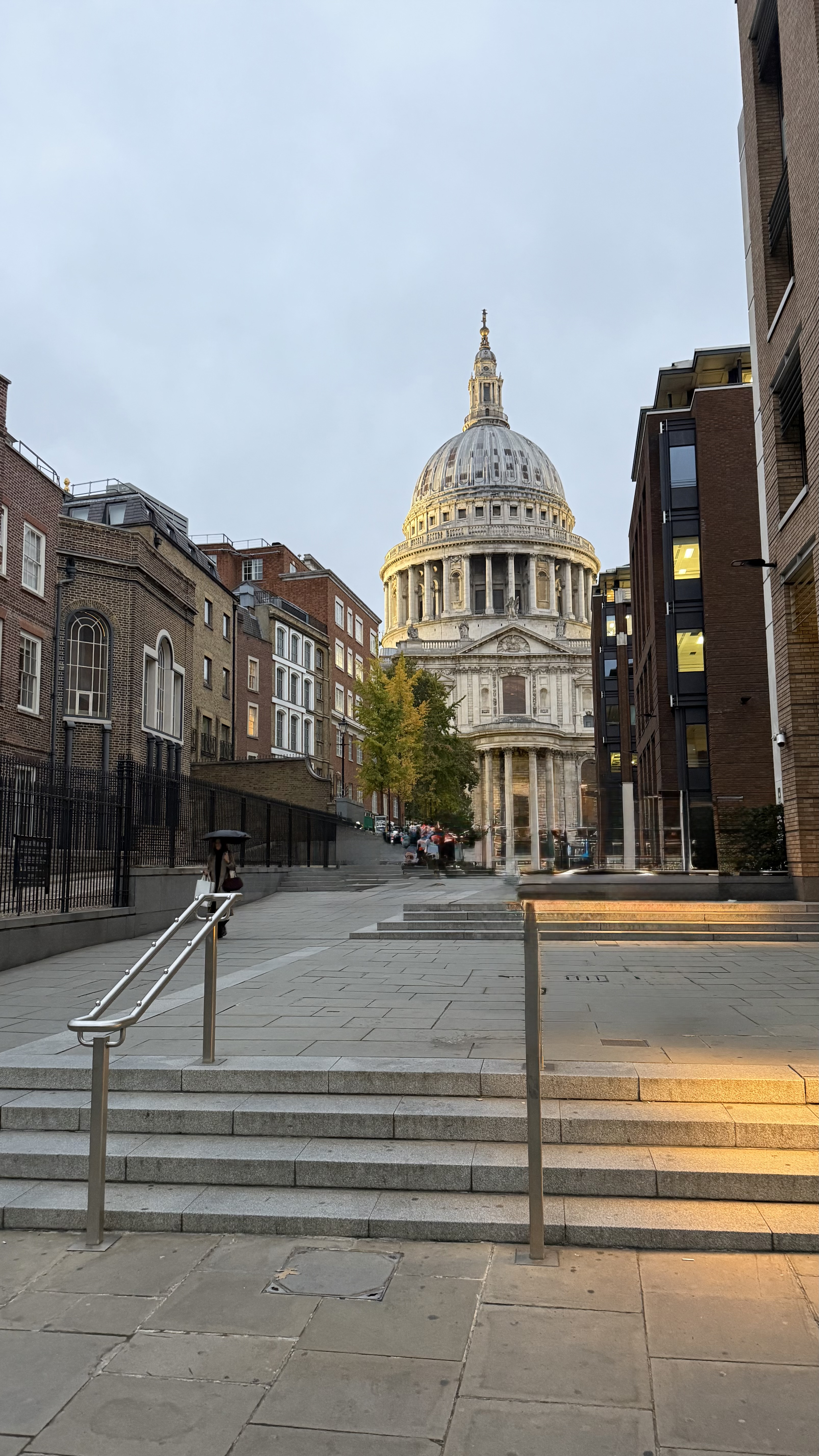
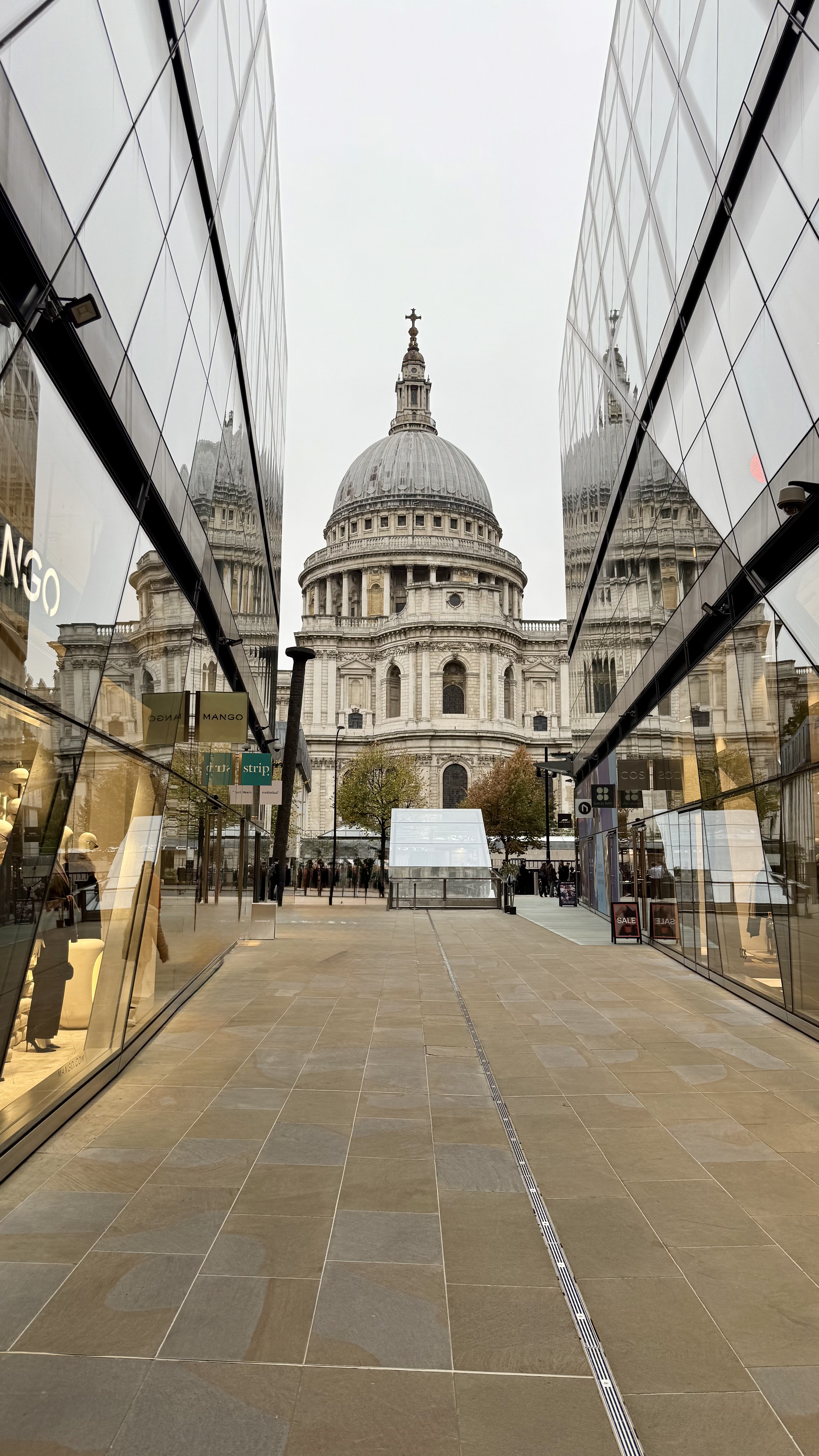
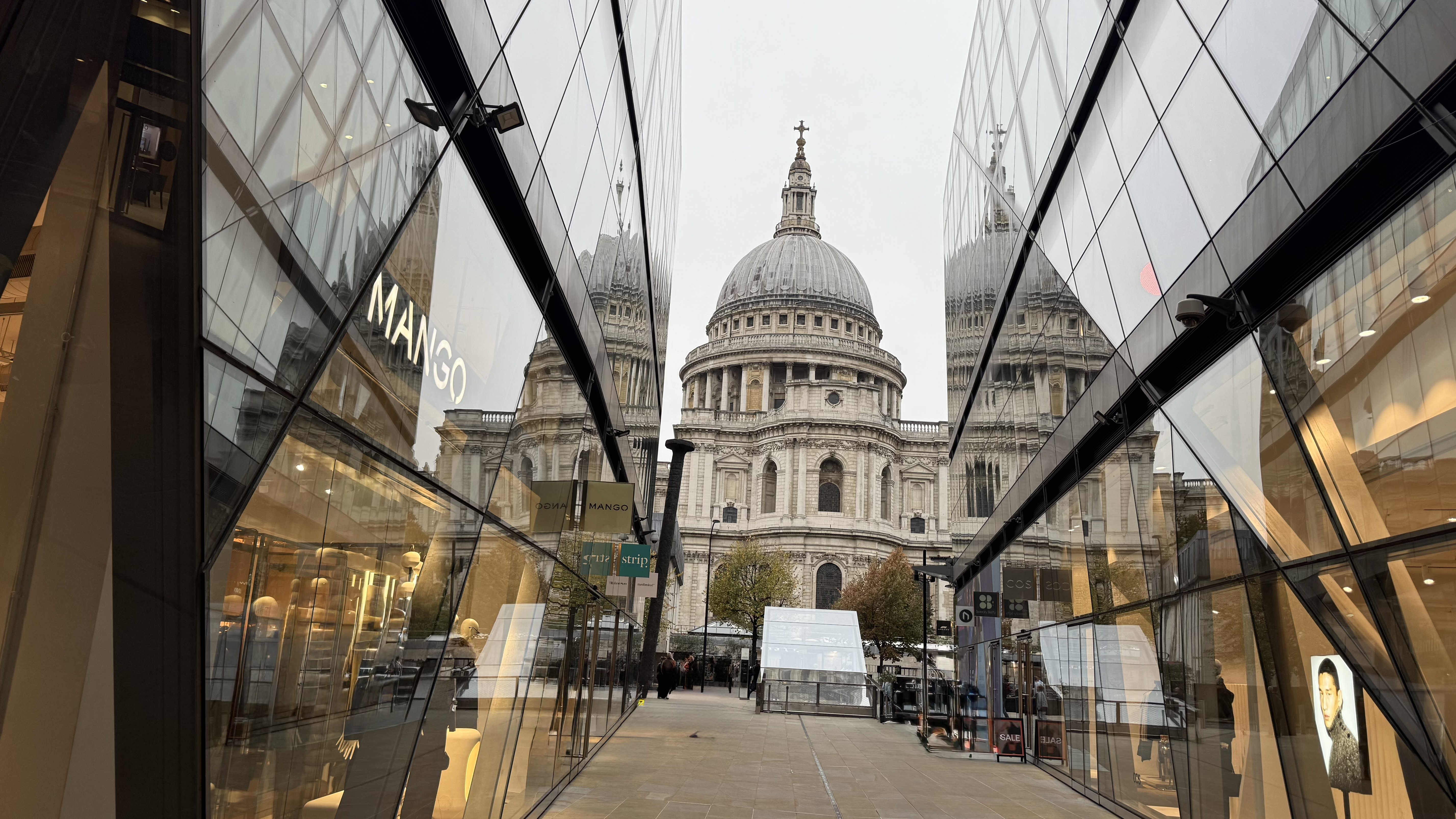
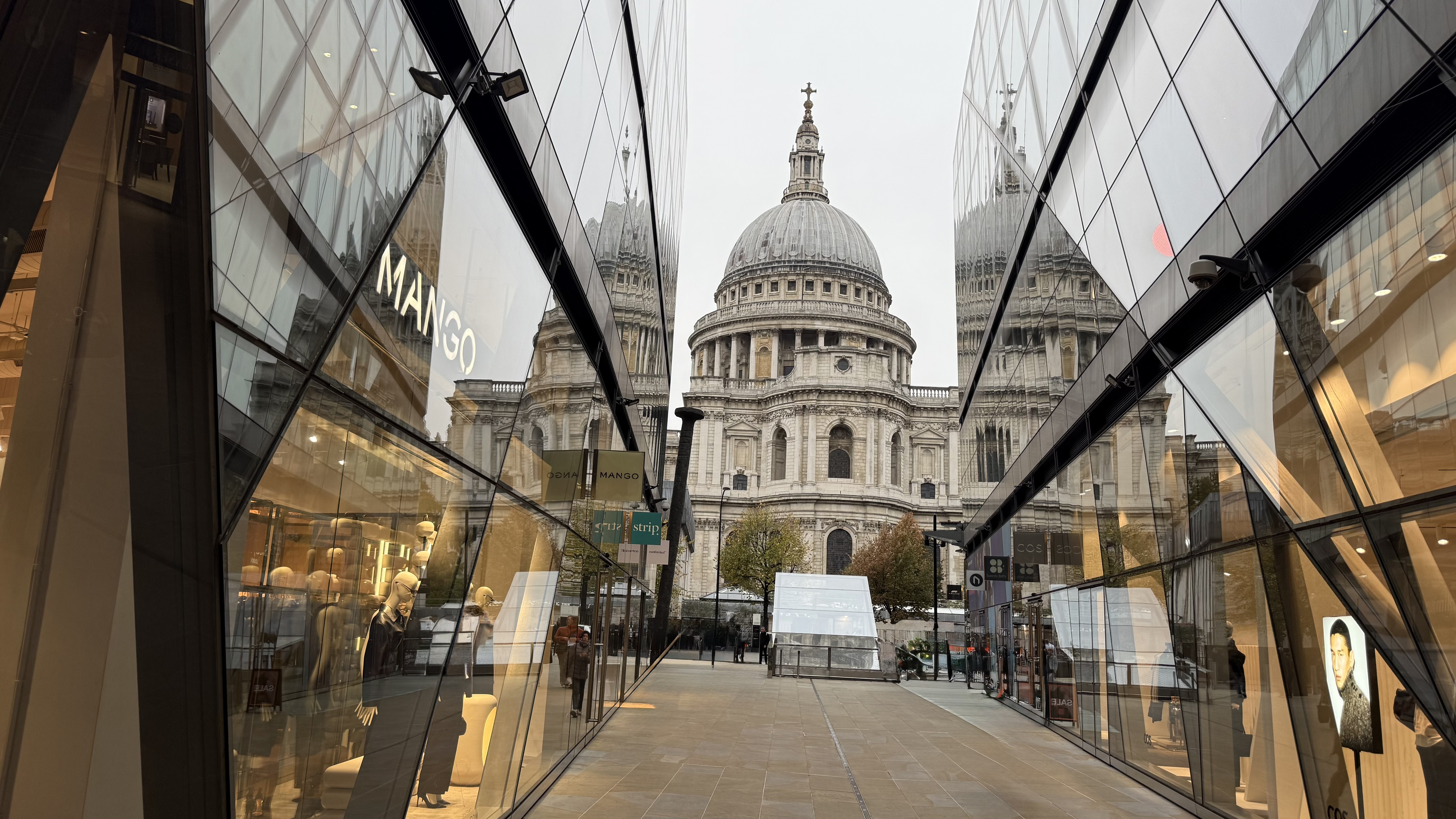
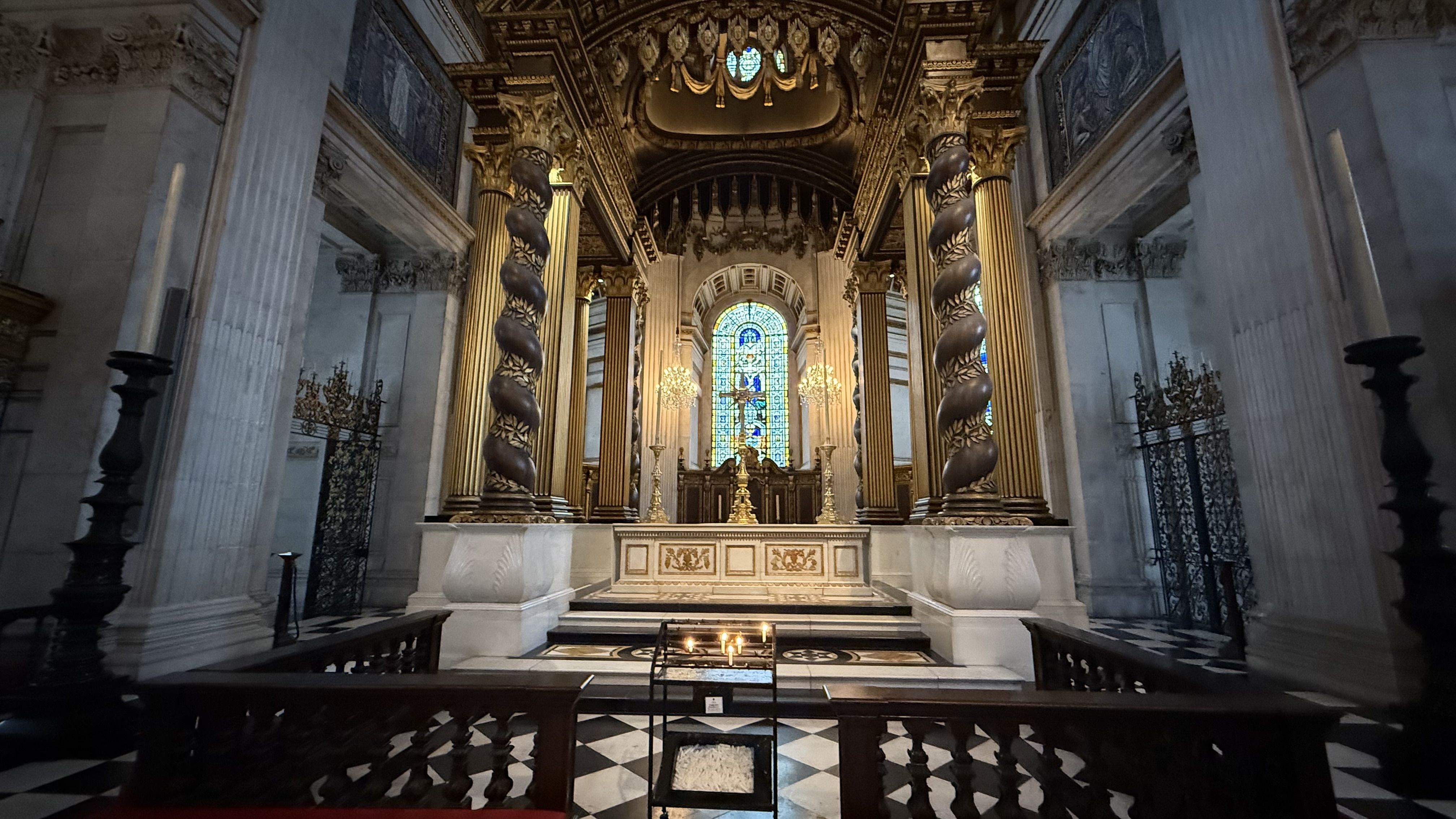
I climbed the 520 steps of St. Paul’s Cathedral again — something I last did many years ago. It felt steeper this time (and it was), but the view from the top remains one of London’s finest rewards.
📸 View from the St. Paul’s dome — the Thames winding like silver through the city.
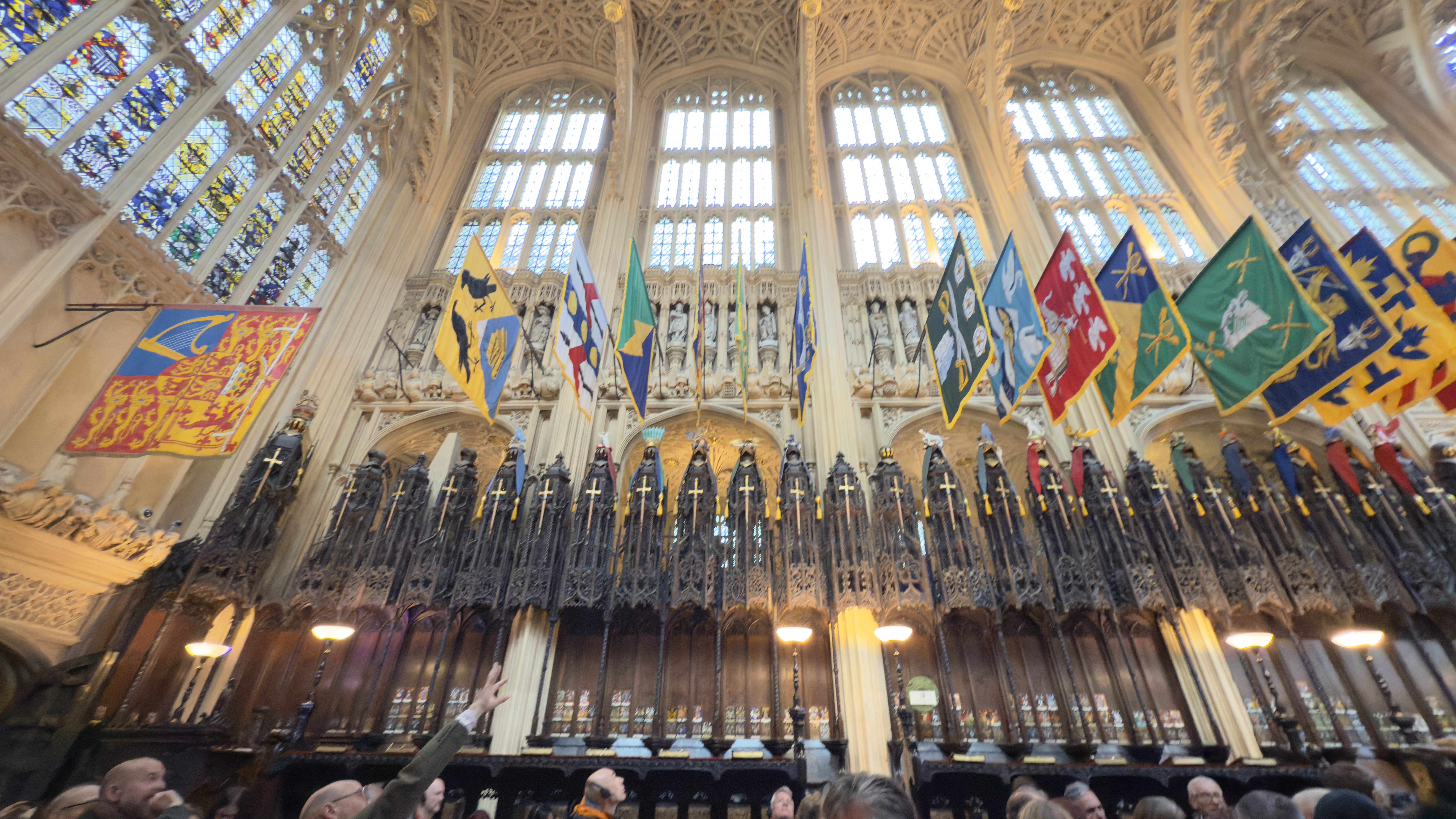
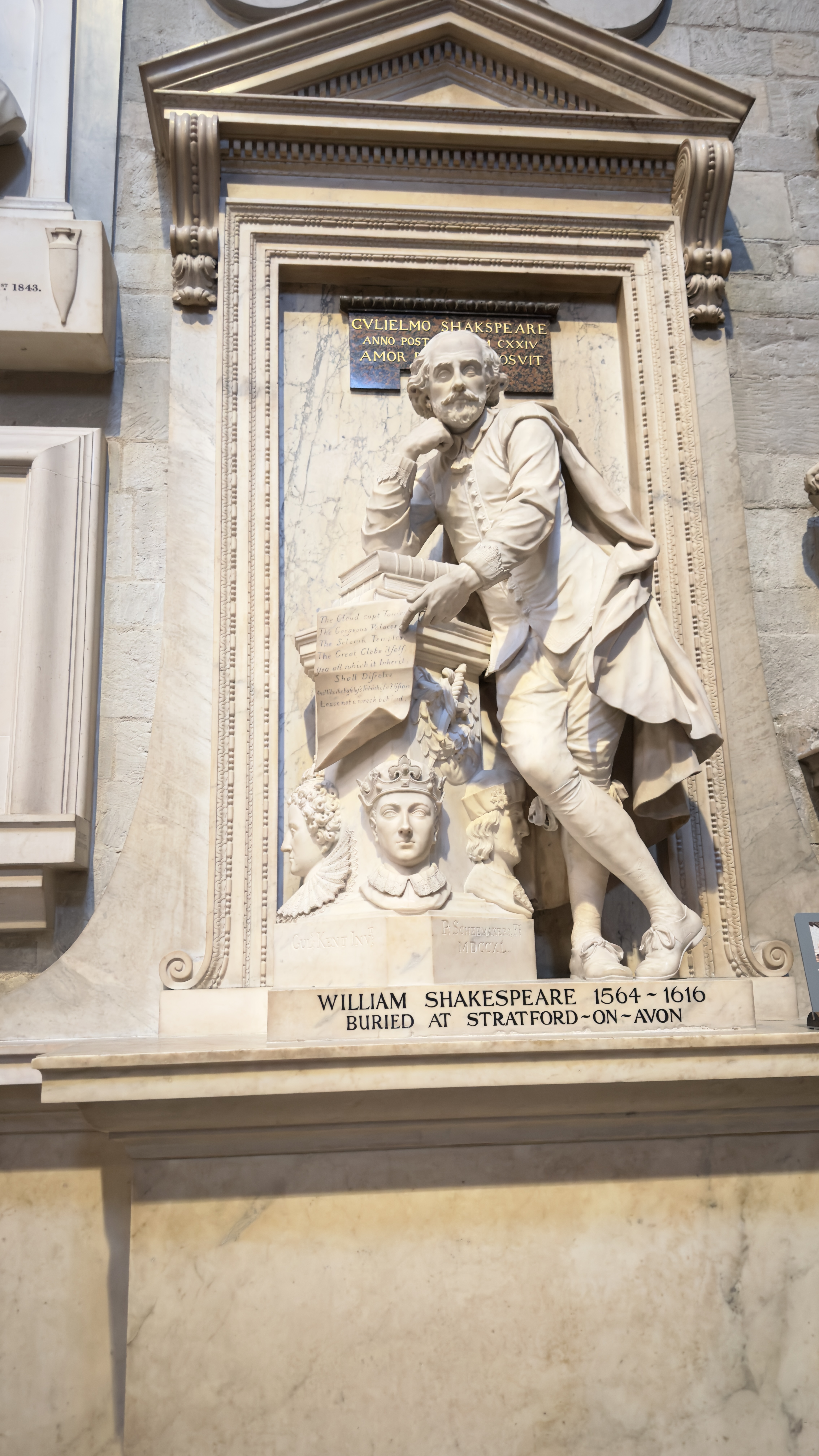
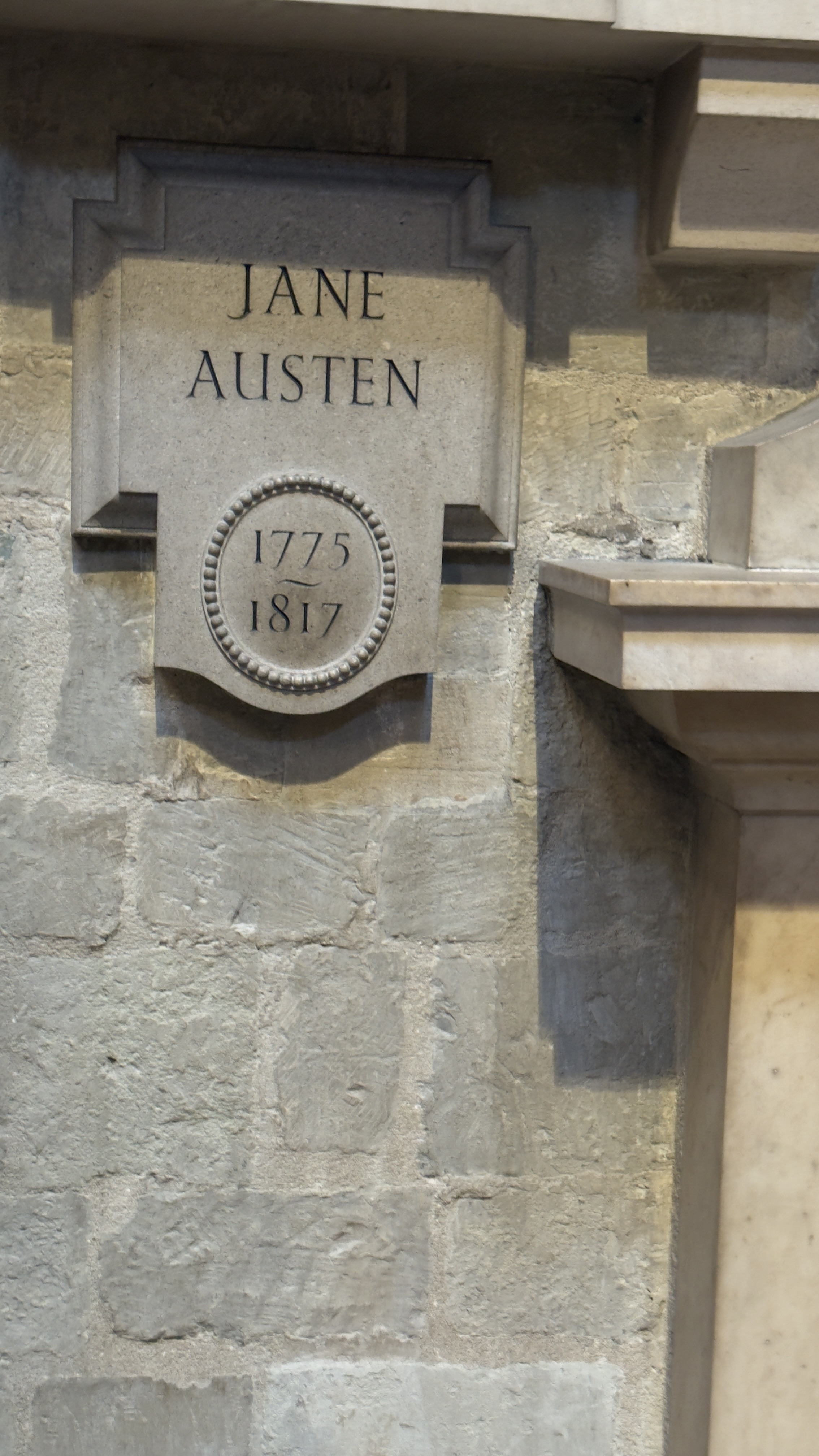
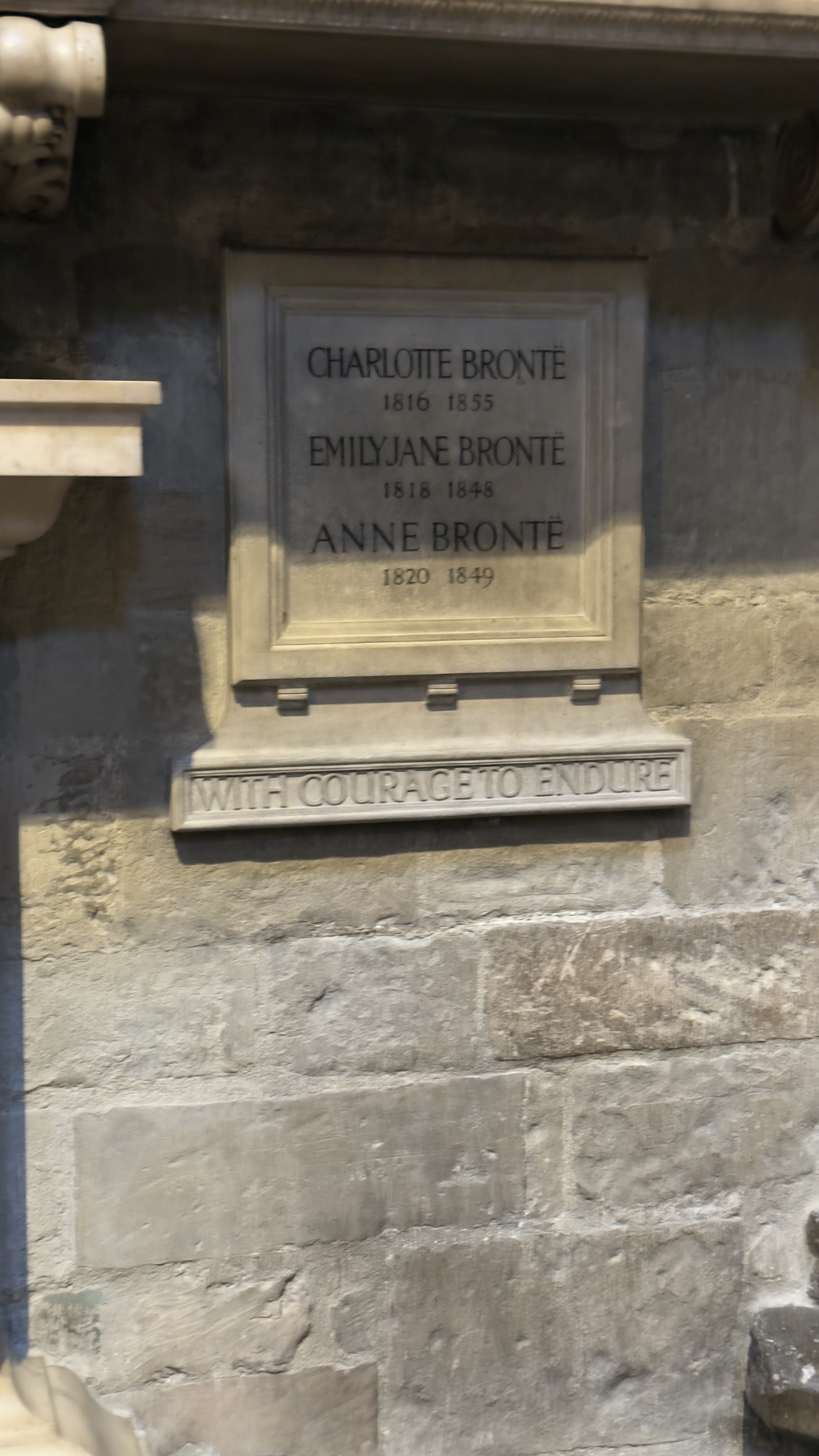
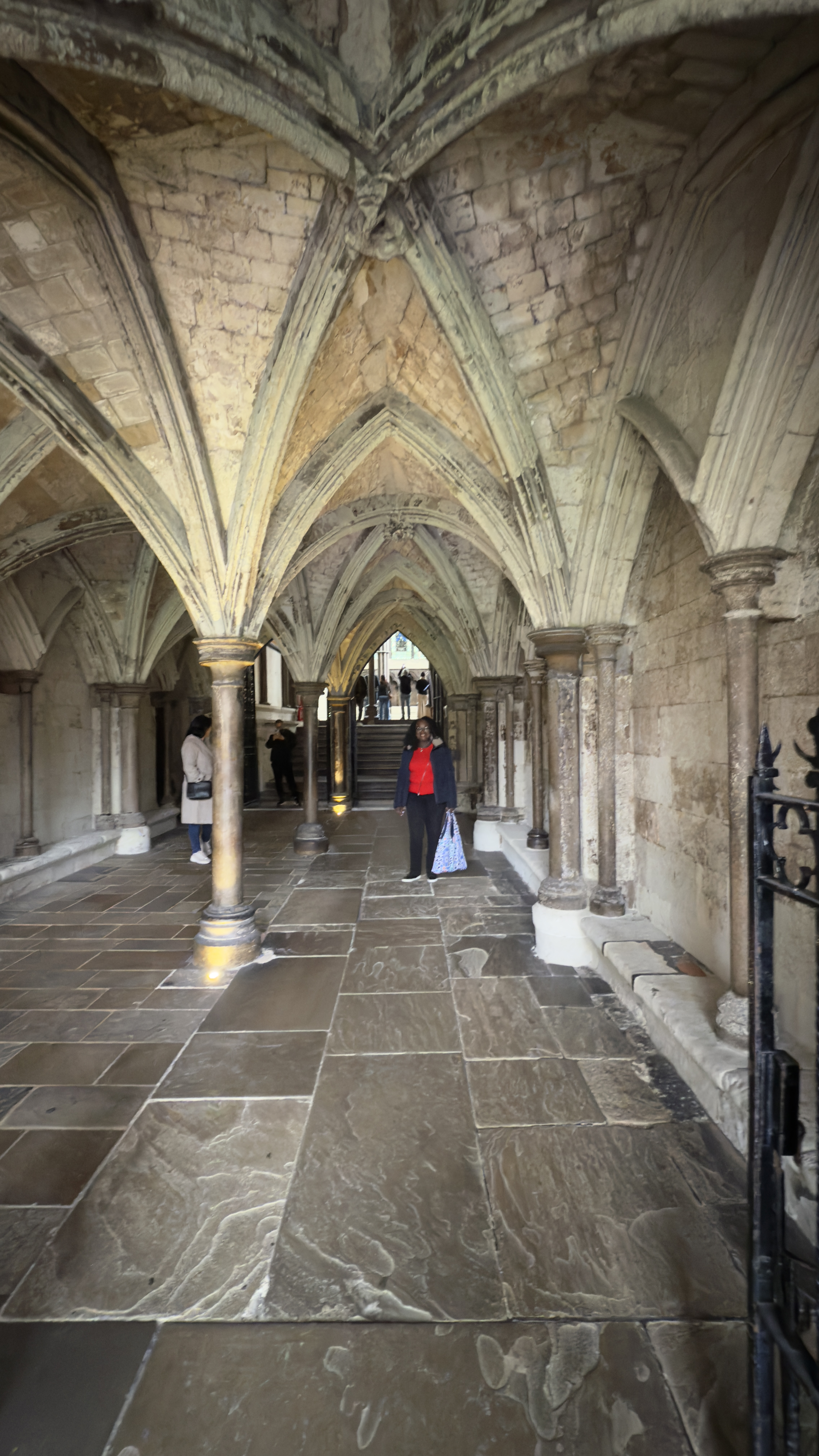
At Westminster Abbey, the silence speaks volumes. Beneath those stone floors rest monarchs and poets — the heartbeat of Britain’s story.
We paused before the Tomb of the Unknown Soldier, the one grave upon which no foot may tread.
📸 Westminster Abbey nave bathed in soft light.
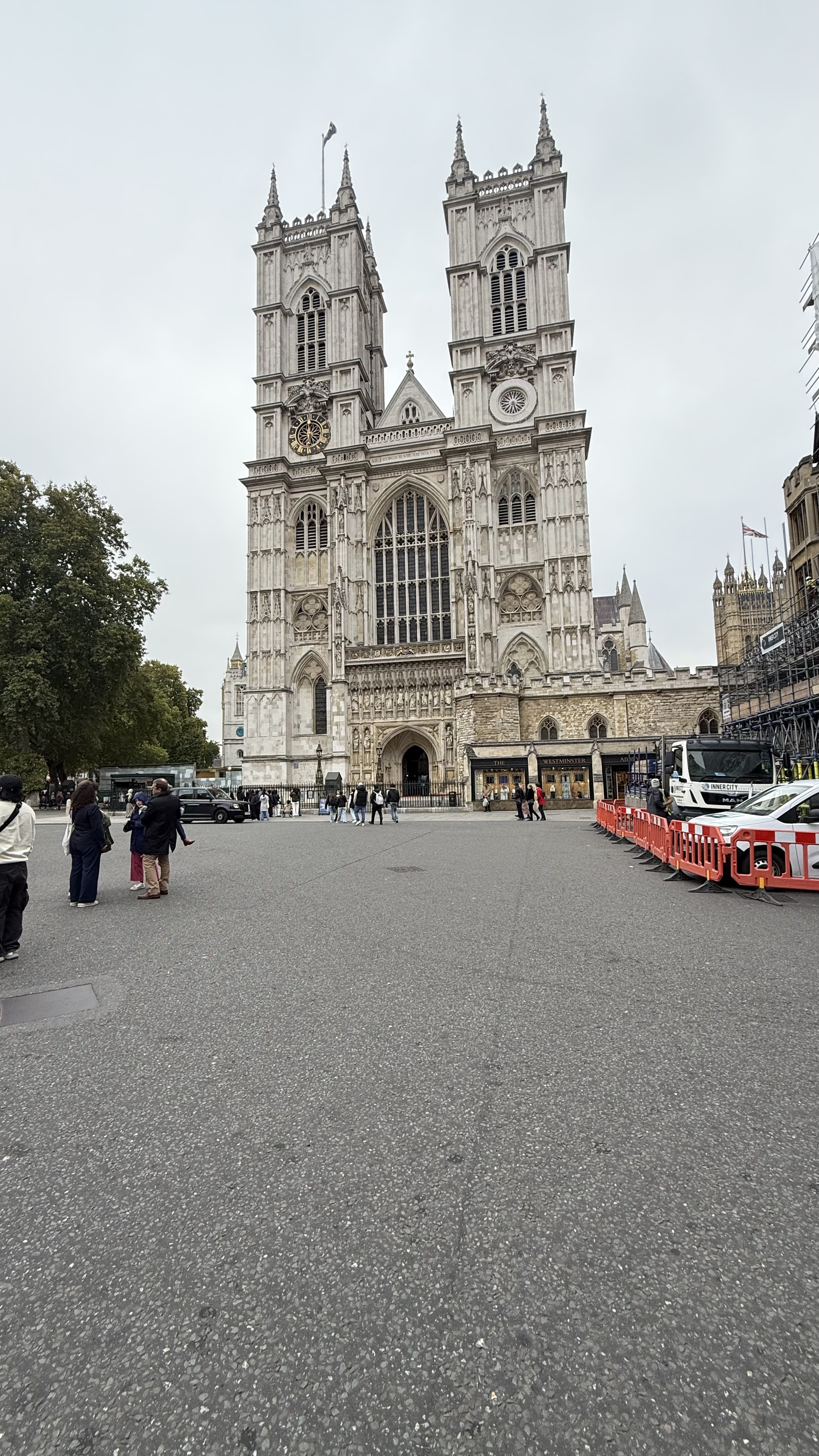

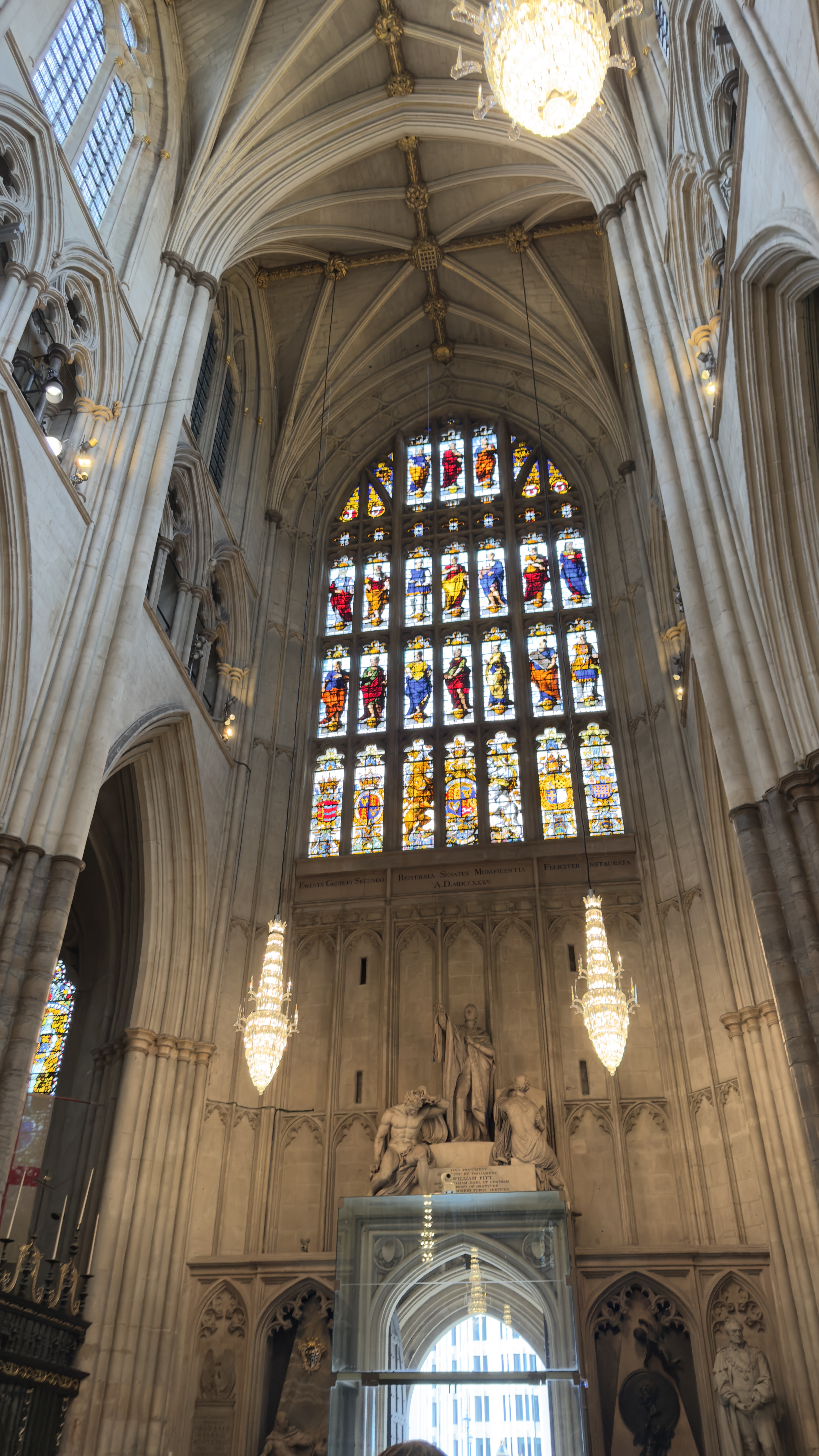
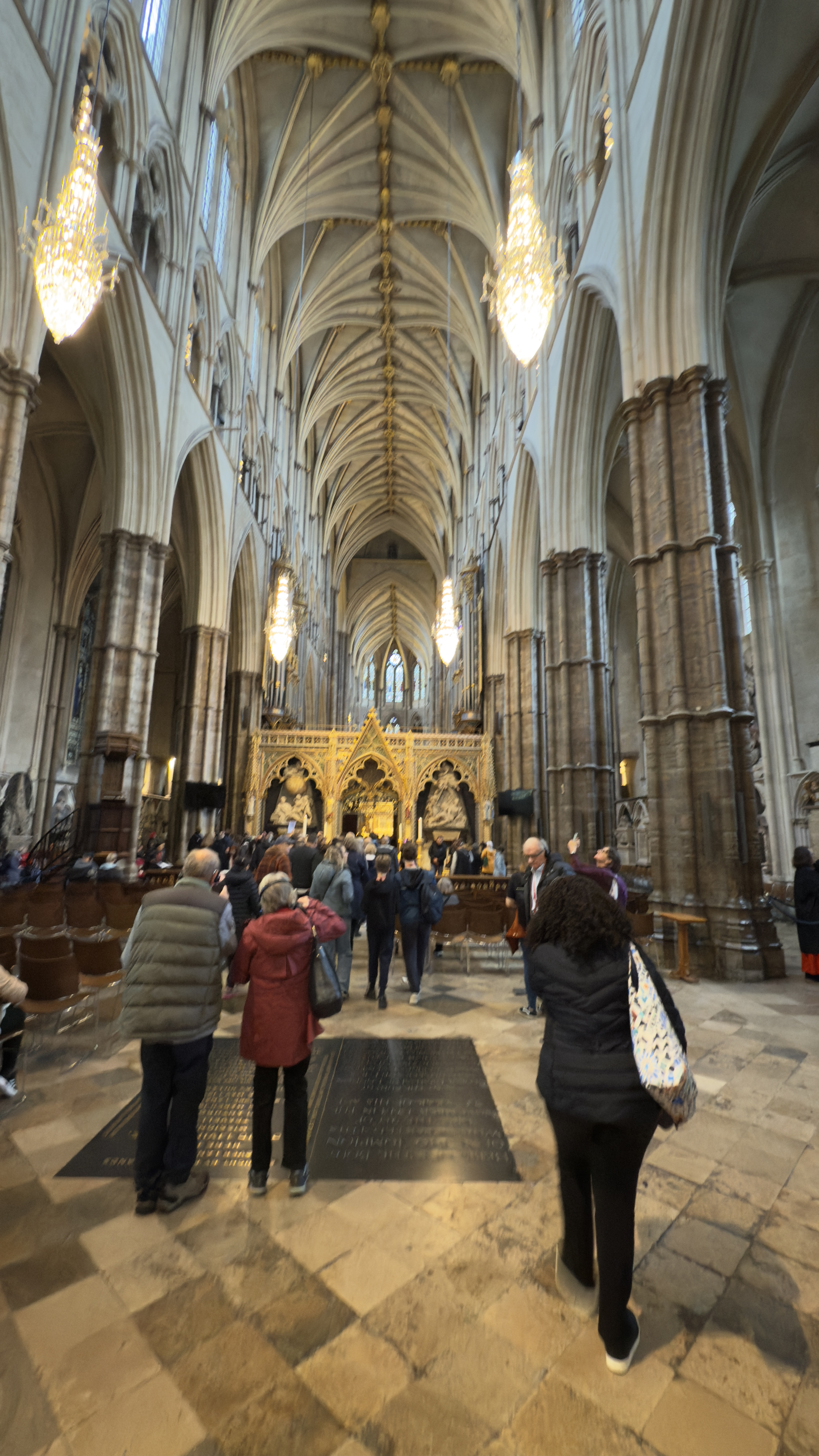
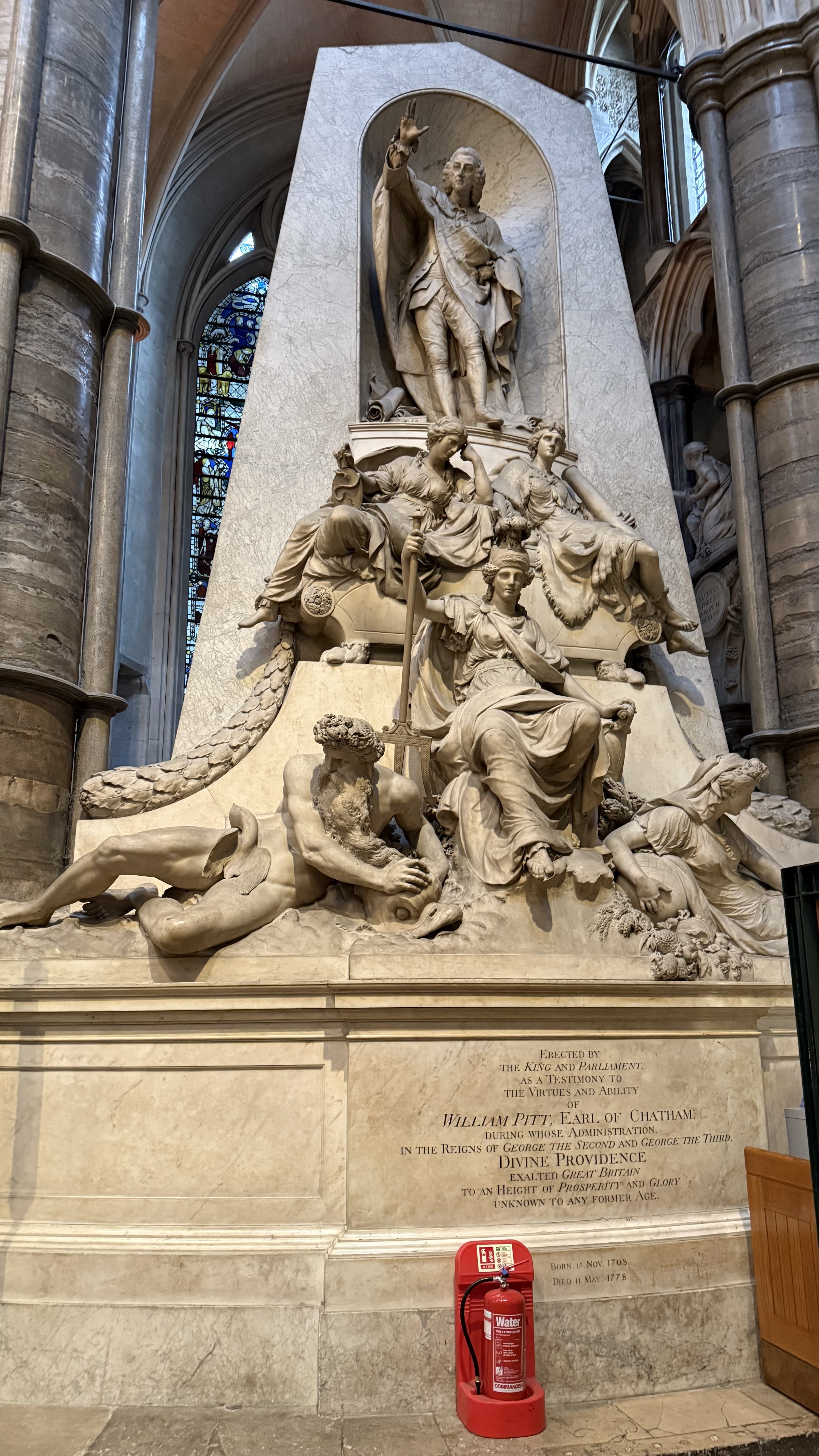
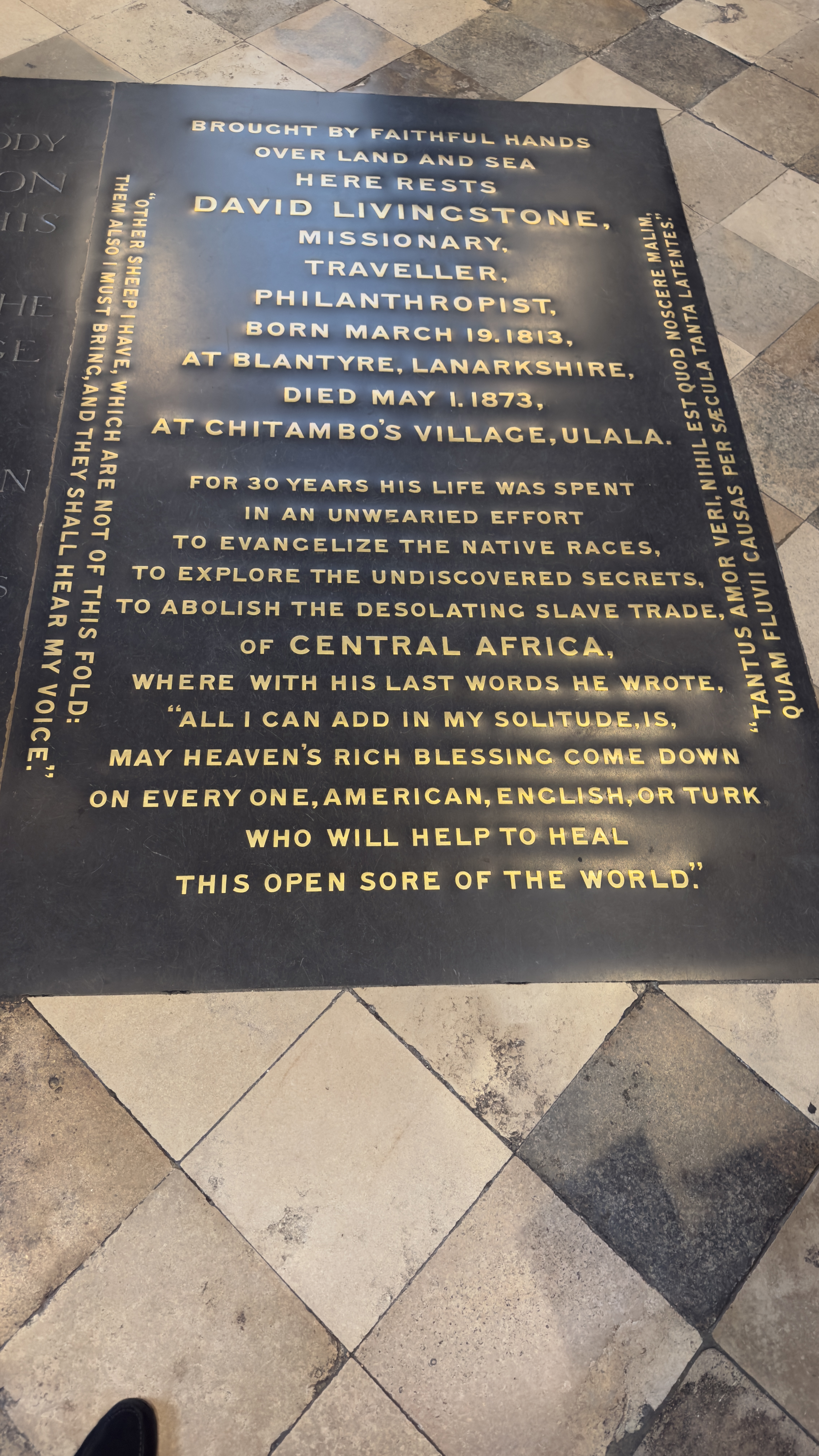
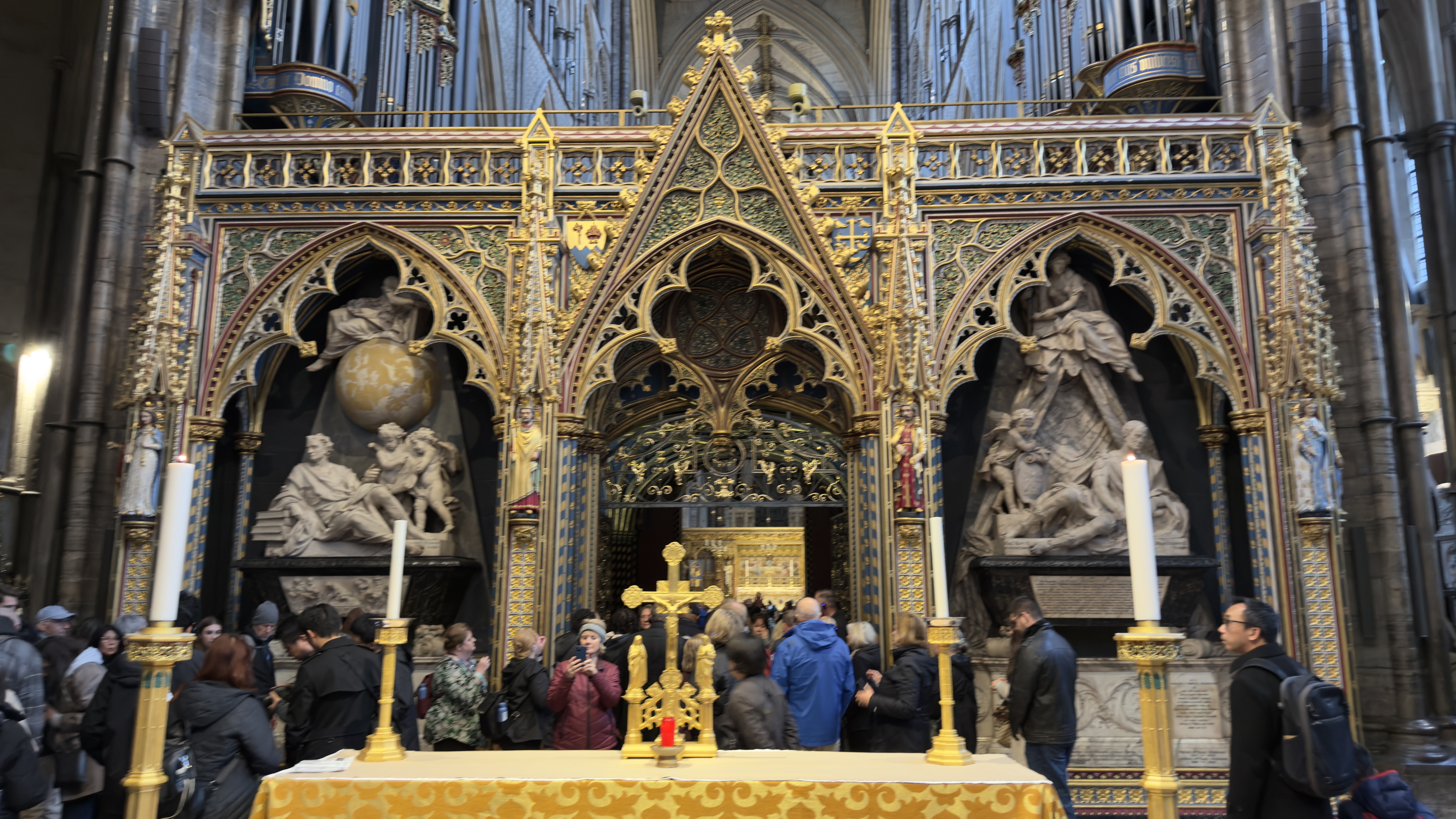
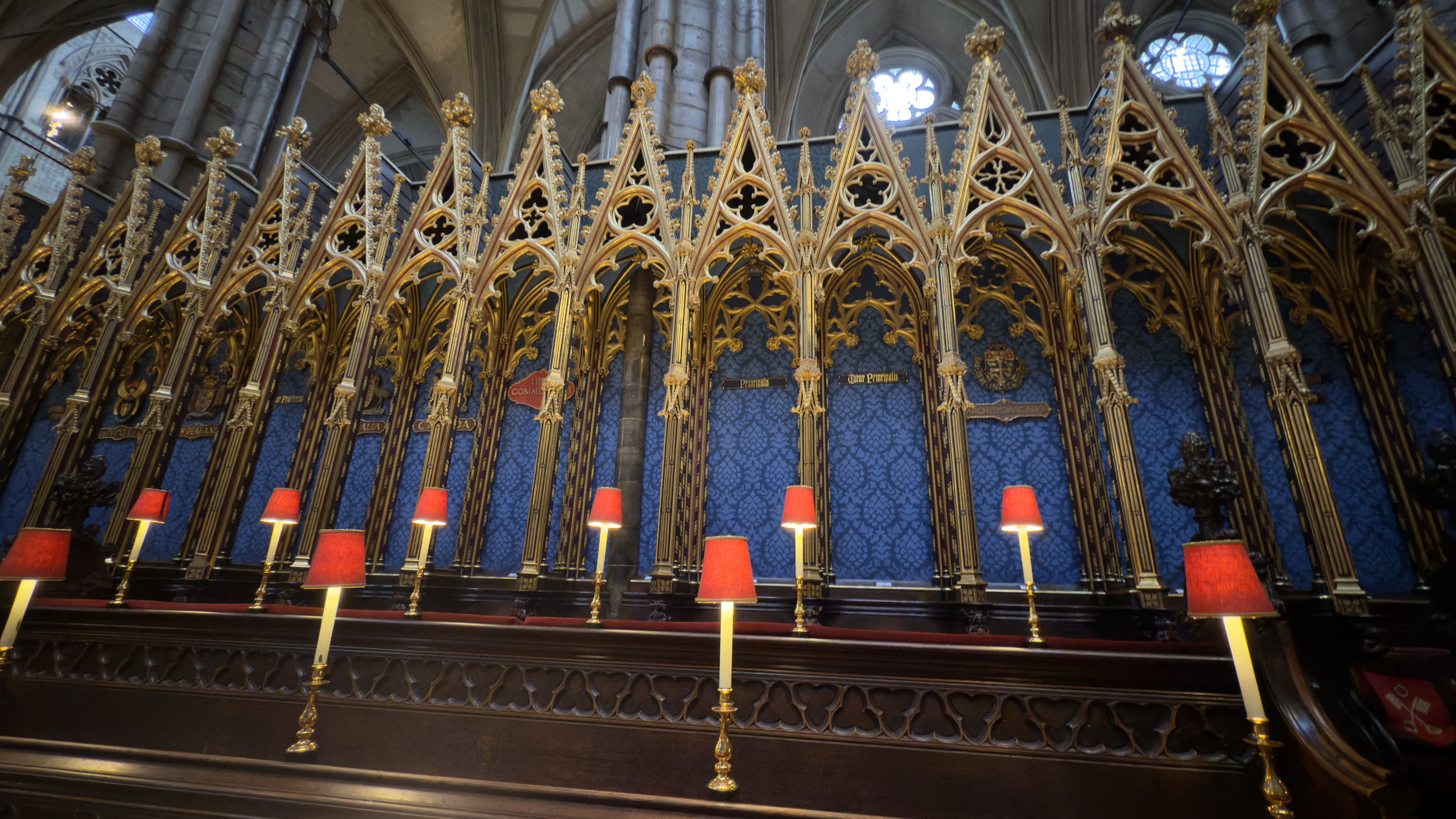
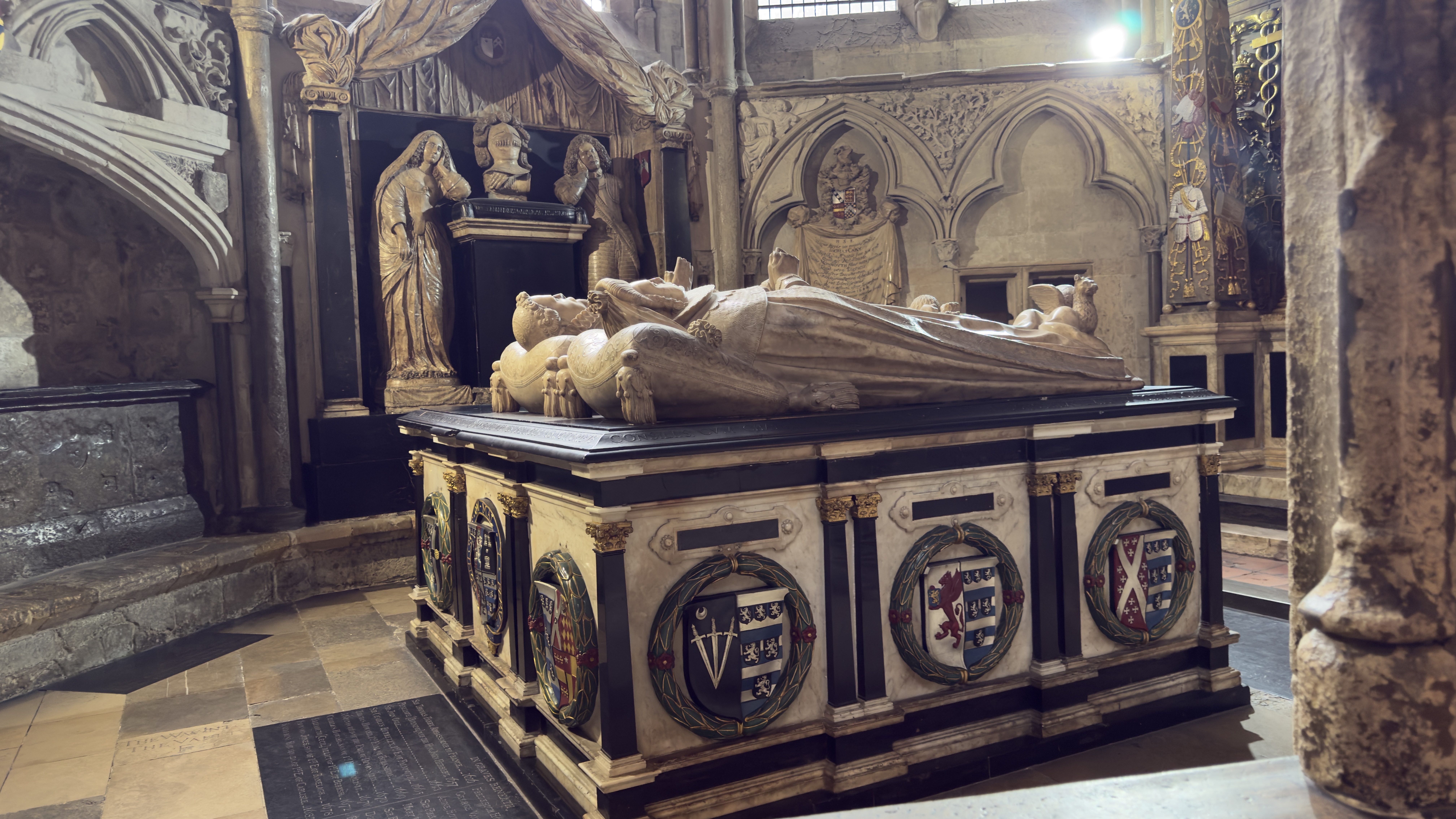
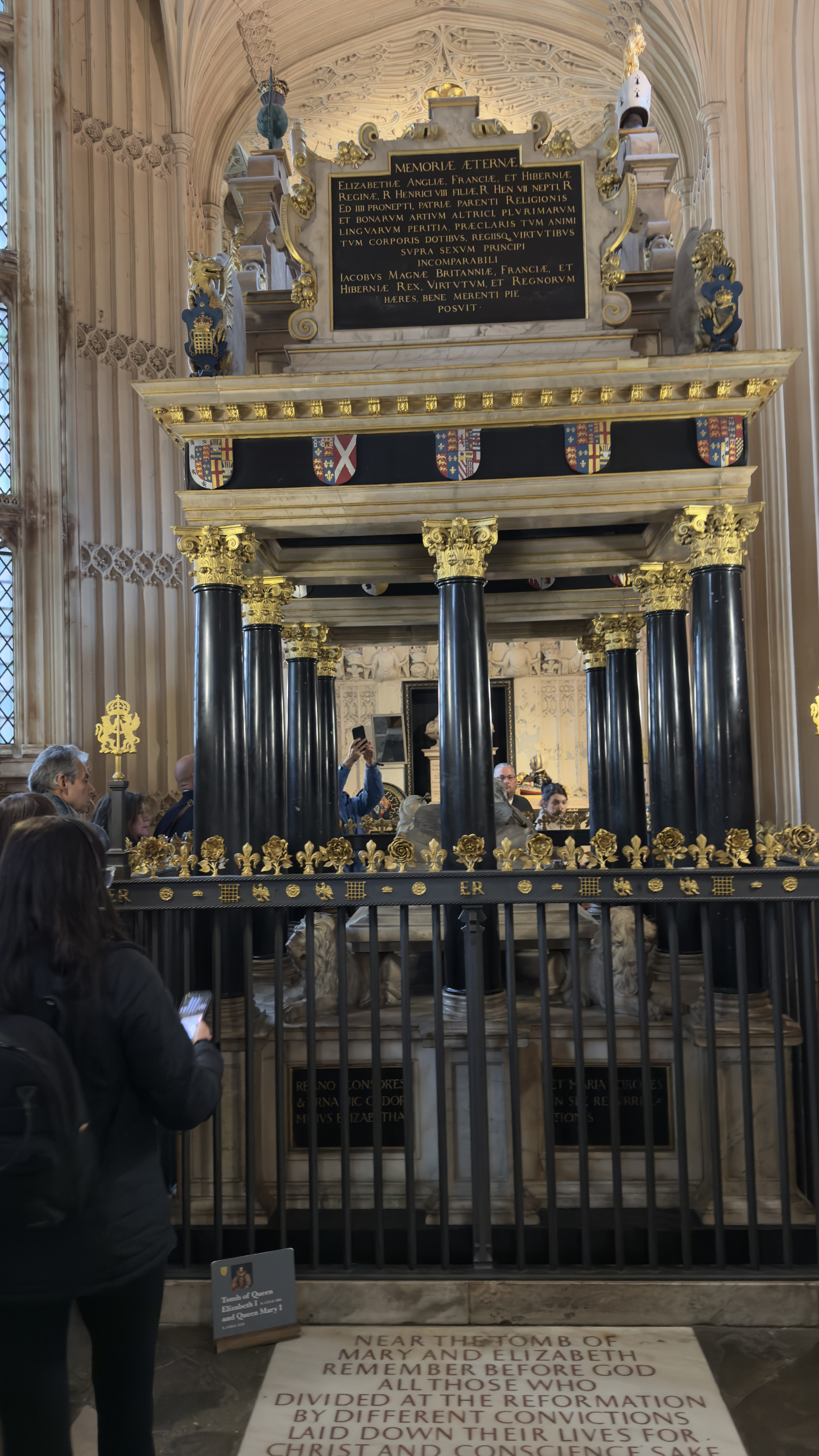
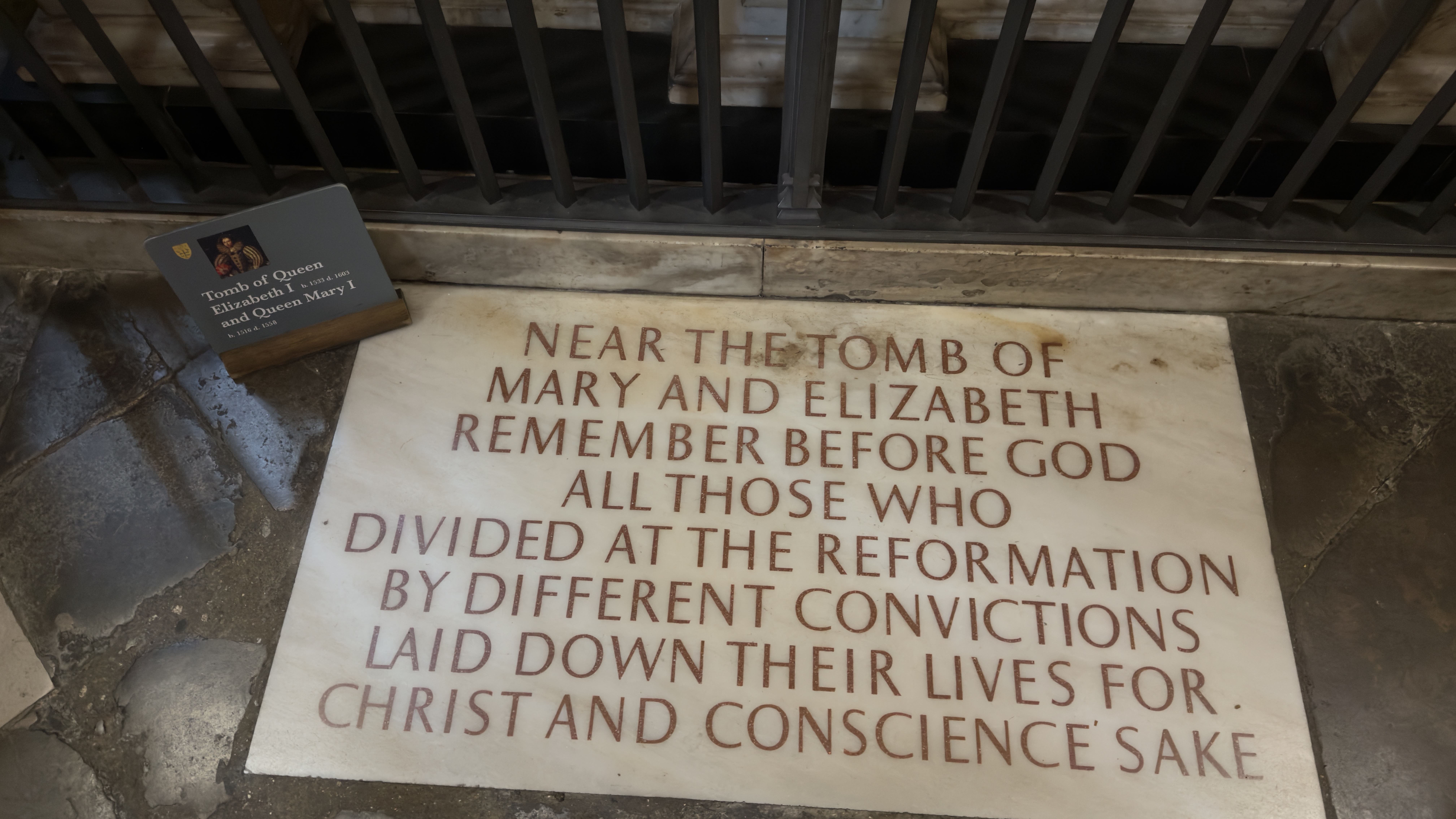
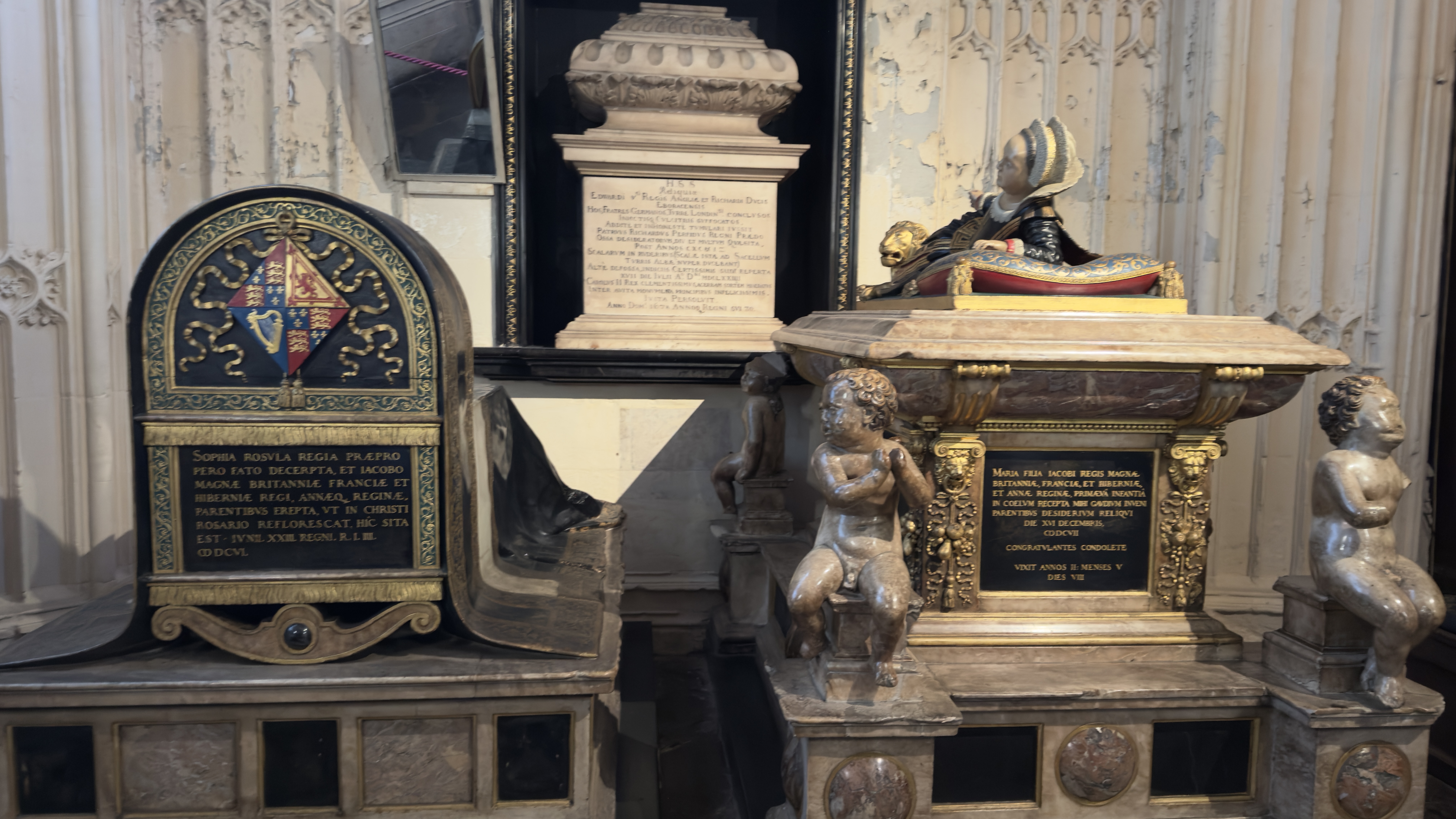
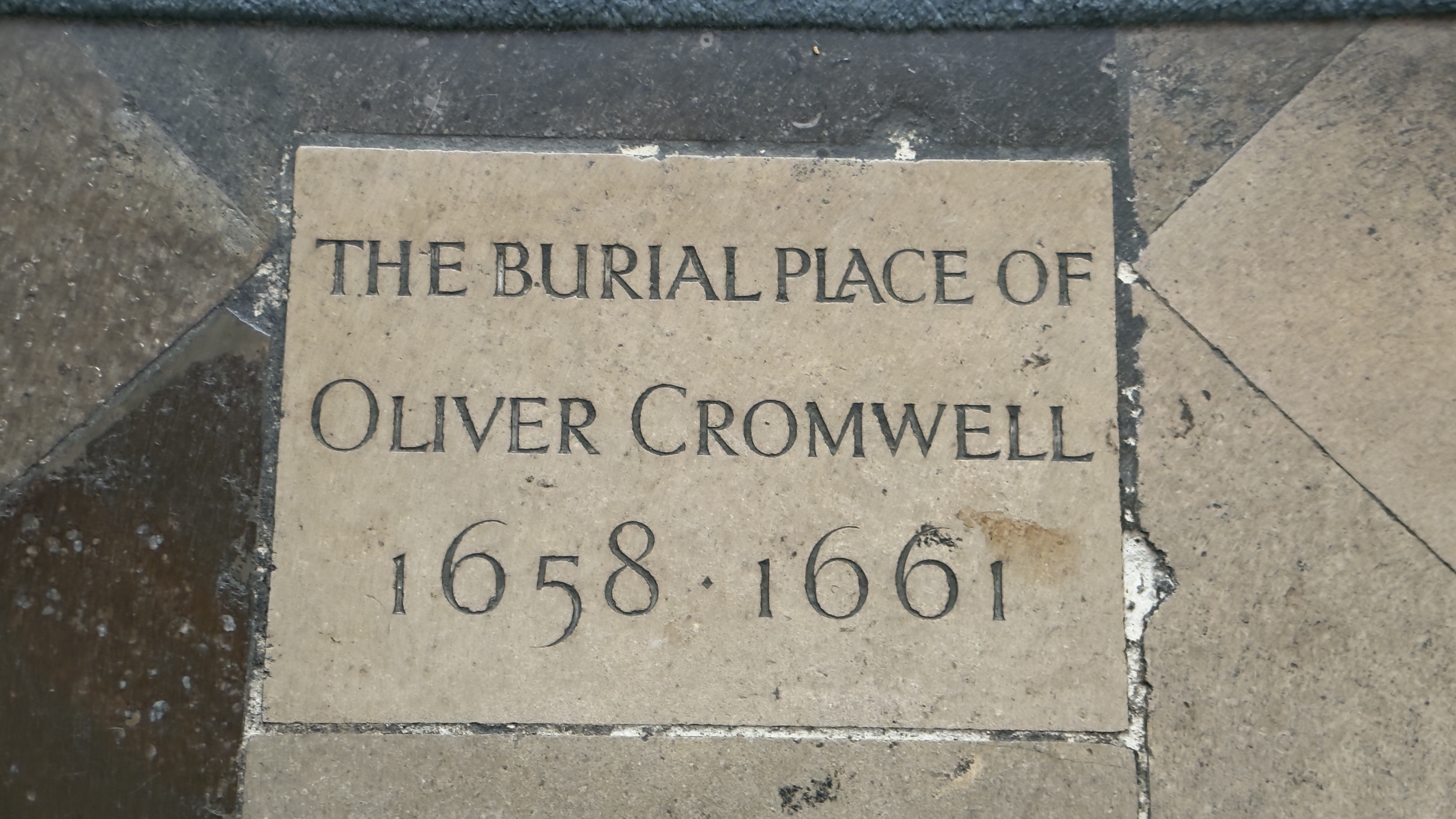
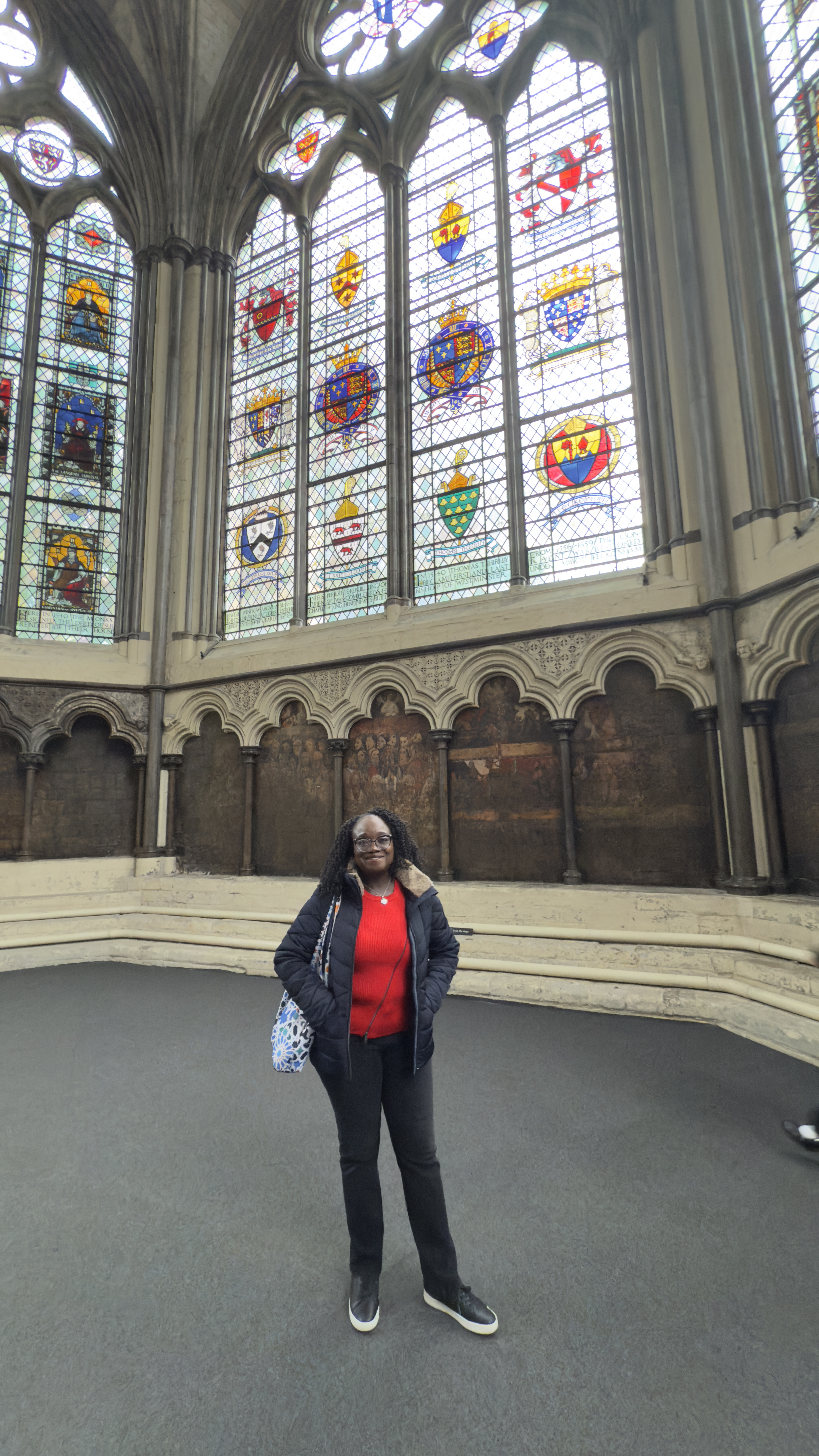
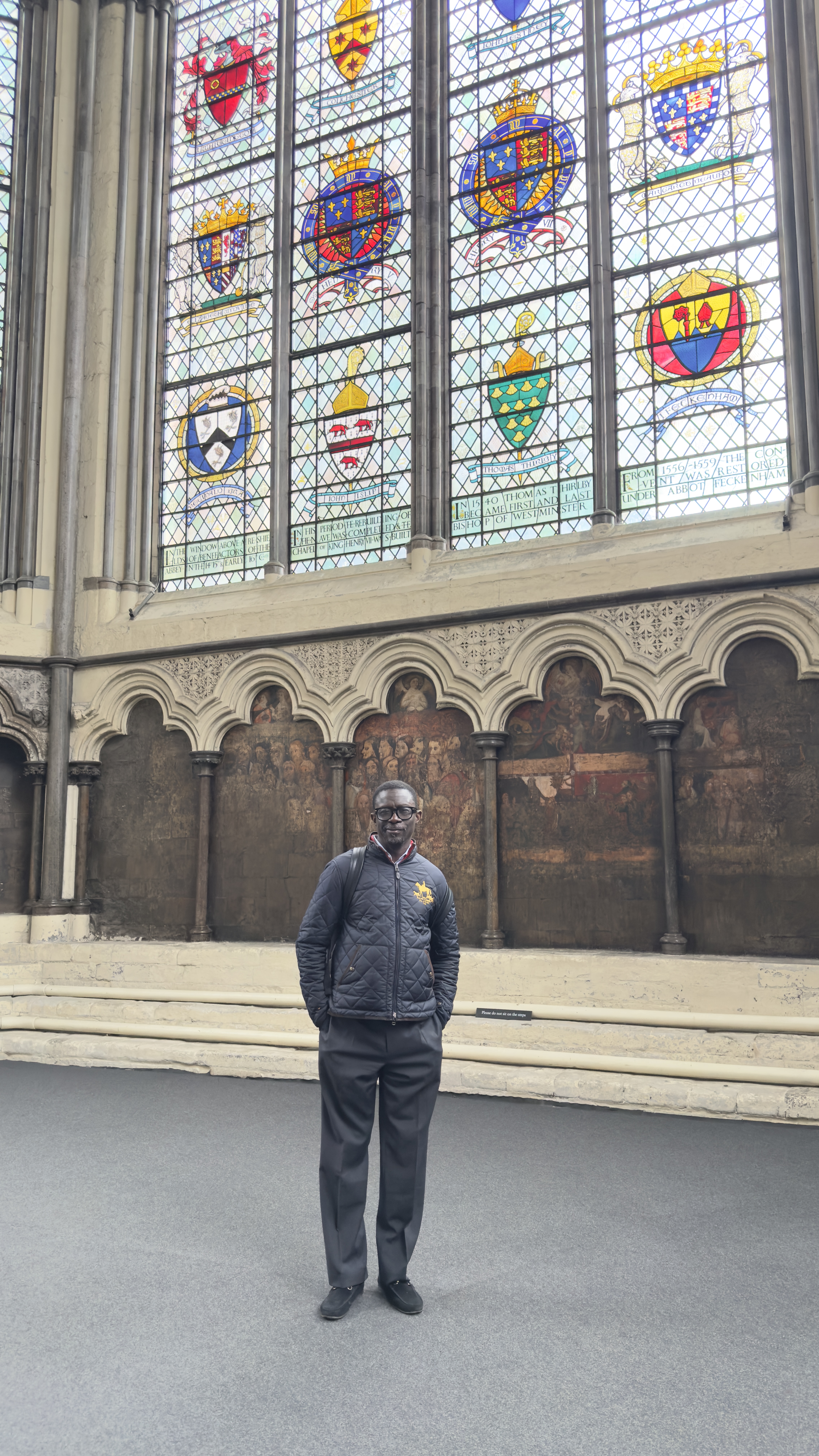
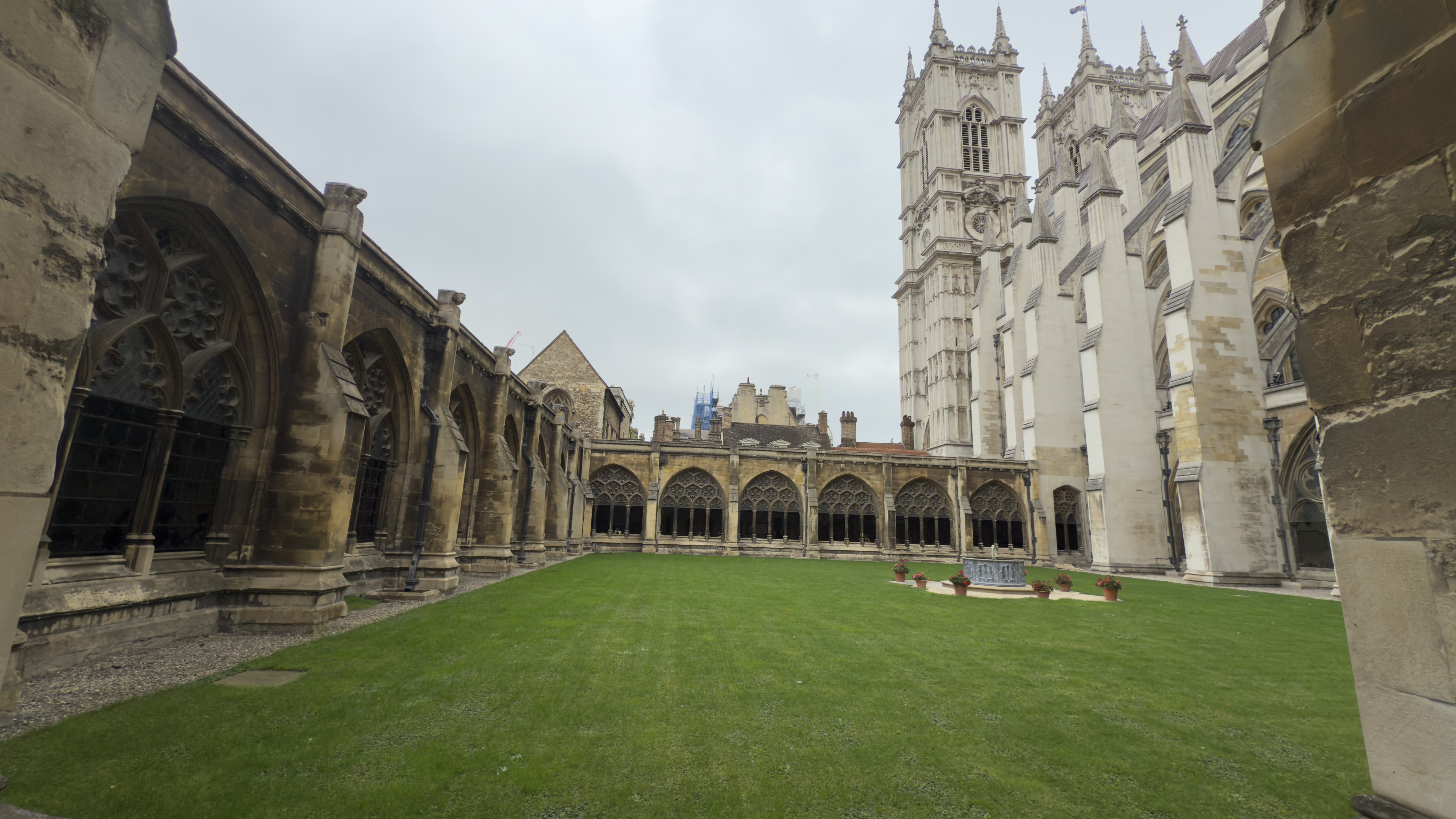
The resting place of Mary, Queen of Scots, was particularly striking — a triple-layered tomb symbolizing her claims to three crowns (Scotland, England, France). Irony lives in stone there: she was executed by her cousin, yet history ultimately gave her the grandeur denied in life.
🏞️ River and Market: A City of Movement
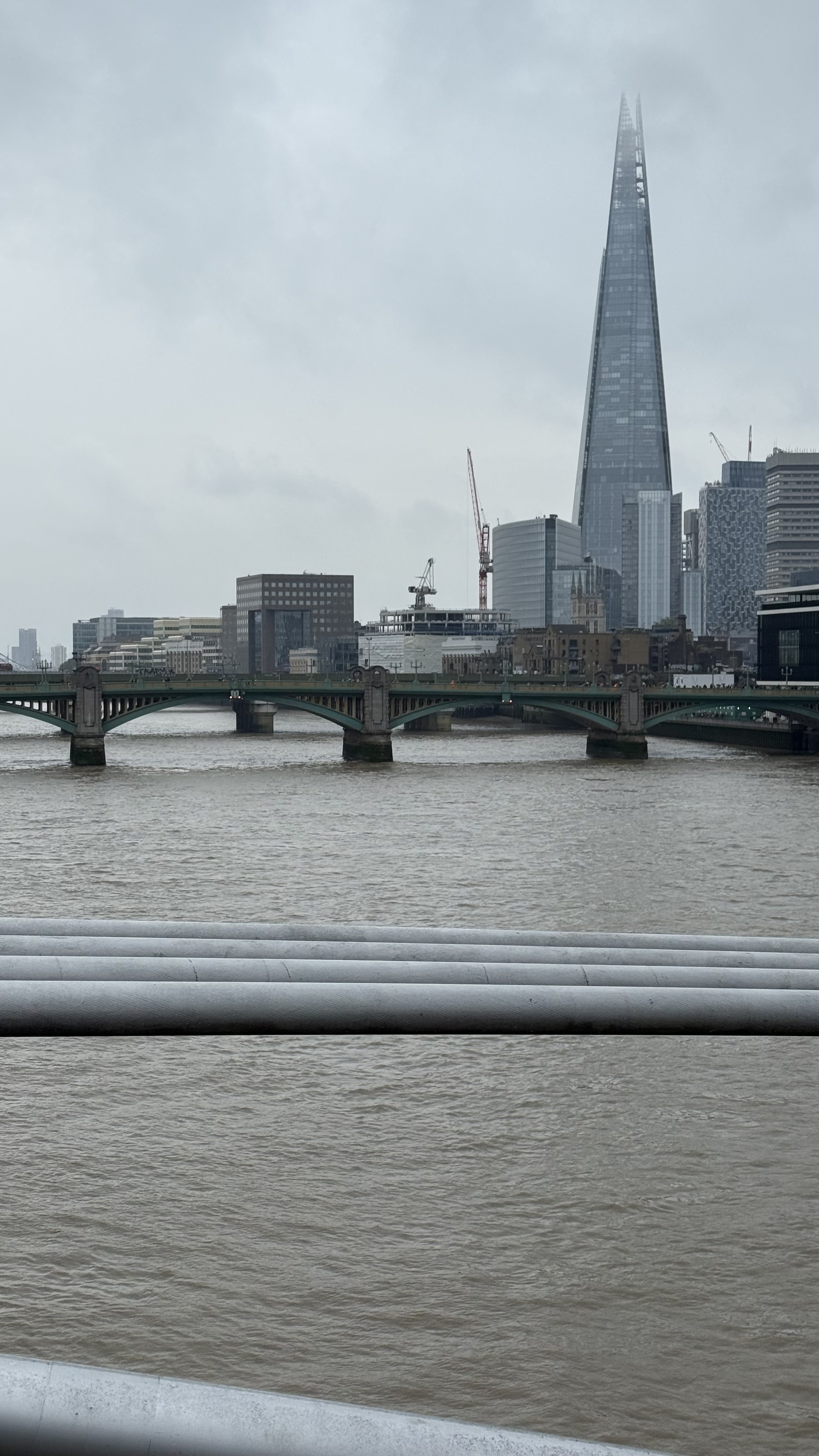
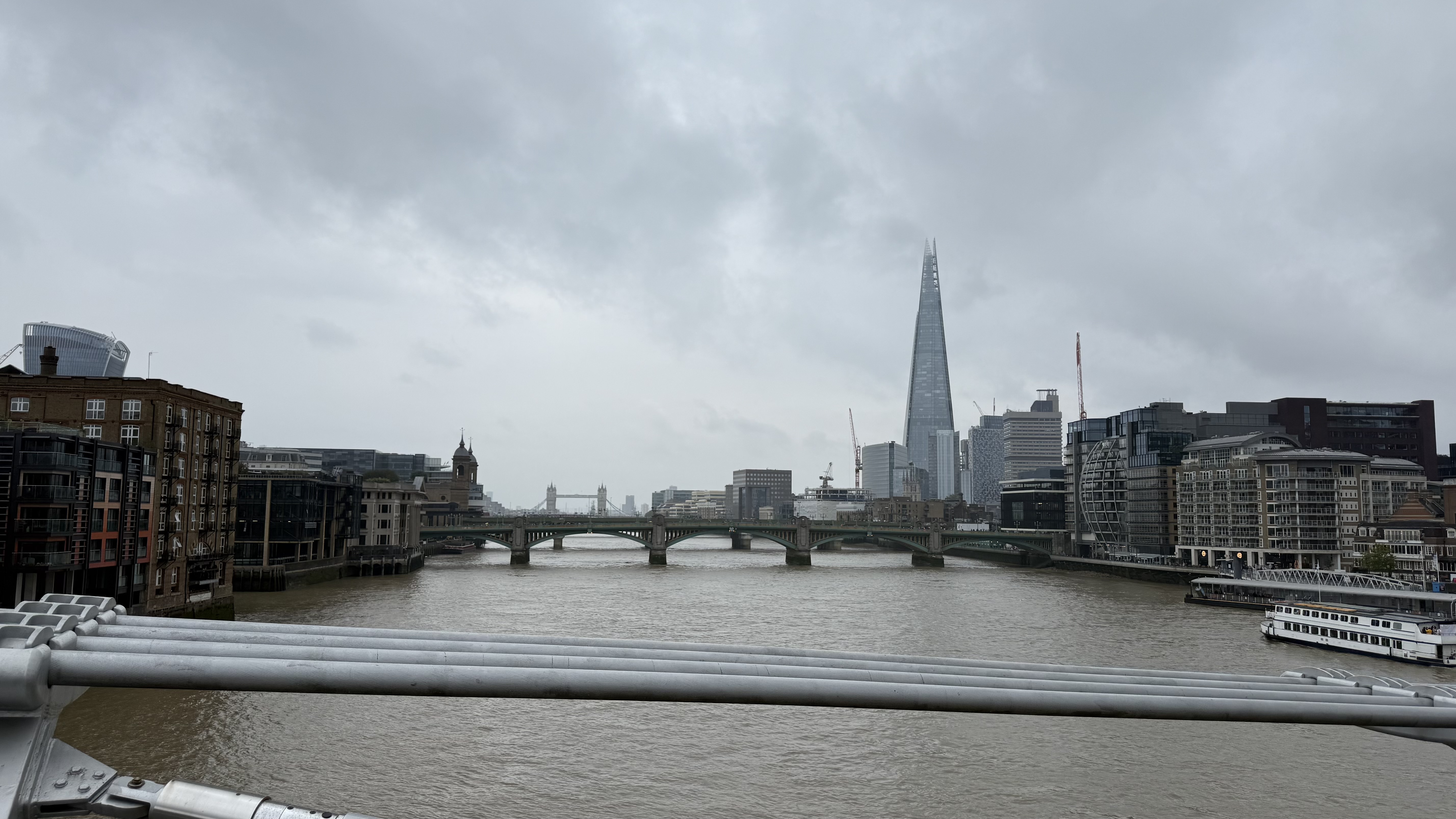
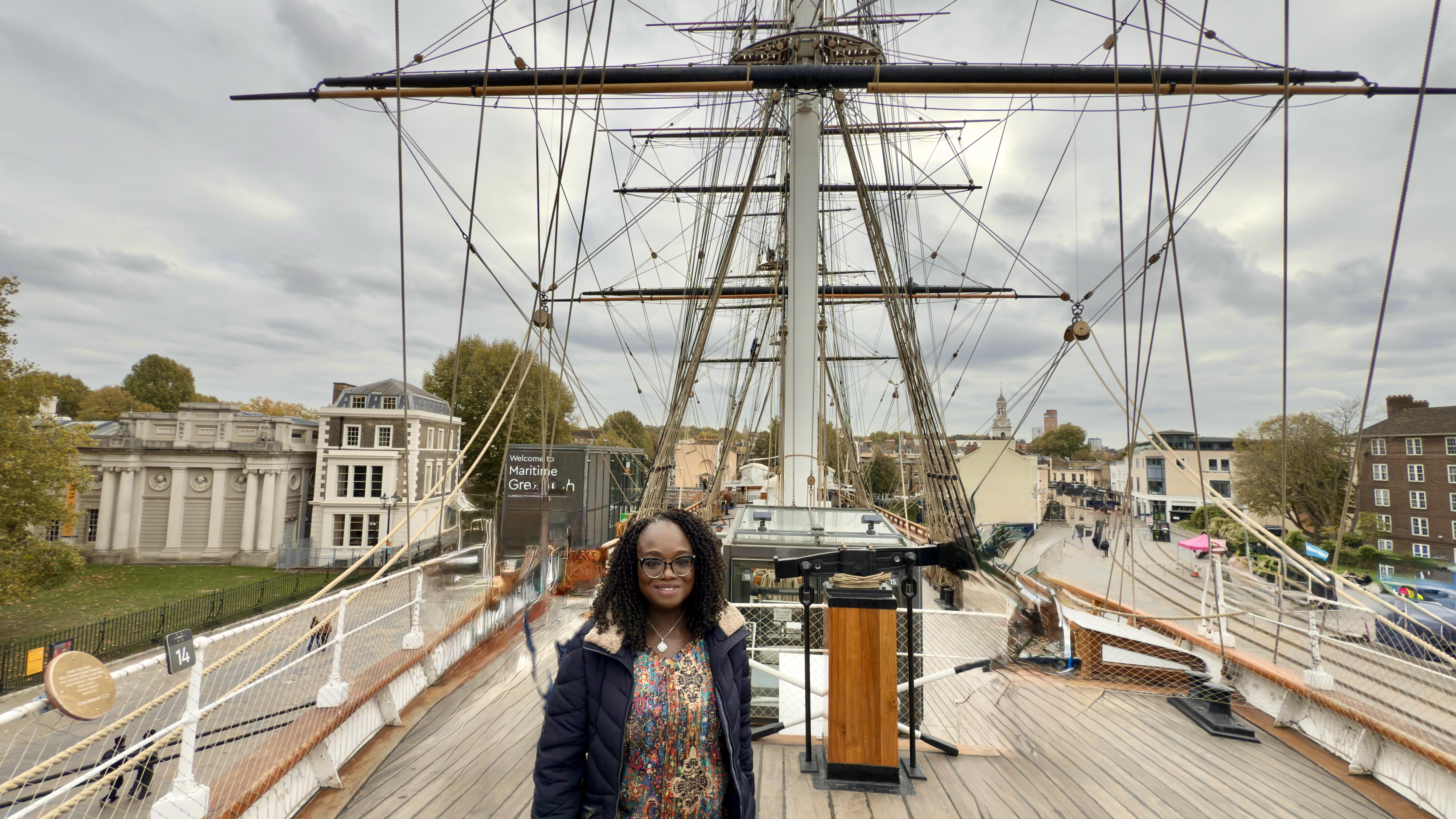
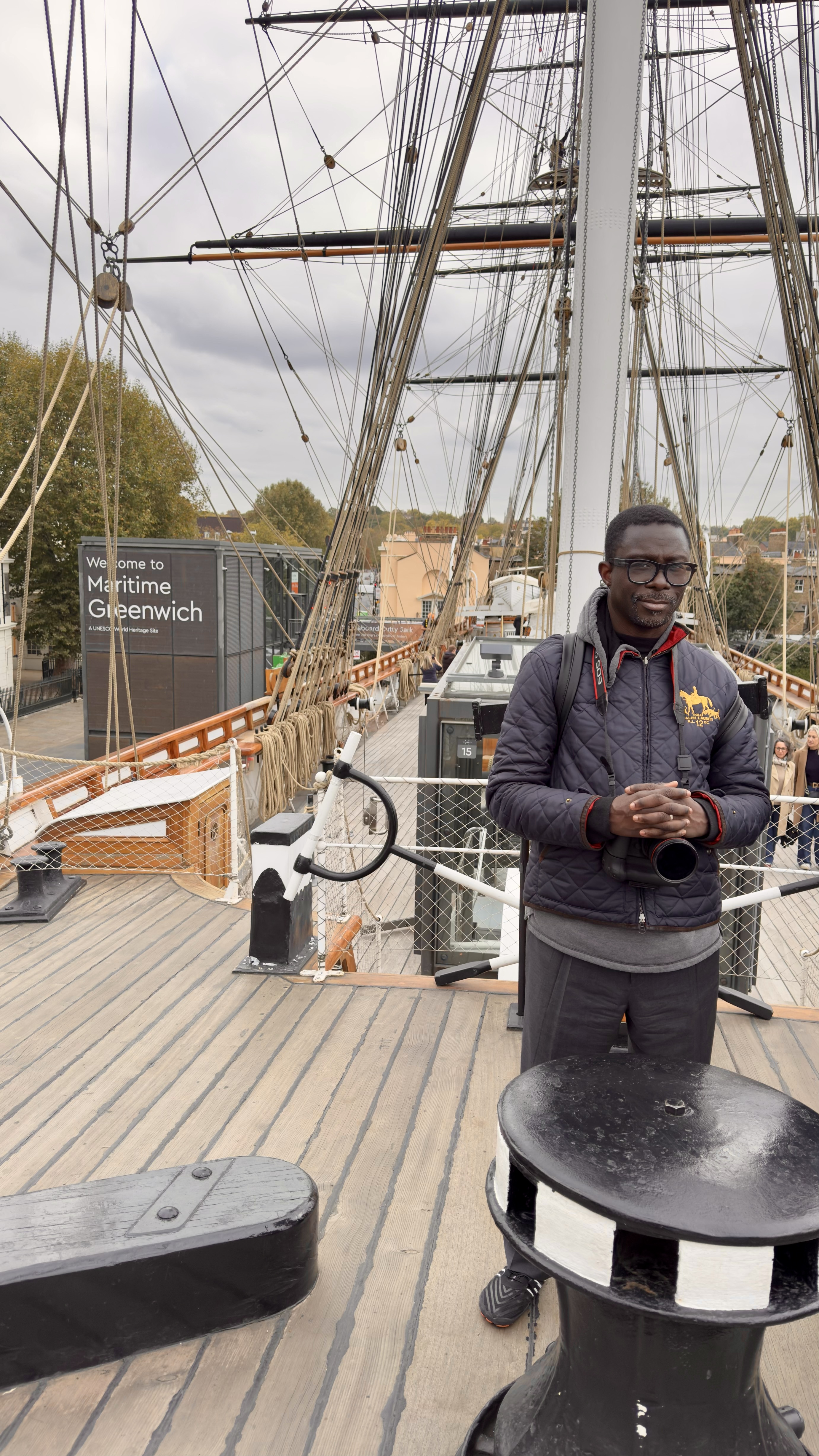
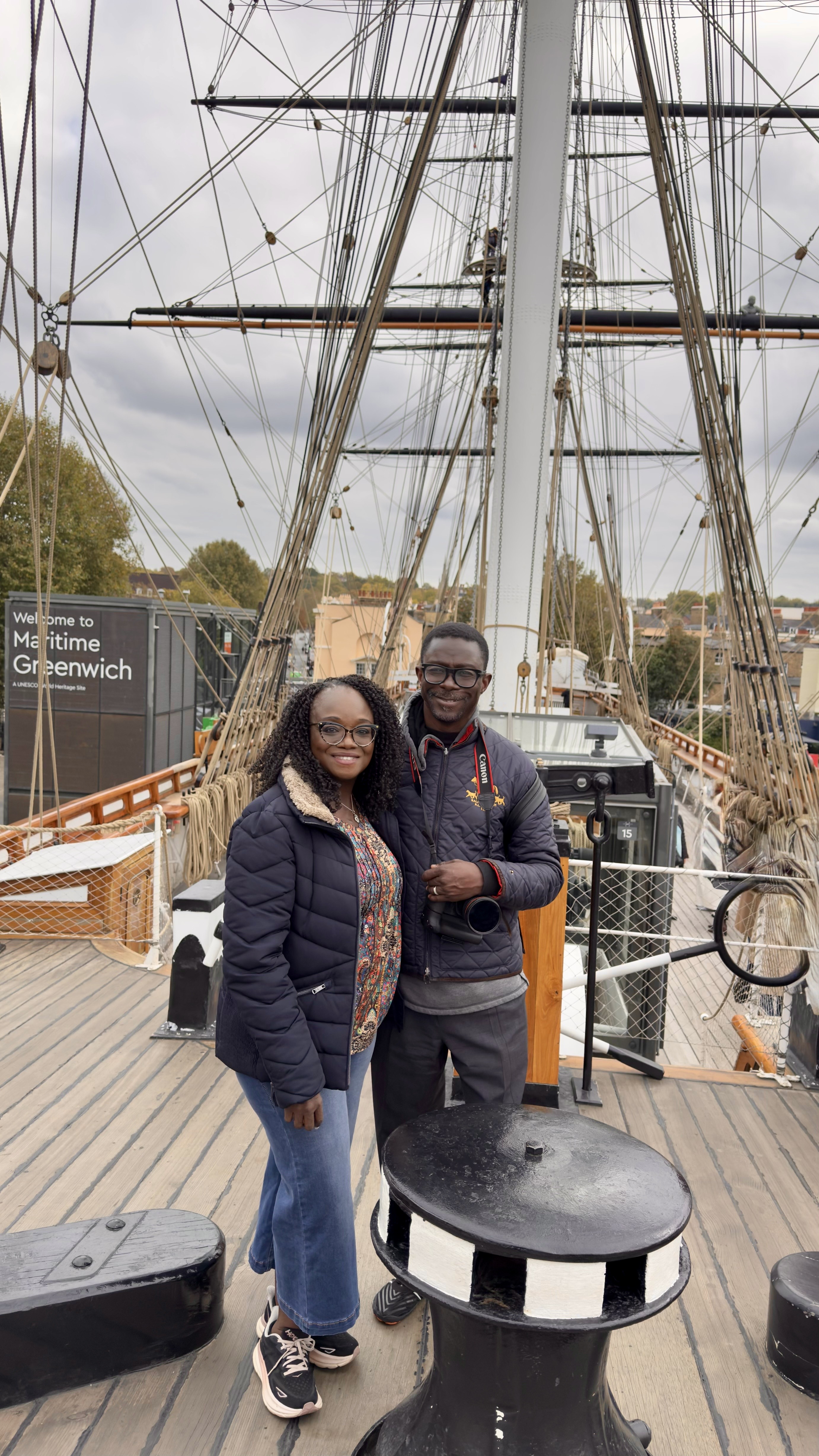
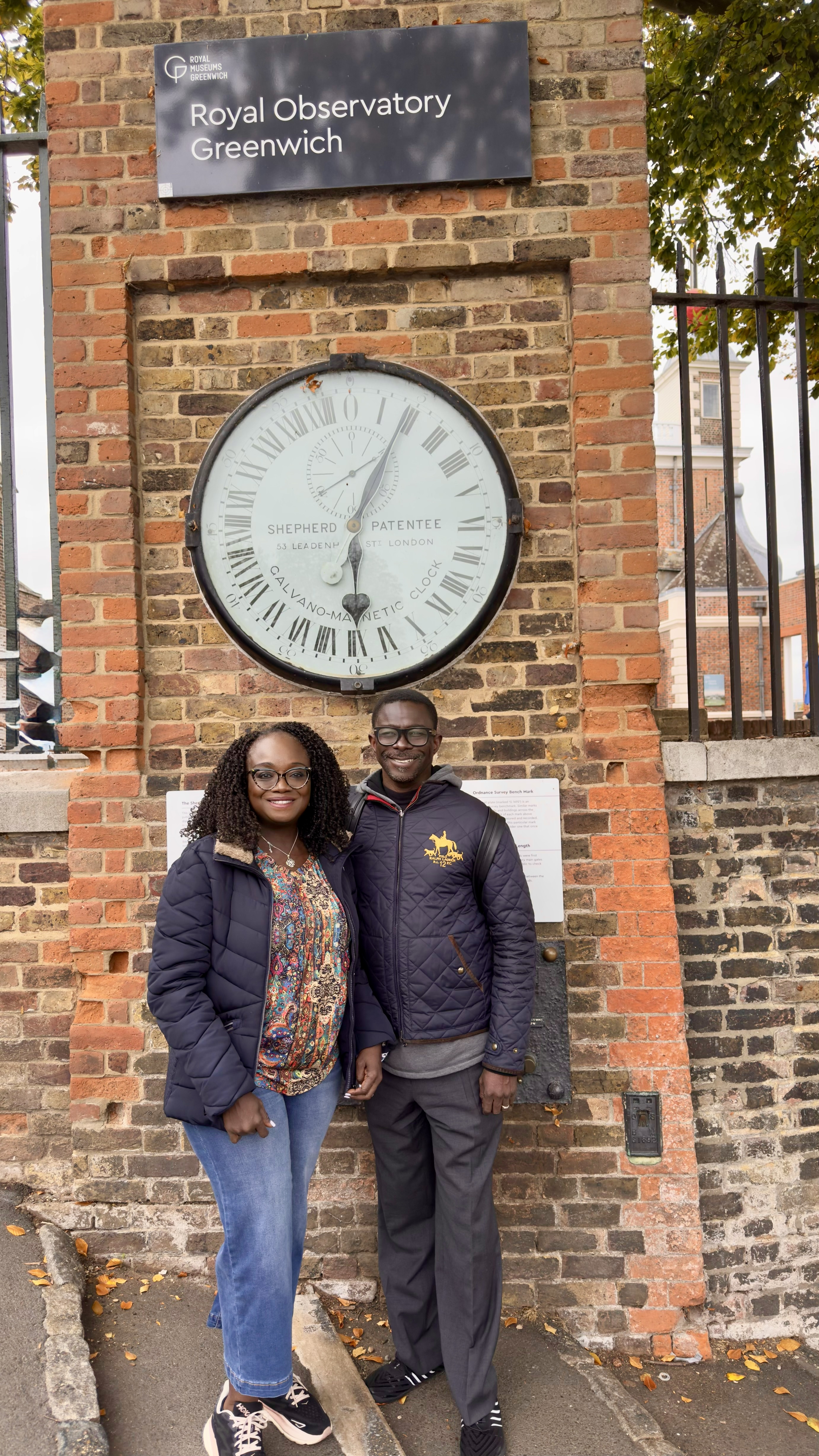
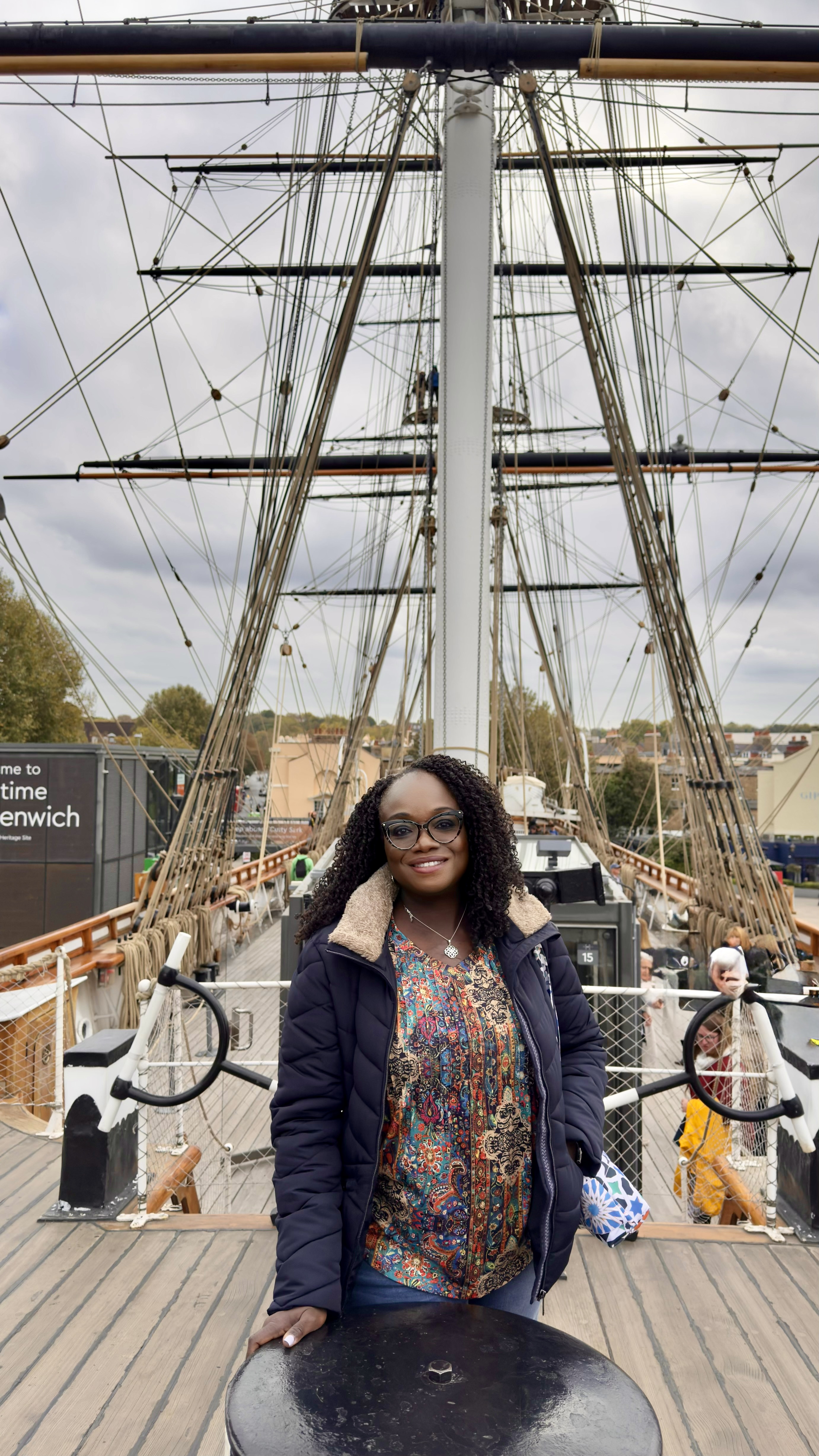
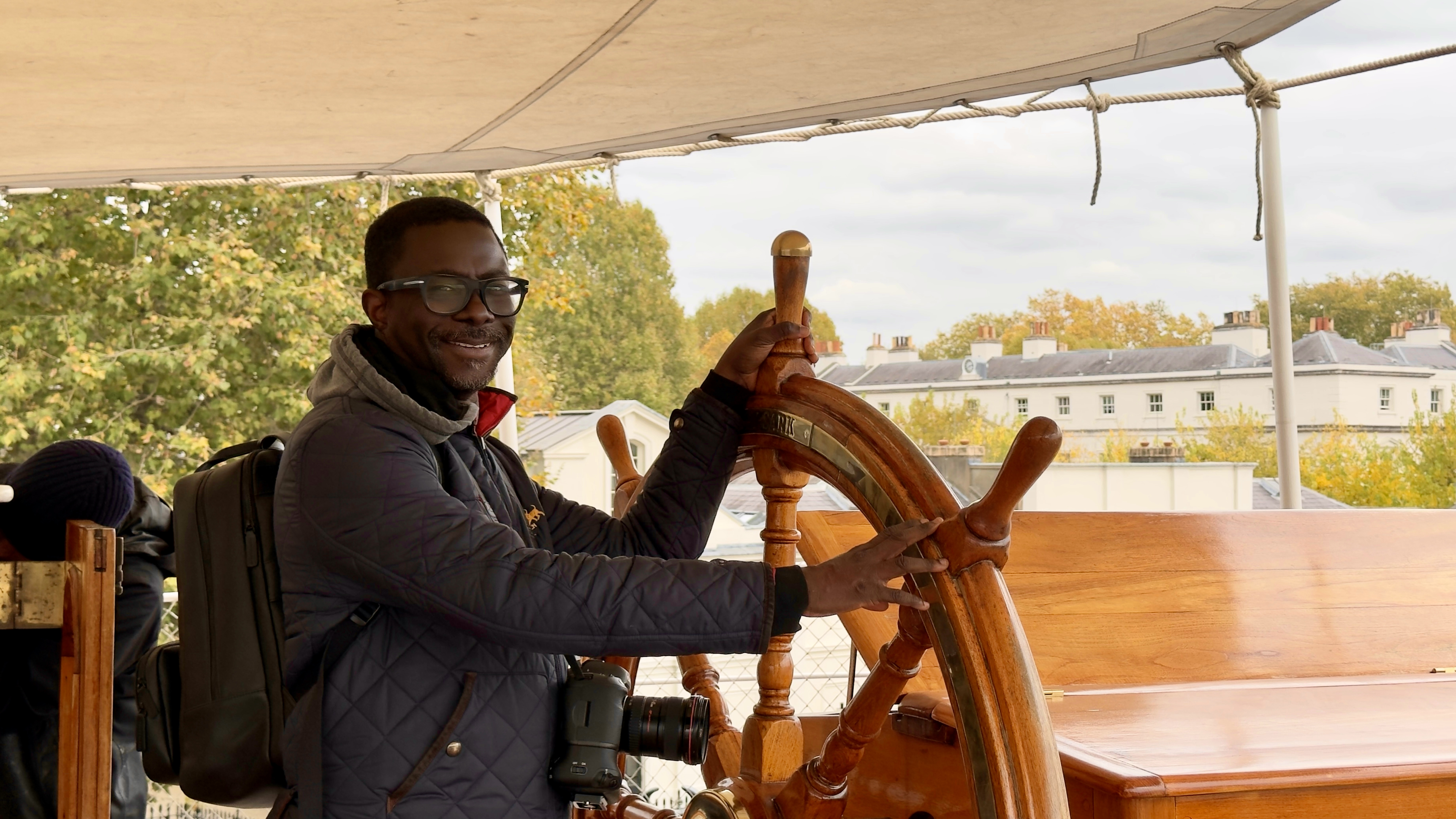
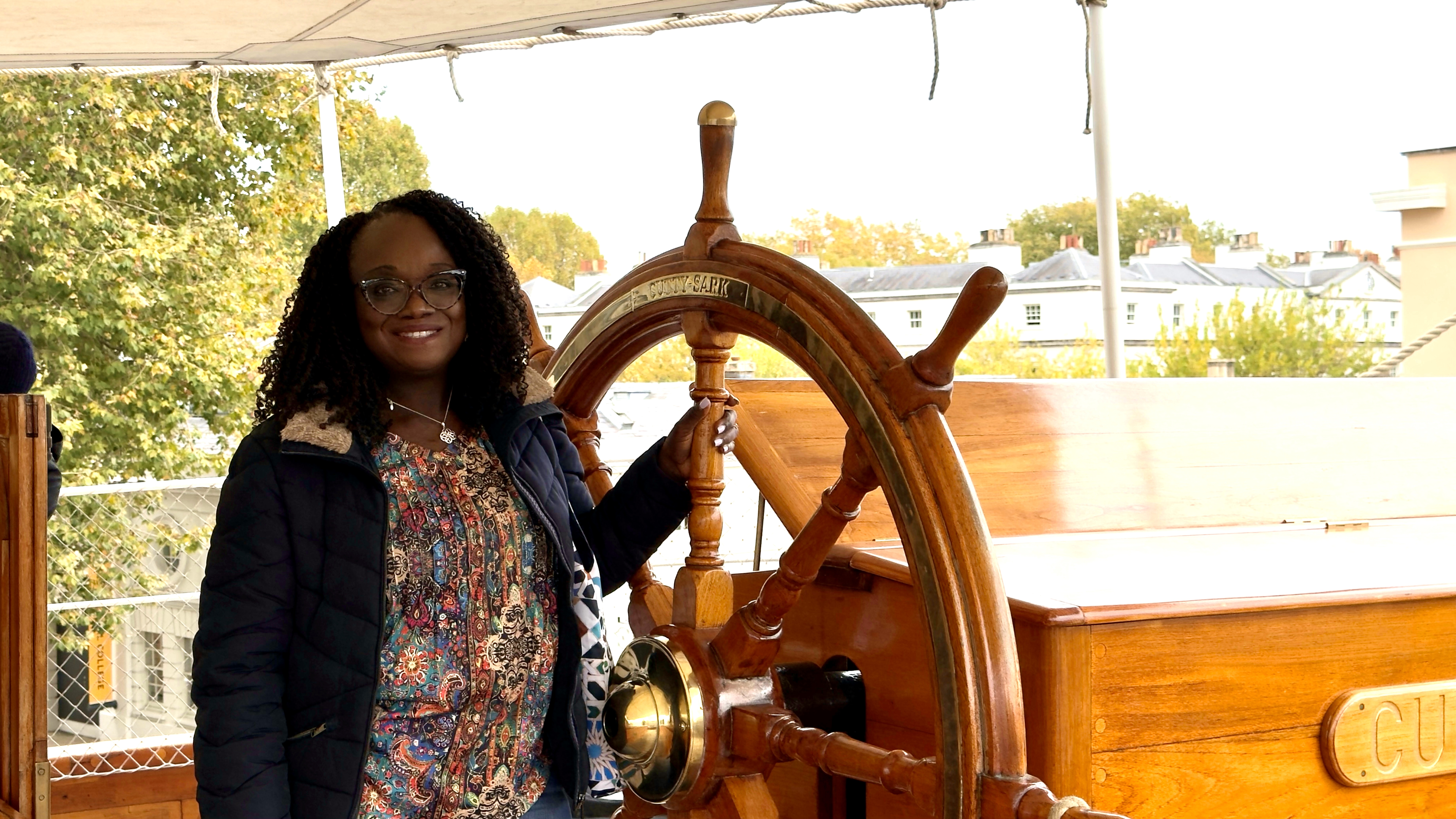
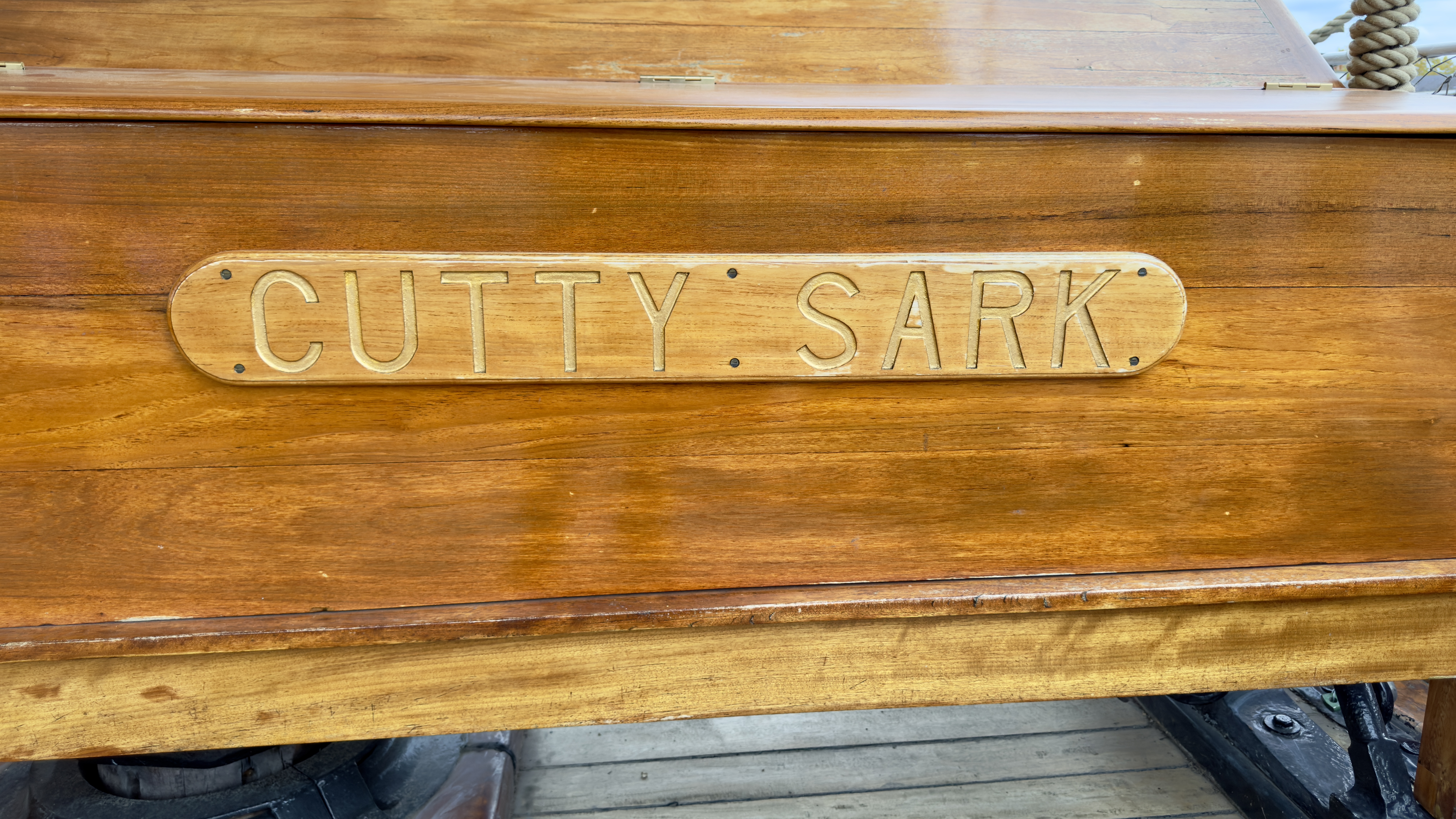
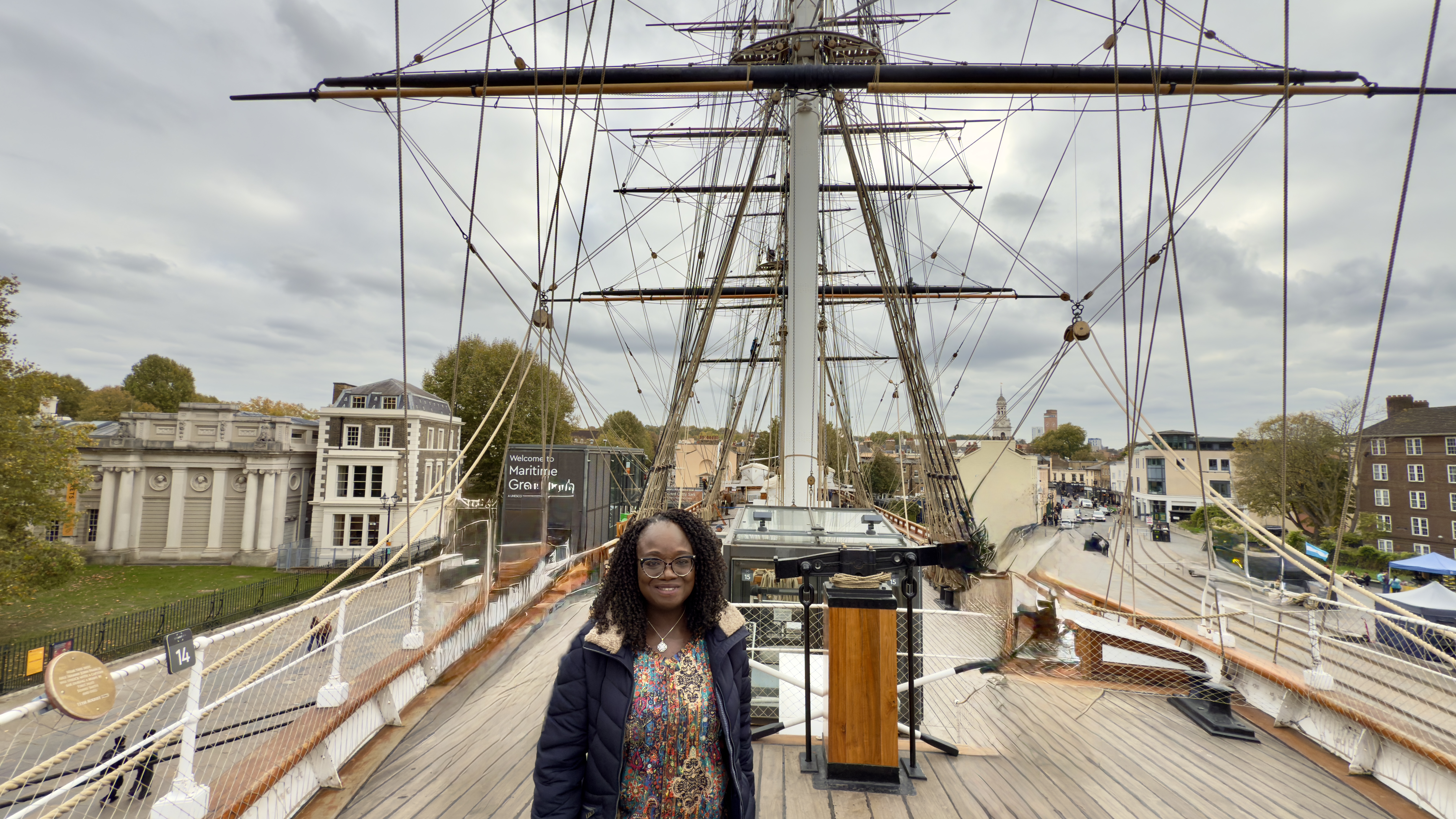
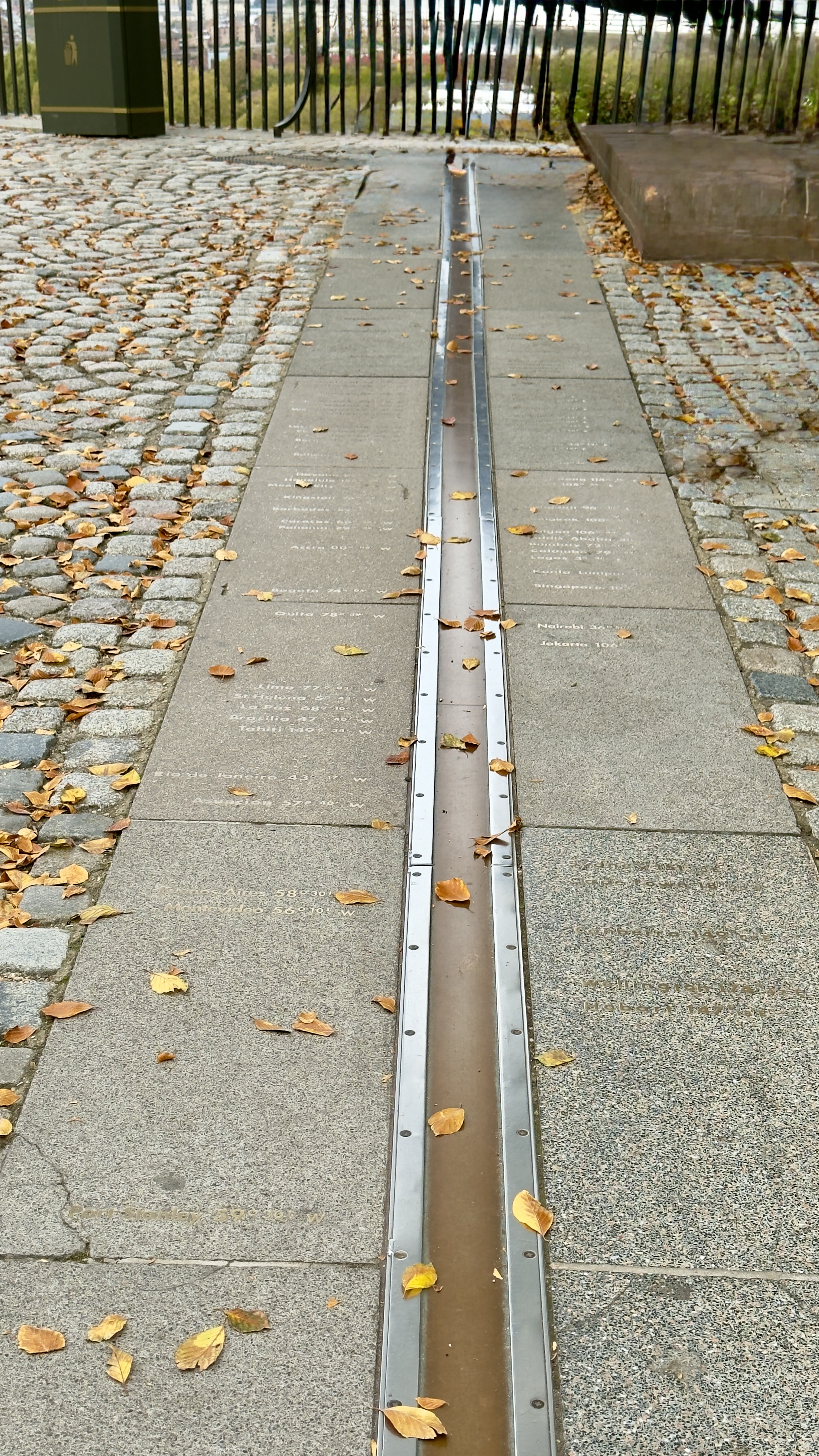
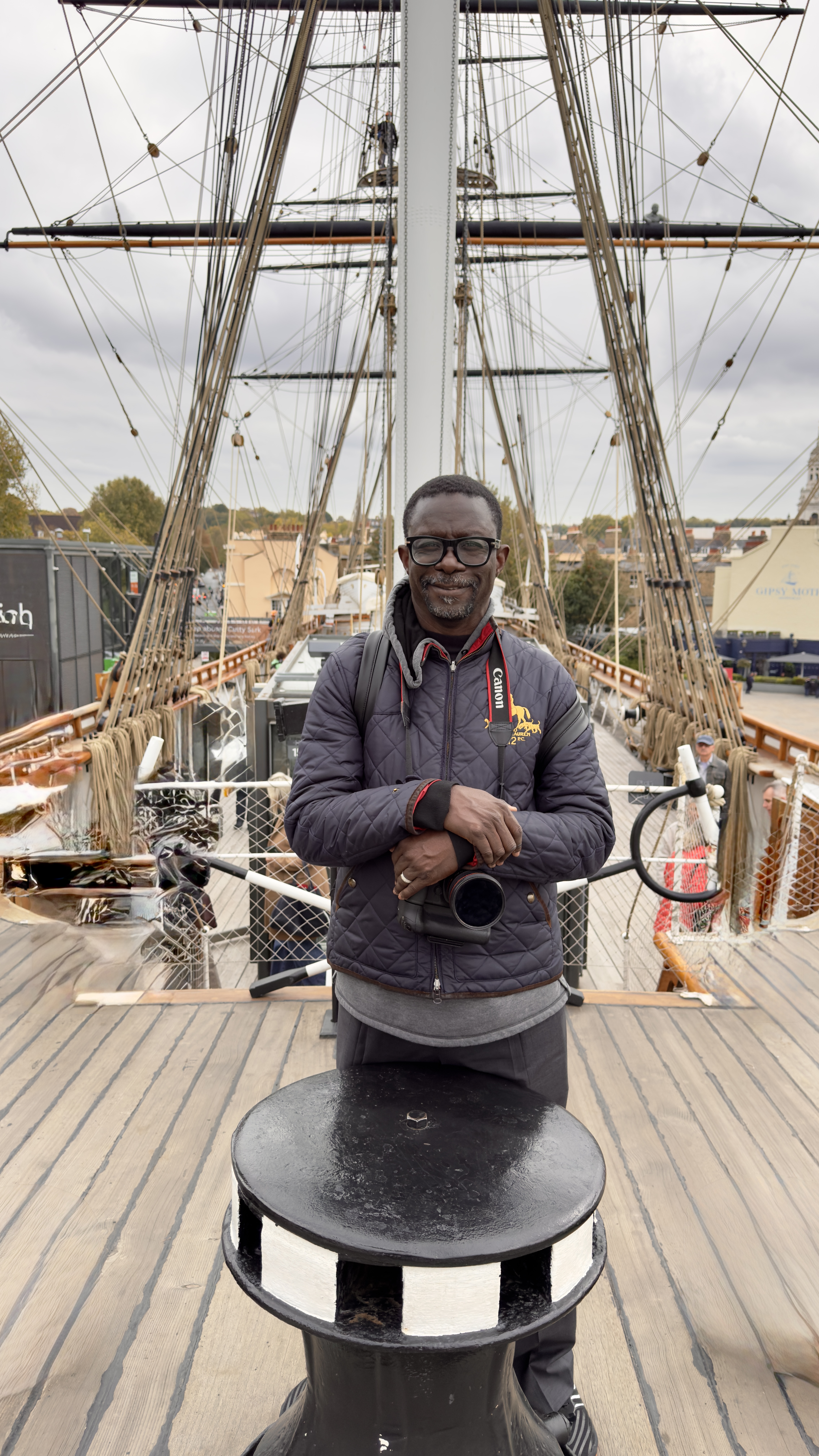
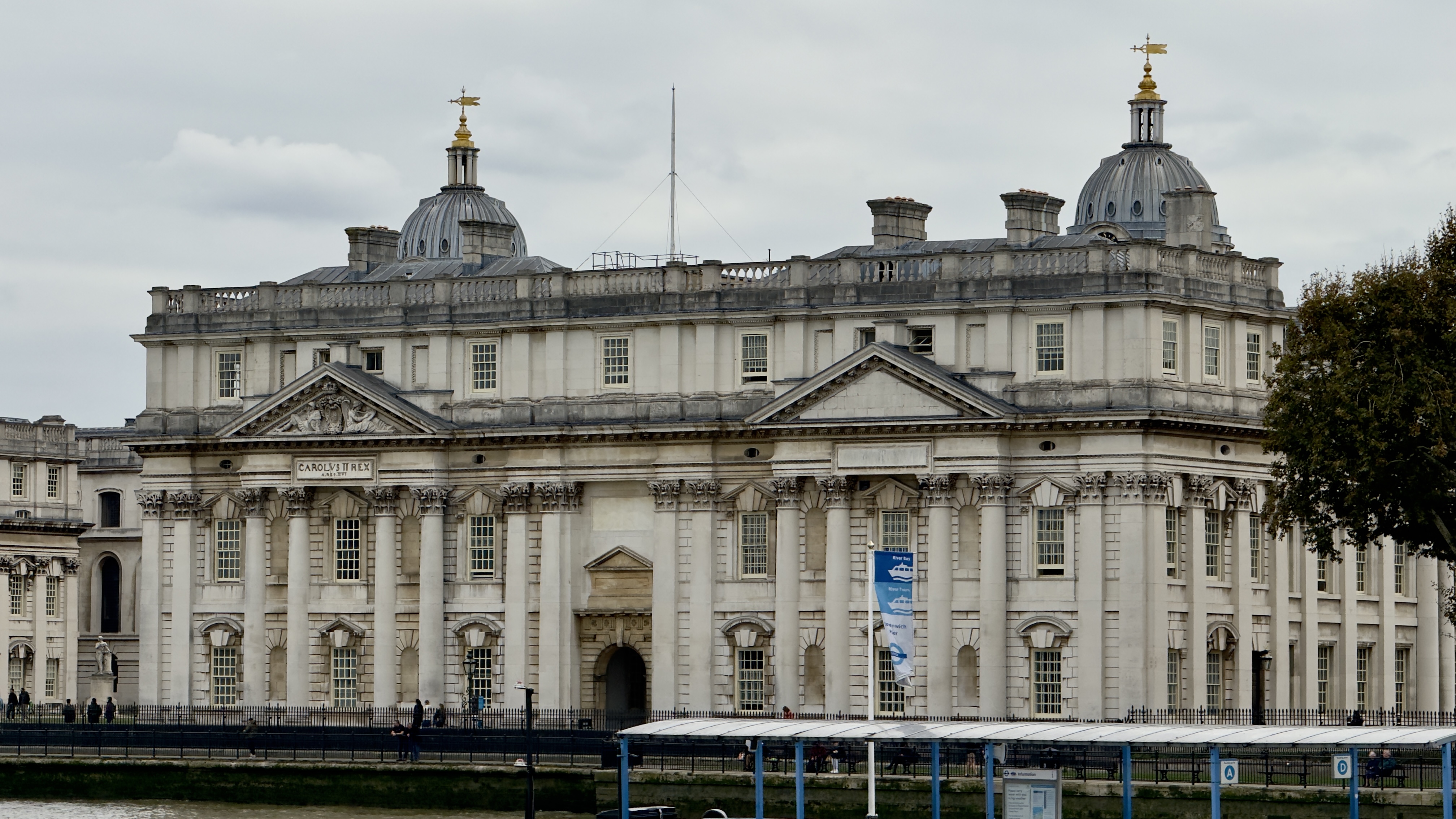
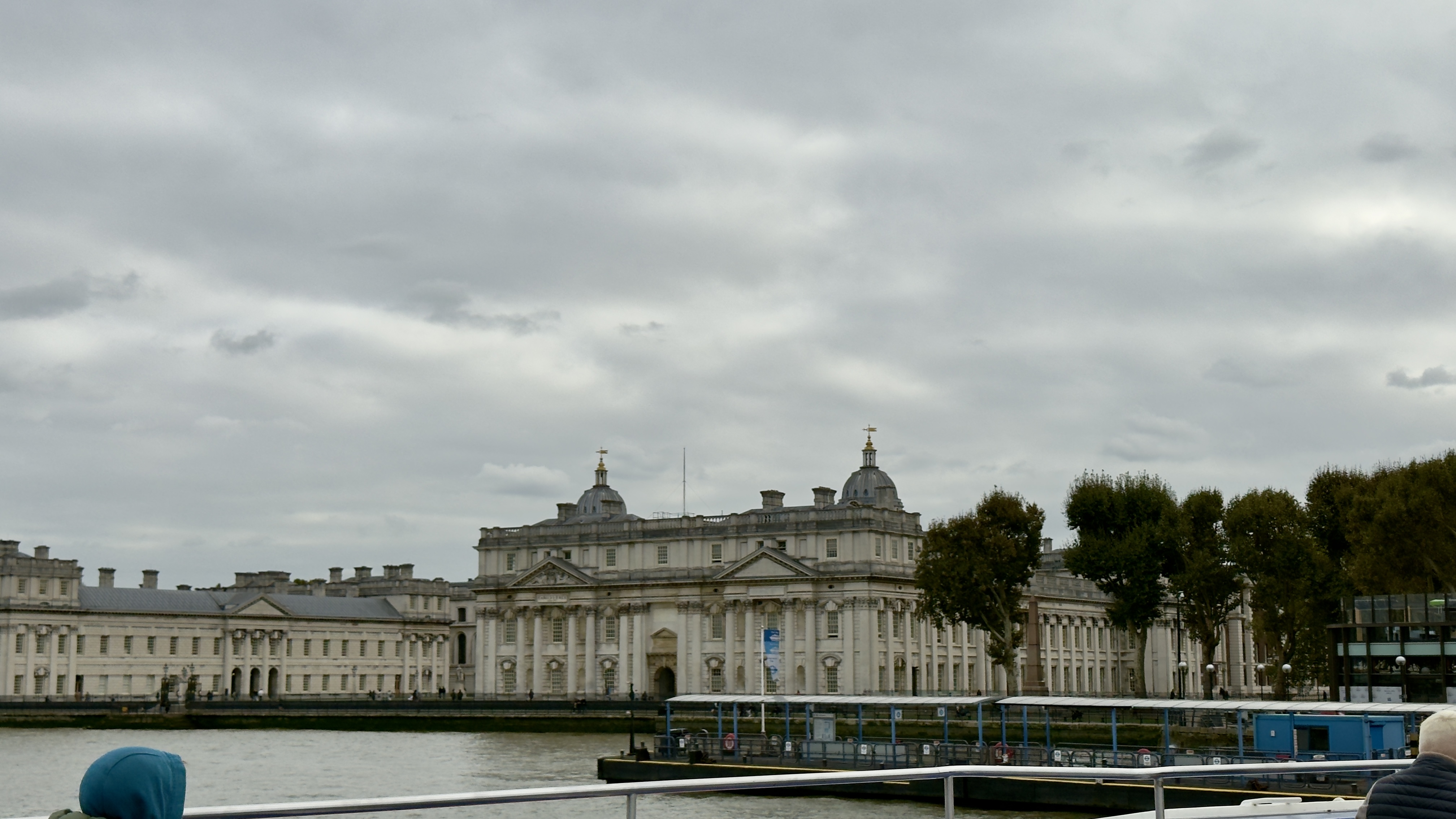
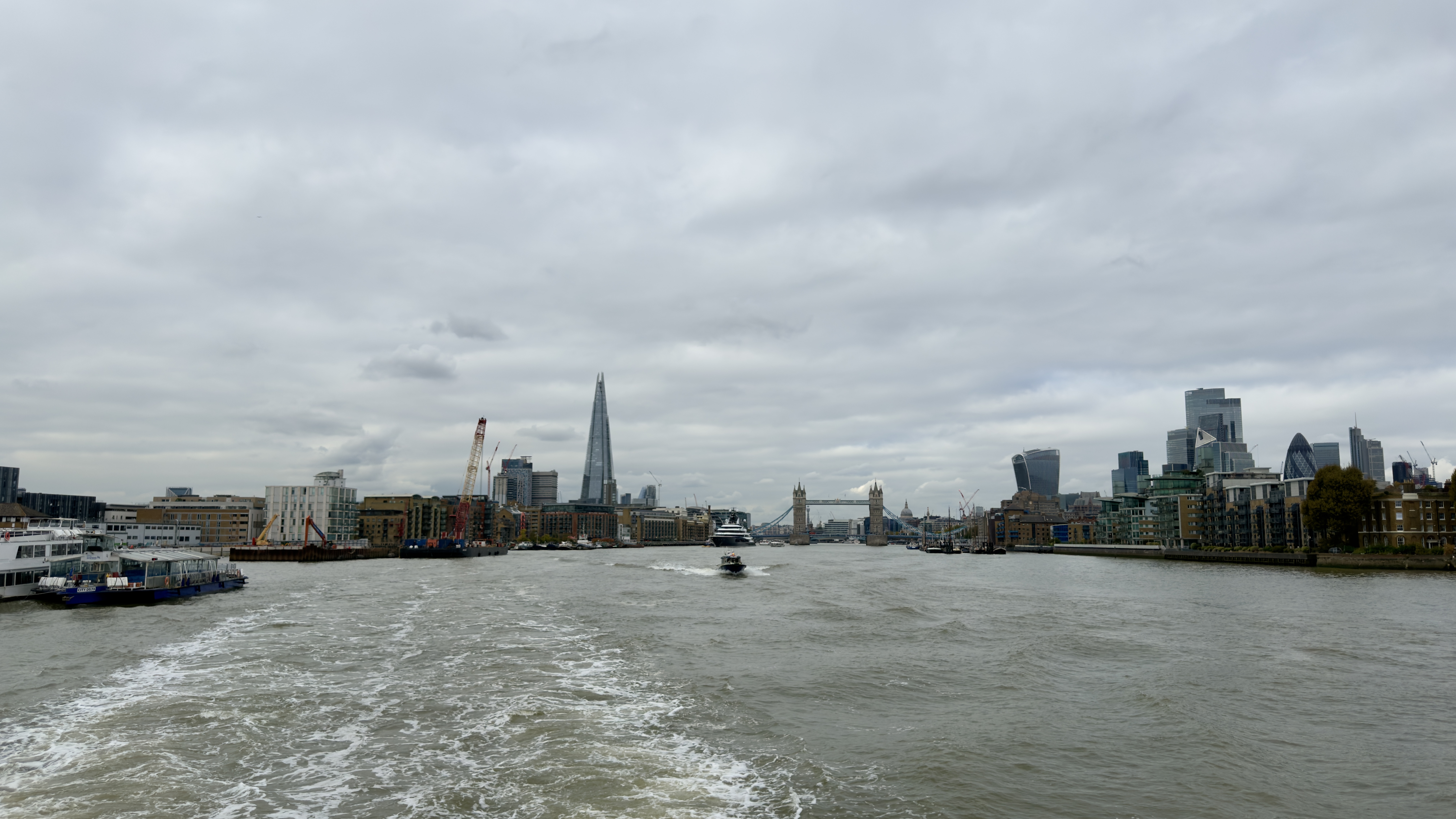
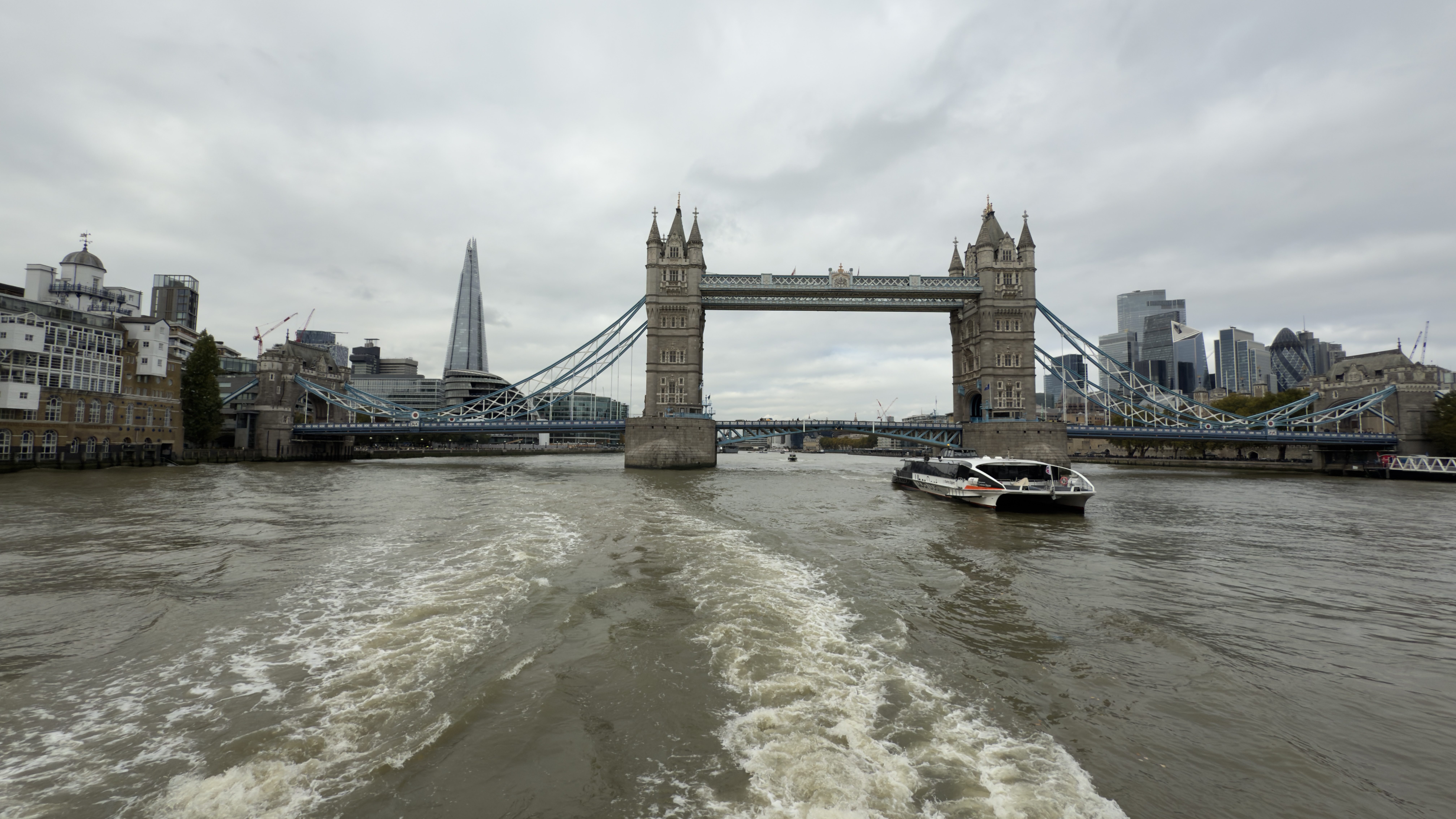
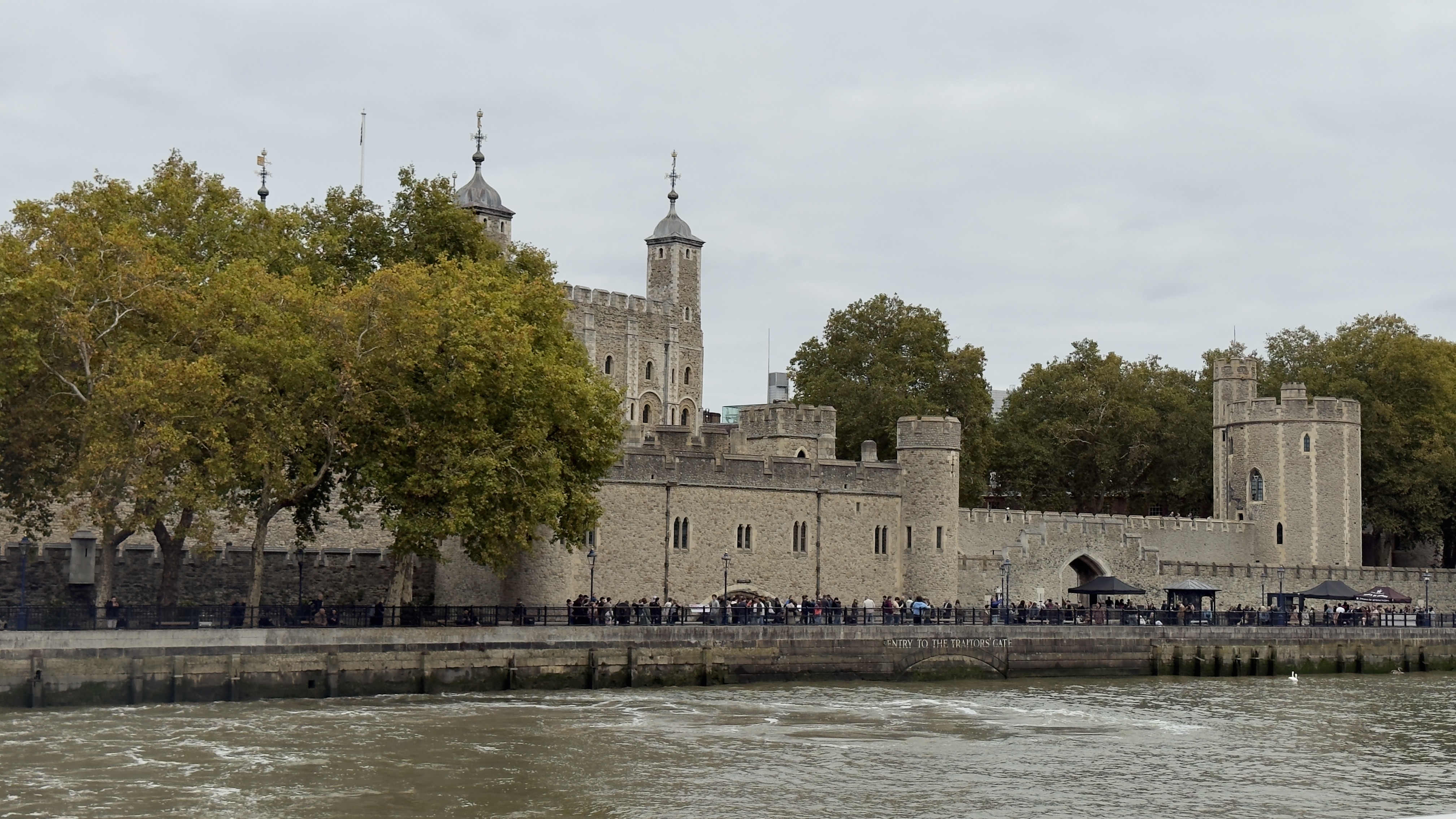
The Thames cruise to Greenwich was serene — a moving tapestry of bridges, glass towers, and timeless icons. The Cutty Sark stood proudly, a monument to Britain’s maritime might.
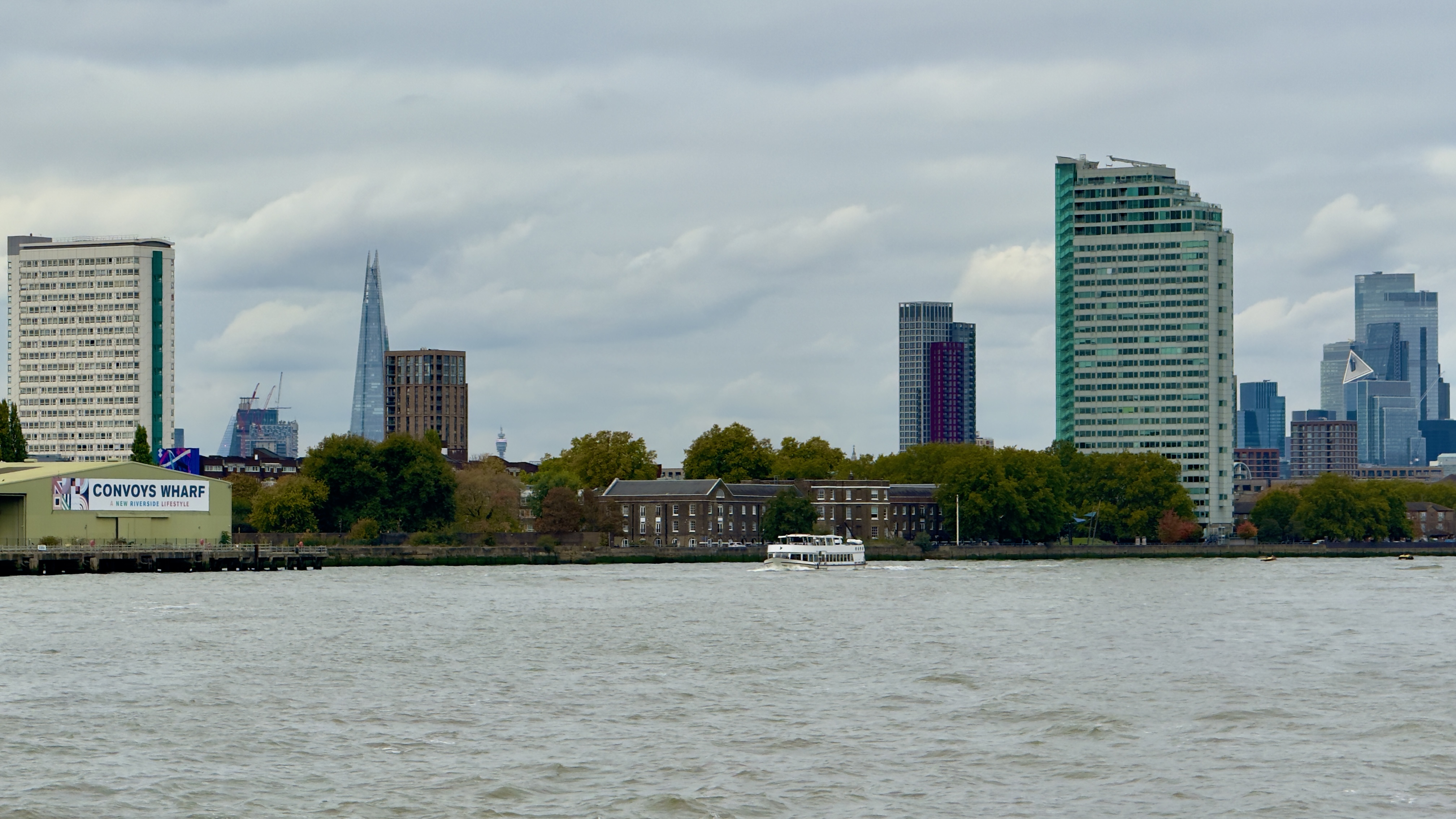
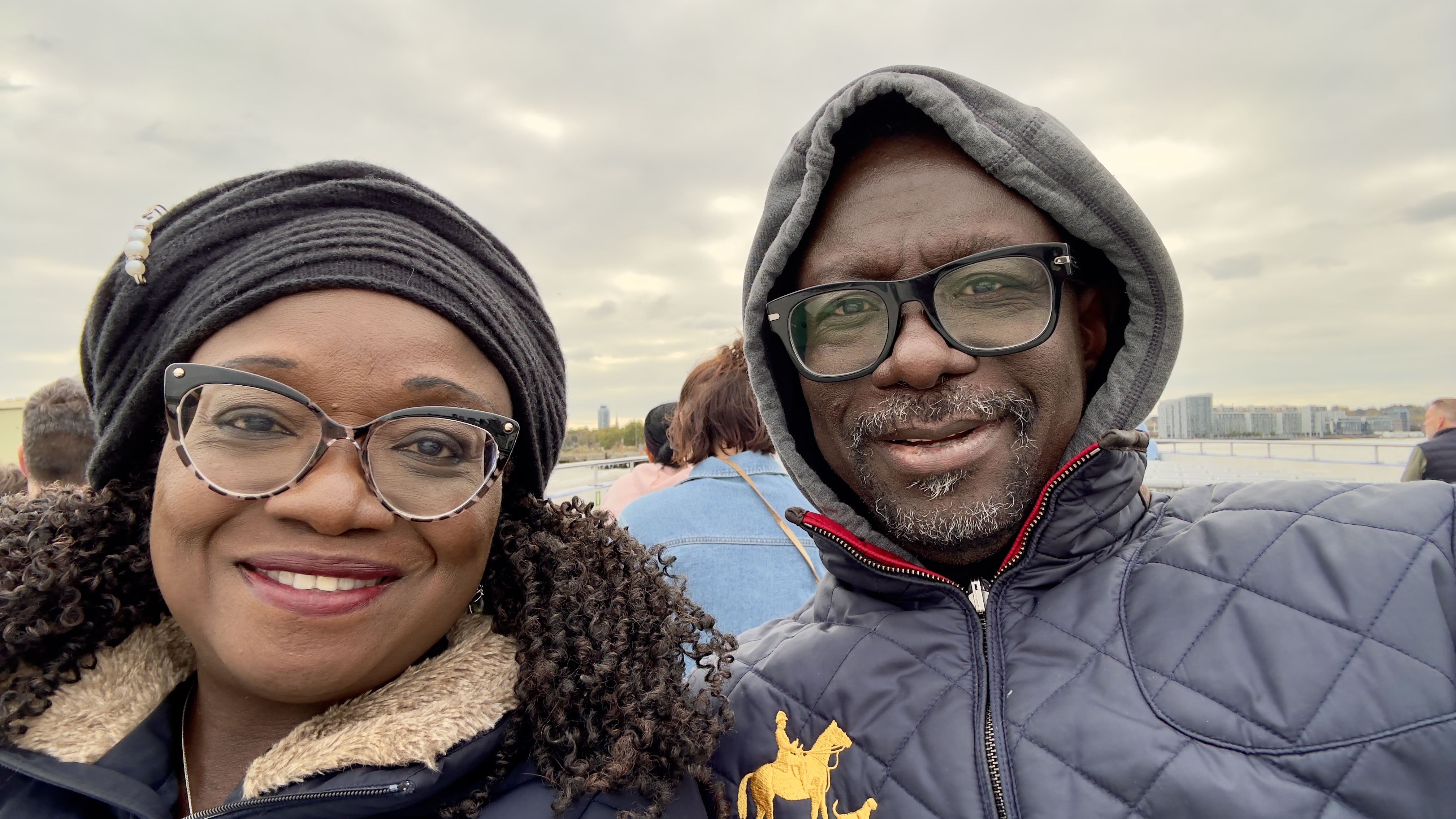
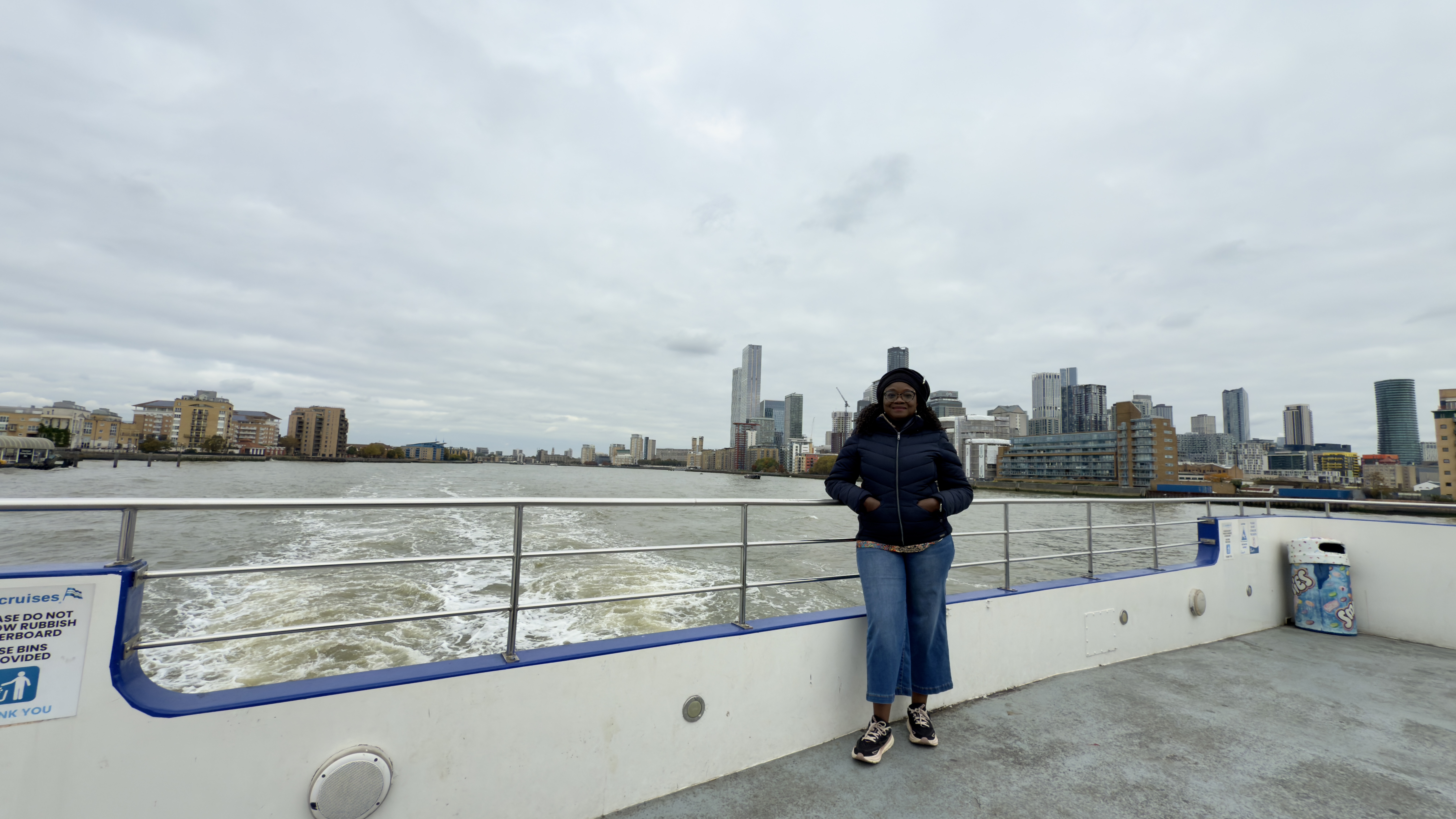
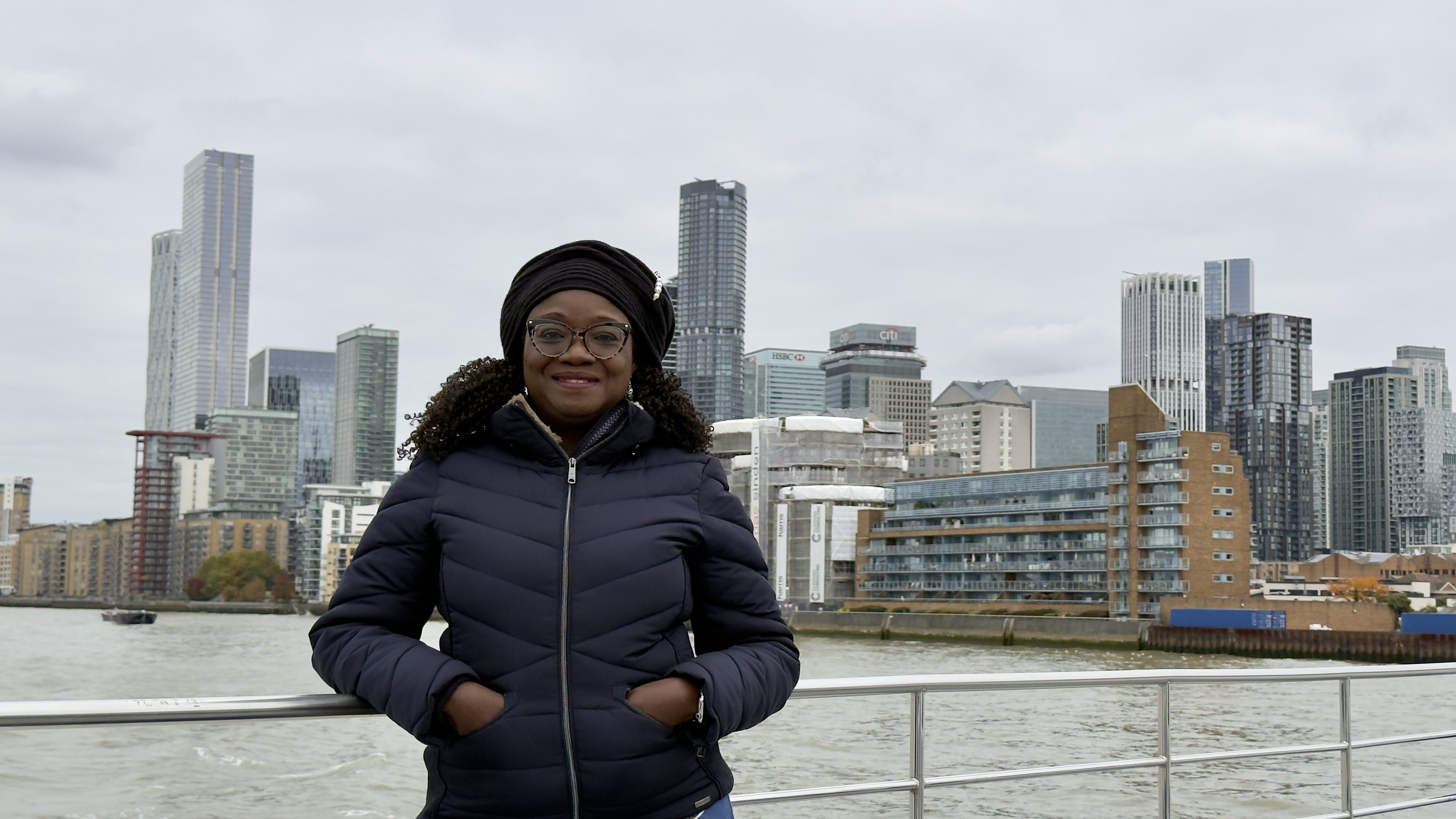
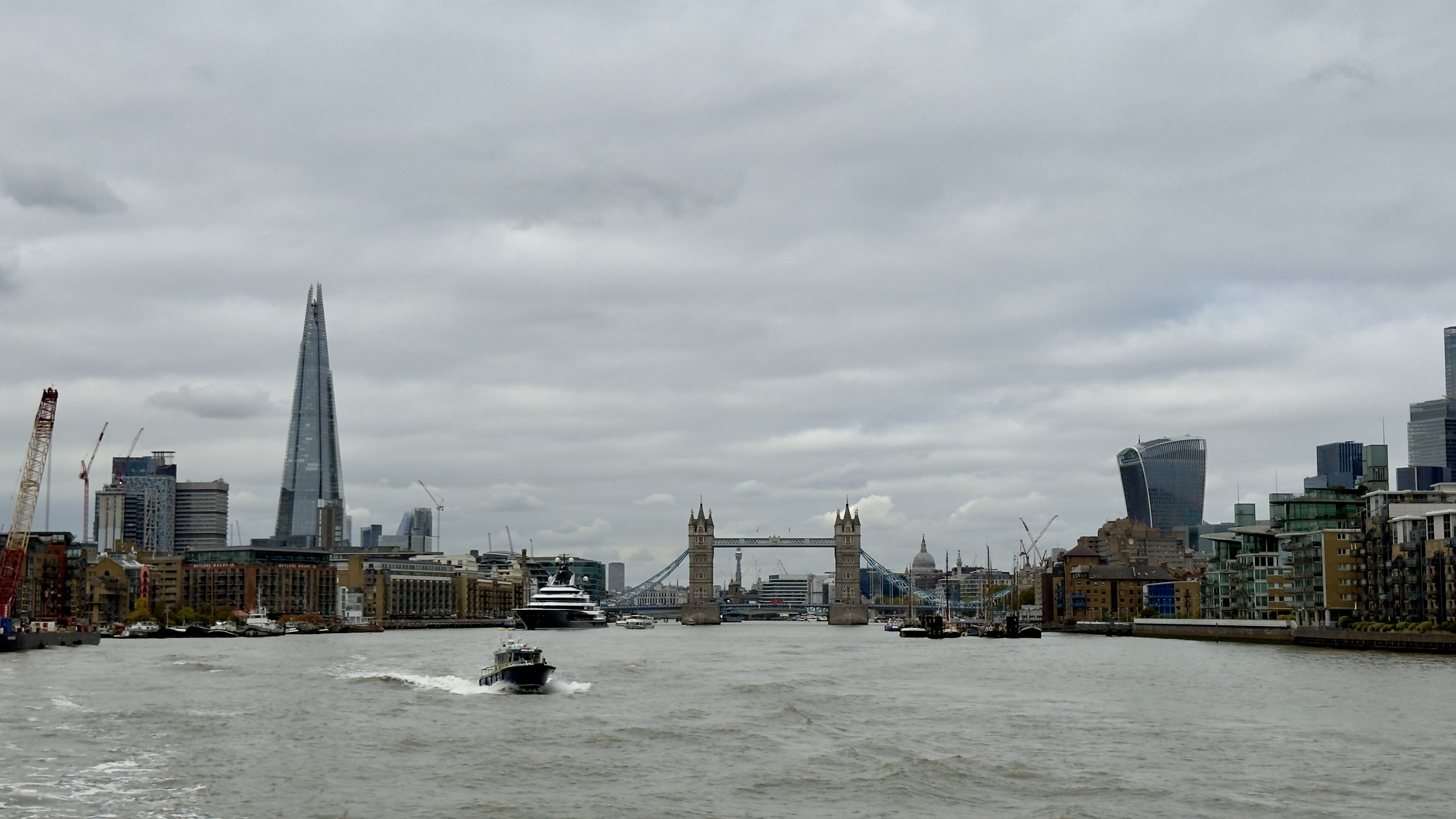
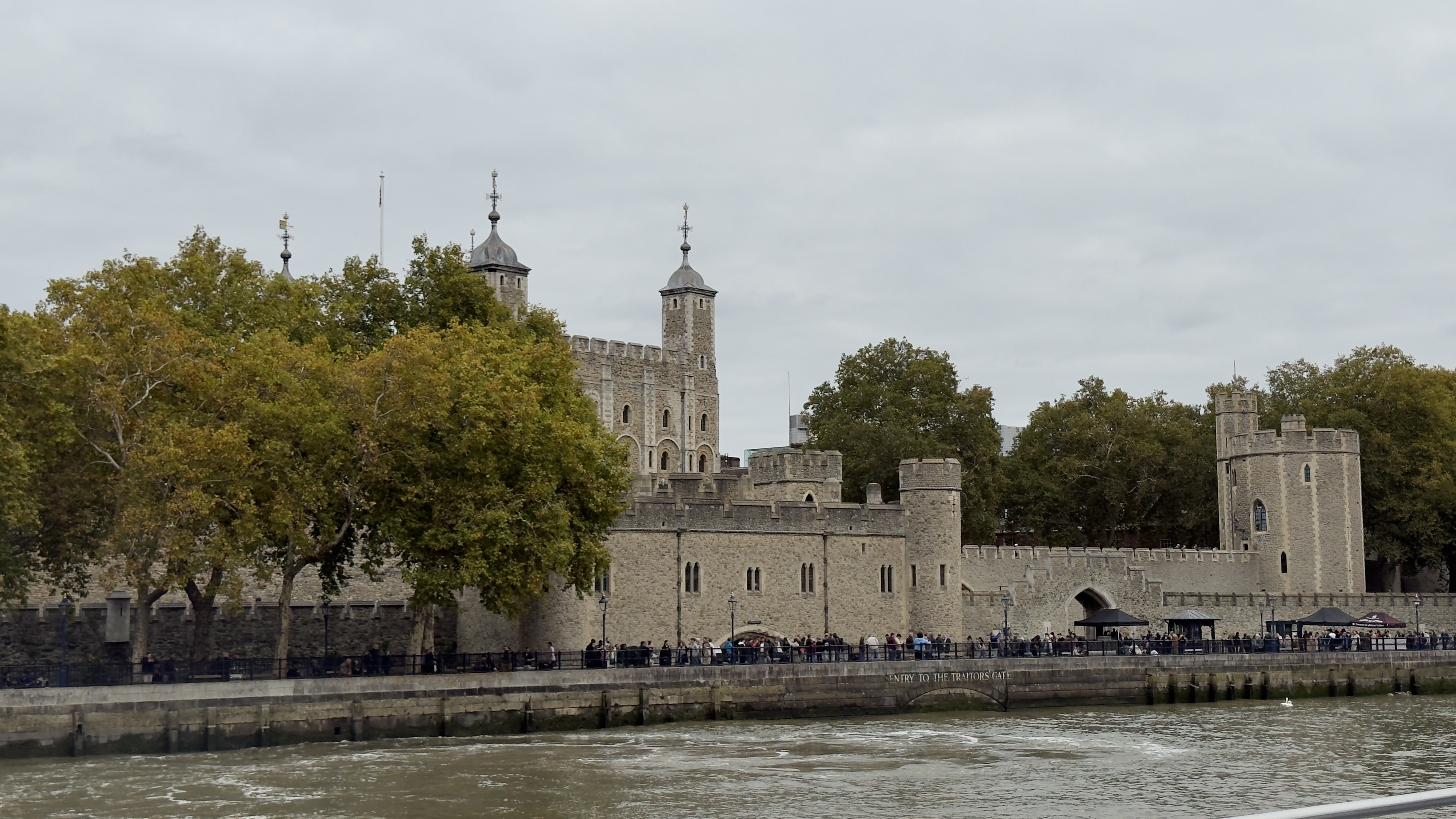
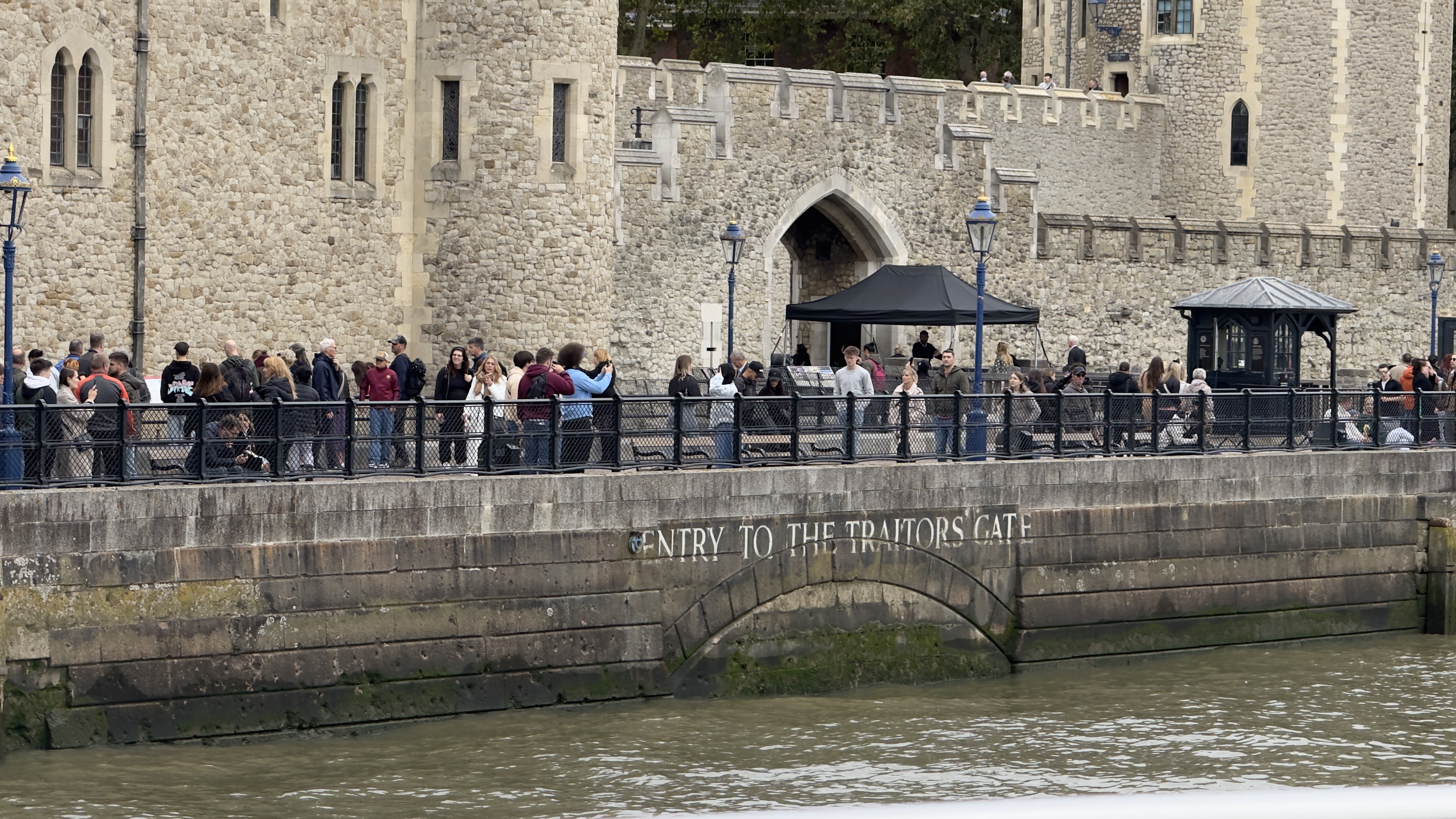
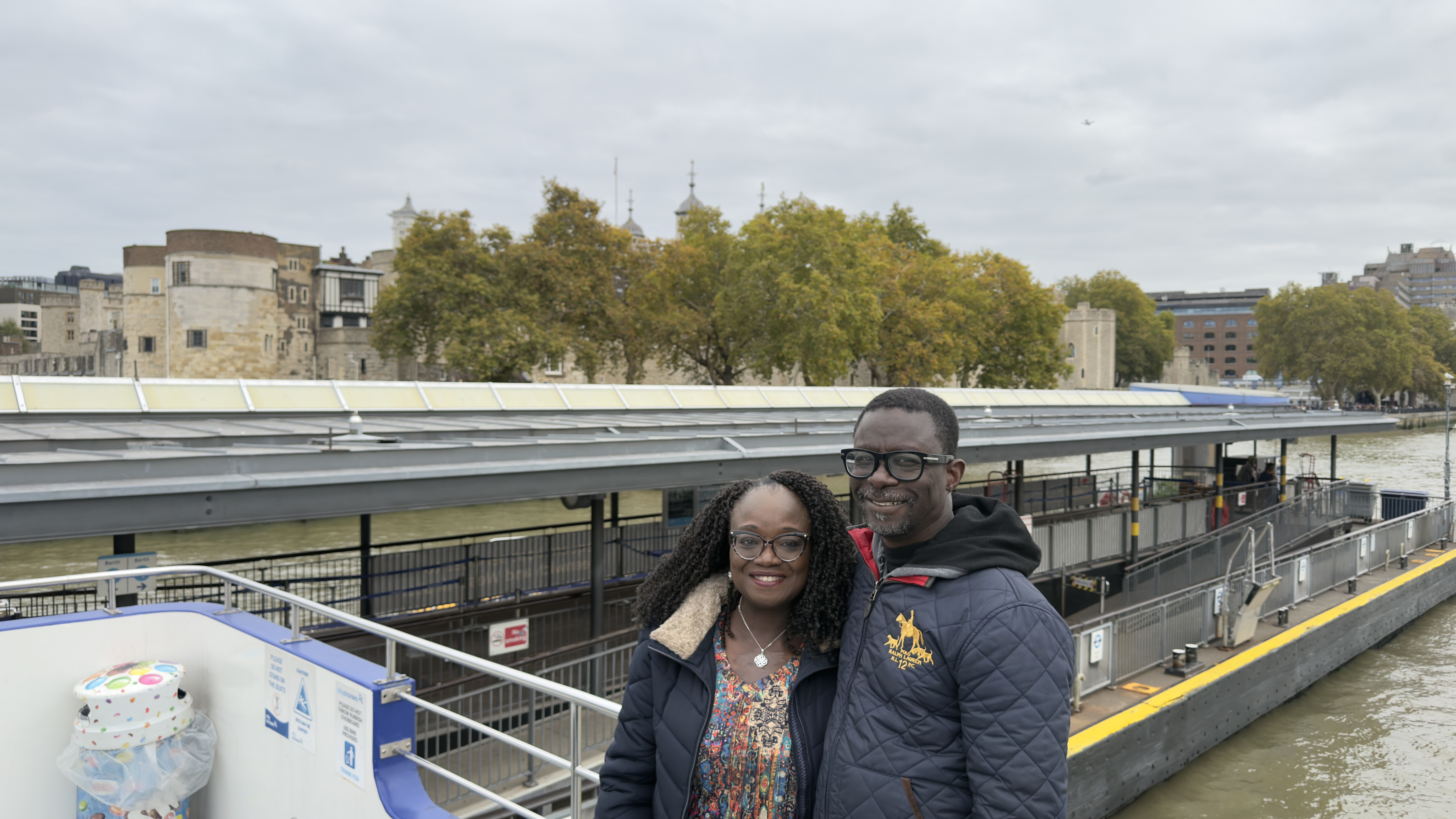
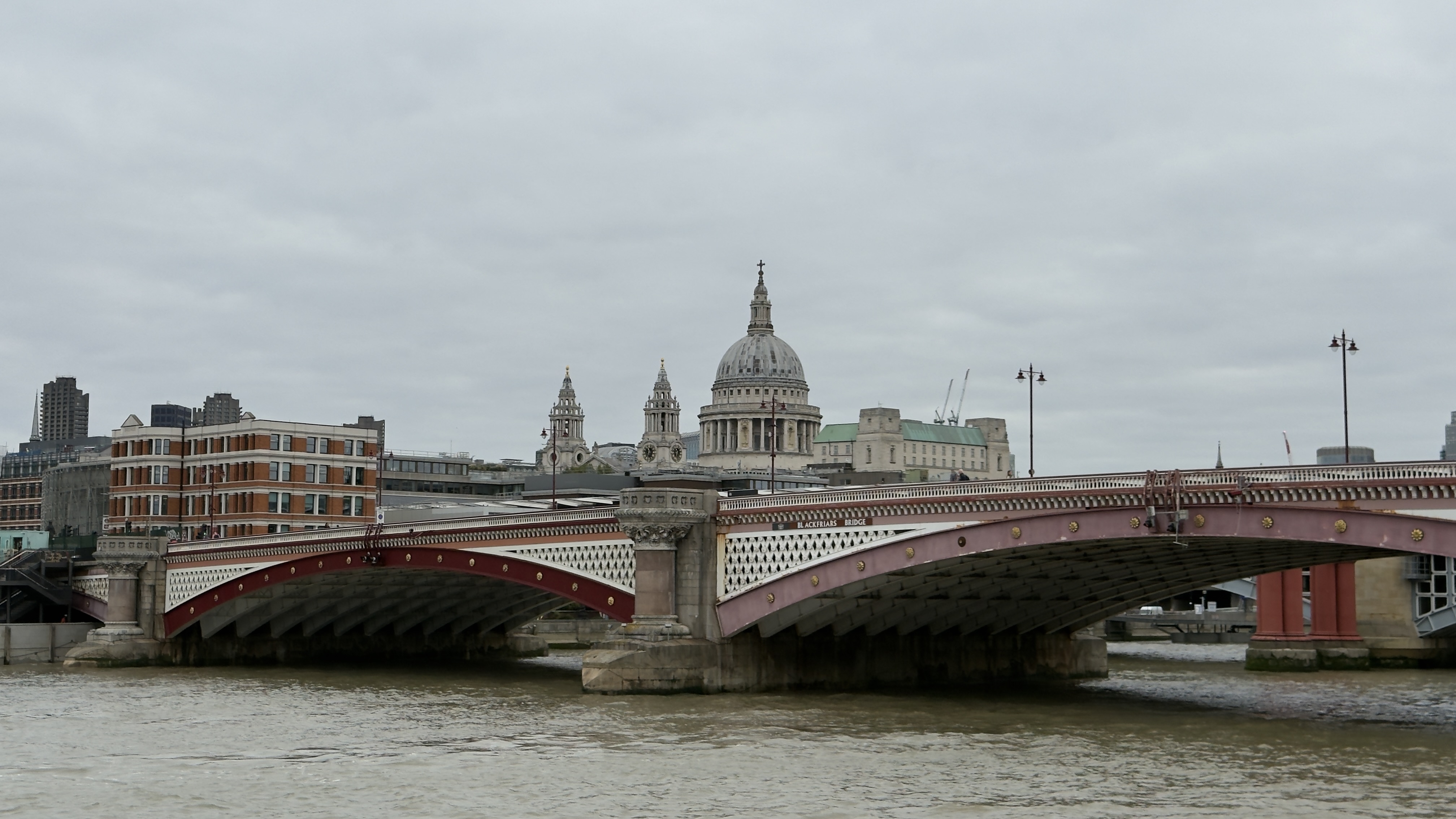
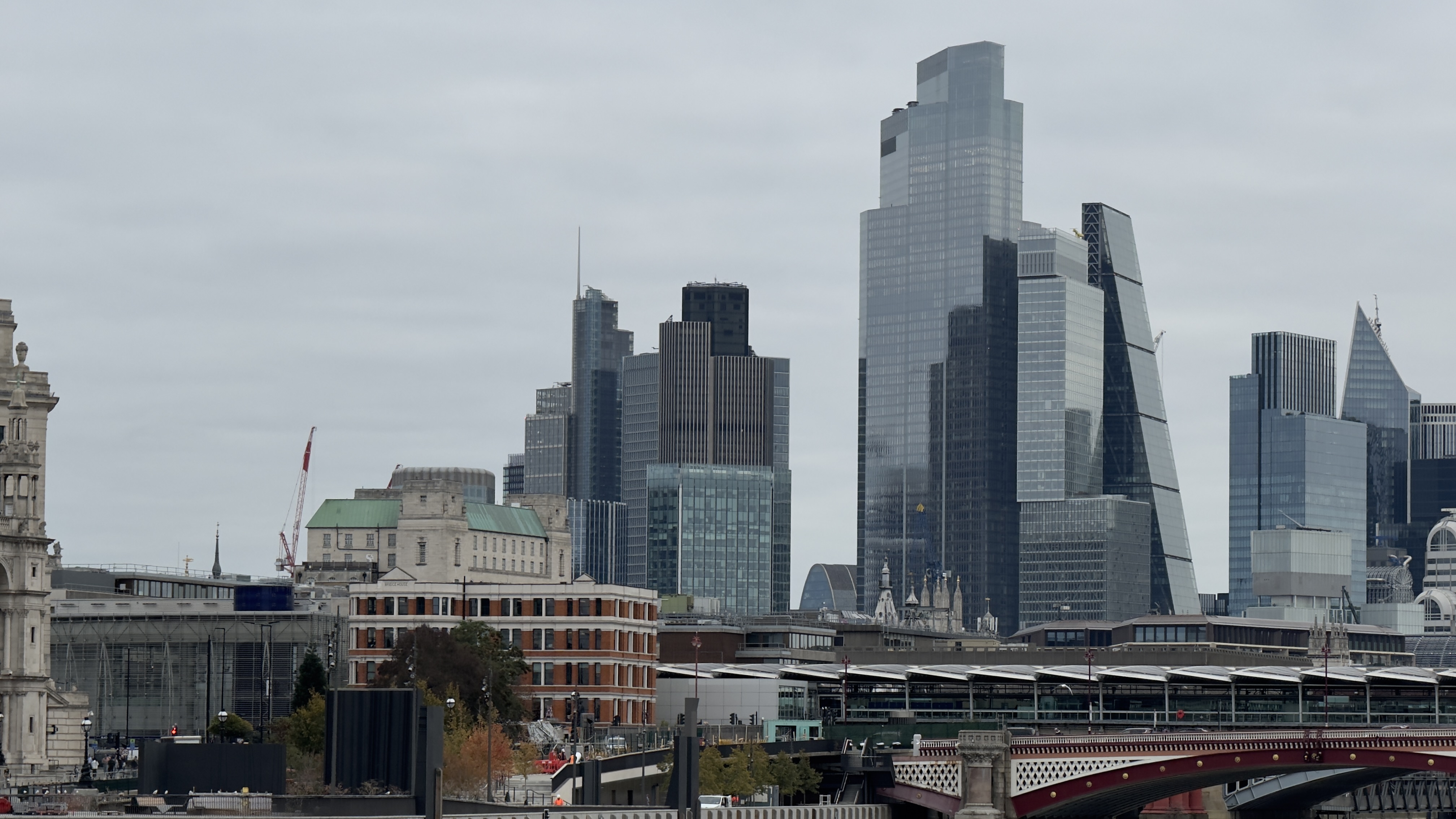
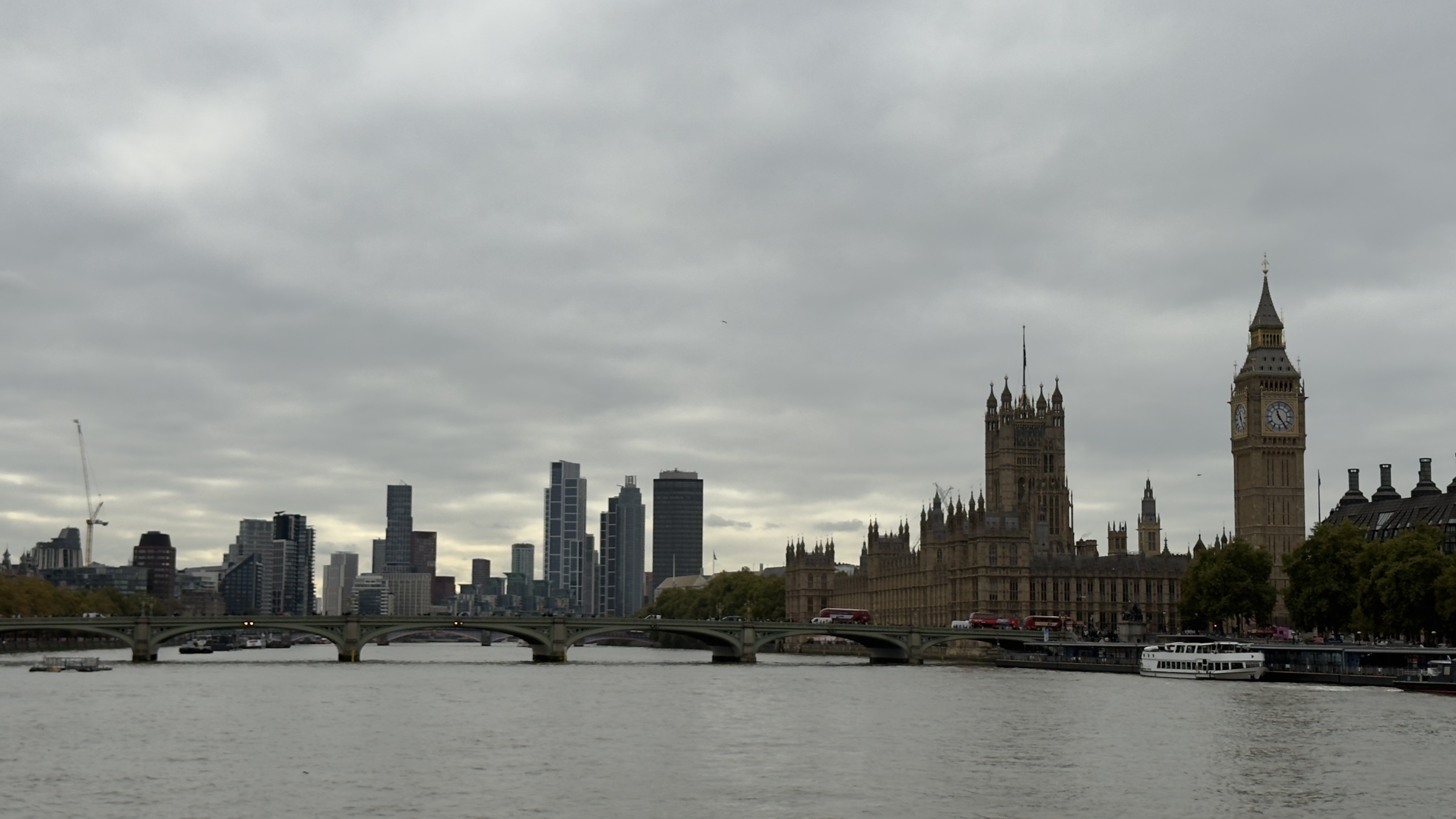

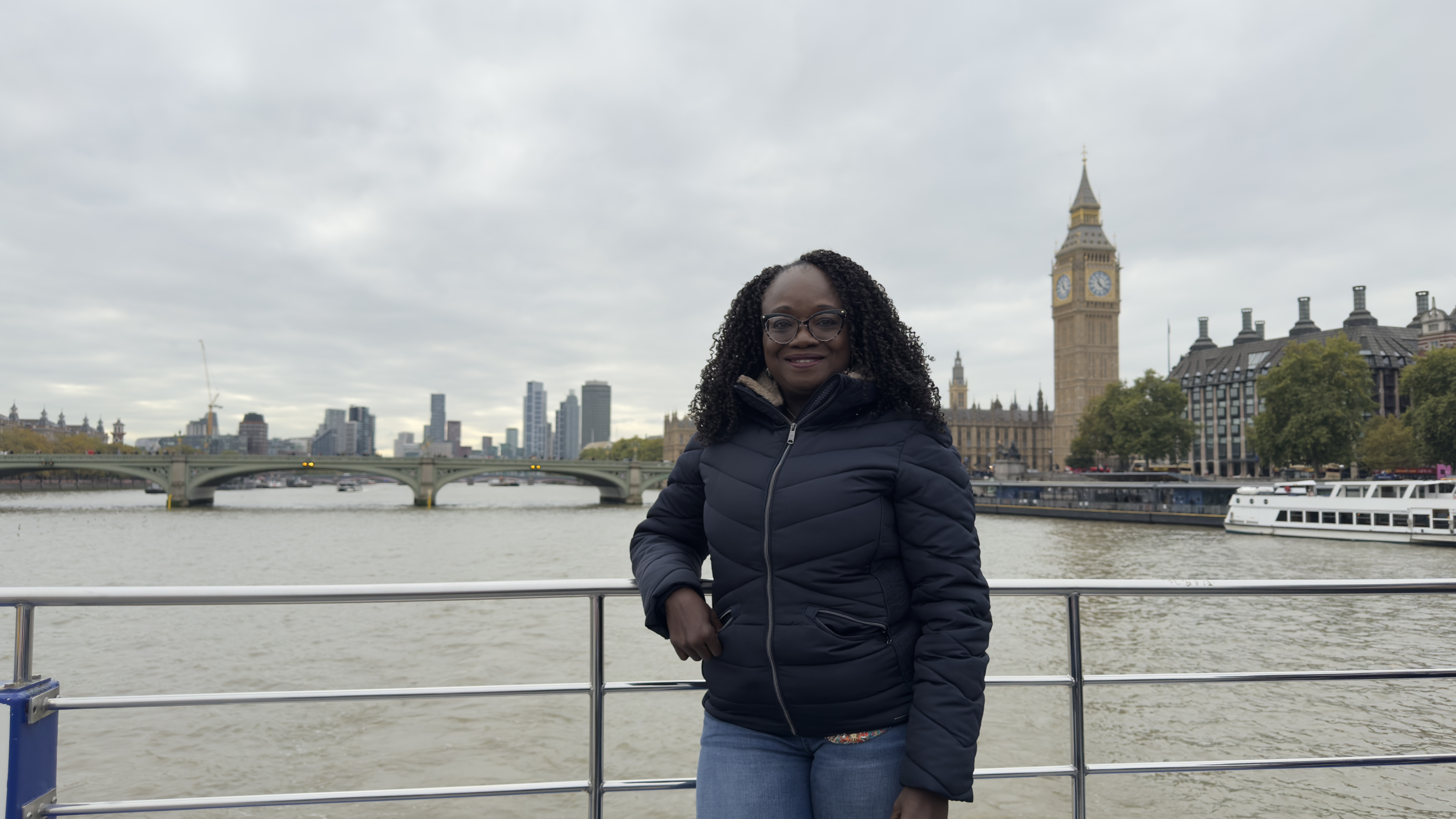
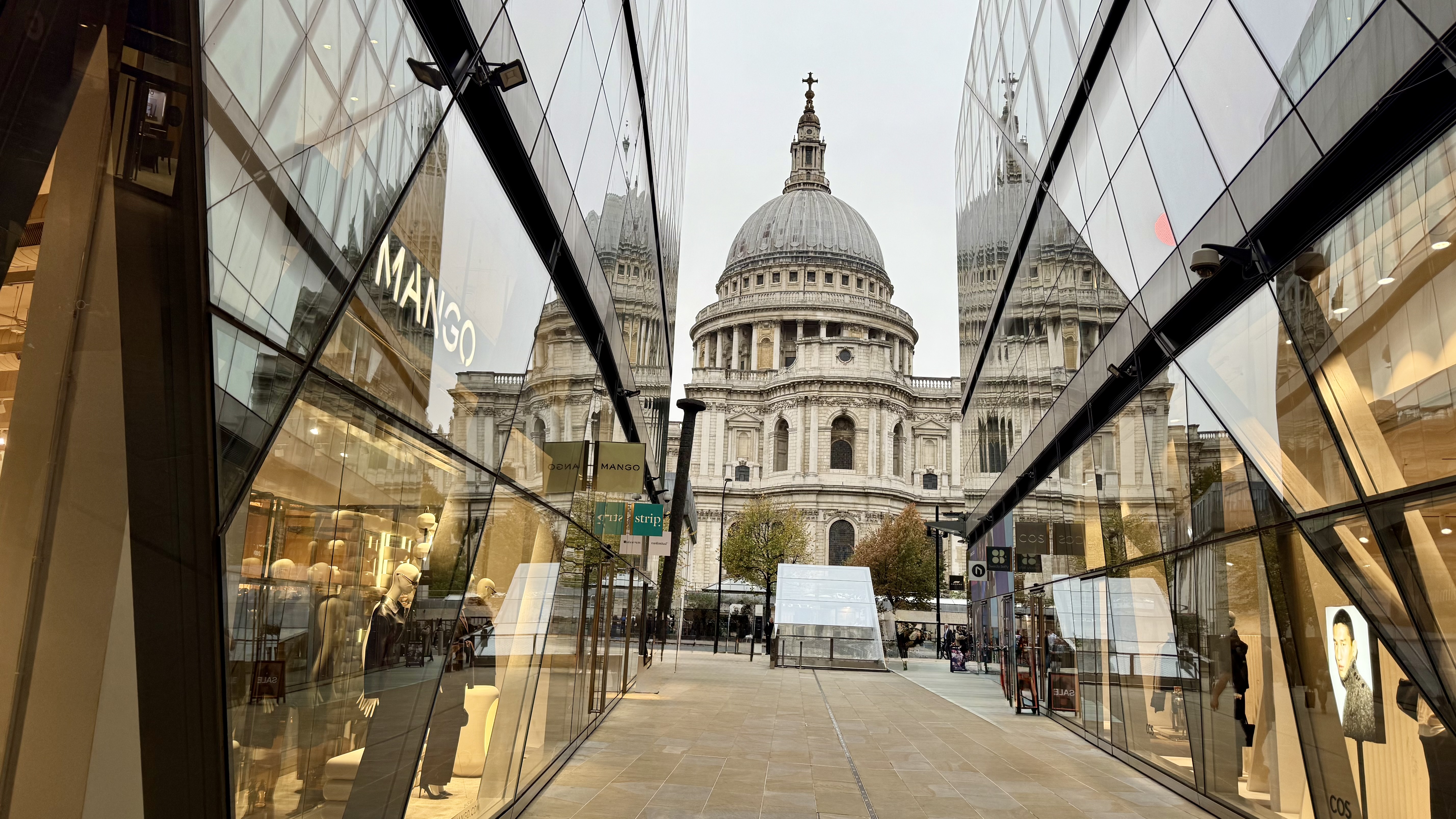
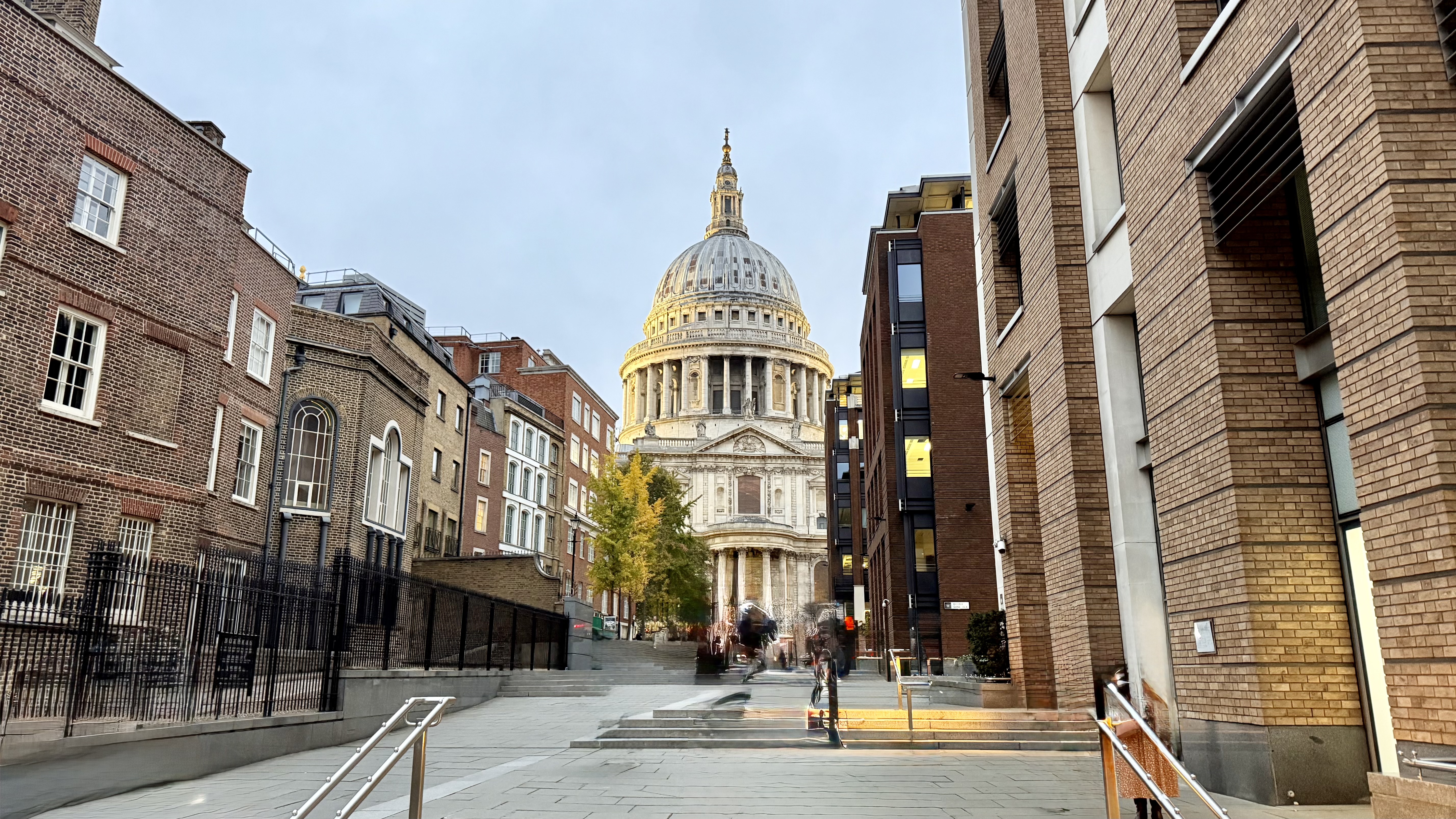
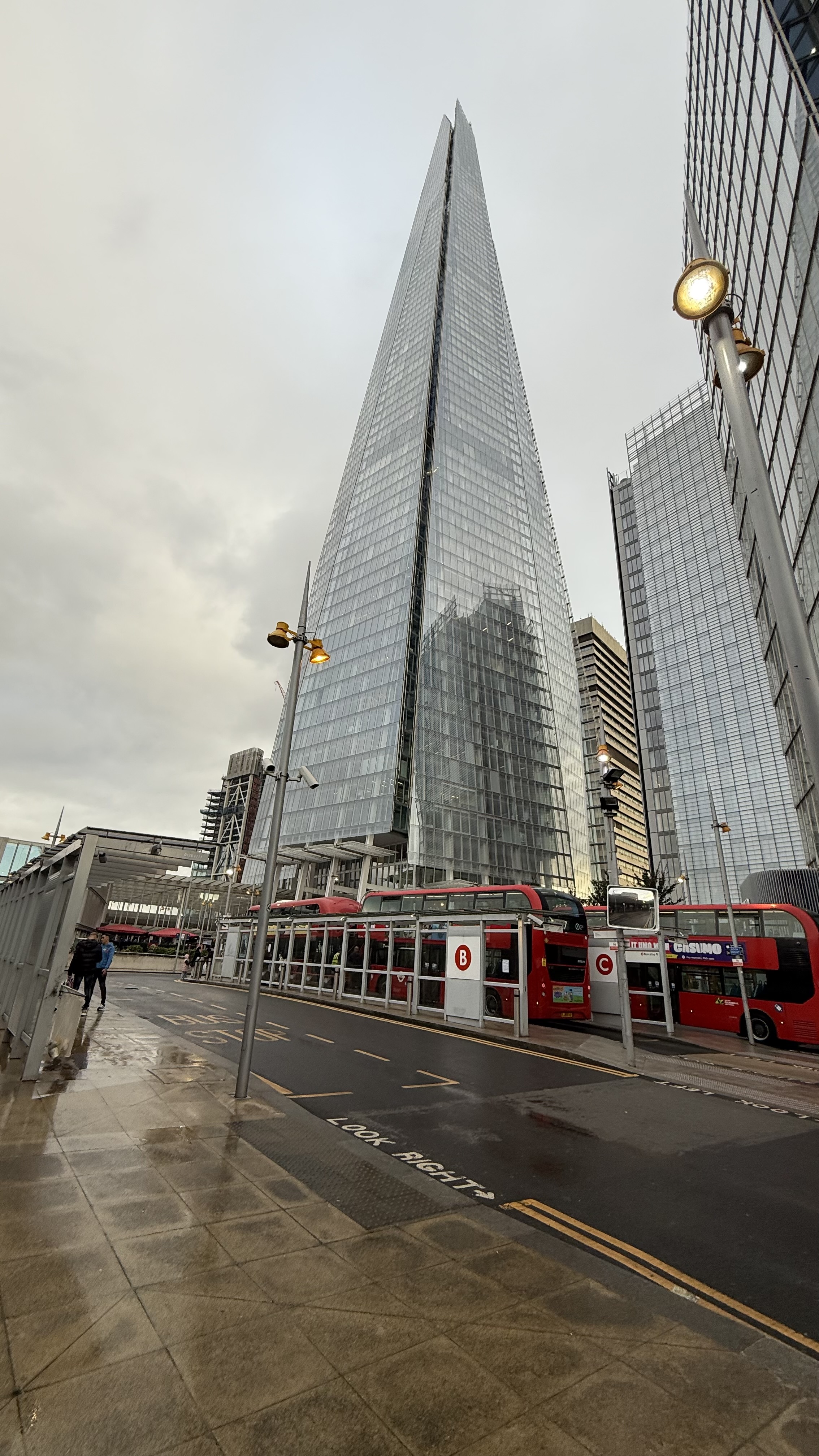
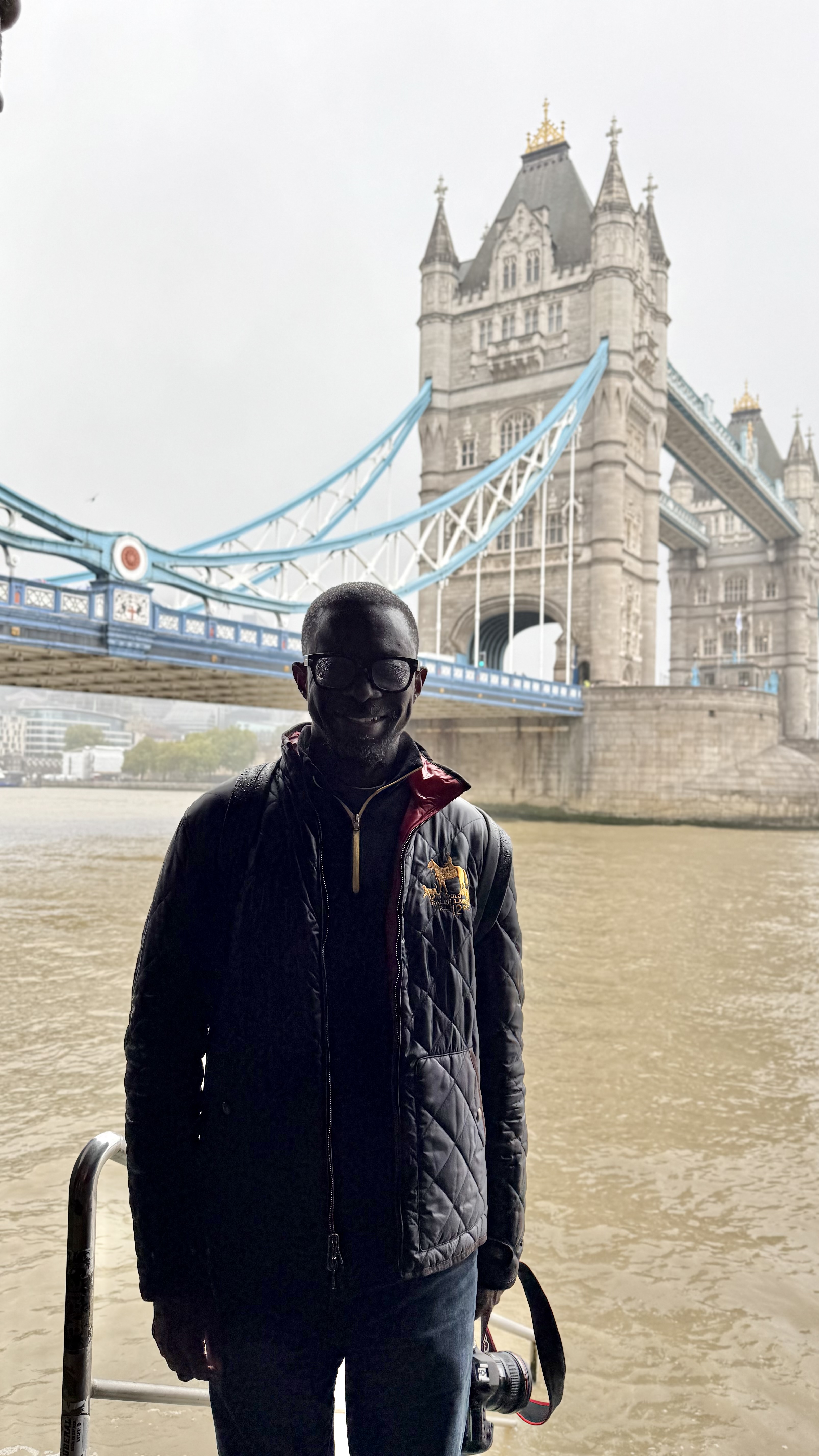
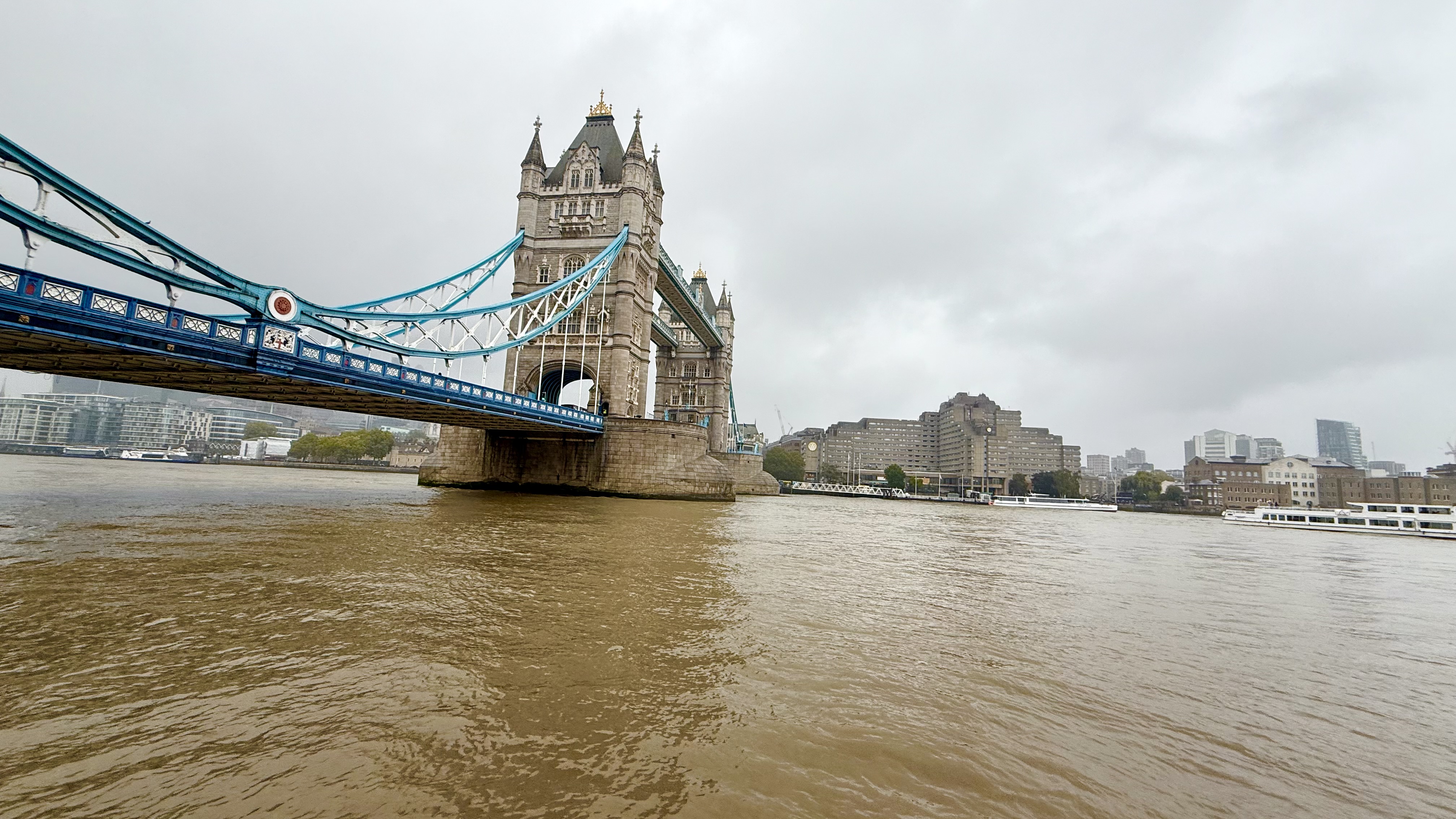
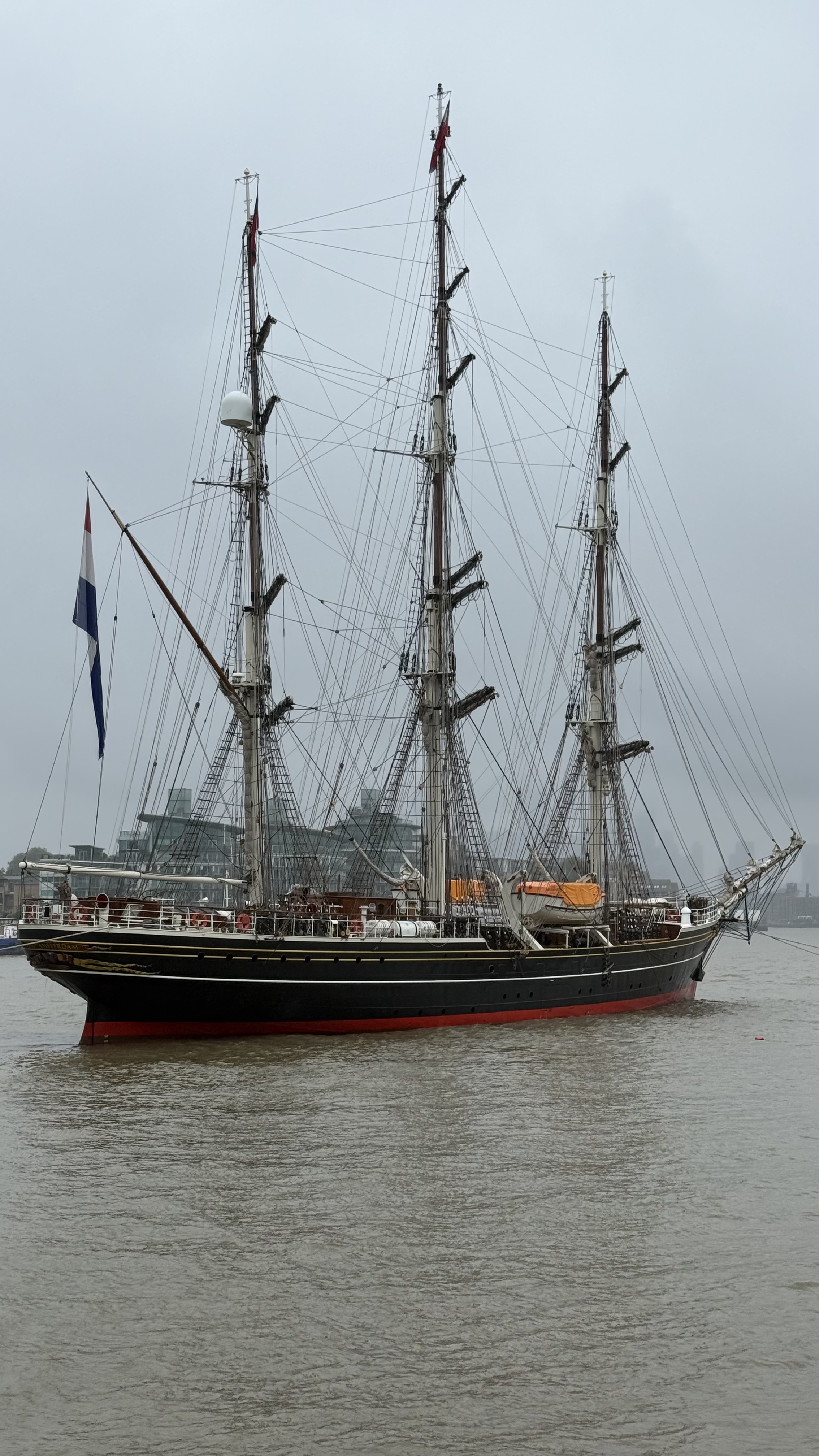
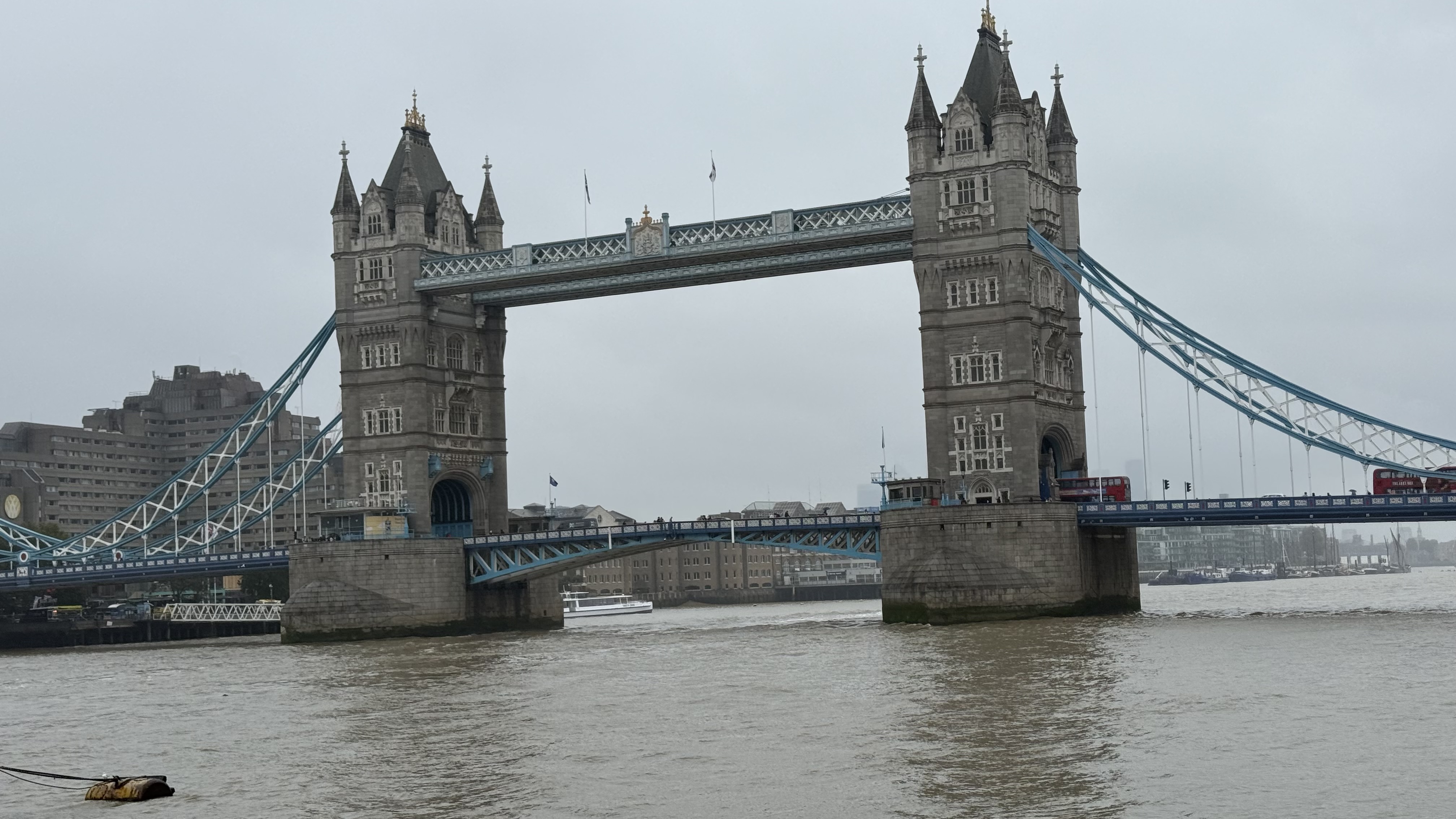
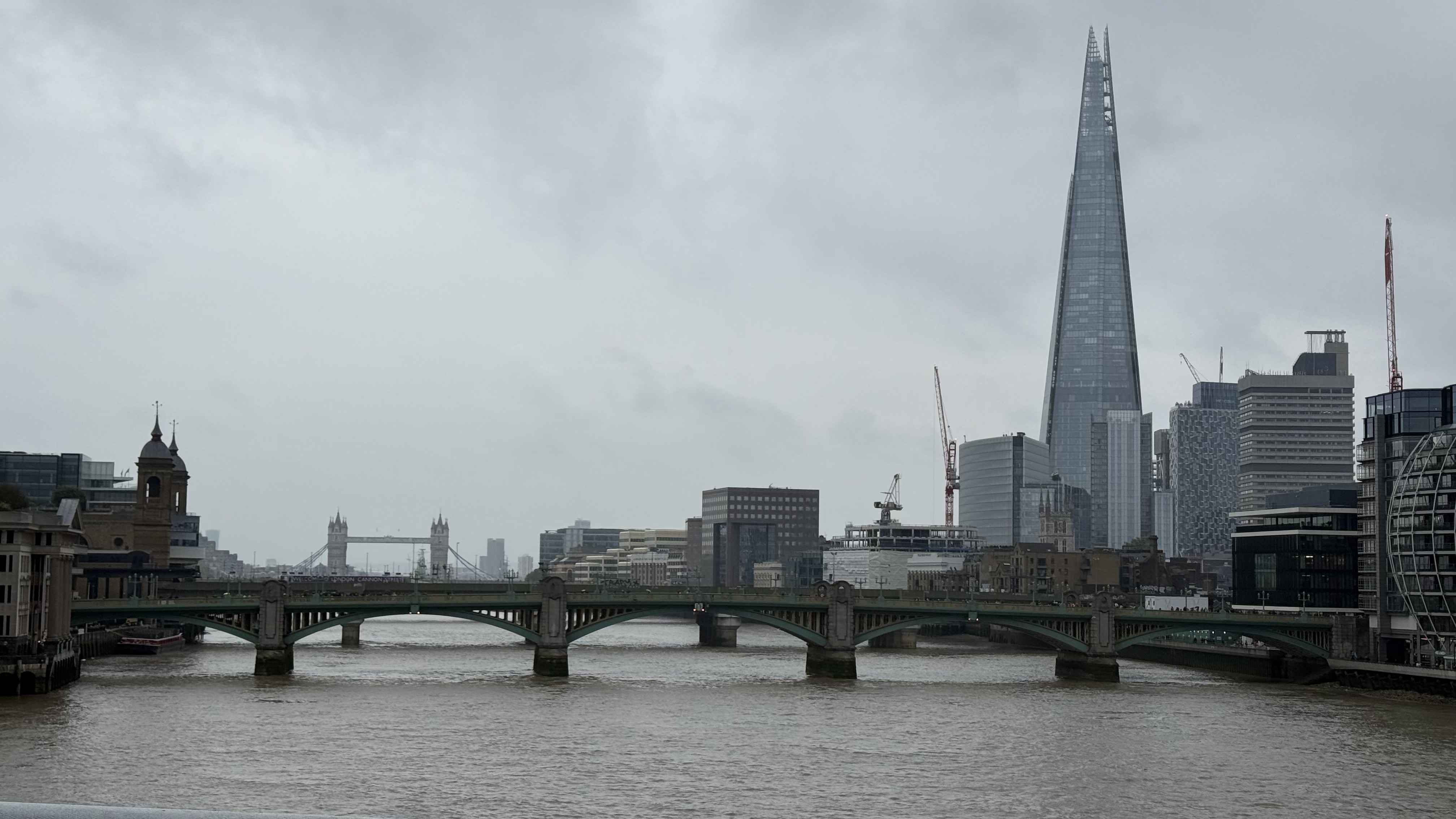
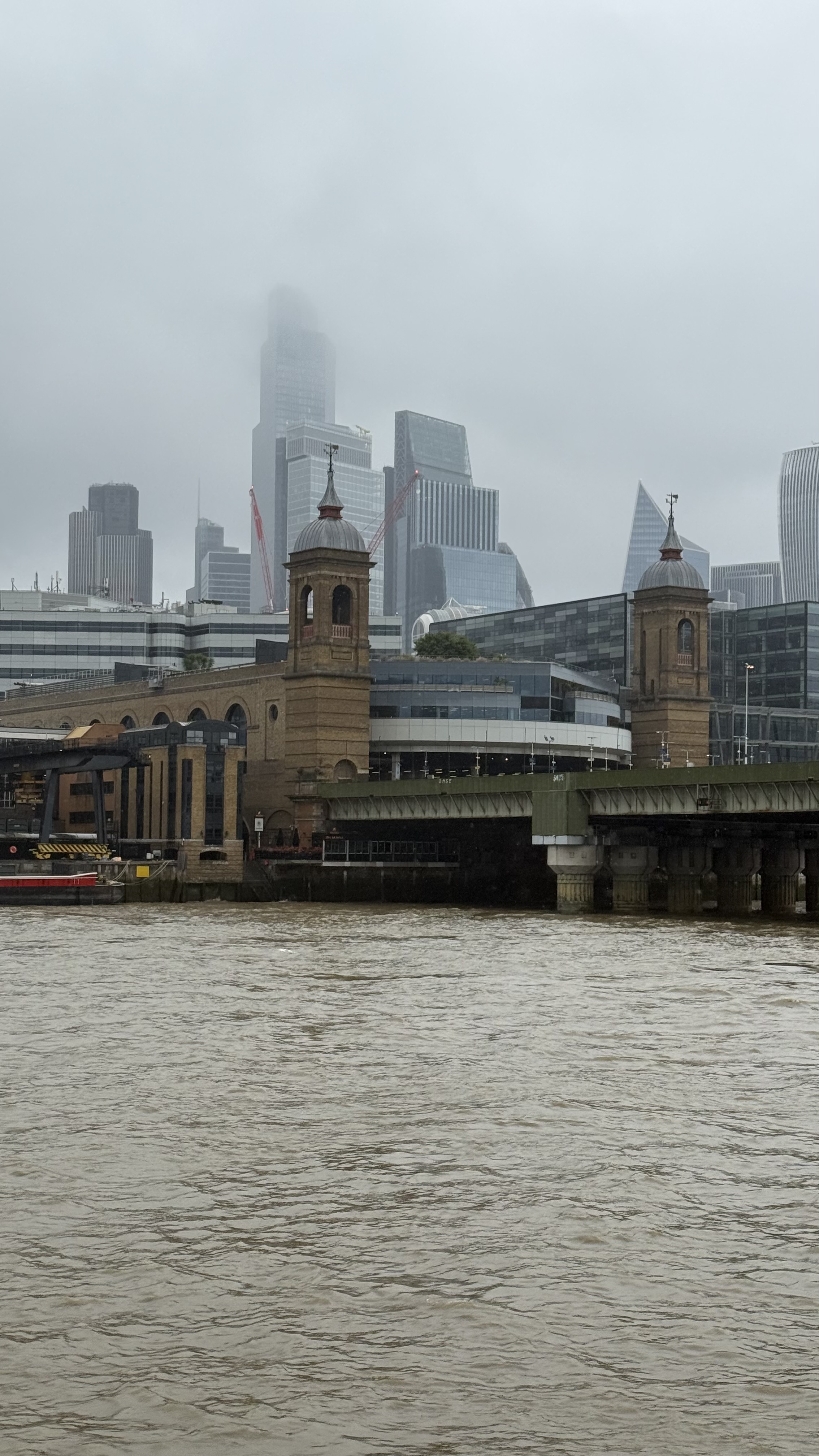
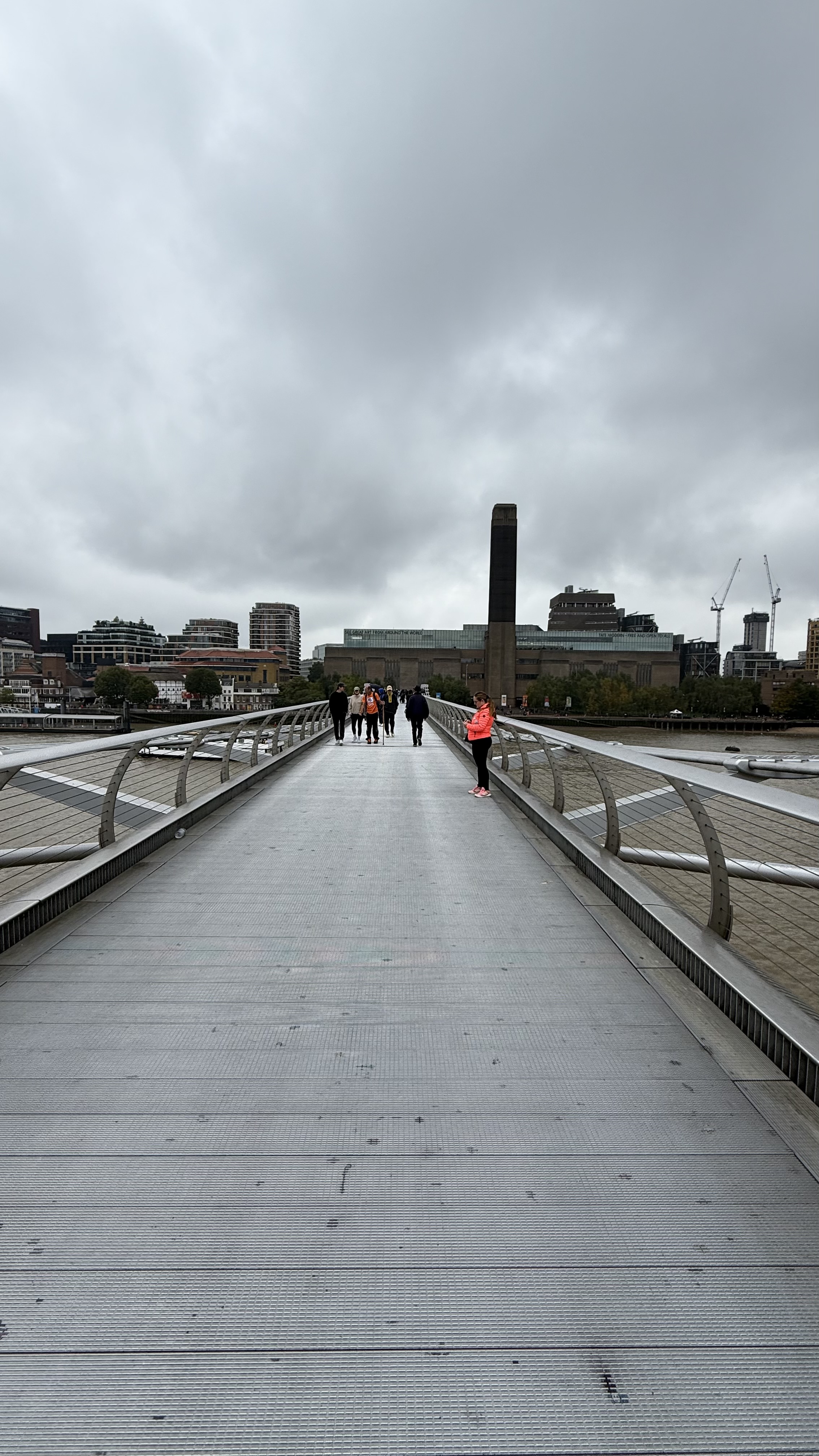
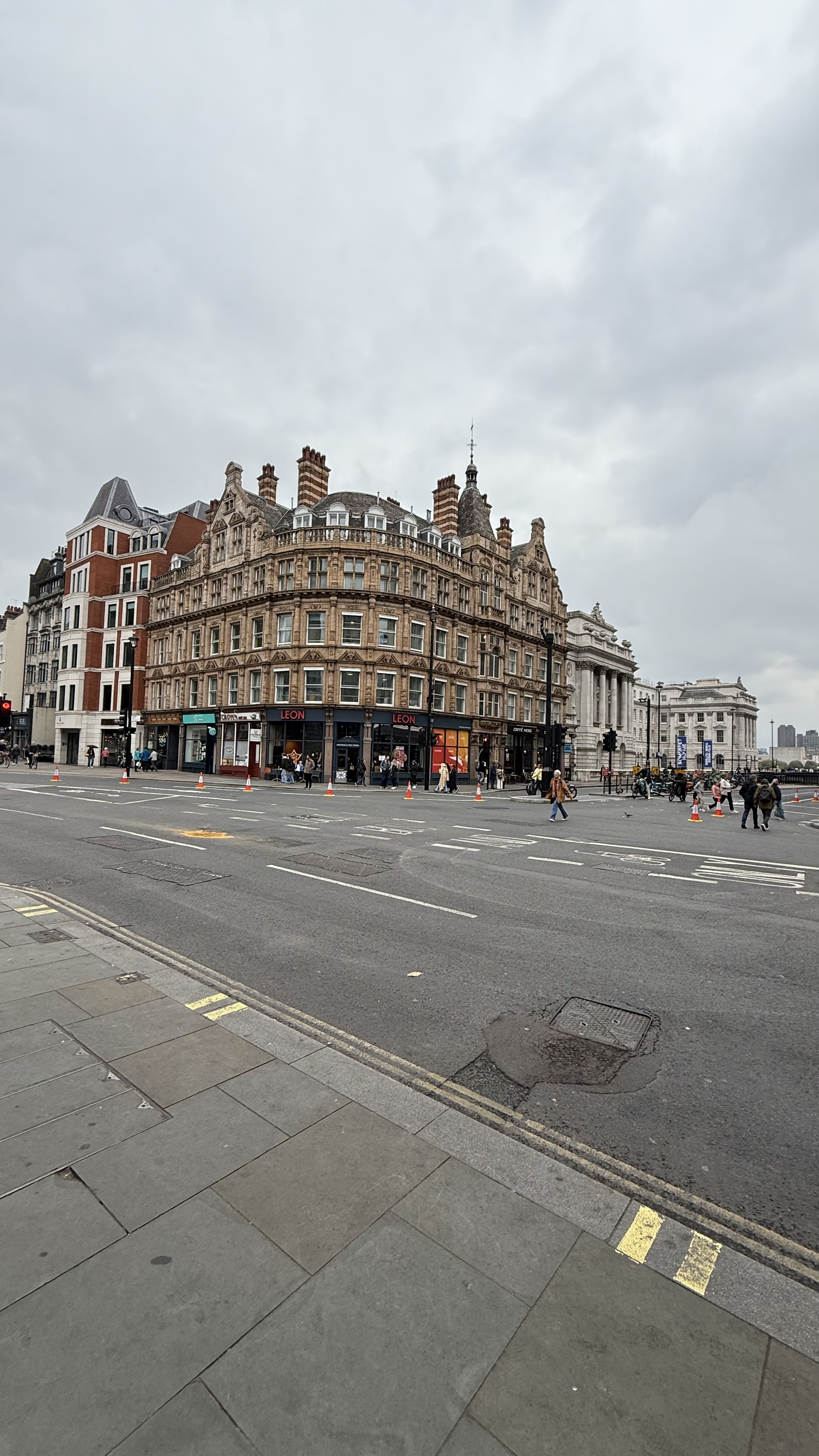
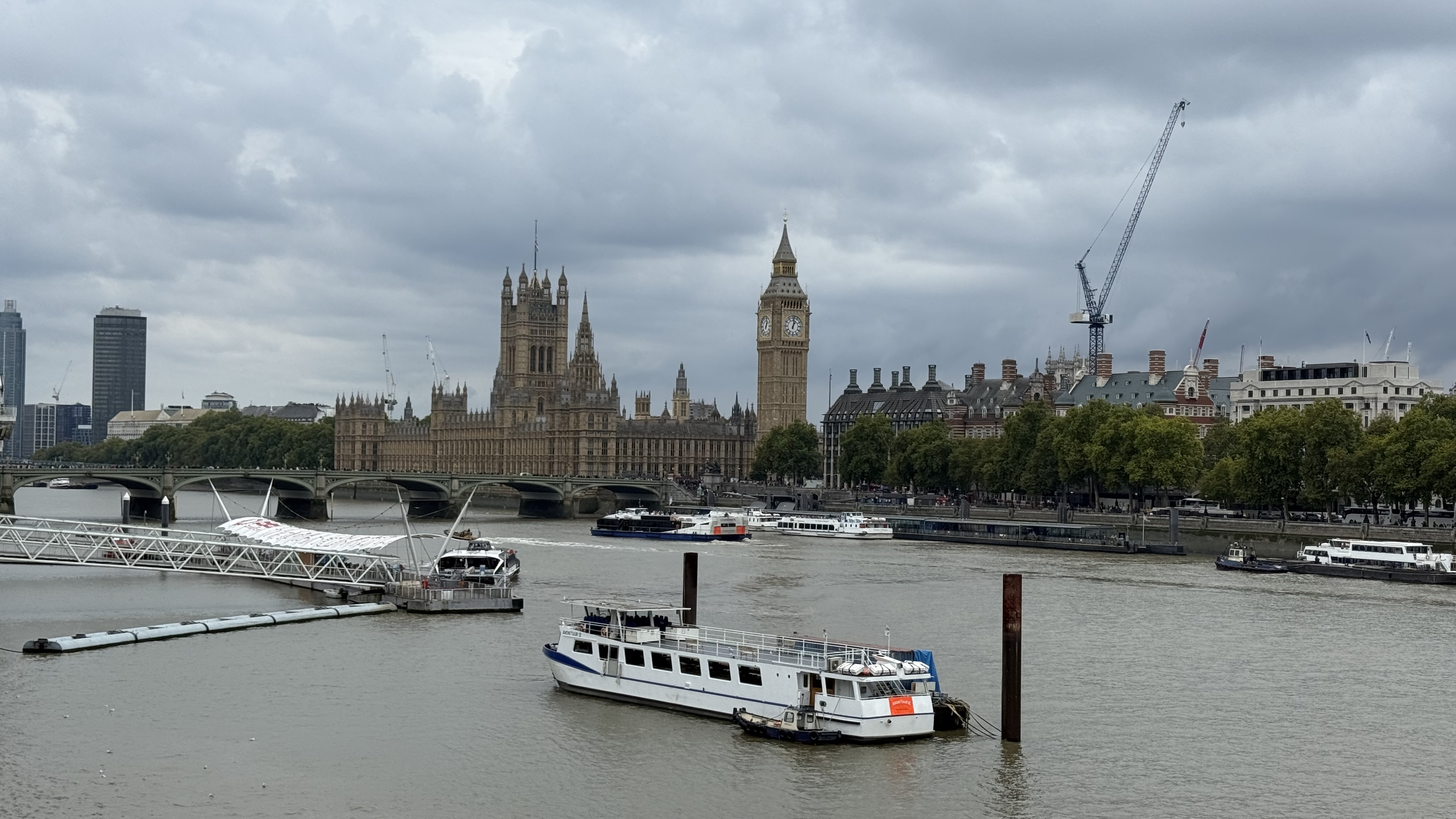
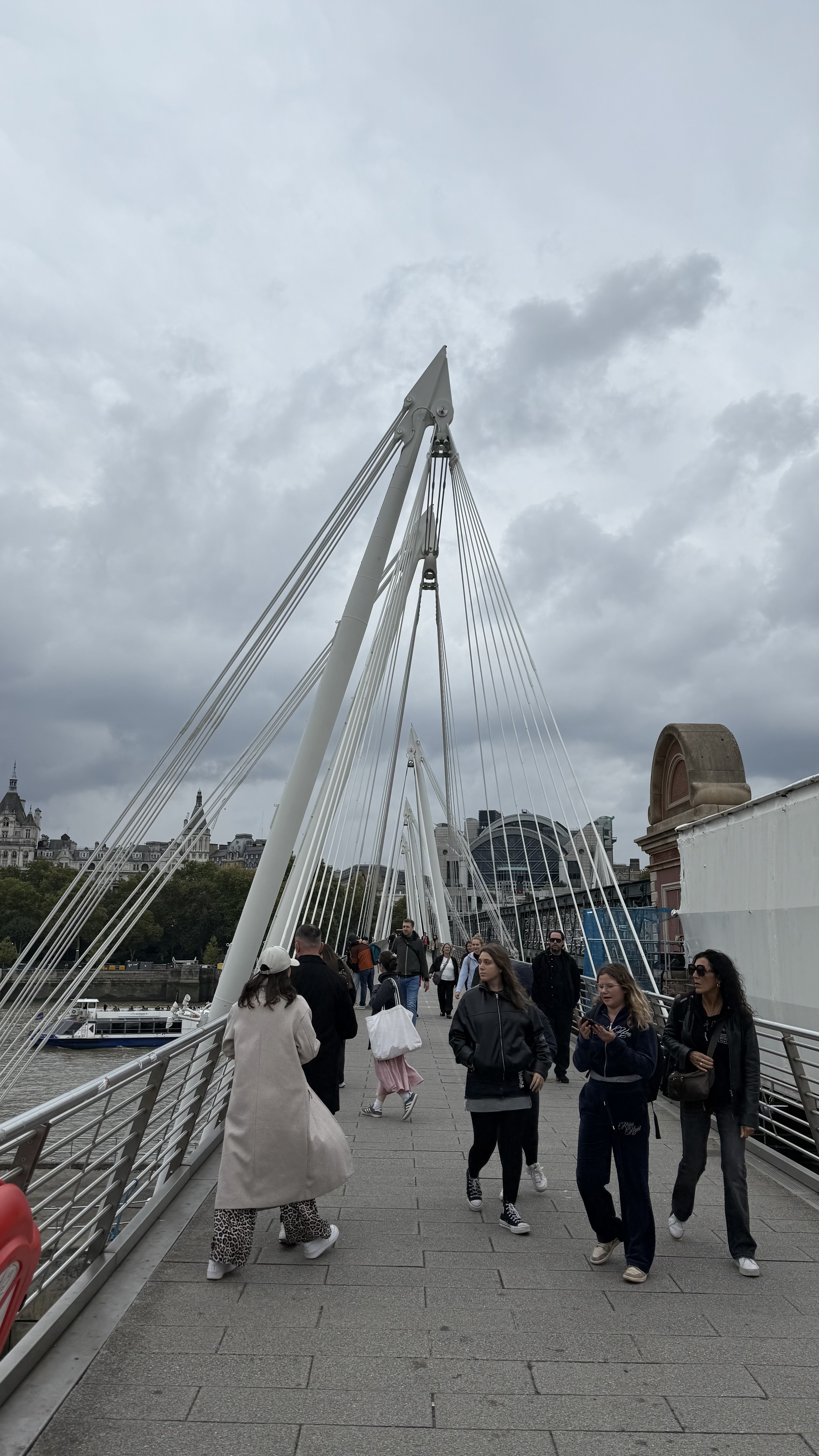
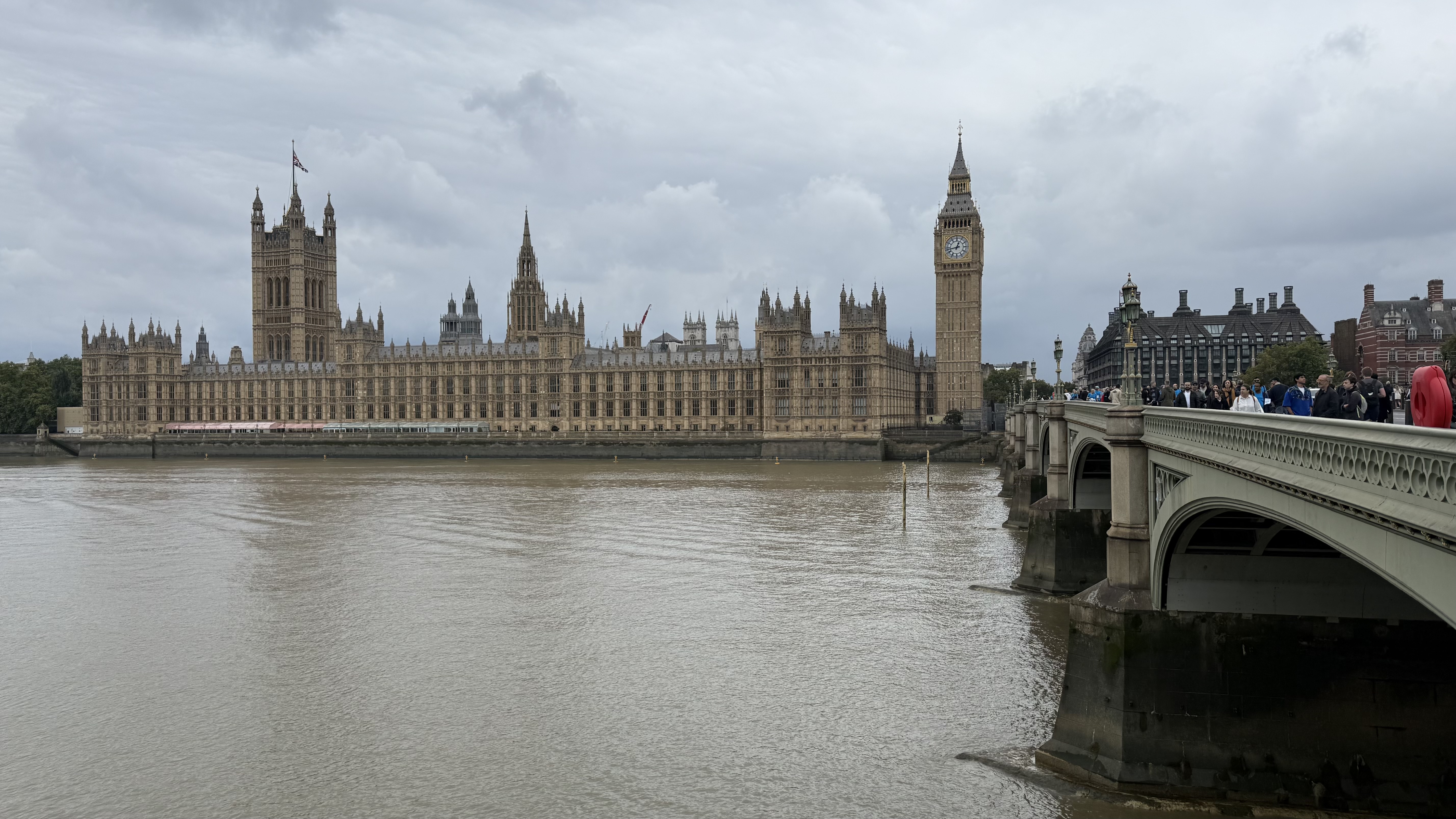
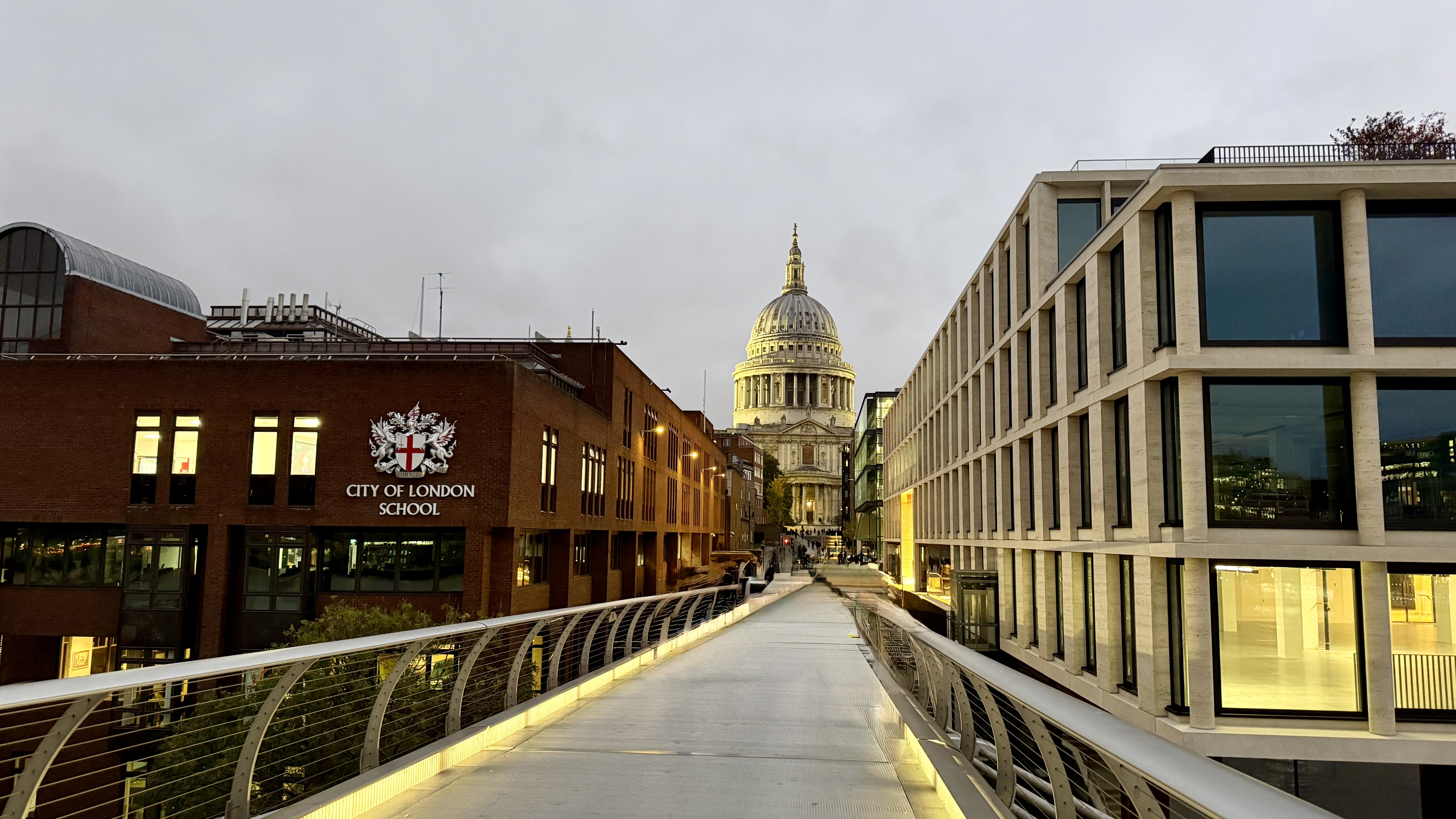
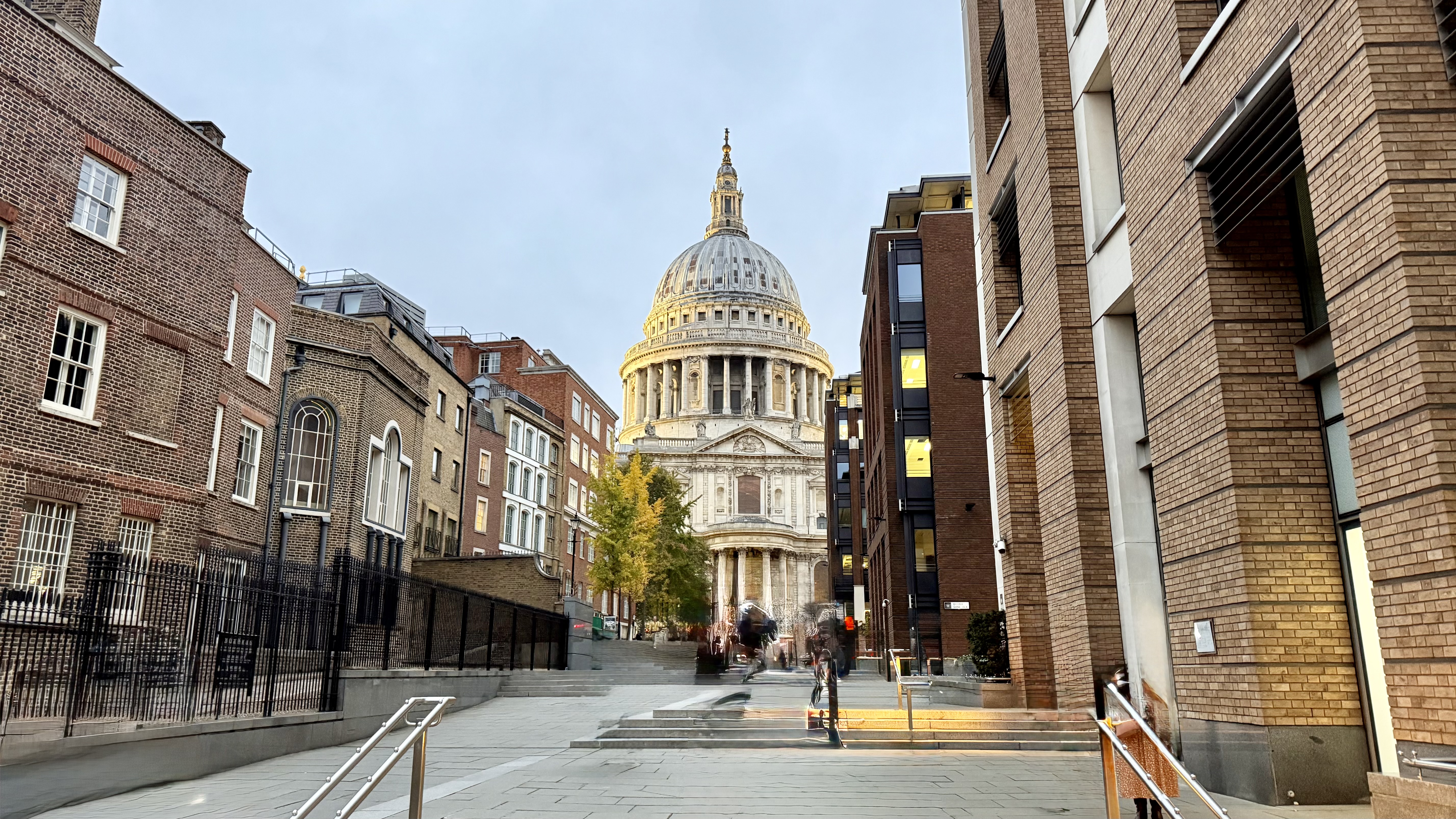
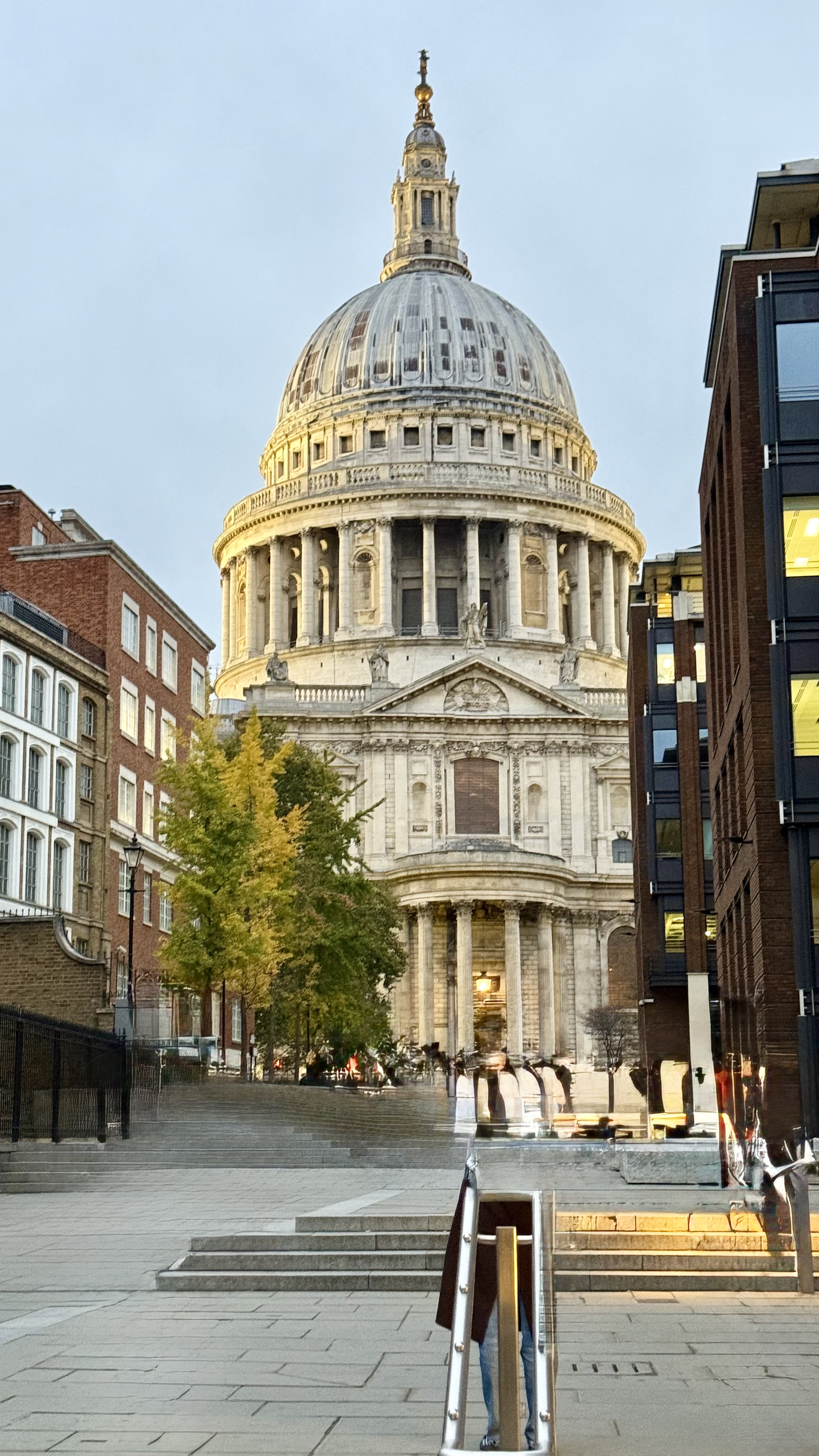
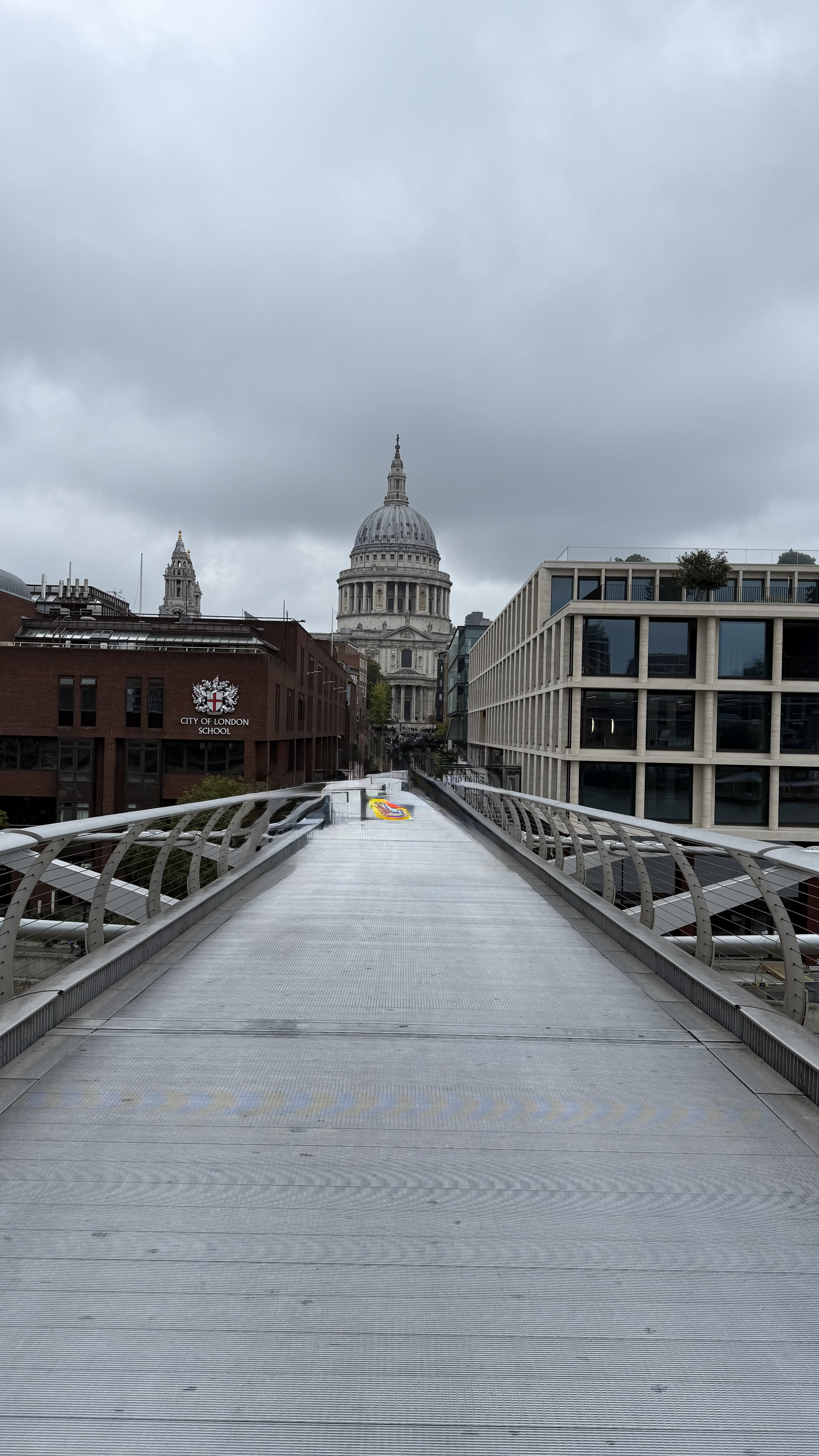
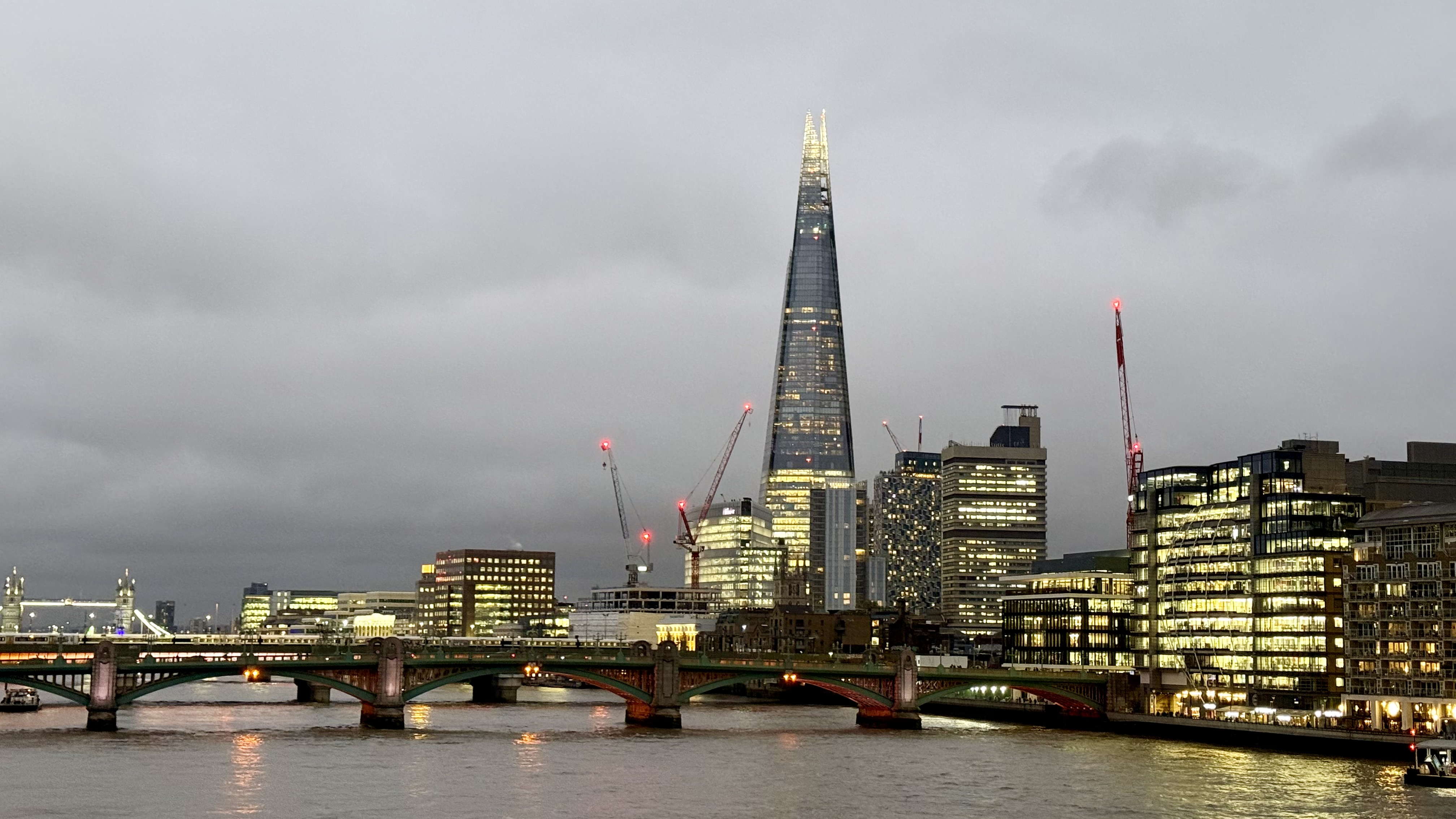
We explored Millennium Bridge, New Change, and Shad Thames, each view offering a different portrait of London — modern yet rooted.
📸 The Millennium Bridge with St. Paul’s rising beyond — a dialogue between eras.
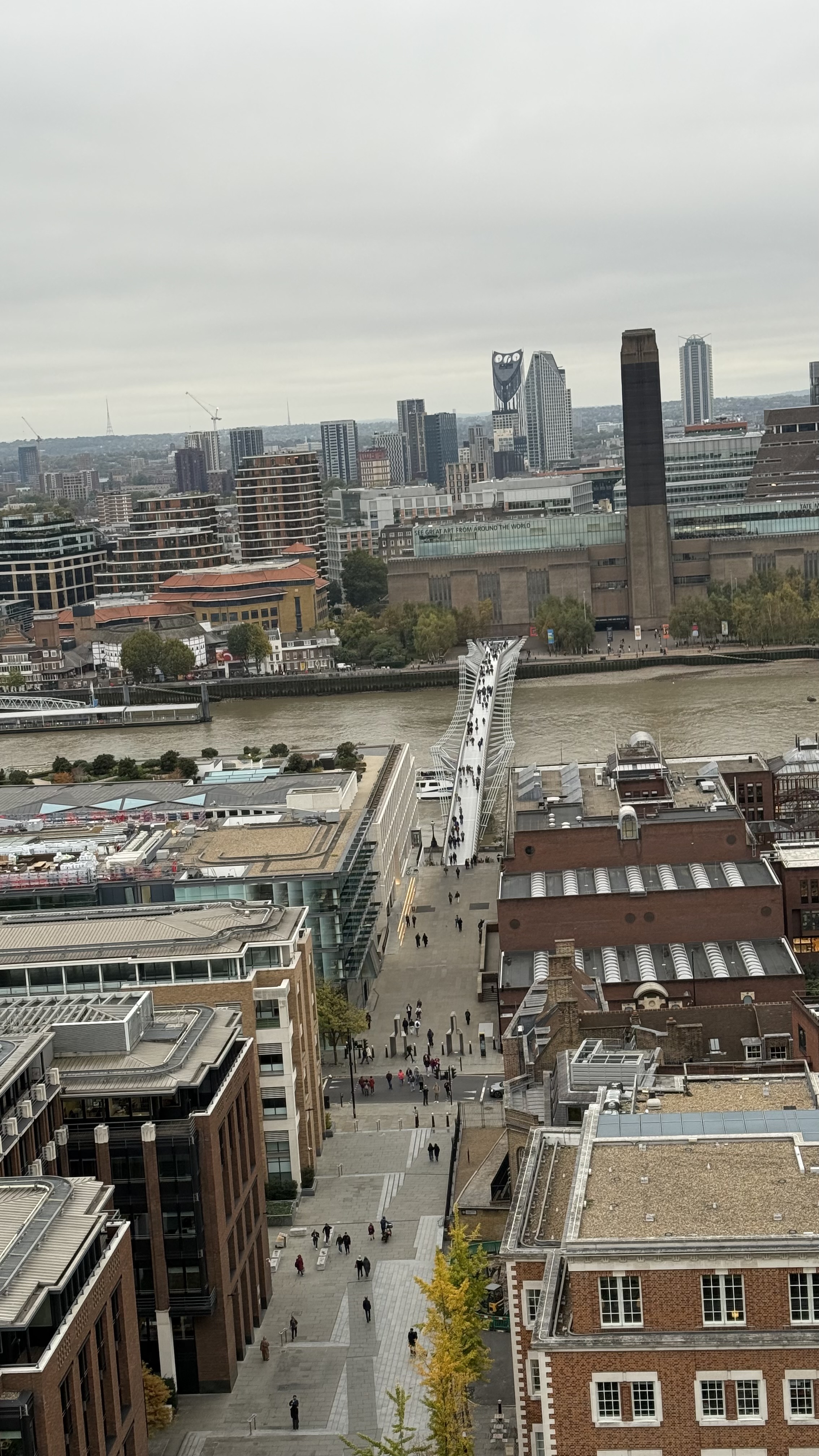

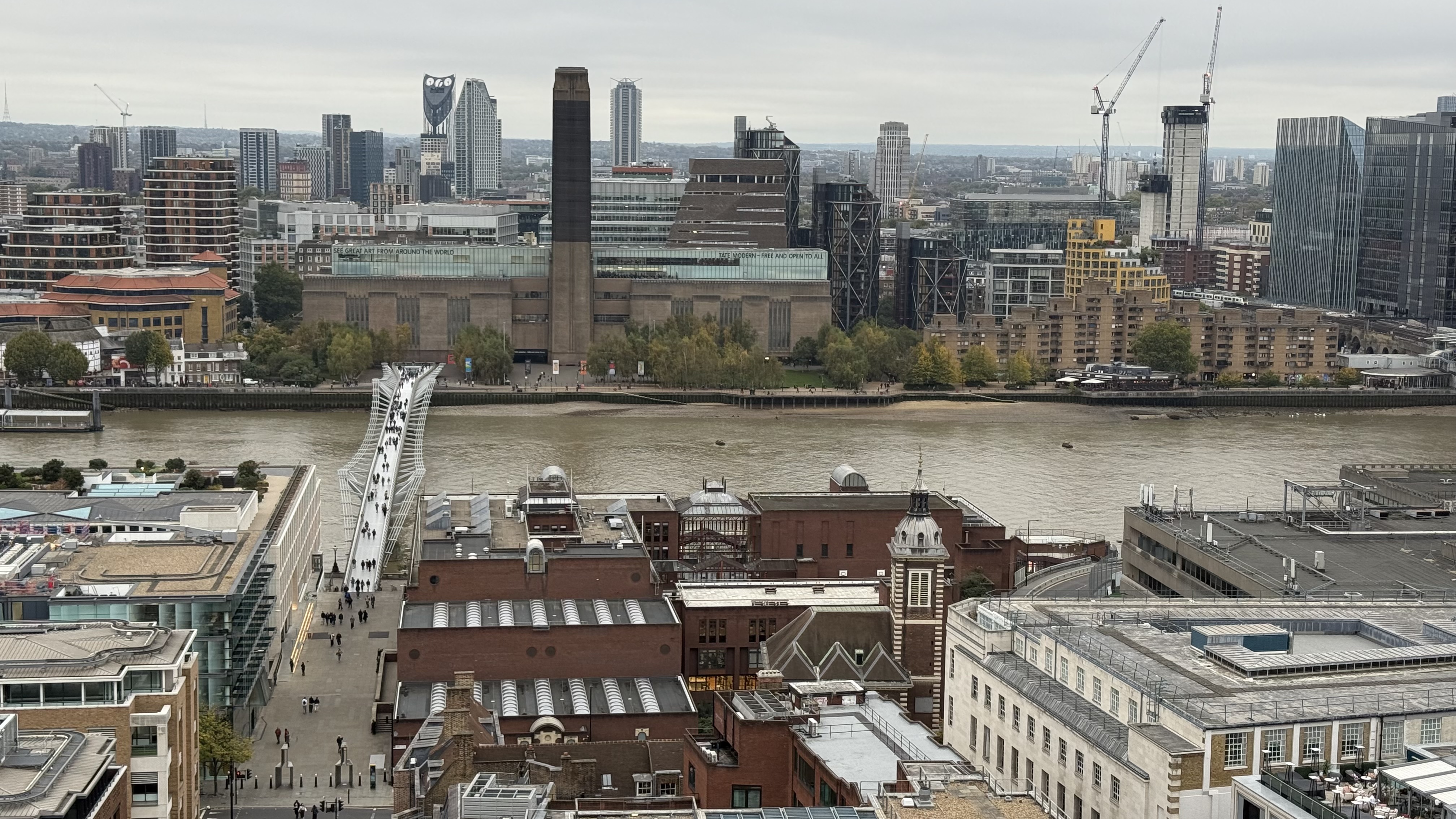
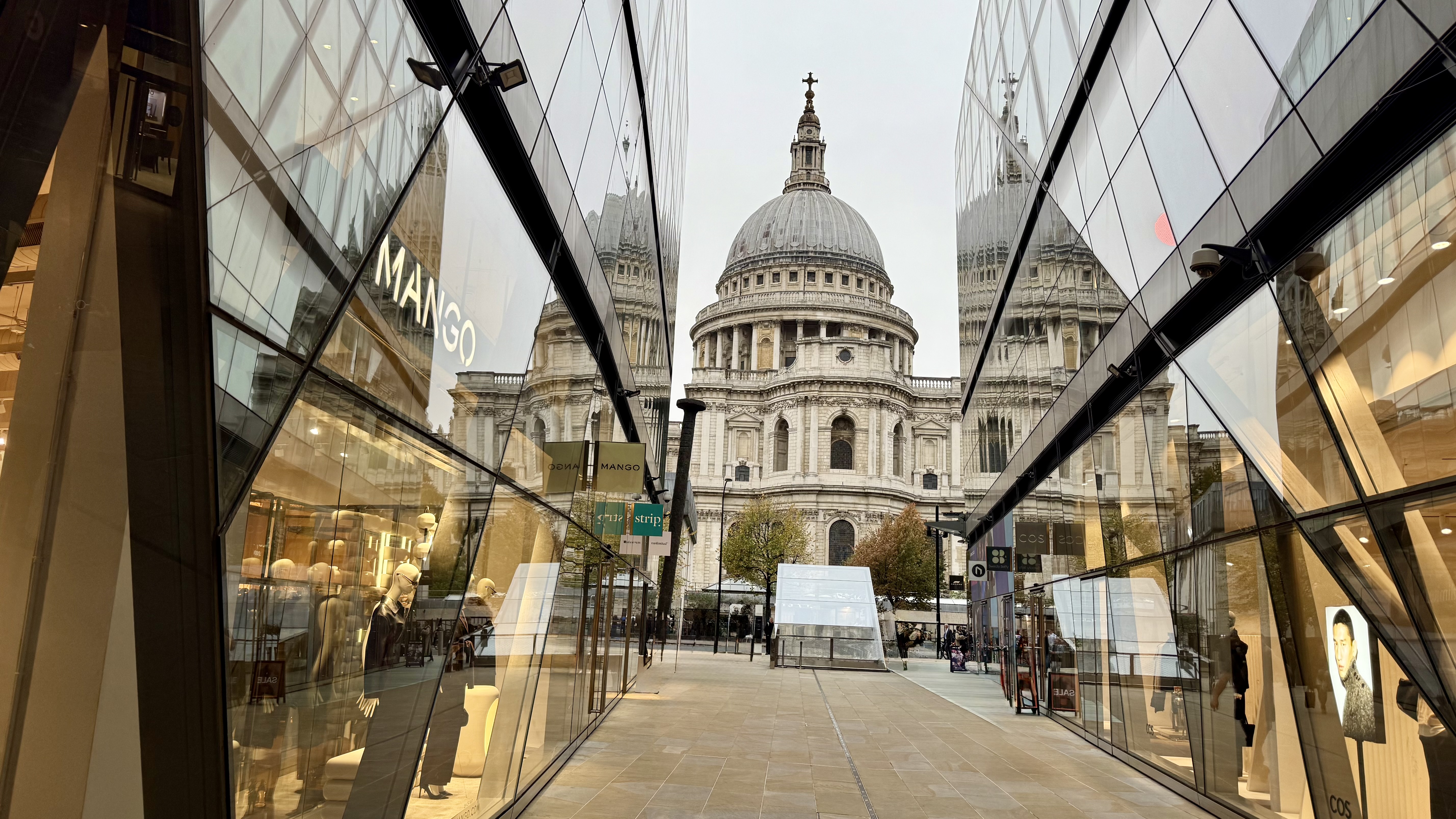
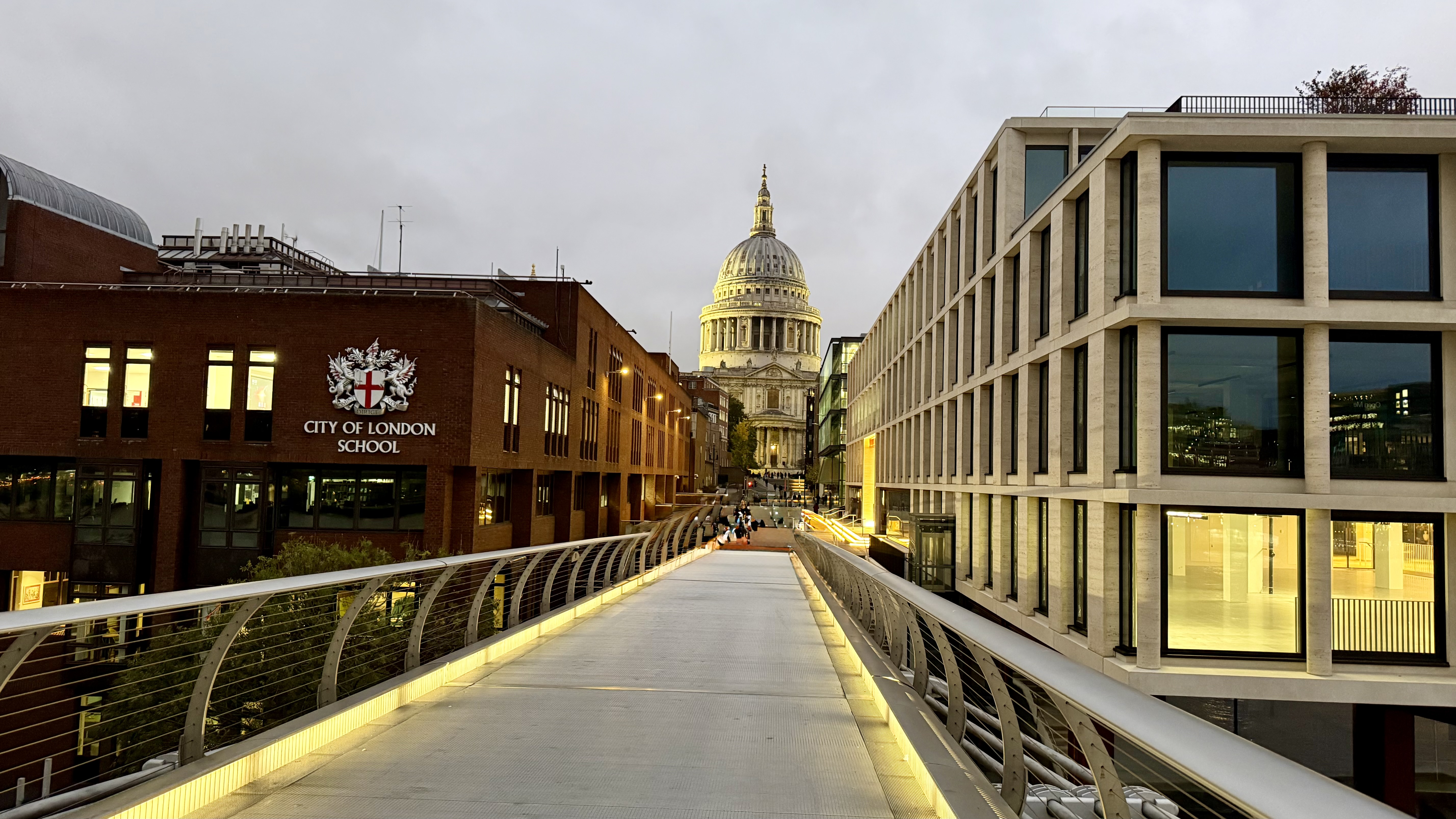
📸 The Cutty Sark under crisp grey skies.
🍴
A Culinary Tapestry: From Street Eats to Silver Service
London’s food scene mirrors its diversity.
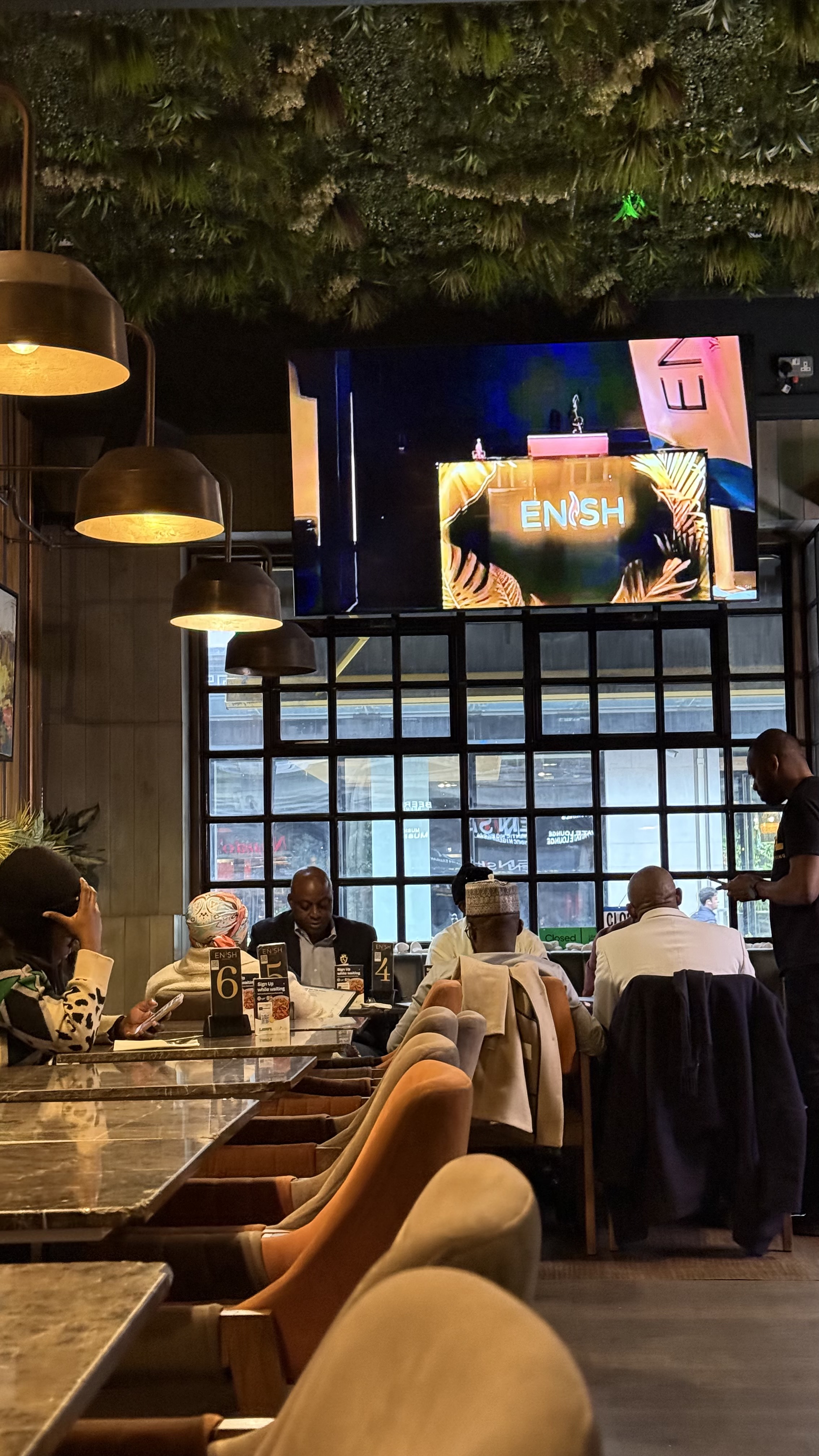
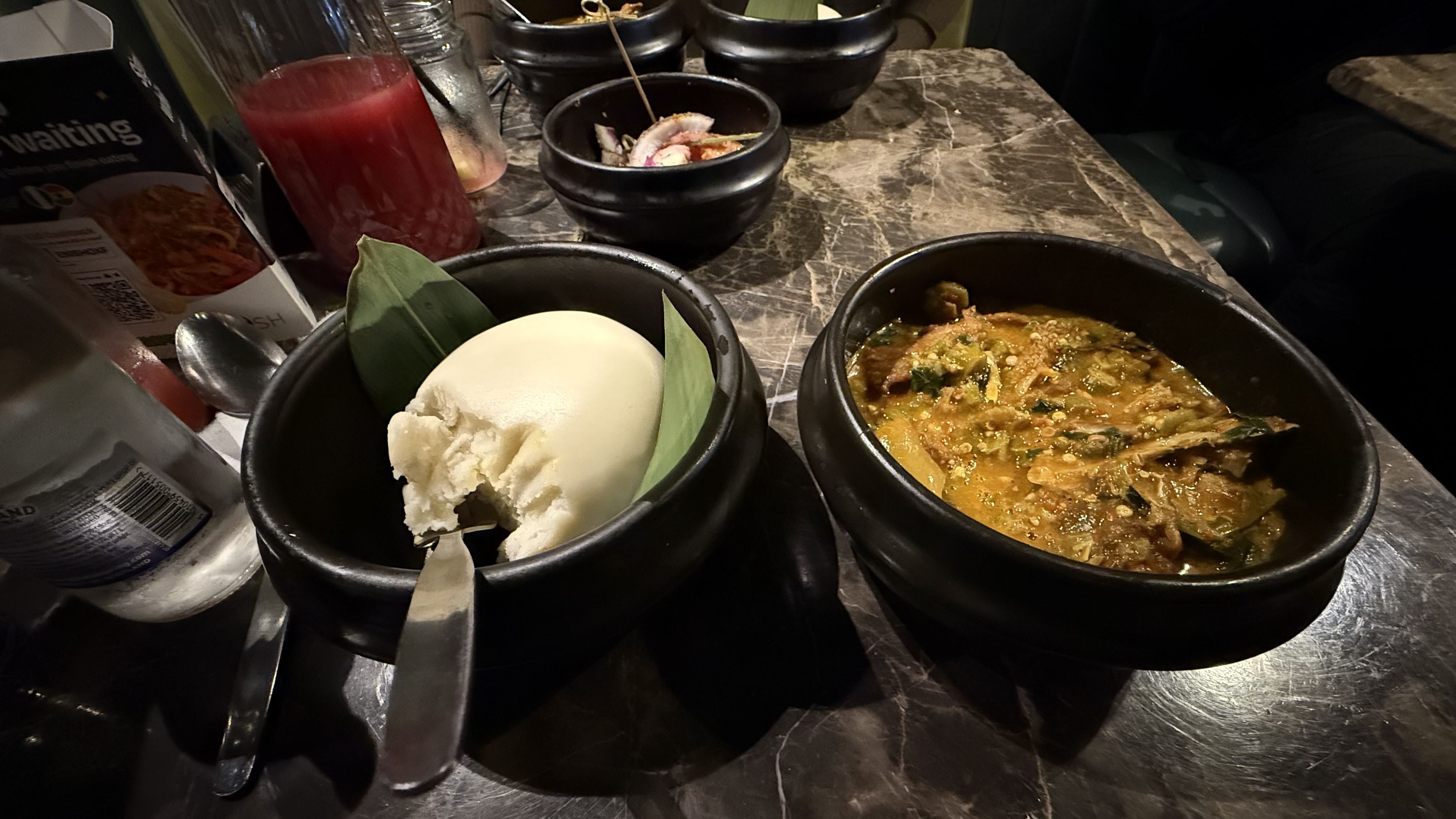
From the Nigerian flavors of Enish on Oxford Street to the elegant artistry of TH@51, every meal told a story.
Noble Palace was an indulgence — exquisite Chinese fine dining, precise and memorable.
And for contrast: The Laughing Halibut, where a golden-battered cod and chunky chips reminded me that simple food, done right, remains unbeatable.
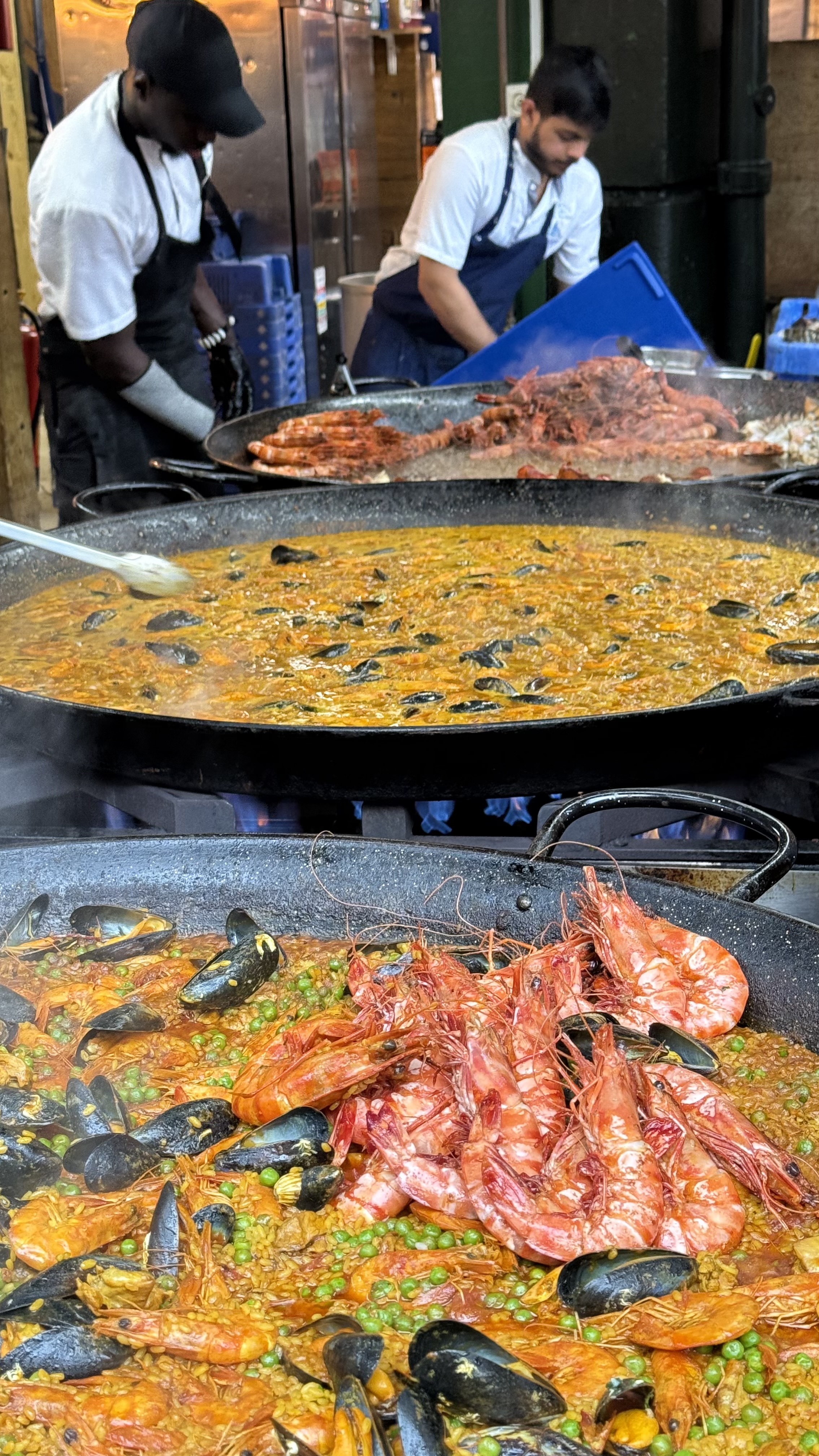
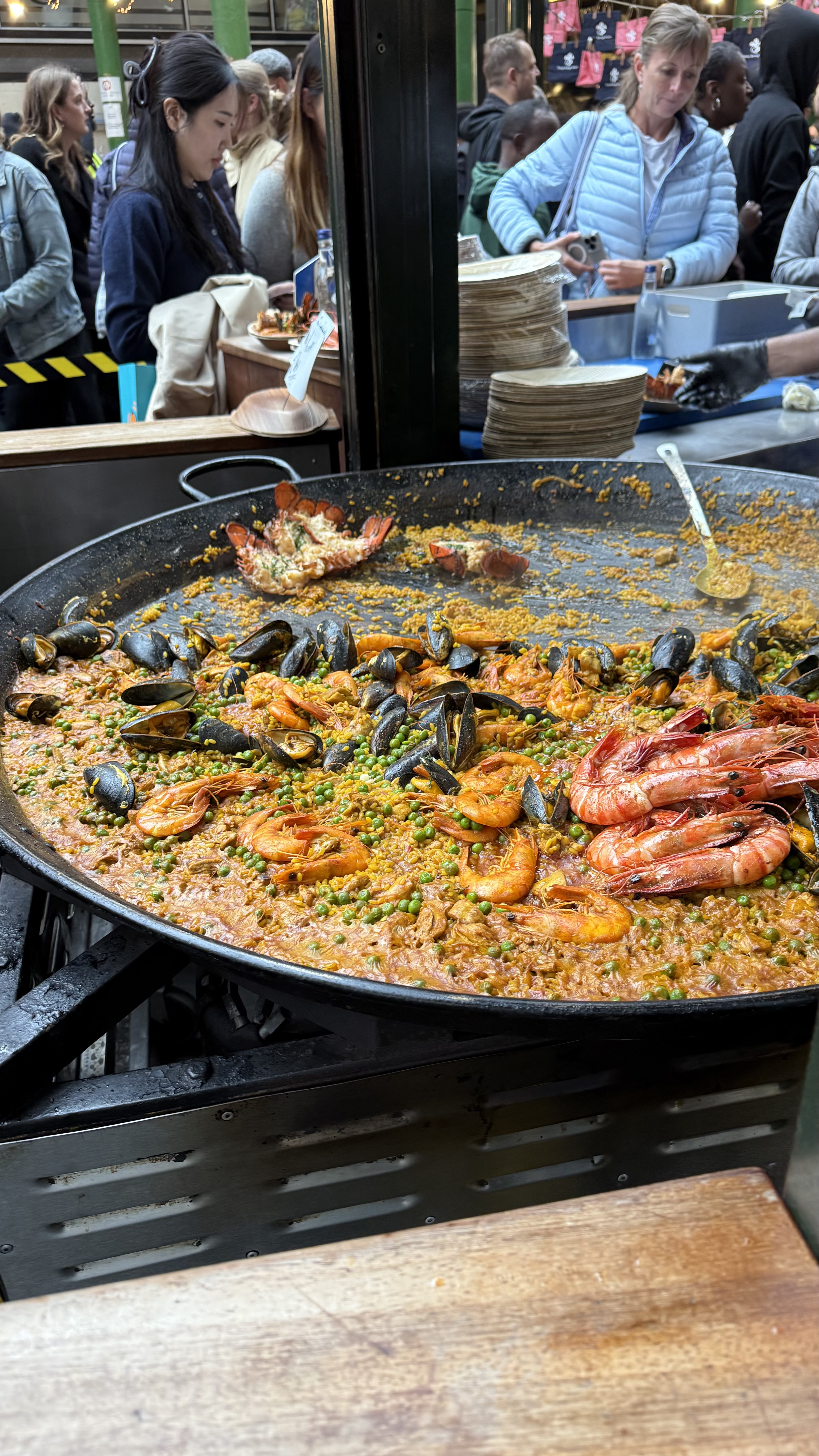
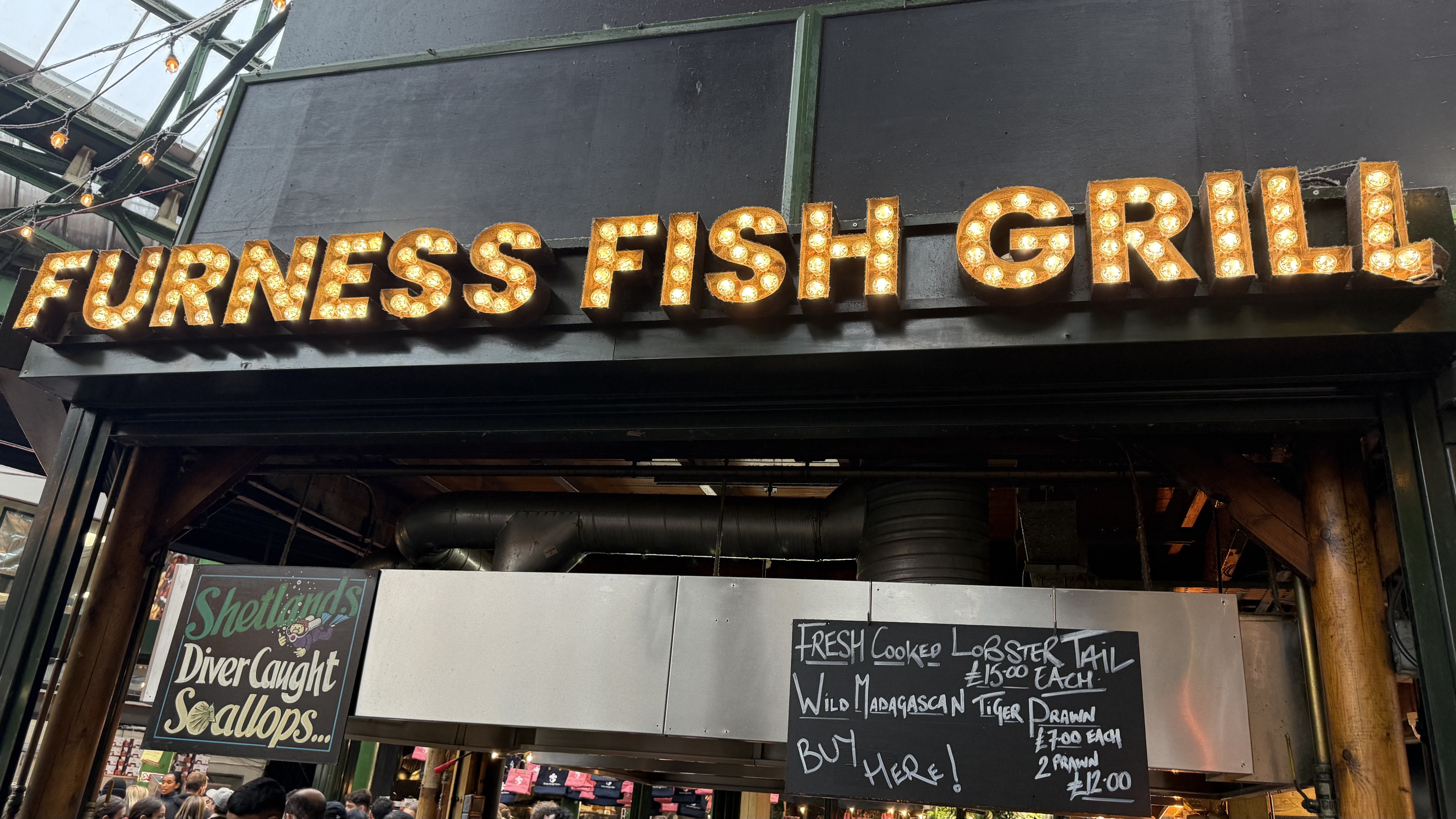
📸 Borough Market stall serving sizzling paella with lobster.
📸 Nigerian flavors of Enish on Oxford Street: Pounded yam and assorted meats.
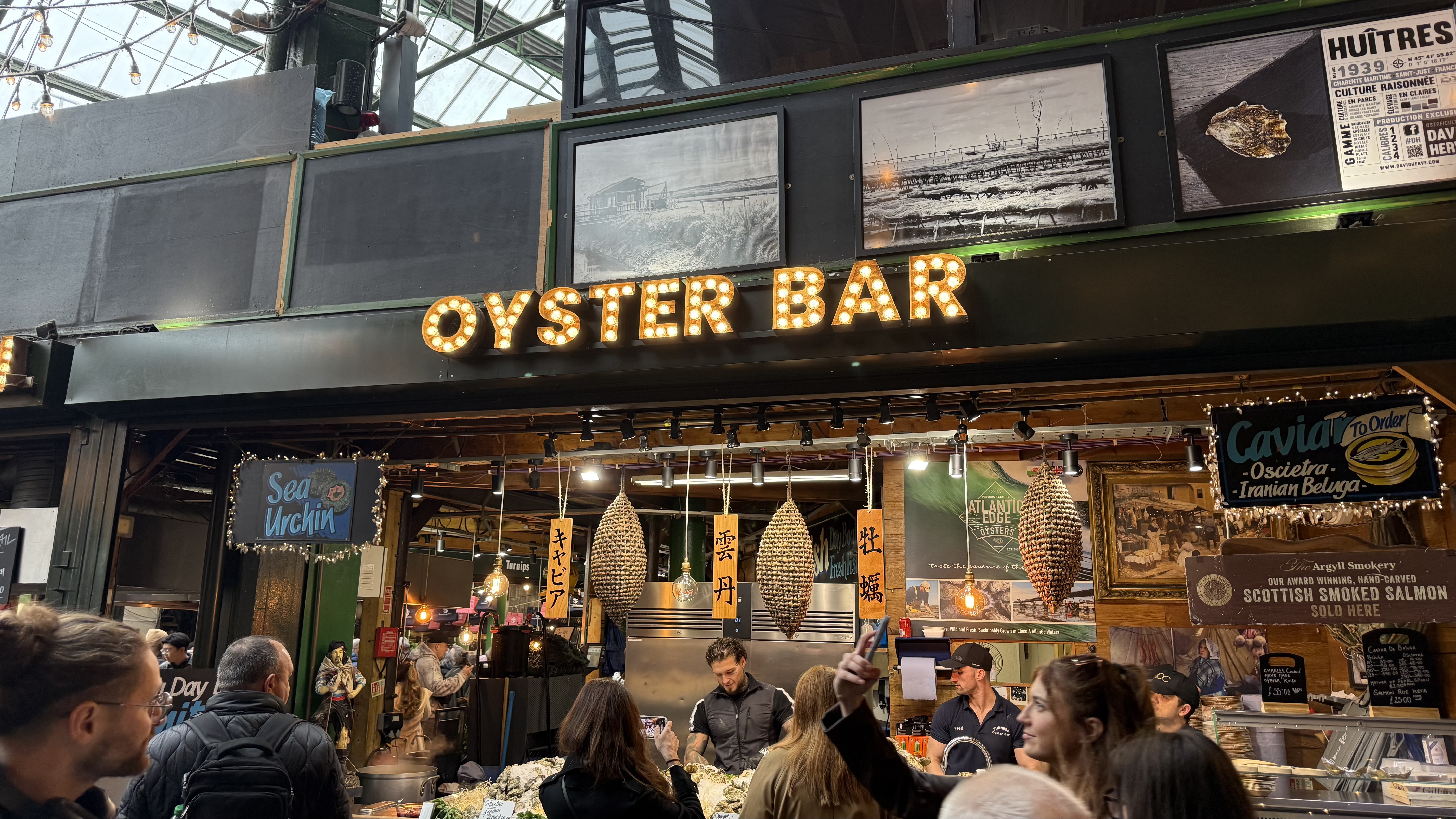
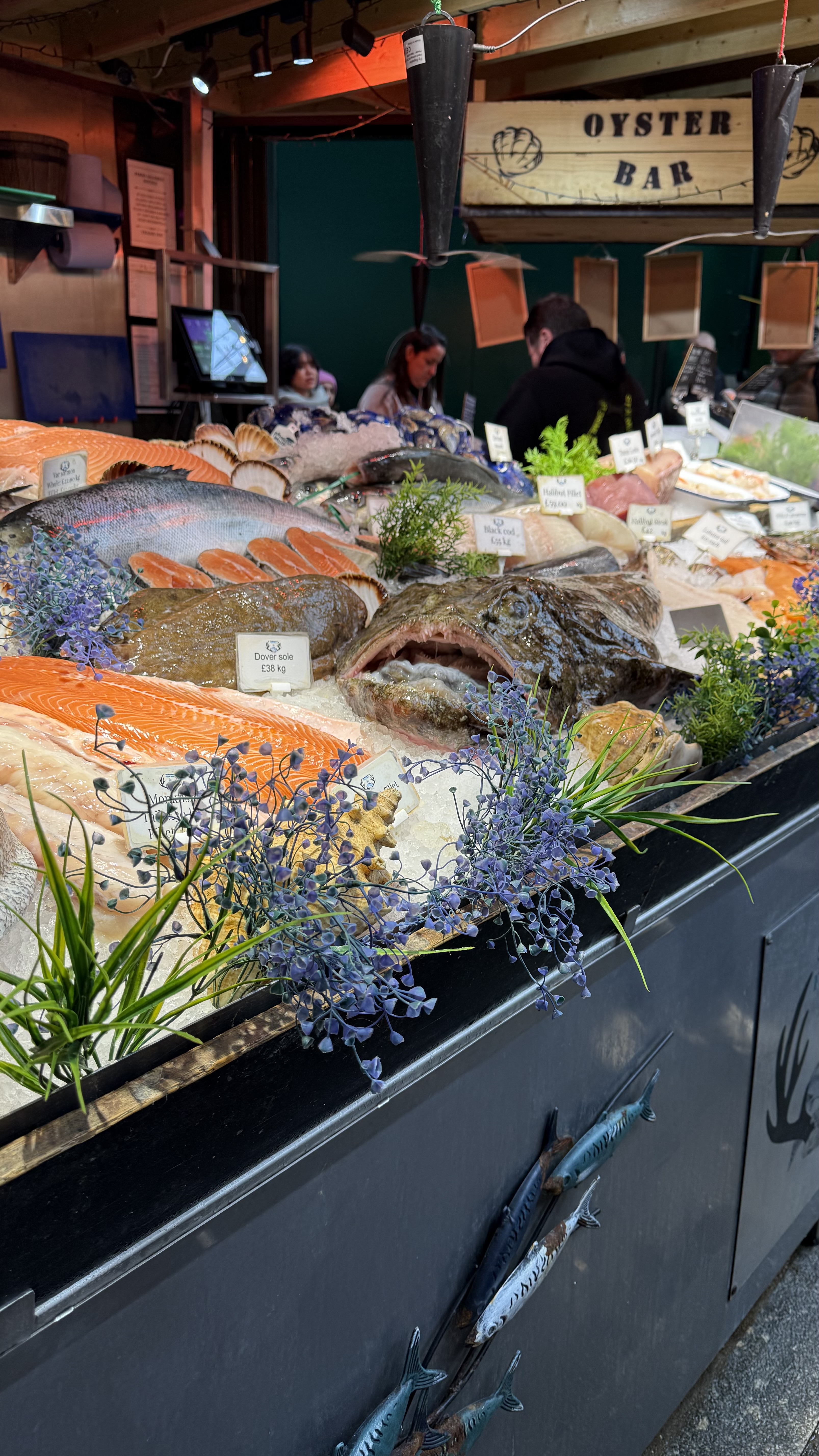
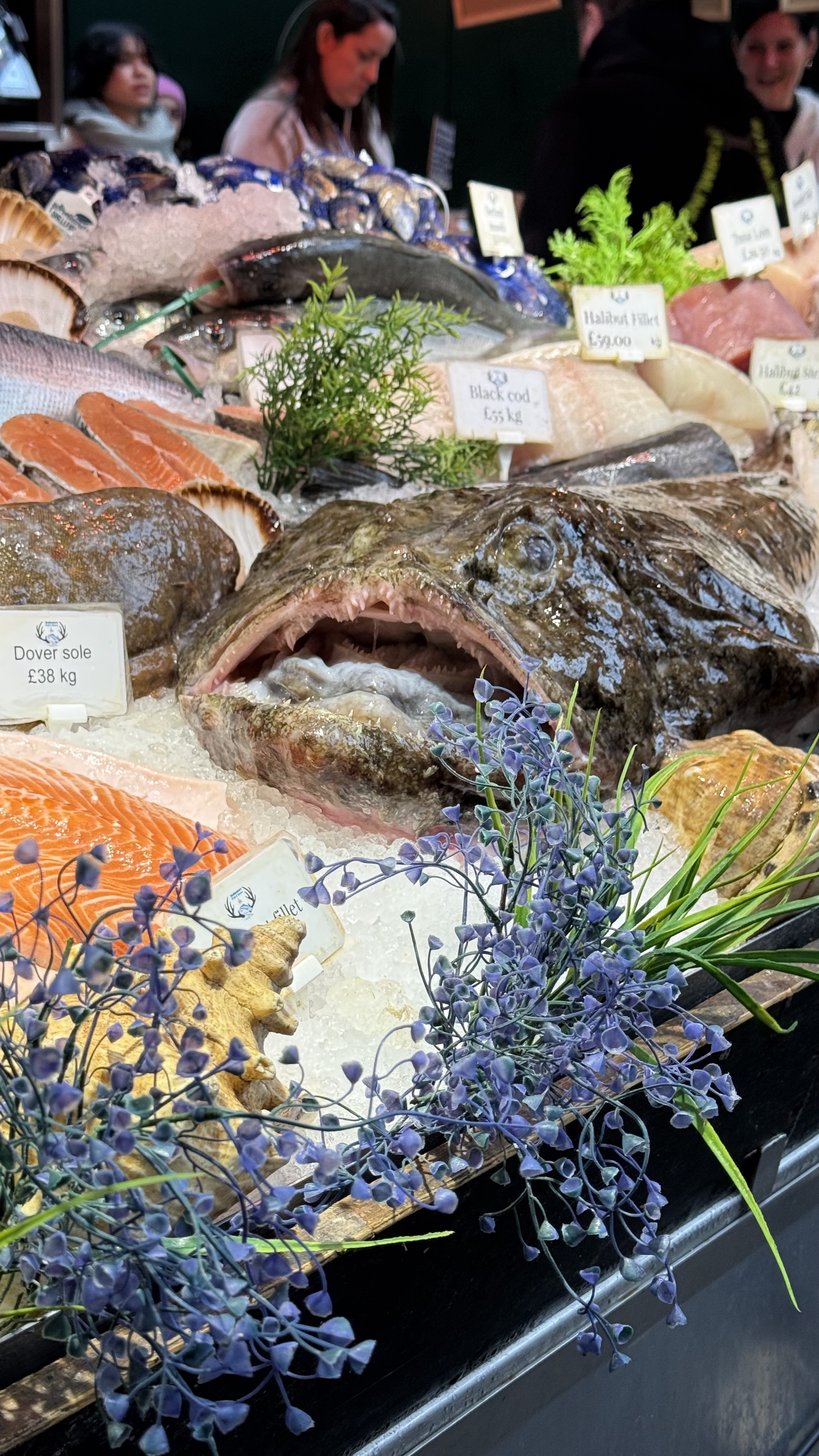
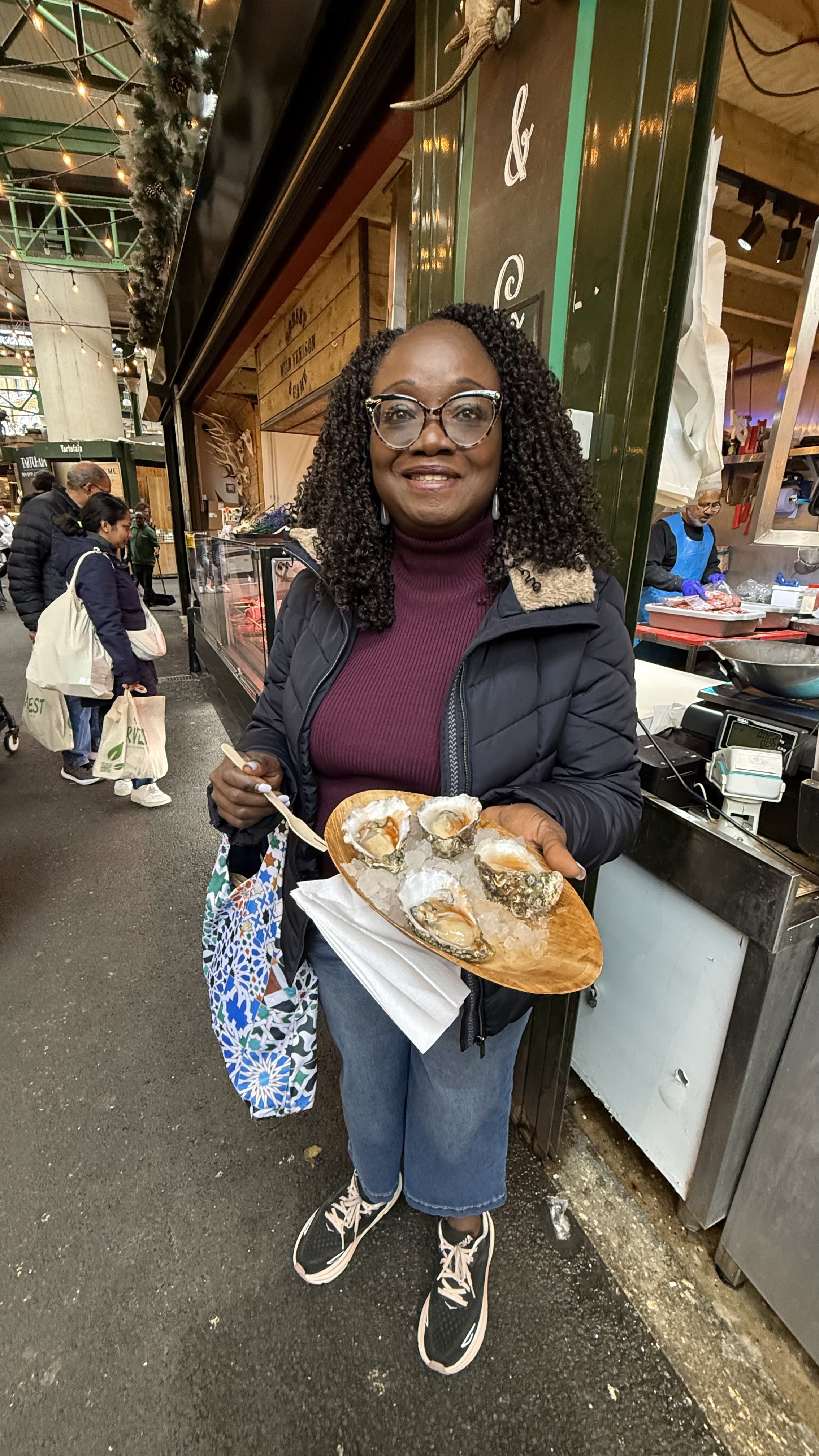
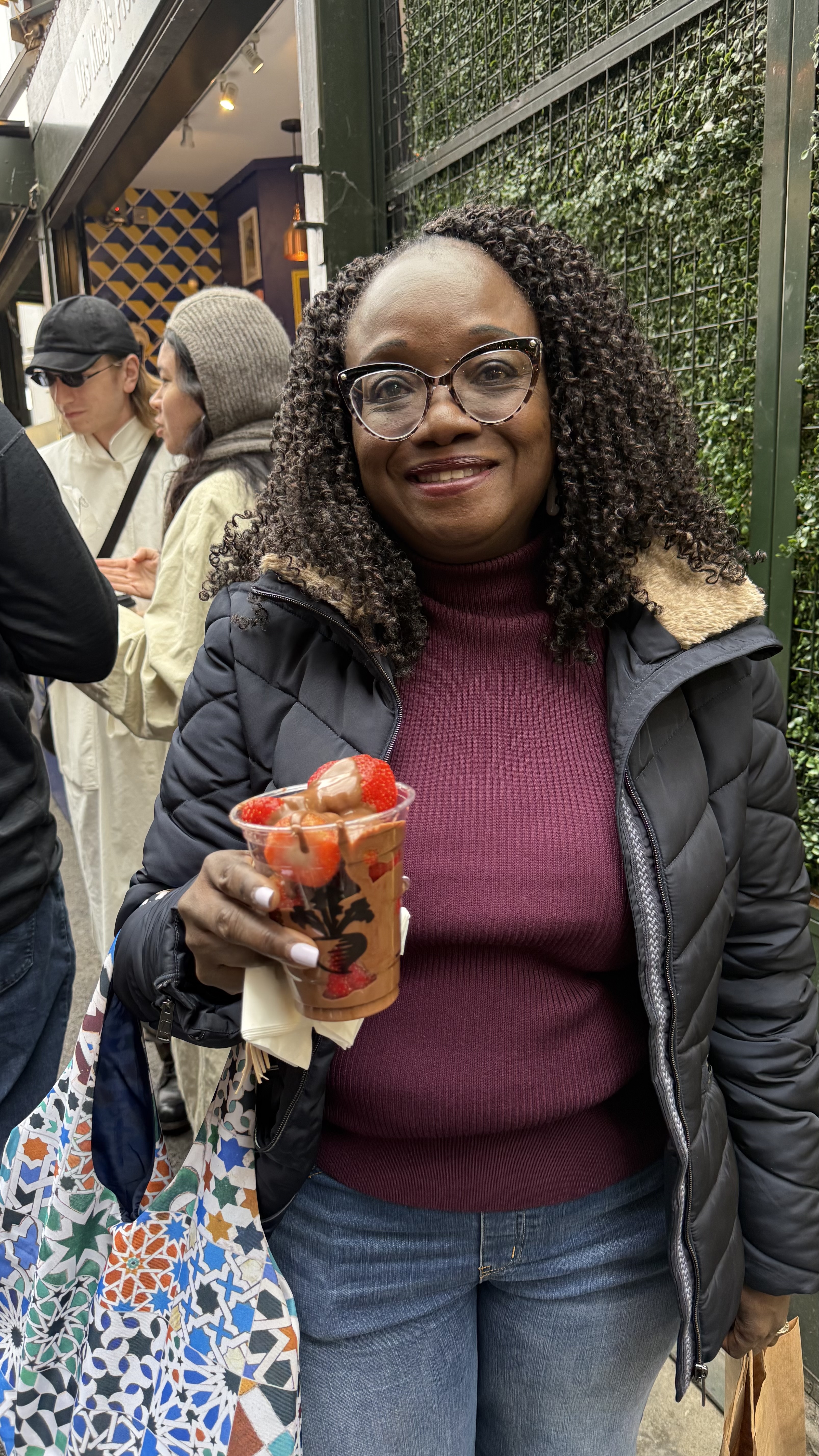
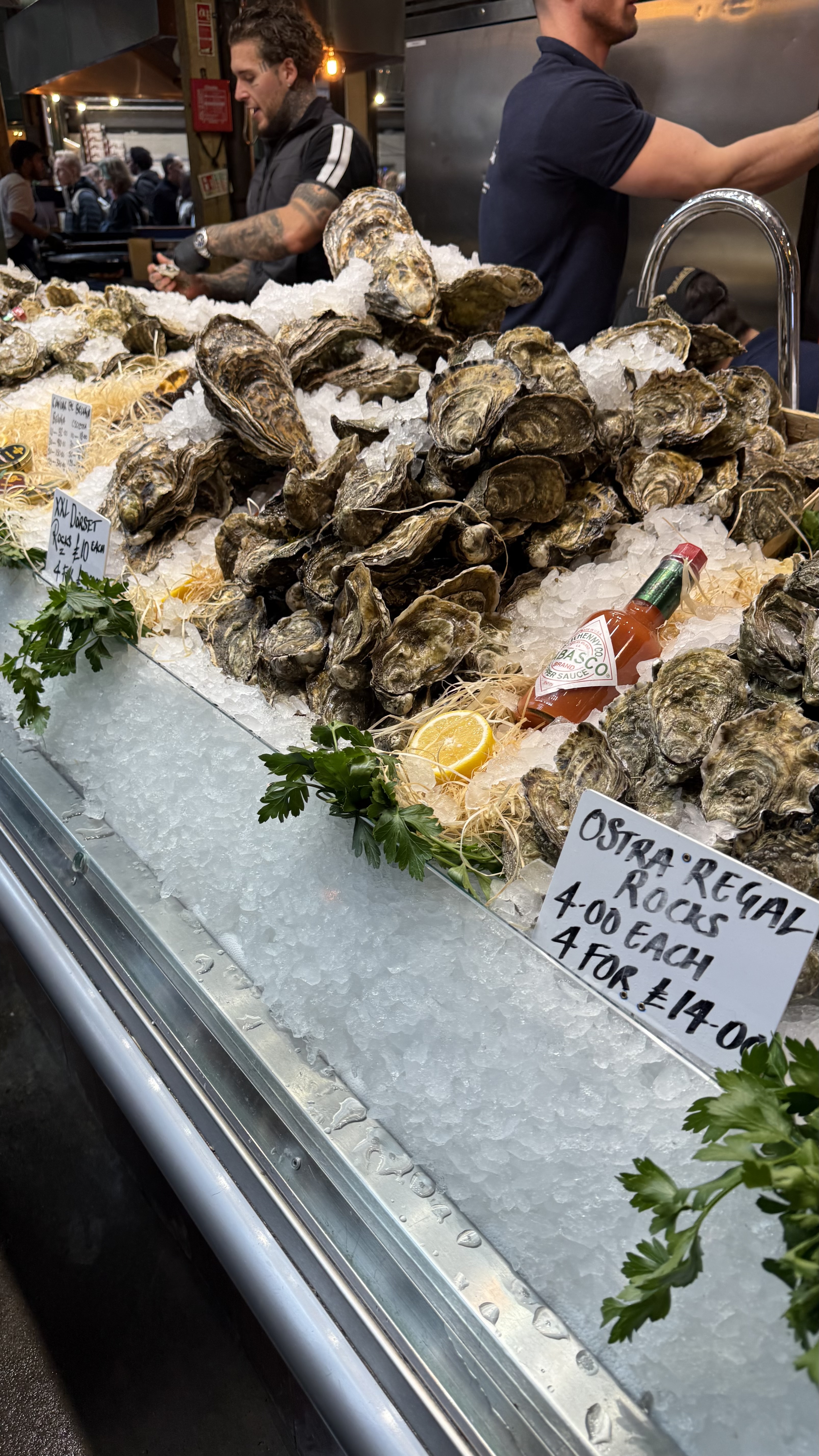
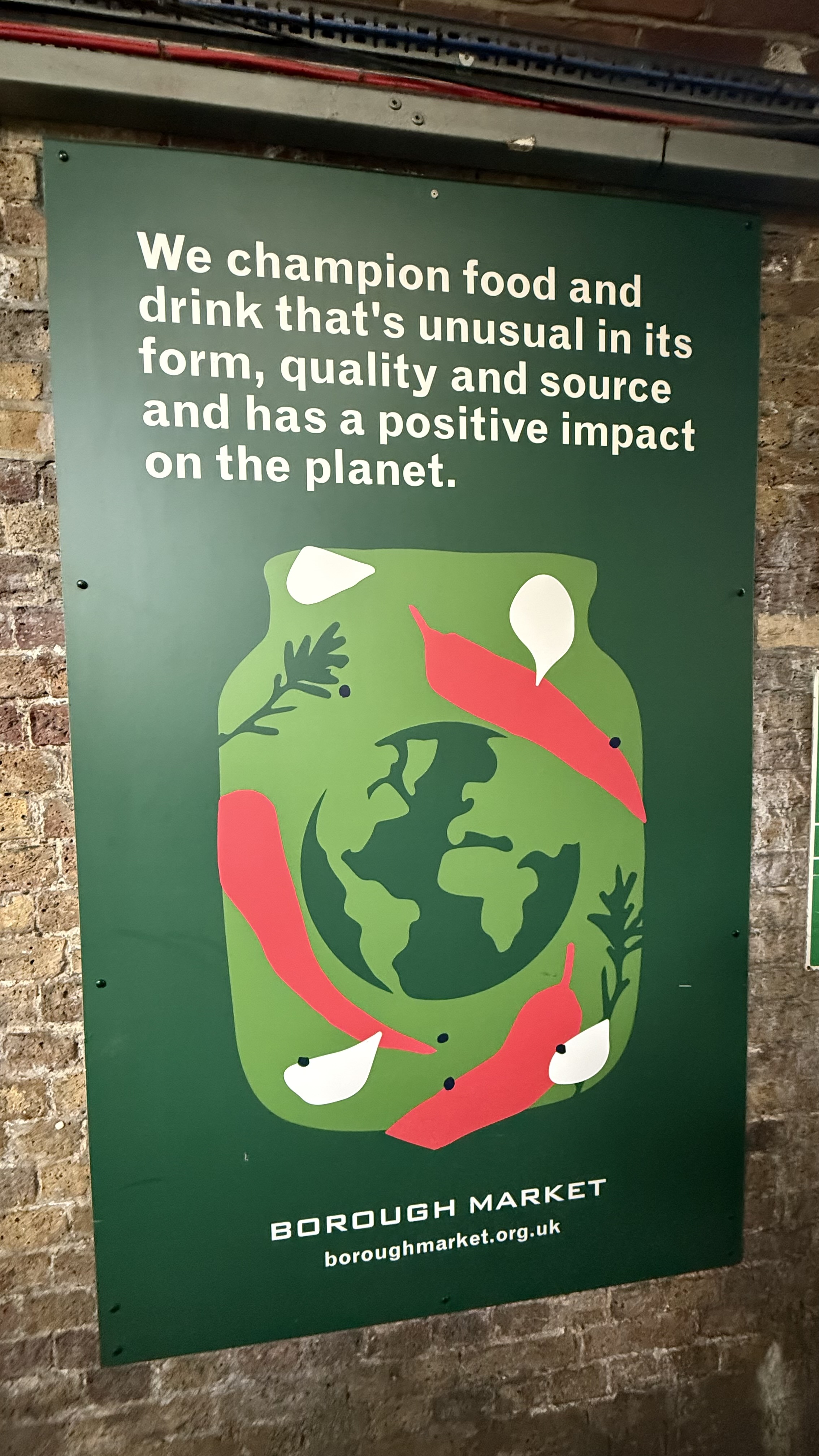
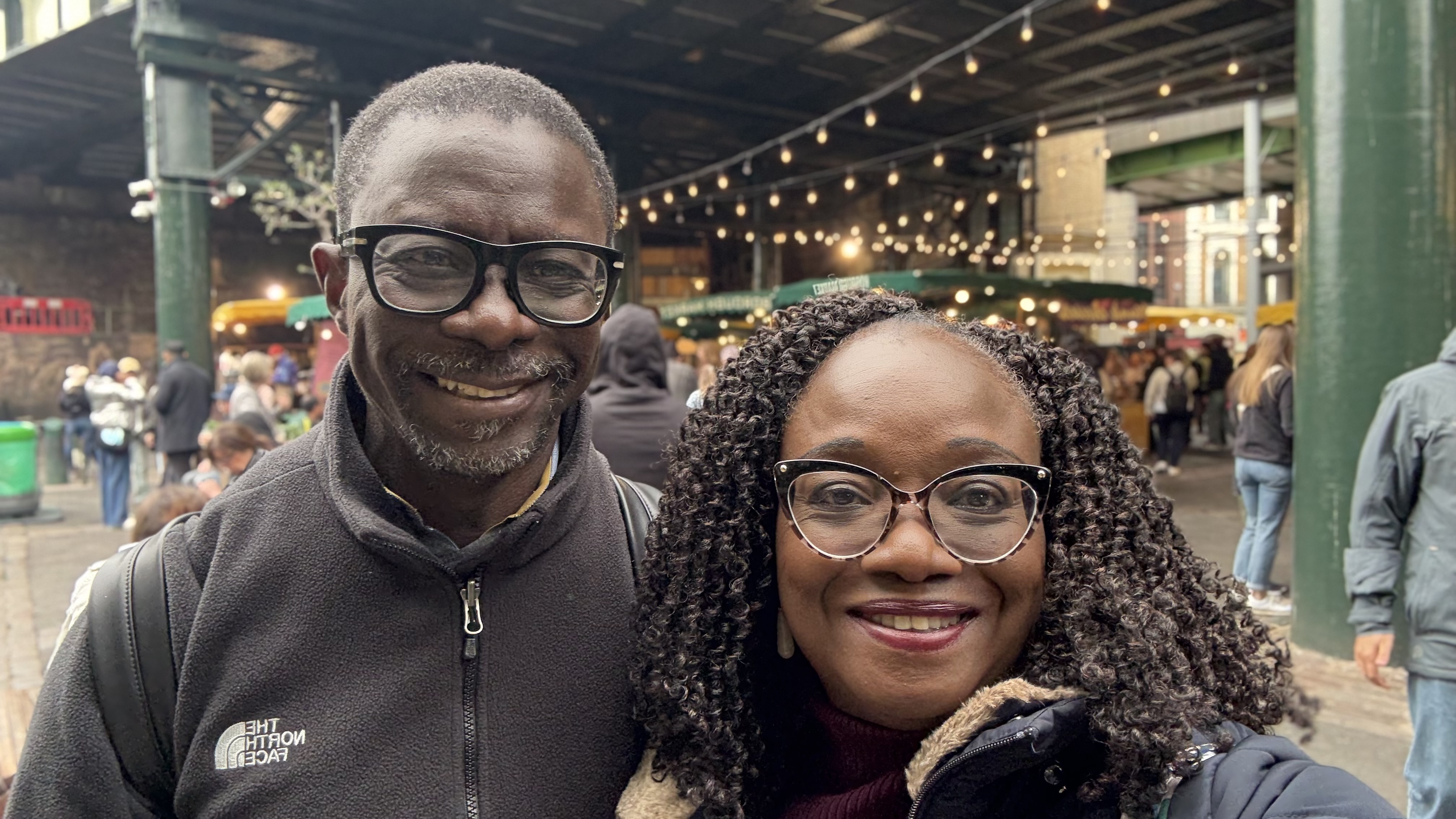
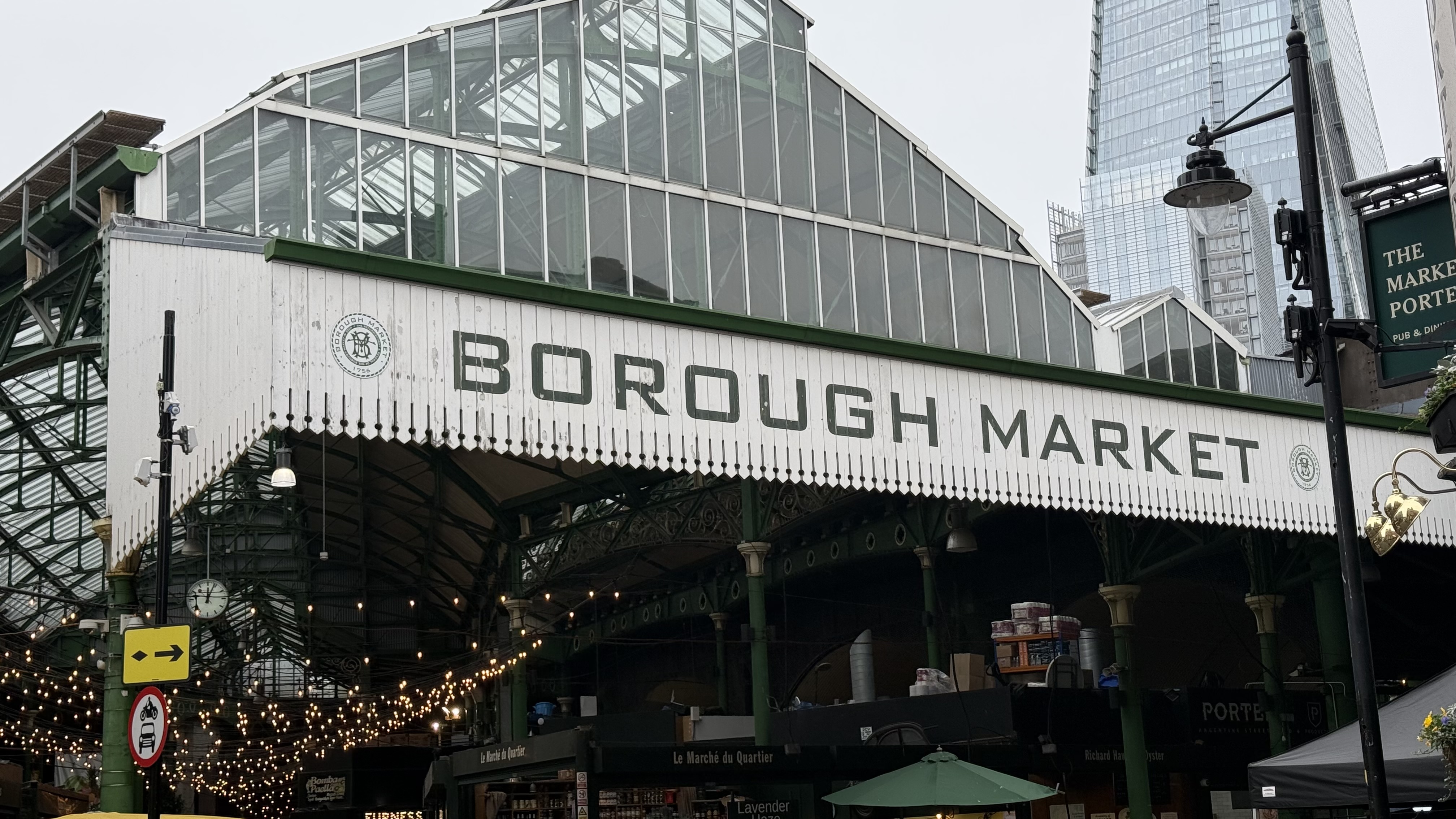
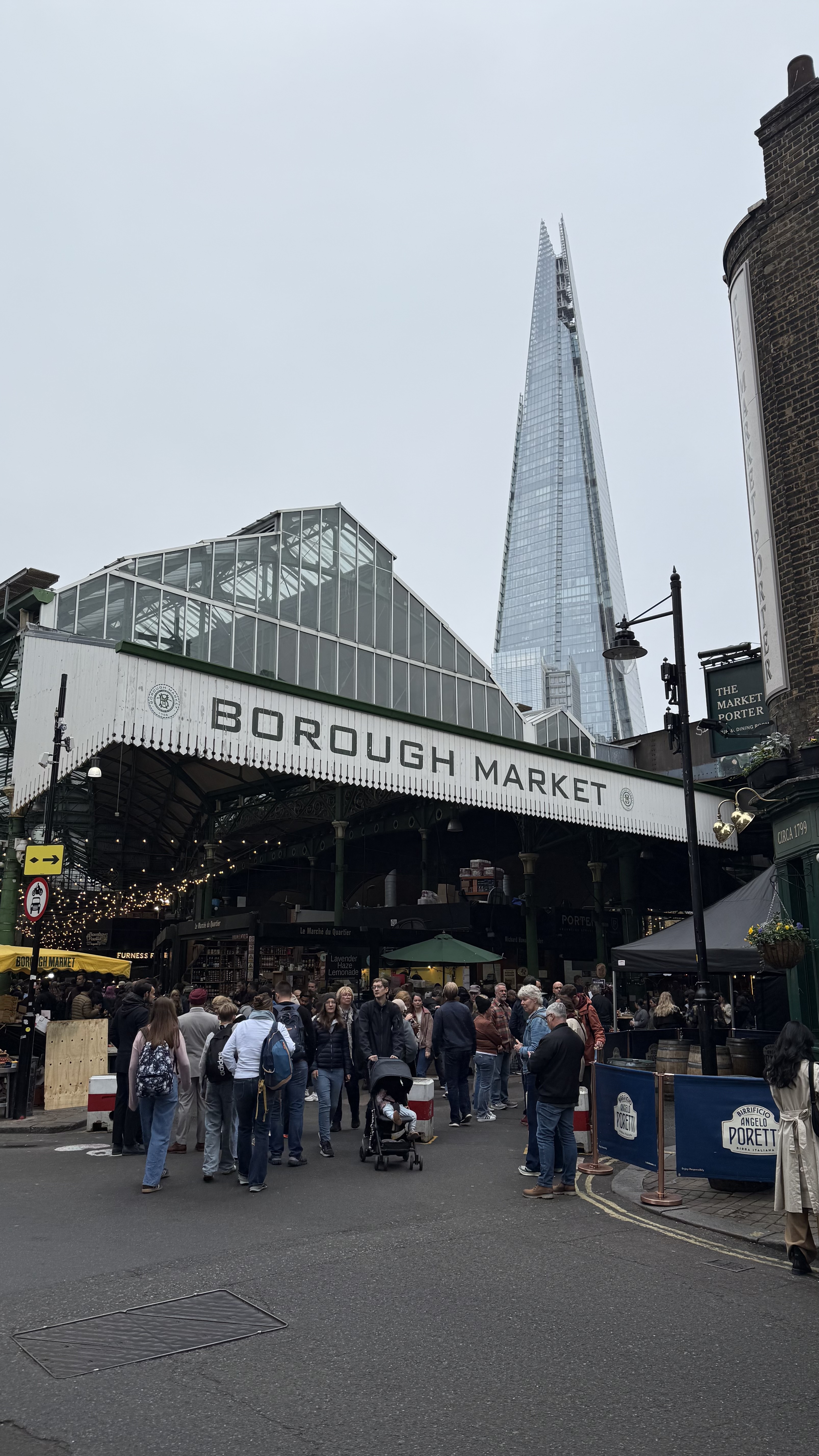
At Borough Market and Leadenhall Market, I grazed happily — chocolate-covered strawberries, steak-and-kidney pies, and Spanish paella cooked in huge pans that perfumed the air.
🎶
Covent Garden and the Pulse of the City
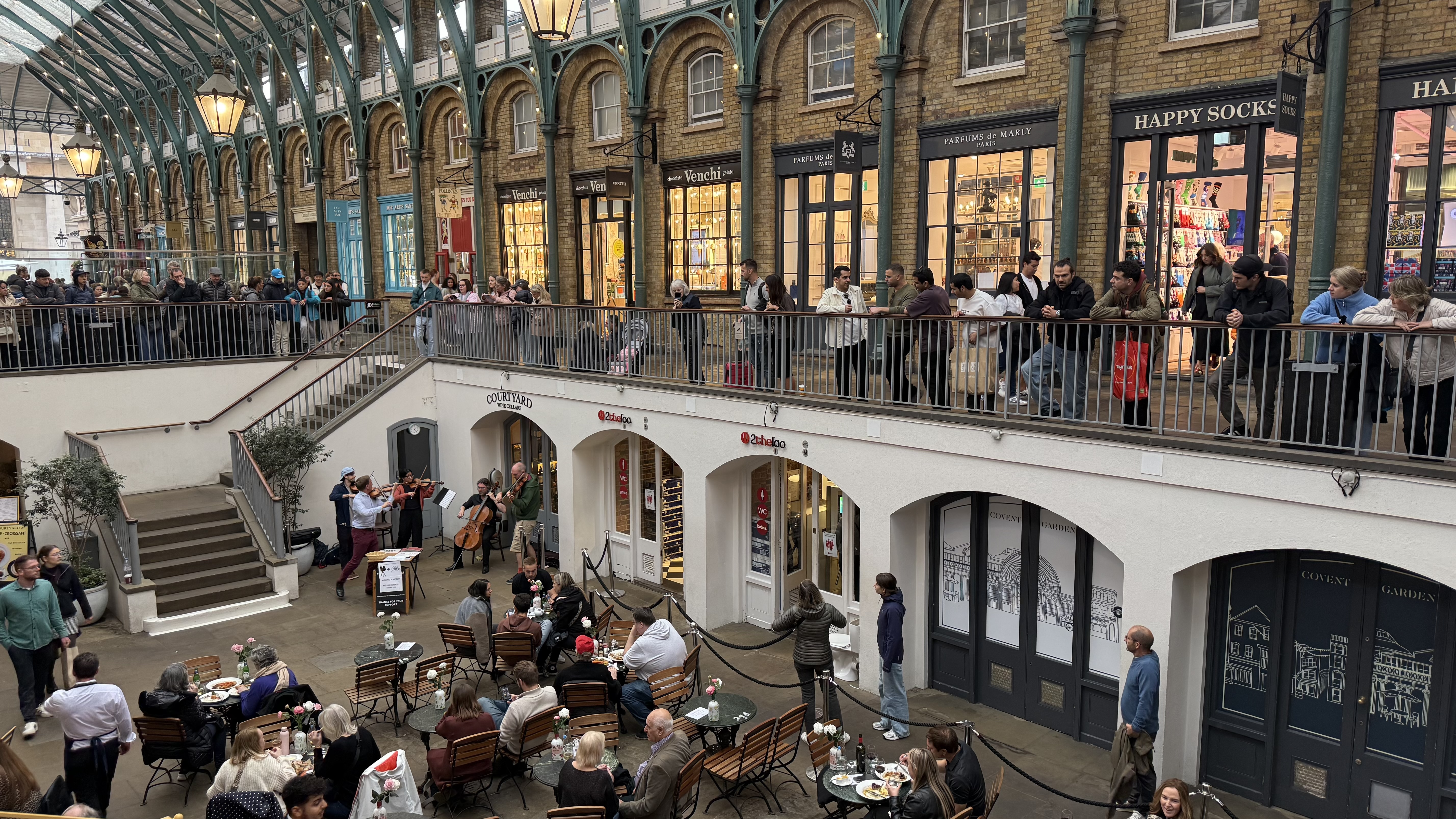
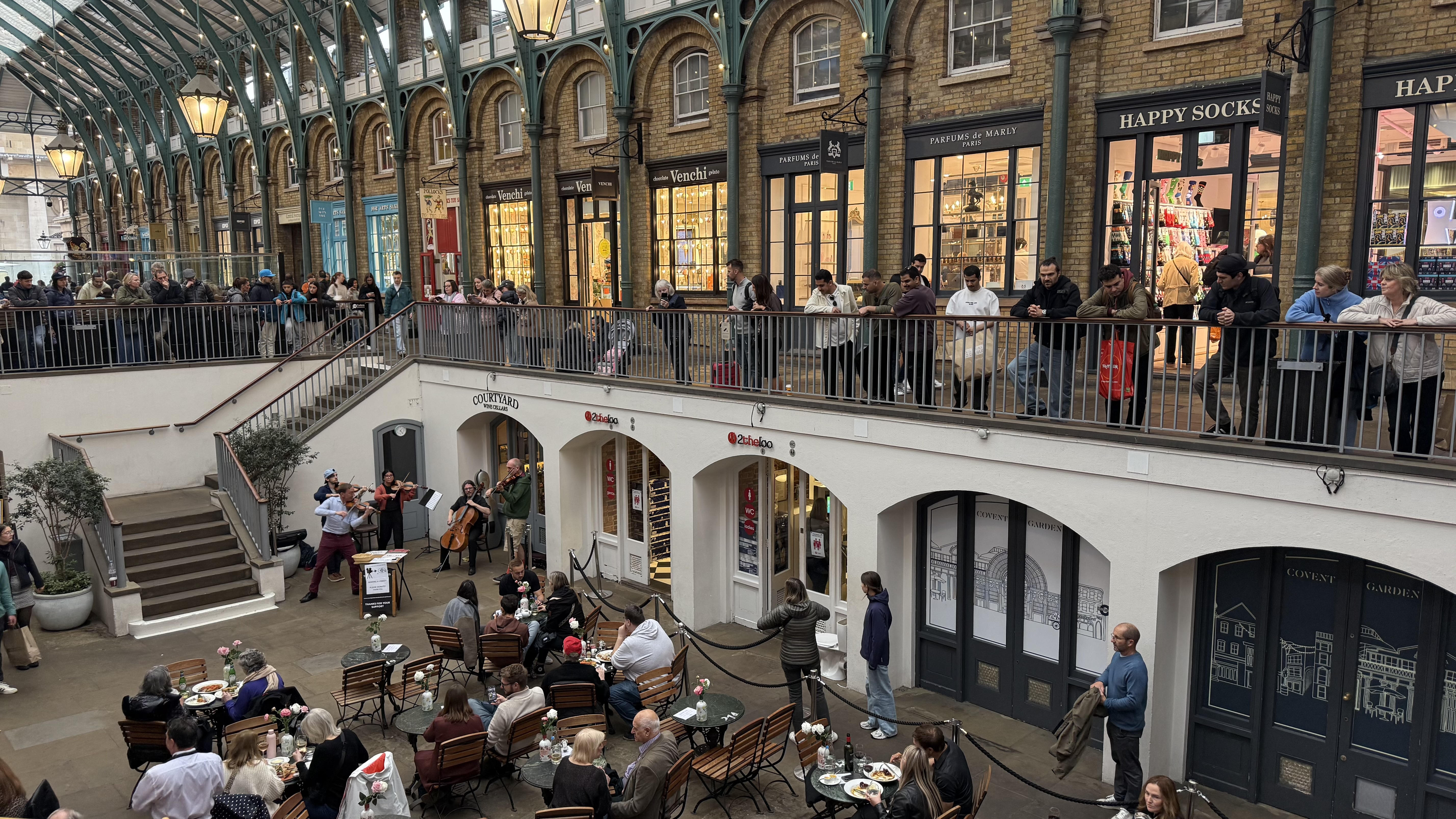
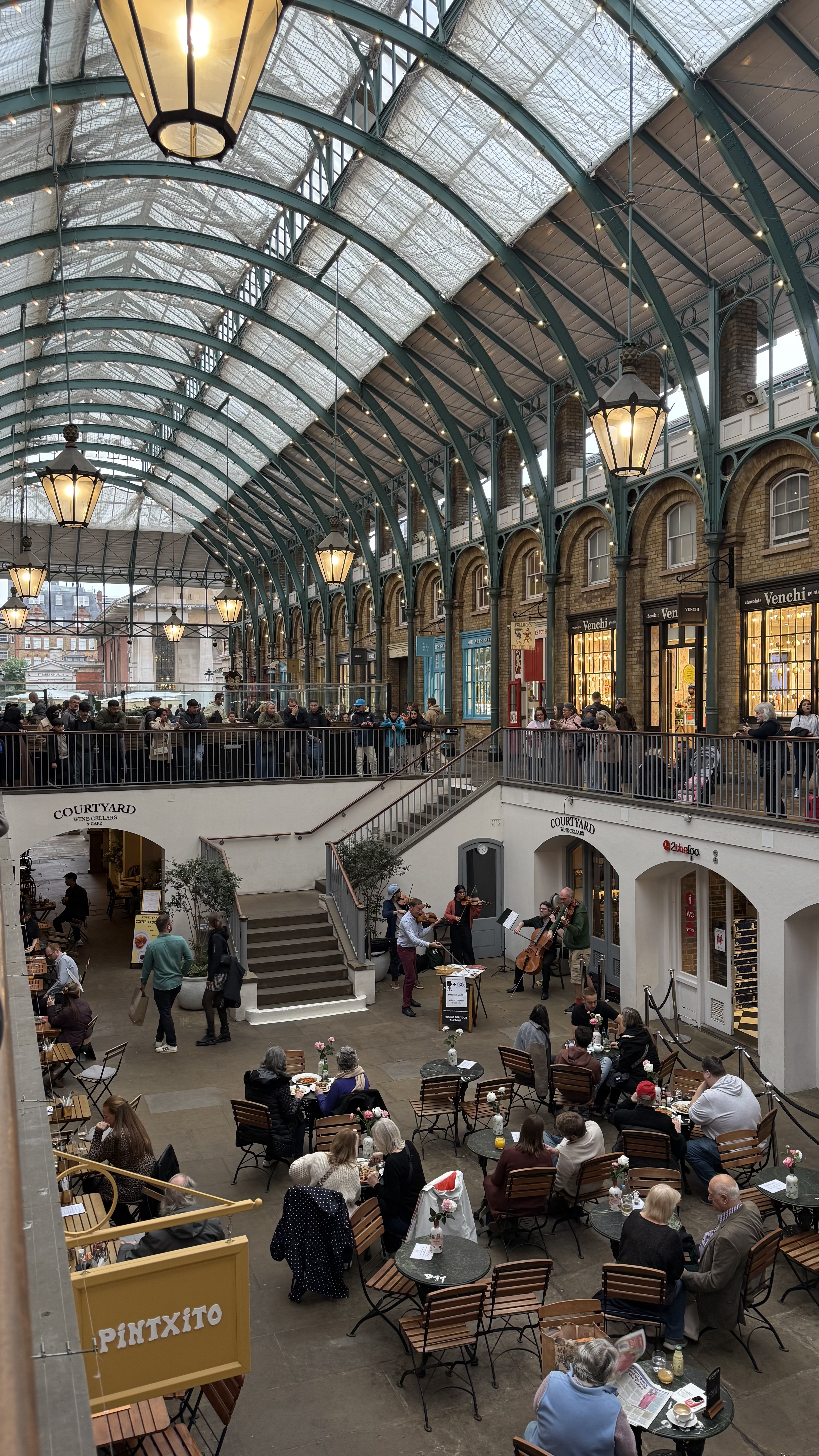
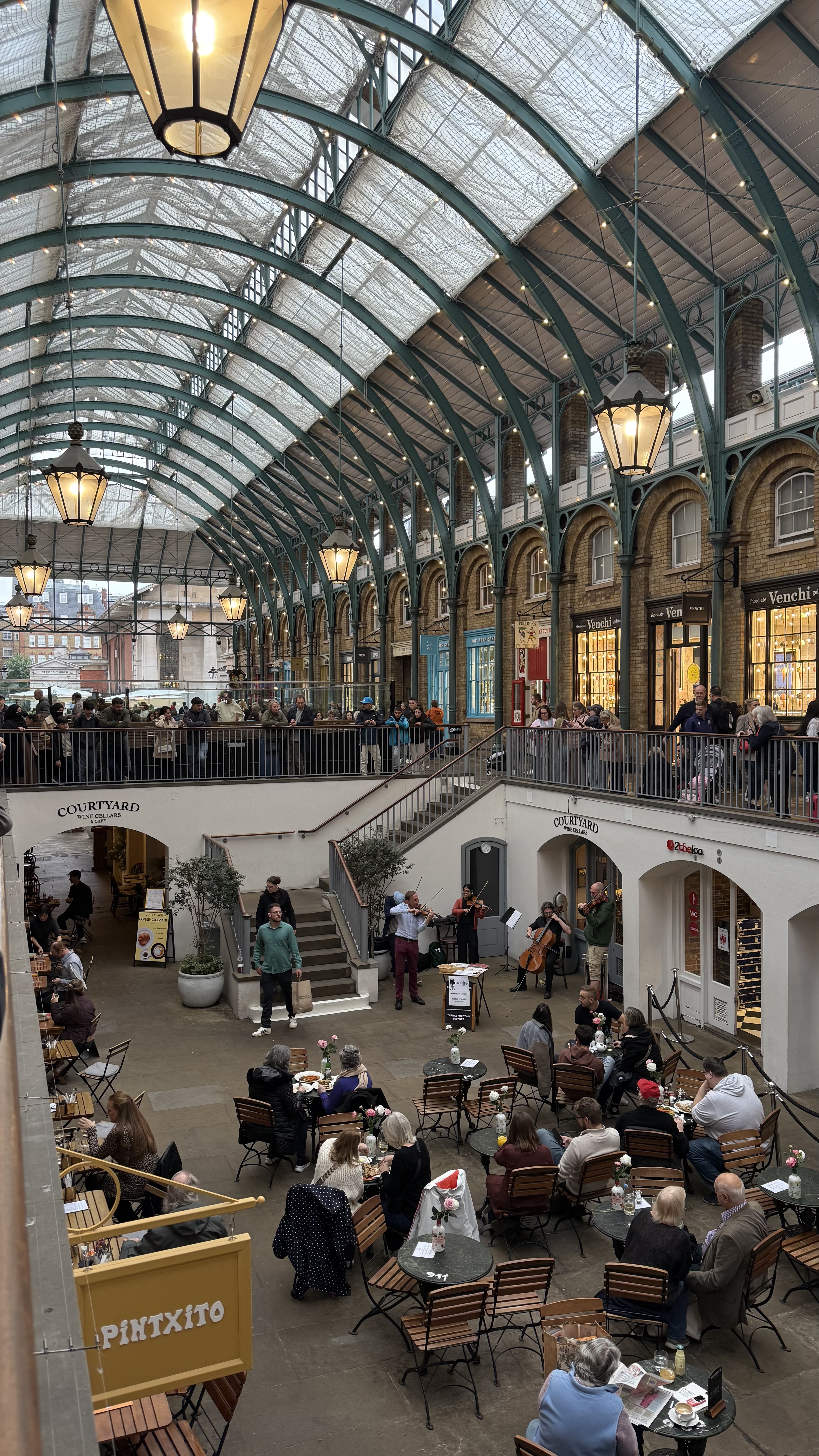
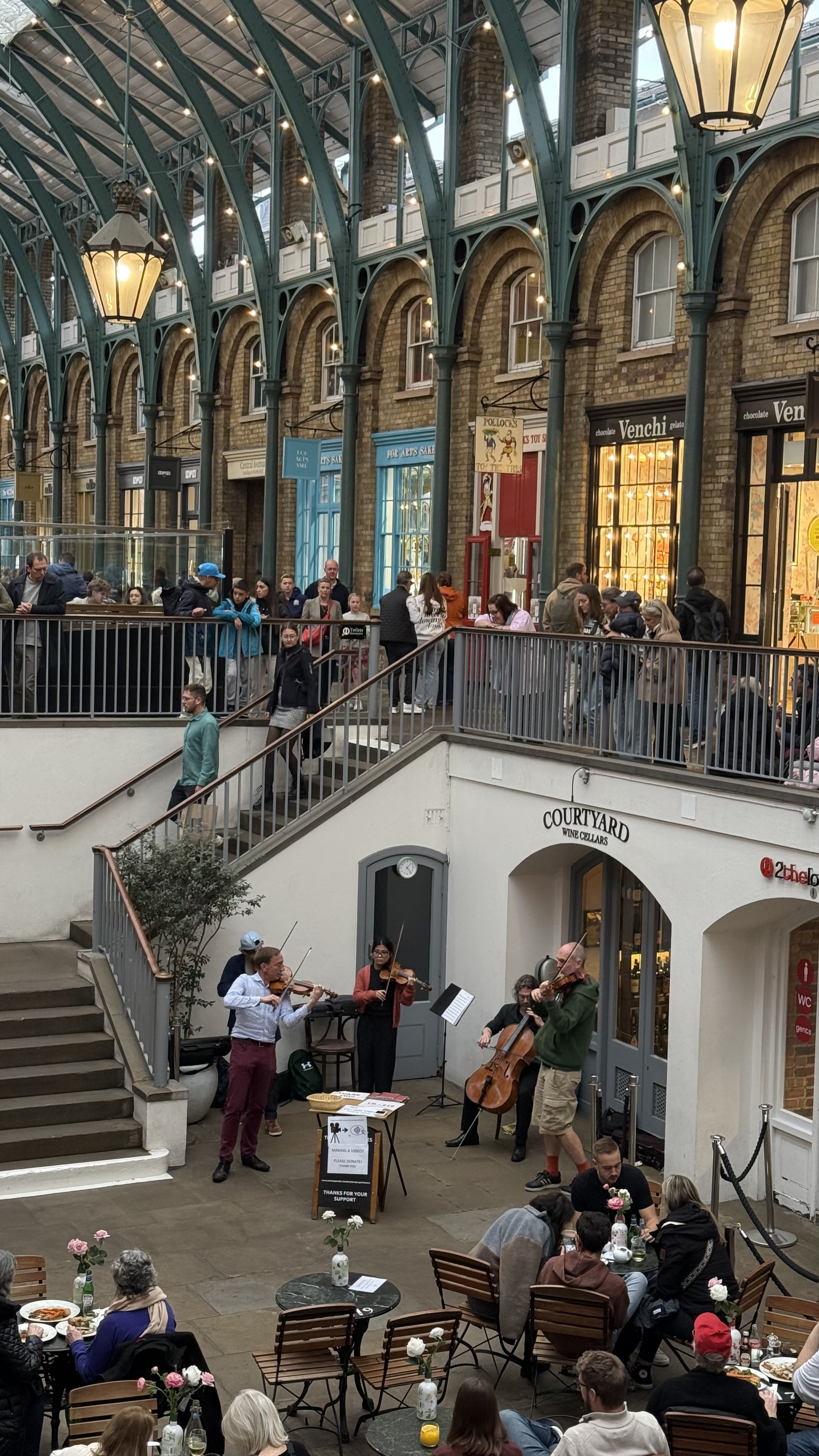
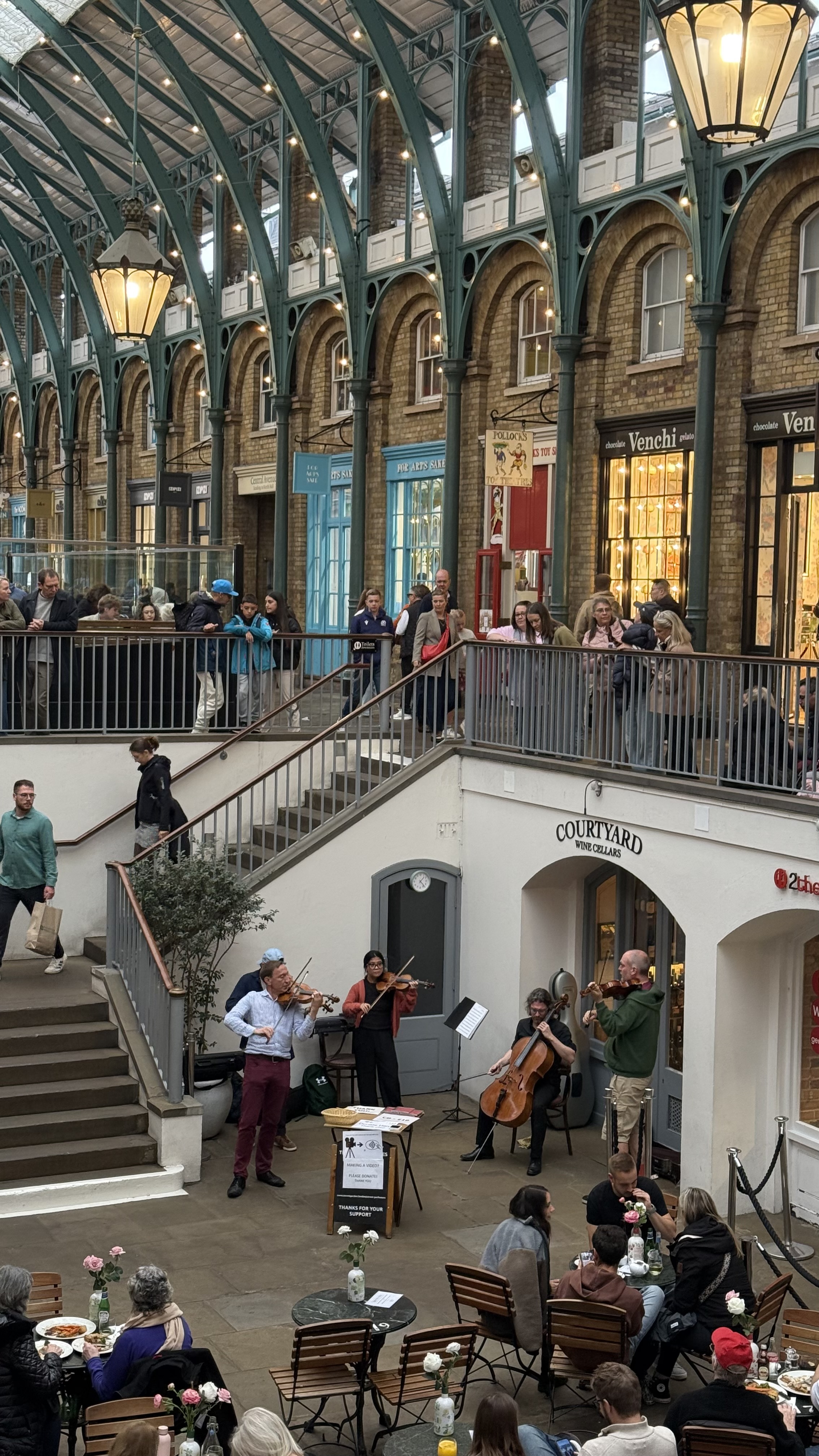
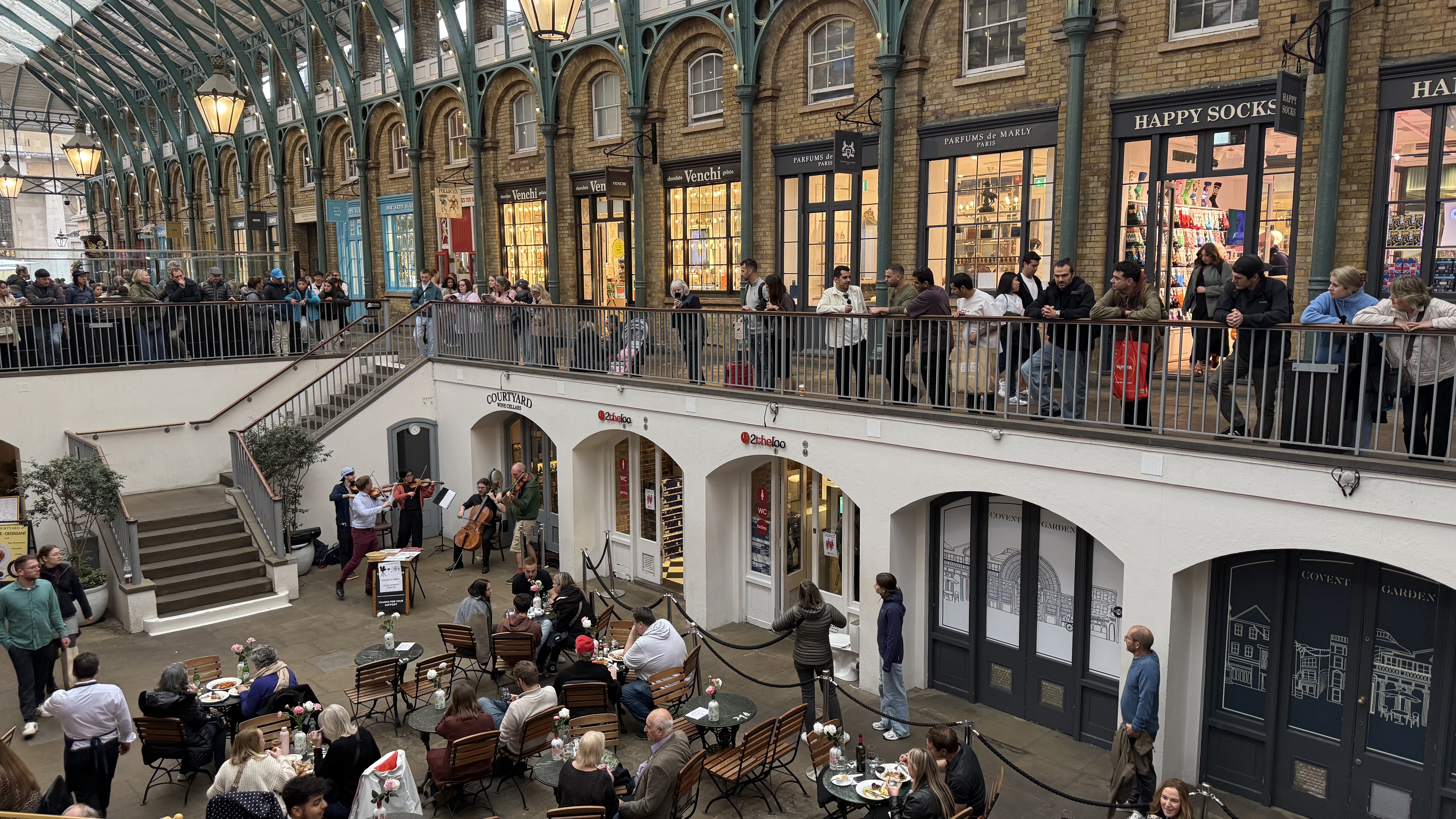
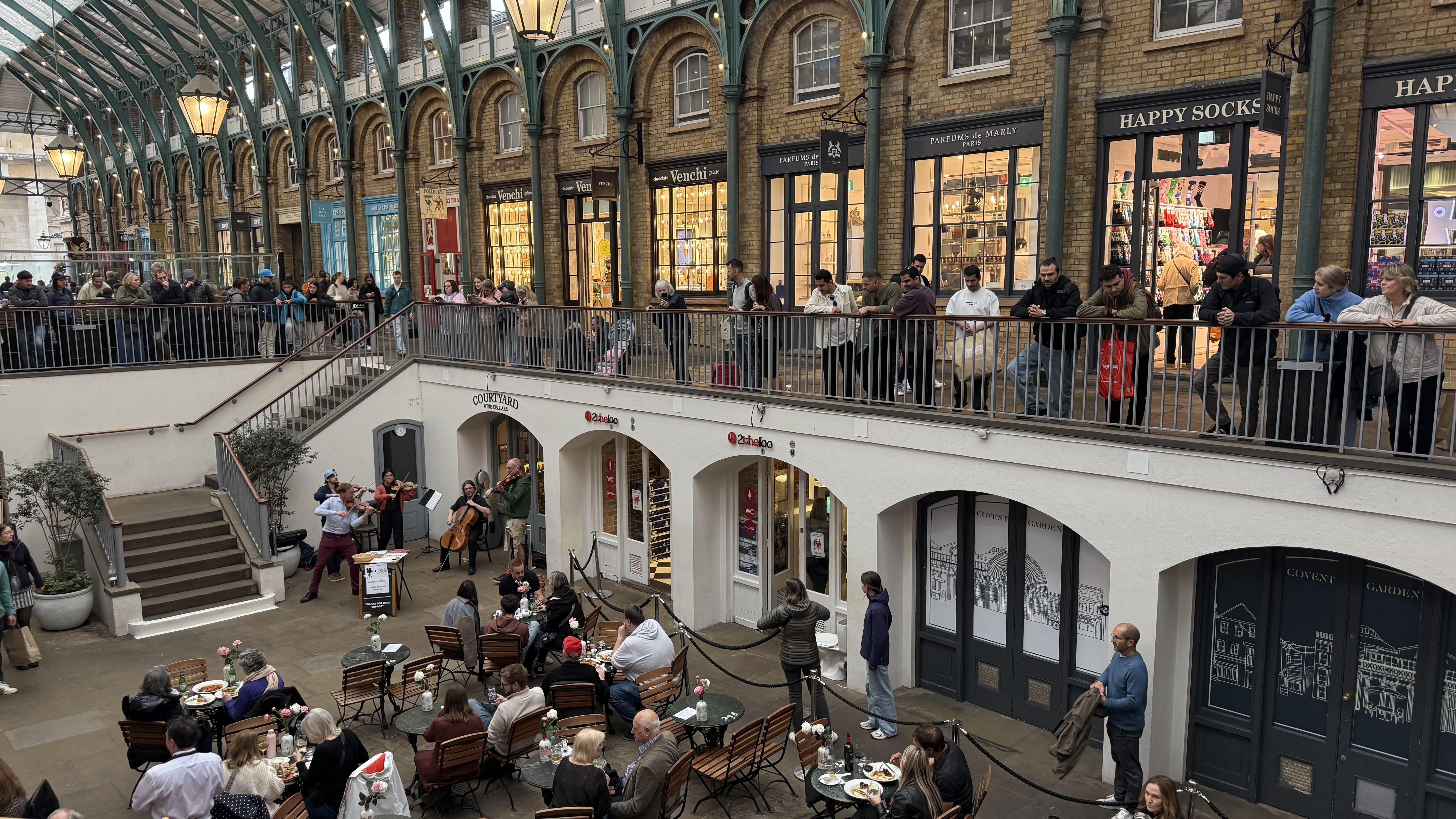
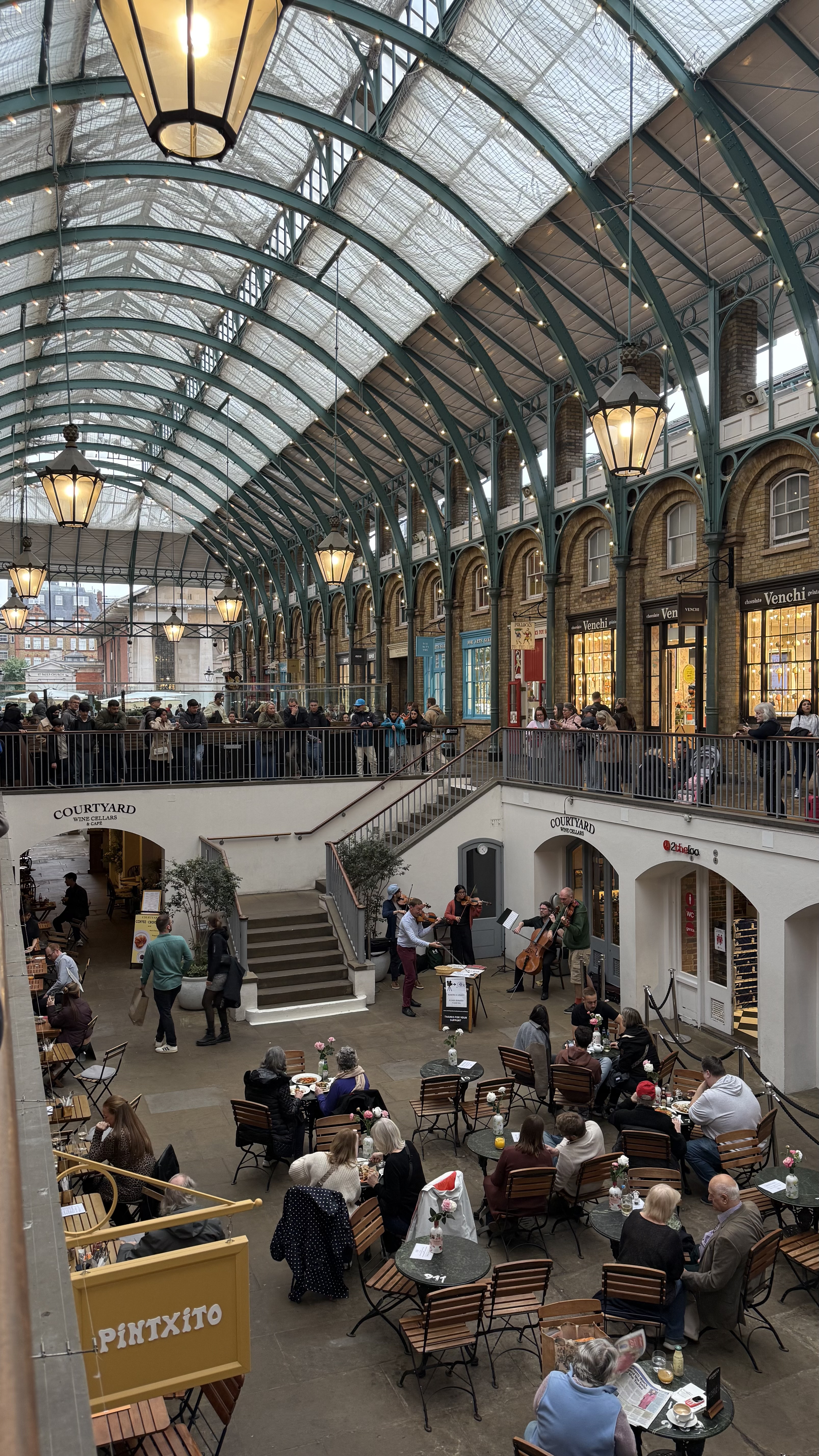
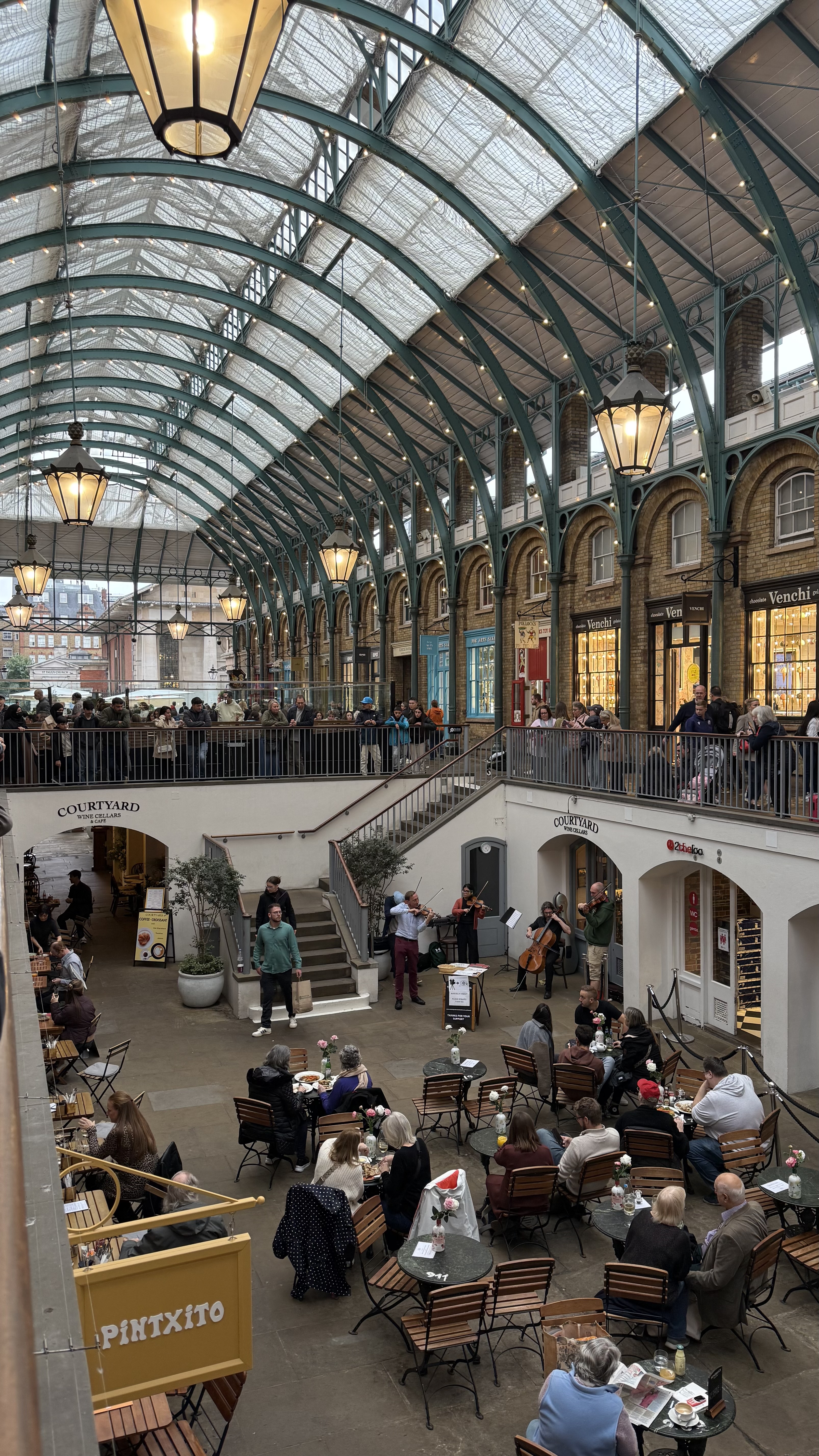
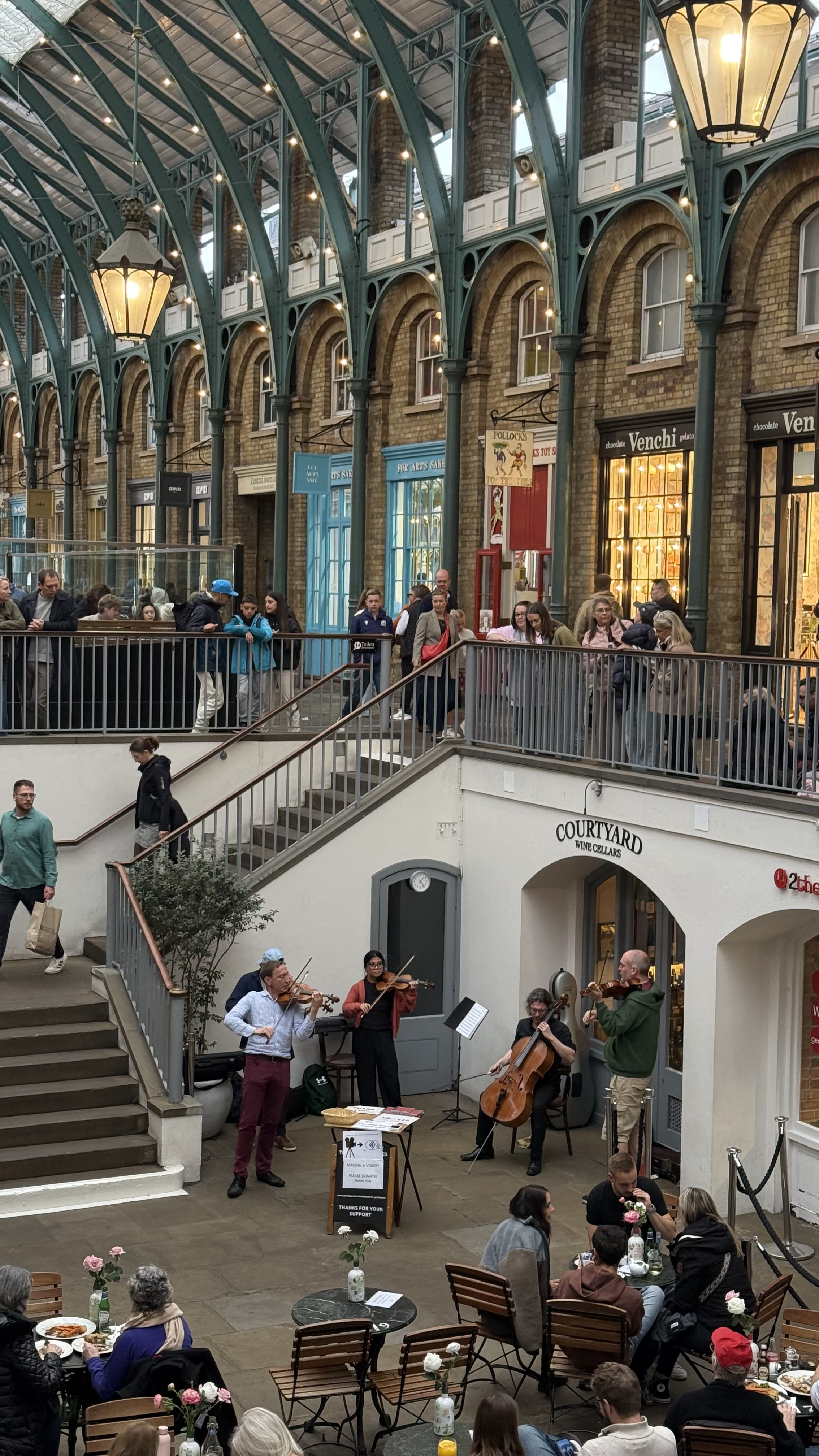
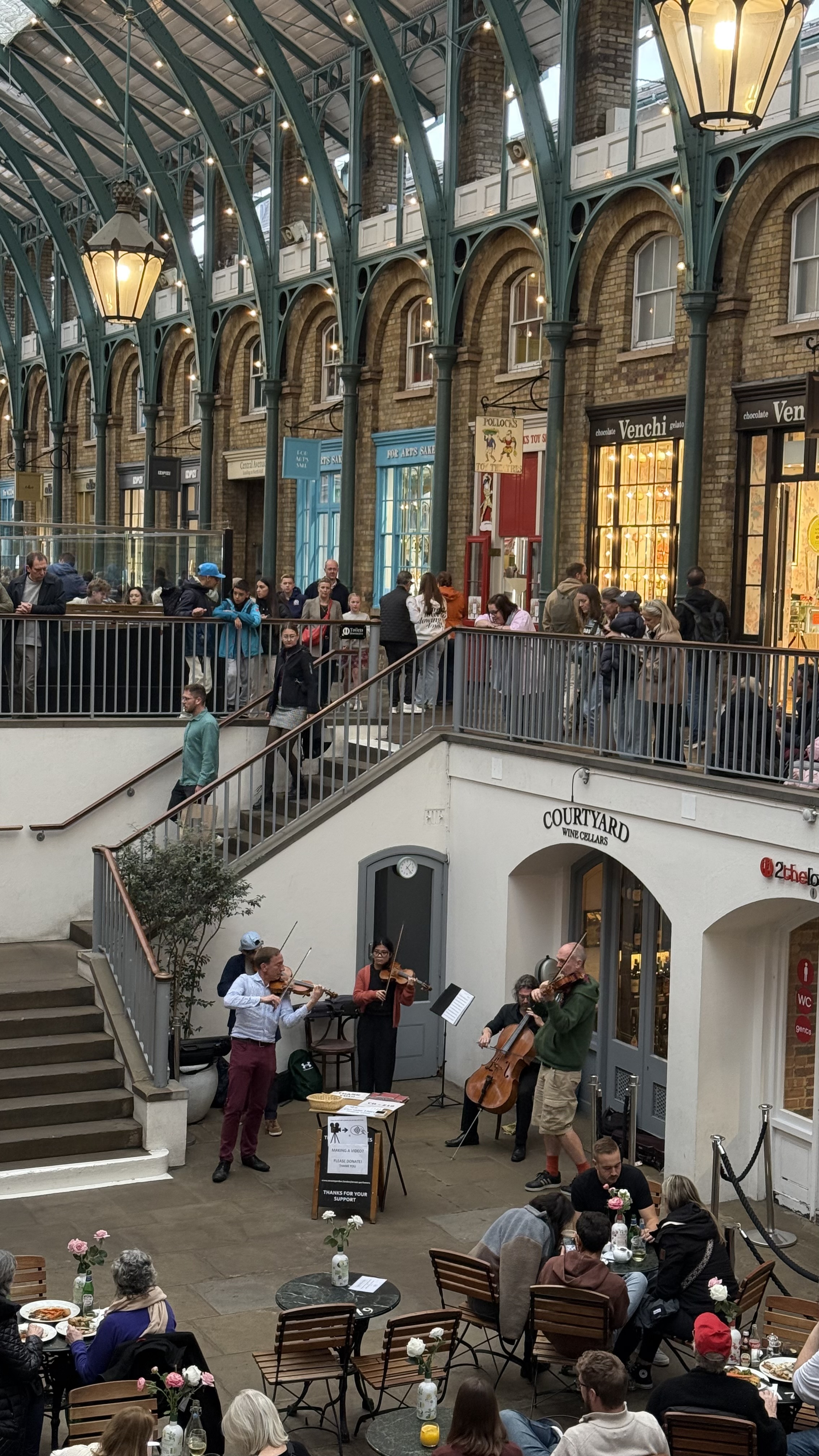
We ended one evening in Covent Garden, drawn by street musicians whose melodies filled the square.
Crowds gathered, shopping bags in hand, as twilight settled over the arcades.
That’s London: commerce and culture, side by side, each refusing to sleep.
📸 Street violinist performing under the glass roof of Covent Garden Market.
💭
Reflections: London’s Enduring Soul
Every visit to London feels like rereading a favorite book — familiar yet full of rediscovery.
The city continues to evolve, yet its essence remains: tradition without stagnation, progress without forgetting.
“London is never finished. It simply changes costume.” — Dr. Omotayo
📸

 Simply O