I am an immigrant. I came to America not as a descendant of its earliest wounds, but as someone who chose it. I built my life here. I trained, worked, led, invested, raised daughters, paid taxes, and contributed to the institutions that make this country function. I have lived the American dream — not perfectly, not effortlessly — but honestly and through discipline.
That is why I care.
When public discourse becomes careless with truth — when arithmetic is stretched beyond recognition, when rhetoric replaces seriousness — it unsettles me. Not because I expect perfection from leaders. No democracy has ever had that. It unsettles me because words matter. Facts matter. Institutions matter. A republic depends on shared reality.
Yet even in moments of disappointment, I remain grounded.
I believe in the arc of justice. History is not linear, but over time it has bent toward broader inclusion, deeper rights, and greater opportunity. There have been dark chapters — civil war, segregation, corruption, political hysteria — but the constitutional core endured. The system corrected. Not instantly. Not painlessly. But steadily.
I also believe in the fundamental goodness of the human spirit.
I grew up in Nigeria, lived for a decade in the United Kingdom, and ultimately built my life in the United States. Across continents and cultures, I have seen the same thing: ordinary people want dignity, opportunity, and fairness. They want to work. They want their children to rise higher than they did. They want stability more than spectacle.
America, at its best, uniquely affirms that your origin does not determine your ceiling. That you can come from anywhere, work hard, contribute meaningfully, and build something lasting. I am evidence of that promise. My daughters are evidence of that promise.
The American dream does not depend on flawless speeches. It depends on durable institutions — rule of law, capital markets, education, civic participation — and on citizens who take their responsibilities seriously. Those foundations remain.
I am disappointed at times. But I am not cynical.
Disappointment means I expect more. Cynicism would mean I expect nothing.
I choose not to surrender to cynicism. Because I have seen too much evidence — in my own life and in the broader sweep of history — that the arc does bend. Slowly. Imperfectly. But persistently.
And I want my daughters to inherit not just wealth or security, but confidence in the idea that effort still matters, integrity still matters, and justice, though delayed at times, is not defeated.
I grew up in Nigeria, in a society where identity mattered deeply. We did not call it racism. We called it tribalism. Politics was often shaped by region, language, and ancestry. A government official might give a job to someone from his own region even if that person was less qualified. It was unfair. It was frustrating. But it was also understandable within its context.
Our tribalism was rooted more in familiarity and survival than in metaphysical hatred. In a young post-colonial nation, where institutions were fragile and trust was local, people leaned toward “their own.” It was proximity bias. It was patronage. It was human nature amplified by insecurity.
What it was not, at least in my experience, was a doctrine that another tribe was inherently less human.
Ironically, Nigeria had very few white people when I was growing up, and those who were present were often treated better than natives. That reality complicates simplistic narratives about power and identity. Human beings form in-groups wherever they are. The categories change. The instinct does not.
I then spent a decade living and training in the United Kingdom. That experience added another layer. The UK carried its own history — empire, immigration, class stratification. There, I encountered a society more subtle in its expressions of difference. Identity was shaped not only by race, but by class, accent, schooling, postcode. You could feel the gradations. Some of it was overt; much of it was understated.
Living in both Nigeria and the UK allowed me to see that group identification is universal. It is expressed differently across cultures, but it persists. Tribe. Class. Region. Race. Nation.
Now I live in America — a country that has long described itself as a “shining city on a hill.” That phrase carries moral aspiration. It suggests a society that strives not merely for prosperity, but for example. A nation that understands its diversity as strength, not threat.
Yet I find myself disappointed.
Not angry. Disappointed.
There seems to be an innate human tendency toward group identification. That much I accept. I have seen it in Nigeria. I have seen it in the United Kingdom. I see it here. But what troubles me is not the existence of group identity. It is the elevation of that identity into hierarchy — into the belief that one human being is intrinsically superior to another.
That is where tribal preference crosses into something darker.
As a man of faith, I struggle with the sins of racism because they strike at something sacred. If every human being bears divine image, then to diminish another person’s worth on the basis of race is not merely a social flaw — it is a moral contradiction.
I am not a descendant of American slaves. My lineage is African in a direct and uninterrupted sense. And yet racism still cuts deep. It cuts because it attempts to assign lesser value to people who look like me. It cuts because it suggests that history’s ugliest hierarchies are not as buried as we hoped. It cuts because it forces one to ask how a society so educated, so powerful, so globally influential can still wrestle so publicly with basic human equality.
Perhaps group bias is universal. But dehumanization is not inevitable.
Nations can discipline their worst instincts. Leaders can elevate rather than inflame. Citizens can choose moral maturity over tribal reflex. That is what I had hoped America — with its resources, its history of civil rights struggle, and its global example — would embody more consistently.
Disappointment implies expectation.
I expected better. Not perfection. Not the erasure of human bias. But progress — visible, steady, undeniable progress toward seeing one another fully.
The shining city on a hill was always aspirational. It was never flawless. But aspiration requires maintenance. It requires courage. It requires truthfulness about our impulses and restraint in how we wield them.
I do not hate this country. I have built my life here. I have raised my daughters here. I have contributed to its institutions. I believe in its promise.
But belief does not prevent disappointment when the promise feels dimmed.
And perhaps this is why it matters so much to me. My daughters are growing up in this country. They will inherit not only its opportunities, but its tensions. I want them to live in an America that sees them fully — not as categories, not as demographic abstractions, but as complete human beings endowed with dignity. I want them to engage the world with confidence, not defensiveness; with moral clarity, not bitterness.
The deeper question I continue to wrestle with is this: How does one human being come to see another as less?
History offers explanations — fear, scarcity, political manipulation, inherited prejudice. Psychology offers mechanisms — in-group bias, threat perception, social conditioning. But explanation does not equal justification.
The moral line remains clear.
Group identity may be human. Hierarchy of human worth is not.
And perhaps the true measure of a shining city is not whether it avoids tension, but whether it resists the temptation to sanctify its divisions — for the sake of the next generation.
Peace — not the absence of noise, but the presence of alignment. The quiet confidence that comes from knowing you are exactly where you are meant to be in this season of life. After decades of responsibility, achievement, and vigilance, peace now becomes a choice, not a reward.
Grace — toward yourself first. Grace for past decisions made with imperfect information. Grace for slowing down without guilt. Grace for allowing life to unfold without the need to optimize every outcome. In retirement, grace is the counterweight to a lifetime of rigor.
Love — not hurried, not transactional, not deferred. Love that shows up in time spent, stories told, hands held, and legacy shaped quietly through presence rather than provision. Love that deepens as ambition softens.
They feel like a personal creed for this next chapter—
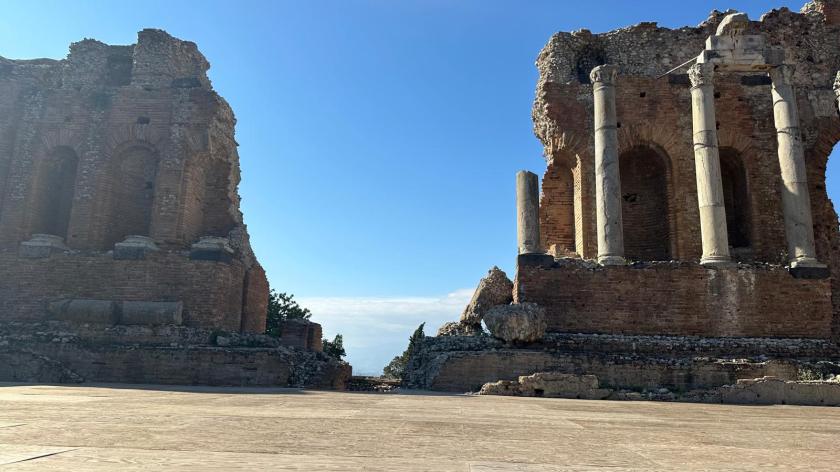
Ancient ruins showcasing the remnants of a historical structure against a blue sky.
“The past explains how we arrived here. It does not decide what comes next.”
I have come to believe that travel is not only about seeing places, but about seeing systems—how they rise, how they fracture, and how fragile they truly are. That belief frames how I see the world today, a world that is not merely changing, but rupturing.
The language of continuity—of transition, reform, or rebalancing—no longer describes our moment. What is breaking is not only the geopolitical order, but the moral scaffolding that once made that order appear coherent. Questions of sovereignty, legitimacy, and power—once politely deferred—are now being asked openly, and once asked, they refuse easy answers.
It is in this context that claims about territory and historical entitlement take on renewed urgency. Recent assertions that Denmark has no legitimate claim to Greenland because Europeans arrived there “only” five centuries ago expose a deeper contradiction. By that logic, the same question rebounds onto the United States and other settler societies. How long ago did Europeans arrive in North America to make it their own? Four hundred years? Five hundred? And what of the Indigenous peoples who lived on, governed, and cultivated the land for thousands of years before colonization began?
If temporal priority alone determines legitimacy, then much of the modern world collapses under its own weight.
Modern states were not born of moral clarity. They emerged through conquest, coercion, and unequal power, later stabilized by laws and institutions that transformed force into permanence. International norms did not erase these origins; they normalized them. Over time, repetition became legitimacy, and legitimacy became assumed. This is why appeals to history, when used selectively, are so dangerous. They are rarely about justice. More often, they are about leverage.
This tension—between how nations came into being and how they justify themselves today—is not abstract for me. It is one of the reasons I travel. To move through the world is to see, firsthand, how fragile governance really is, how contingent borders are, and how deeply history lives in the present. In ancient cities, colonial capitals, and post-conflict societies, the past is not a chapter—it is architecture, memory, grievance, and silence.
Travel strips away the illusion that governance is permanent or inevitable. It reveals how quickly order can fracture, how easily institutions fail, and how much of what we call stability rests on collective belief rather than unshakable truth. Standing in places shaped by empire, revolution, or collapse, one learns that sovereignty is less a fixed fact than a negotiated condition—renewed or eroded with every generation.
This understanding reframes the question of legitimacy. Modern states cannot justify themselves solely by how they came into being, because few would survive that reckoning. Legitimacy today must flow forward, not backward. It must rest on present consent, self-determination, and the agency of the people who live within those borders now. The past explains how we arrived here; it does not, by itself, determine who decides what comes next.
Greenland illustrates this distinction clearly. The question is not whether Denmark once claimed or administered the territory, but whether the people who live there now possess genuine agency over their future. Modern legitimacy depends not on the age of a claim, but on the reality of self-determination.
Applied honestly, this same standard exposes America’s unresolved contradiction. The United States exists as a sovereign state, yet its foundations rest on the dispossession of Indigenous nations who never truly consented to that loss. Tribal sovereignty persists, but uneasily. Land acknowledgments multiply, but restitution remains limited. Reconciliation is spoken of more often than it is achieved. America’s legitimacy today rests not on its origins, but on whether it continues to confront its history and expand justice in the present. That work remains incomplete.
These are not lessons learned from textbooks alone. They are learned by walking through cities where borders have shifted, by listening to people whose lives have been shaped by decisions made far away, long ago, and by witnessing how fragile peace and governance can be when trust erodes. Travel becomes, in this sense, a moral education. It reveals the cost of pretending that power is neutral, that history is settled, or that injustice fades on its own.
In a rupturing world, history is being reopened not to heal old wounds, but to justify new ones. Ancient grievances are revived selectively, pressed into service of modern domination. Moral language is stripped of consistency and used as strategy. That path leads not to justice, but to fragmentation and fear.
The only defensible response is an honest one: to acknowledge past injustice without allowing it to become a tool of opportunism; to reject nostalgia for an order that never fully lived up to its ideals; and to ground sovereignty not in conquest or myth, but in present agency and shared responsibility.
Travel has taught me that the world is held together not by inevitability, but by choice. The past explains how we arrived here. What matters now is whether we have the courage to see the world as it is—and to decide, together, what comes next. And whether this fracture becomes a collapse, or an opportunity to build something more honest, depends on whether we are willing to apply the principles we already accept, consistently and without exception.
No one arrives at the top by themselves. Every life well lived is quietly carried by others—those who opened doors, spoke wisdom, extended grace, or believed in us during seasons when our own faith wavered.
It’s easy to admire the idea of the self-made individual, to believe that discipline and determination alone explain the journey. But experience teaches otherwise. Every success is layered with unseen kindness: a teacher who planted possibility, a friend whose introduction changed a path, a stranger who offered opportunity without obligation.
Over time, we come to understand that we are shaped not only by effort, but by community—by the people who walked alongside us and the generosity that met us at critical moments. And with that understanding comes perspective. Gratitude replaces pride. Humility softens entitlement. And the story shifts from what I achieved to what we built together.
In the end, the truest legacy is not that we were self-made, but that we were faithfully carried—and that we learned, in turn, to carry others.
Some journeys do not announce where they are going. They simply begin removing what you no longer need.”
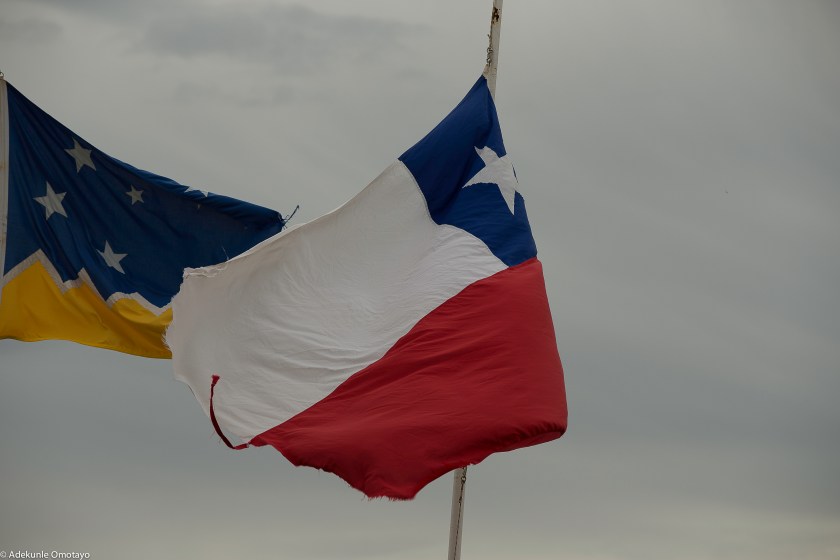
Two flags fluttering in the wind, representing a journey and the spirit of exploration.
The journey began in a world that still made sense.
Flags moved with purpose in open air. Statues stood upright, confident in their permanence. Cities arranged themselves logically—plazas, streets, monuments—each reinforcing the idea that meaning could be fixed in place and remembered by name. Here, history announced itself clearly, and identity was something you could point to.
We dressed lightly then. The air allowed it.
But travel south is not about distance alone. It is about relinquishment—of ease, of certainty, of the expectation that the land will explain itself.
When the ship finally cast off, the change was not immediate. Land did not vanish. It receded politely. Harbors slipped behind us, still visible, still relevant. The horizon widened, but it did not yet demand attention. We stood on deck and watched the shoreline loosen its grip, unaware that this quiet separation would prove irreversible.
Water took over gradually.
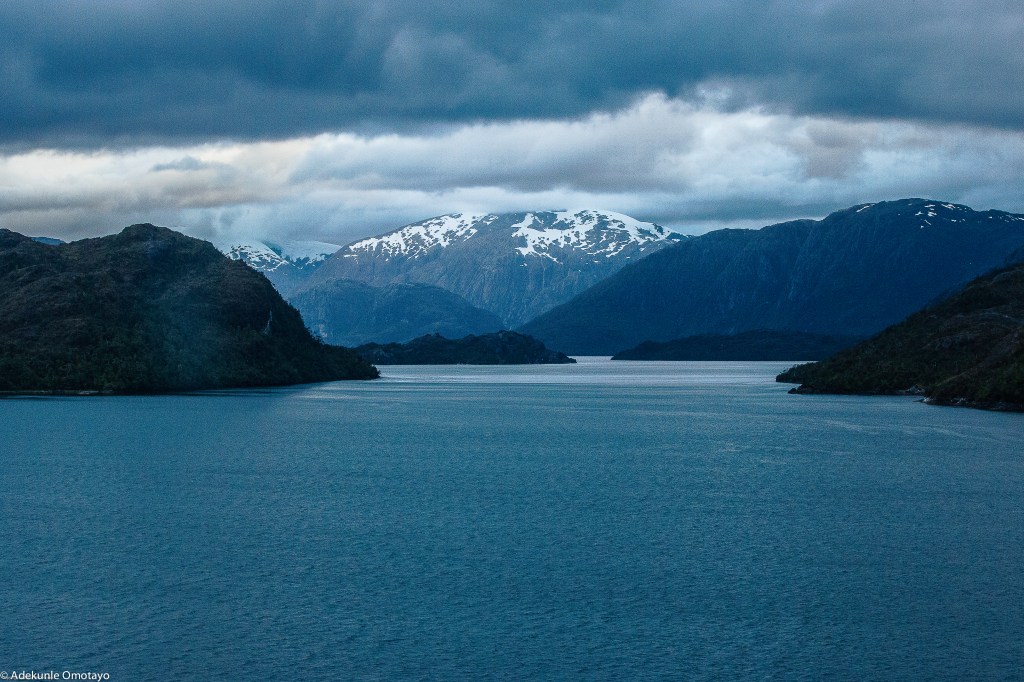
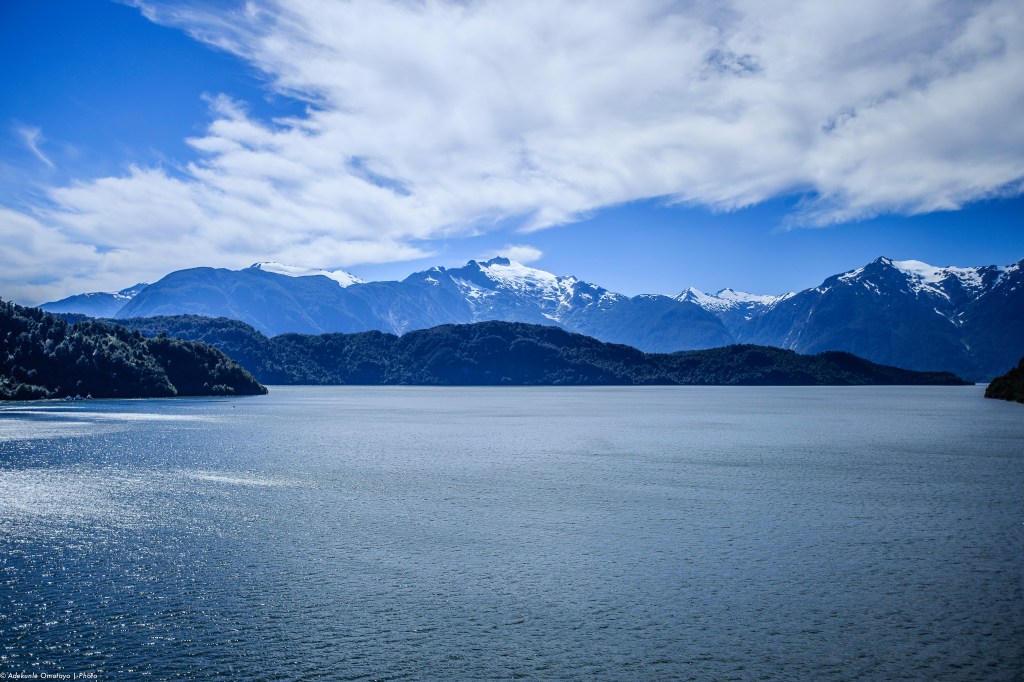
Roads were replaced by channels. Maps became suggestions rather than instructions. The coastline stretched, fractured, and reassembled itself into fjords and passages that seemed less designed than discovered. Forests leaned toward the water as if curious, then withdrew into shadow. The sky lowered. Sound softened.
And then Patagonia arrived—not as a destination, but as a condition.
A serene landscape of Patagonia featuring mountains rising abruptly from the water, illustrating the region’s raw and untouched beauty.A vibrant bird perched on a branch amidst a lush, green environment.
The land rose vertically from the sea, indifferent to our presence. Mountains pressed close on either side, turning water into a corridor and motion into necessity. There was no panorama here, no safe distance from which to admire. Scale asserted itself quietly but completely. The ship—once the center of our attention—became incidental, a moving point swallowed by stone and silence.
This was not a place that invited interpretation. It did not perform. It simply existed, and in doing so, diminished everything else.
Further south, the world grew quieter still.
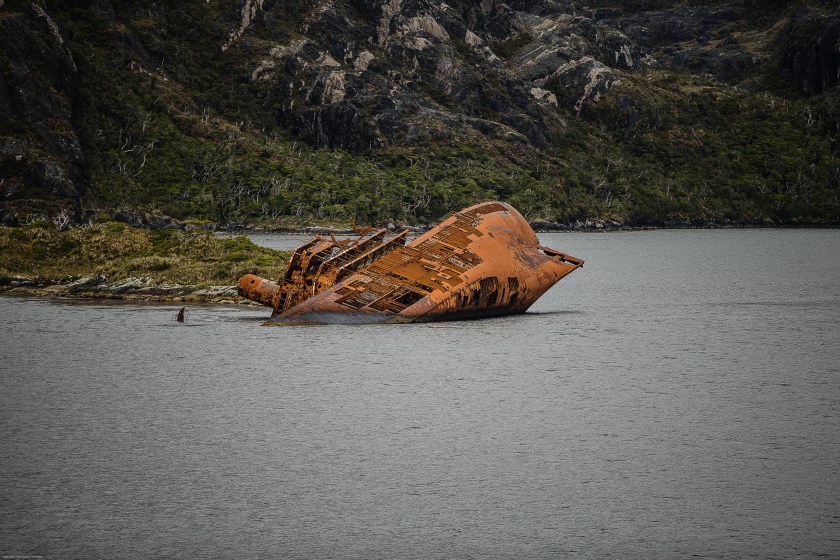
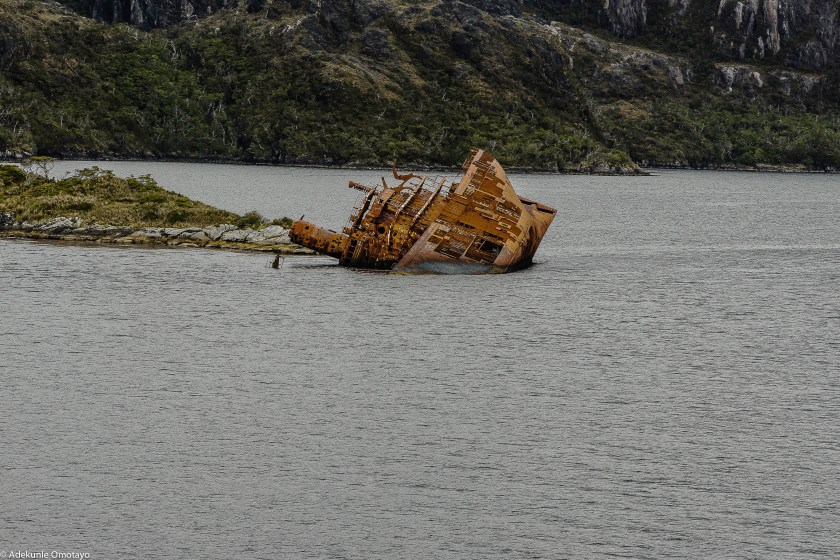
Human intention appeared briefly, then failed. A shipwreck leaned into the water, rusted and unfinished, its ambition dissolved without ceremony. There was no plaque, no explanation—just the fact of it. Patagonia does not preserve stories. It absorbs them. History here is not commemorated; it is weathered.
Words began to feel unnecessary.
A rusted shipwreck leaning into the water, embodying the remains of human ambition against a backdrop of rugged, natural landscapes.
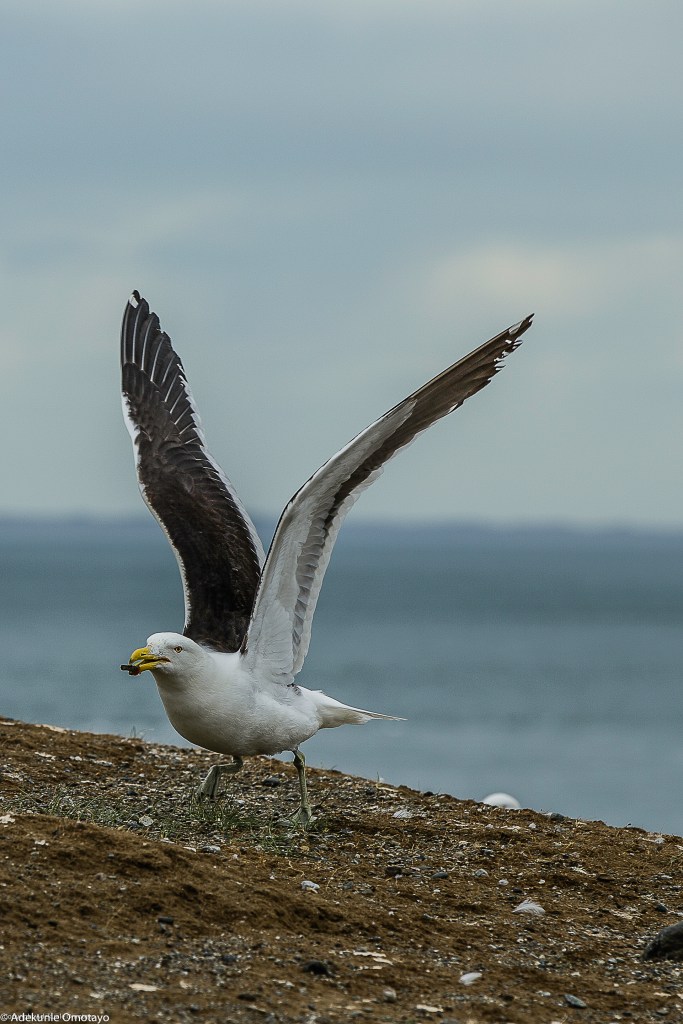
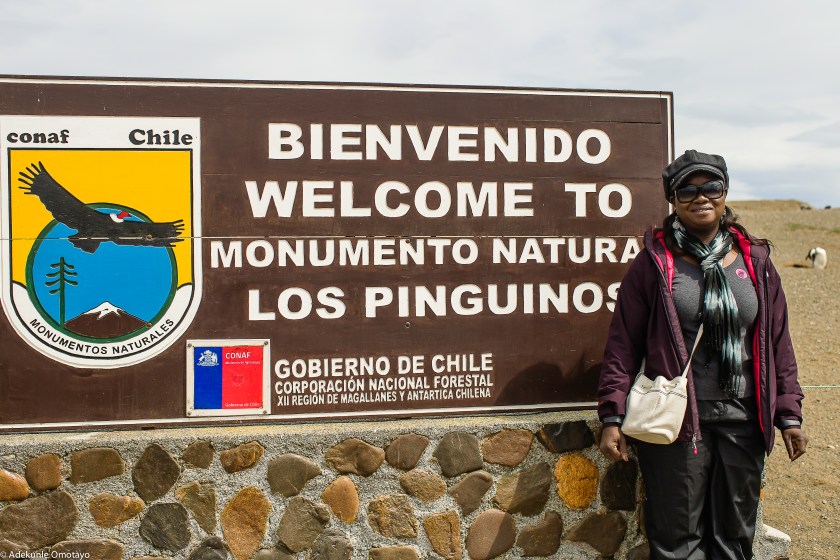
On the shore, Penguins gathered in loose communion, layered bodies rising and falling with the rhythm of breath and tide. Birds moved according to patterns older than navigation, untroubled by observation. Skeletal remains lay unhidden, not as warnings but as evidence. This was life without audience, without concession. We were not included in its logic, and that exclusion felt instructive.
Belonging, it turned out, was conditional.
A group of penguins navigating rocky shores, embodying the wild spirit of Patagonia.Two penguins walking along a rocky shore in Patagonia, embodying the wild and untamed spirit of this remote region.A seagull with outstretched wings near the shoreline, embodying the spirit of freedom in the wild landscape.
As we approached the southern limit of the continent, even negotiation thinned. The light cooled. The air sharpened. Clothing became functional rather than expressive. Land no longer offered footholds for narrative—only edges. Beyond this point, there would be no towns to receive us, no roads to reassure us. Only open water, weather, and preparation.
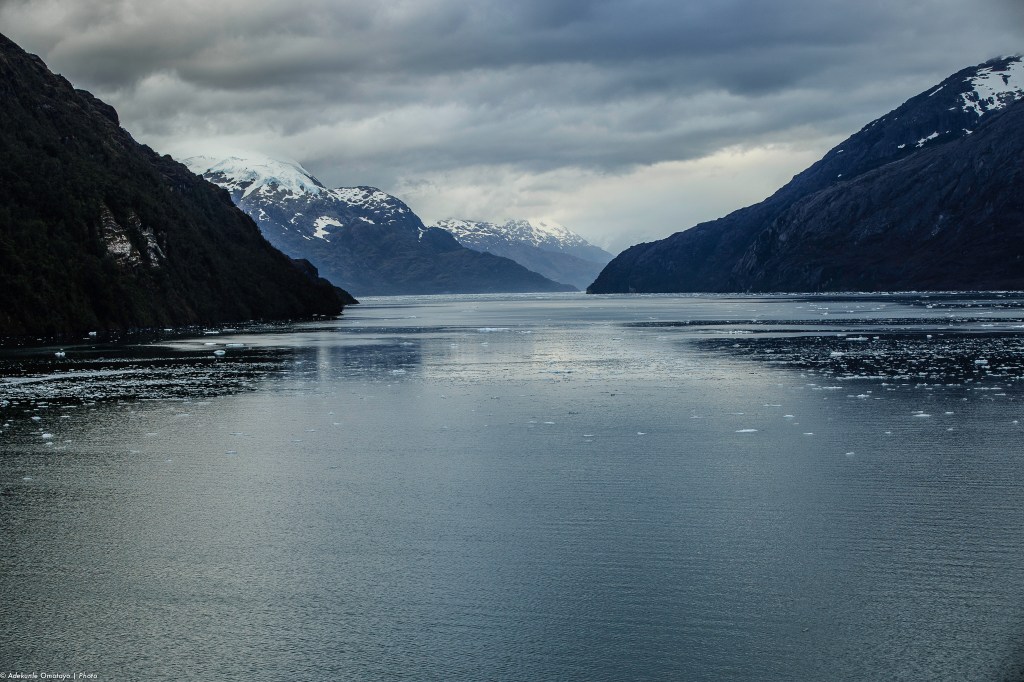
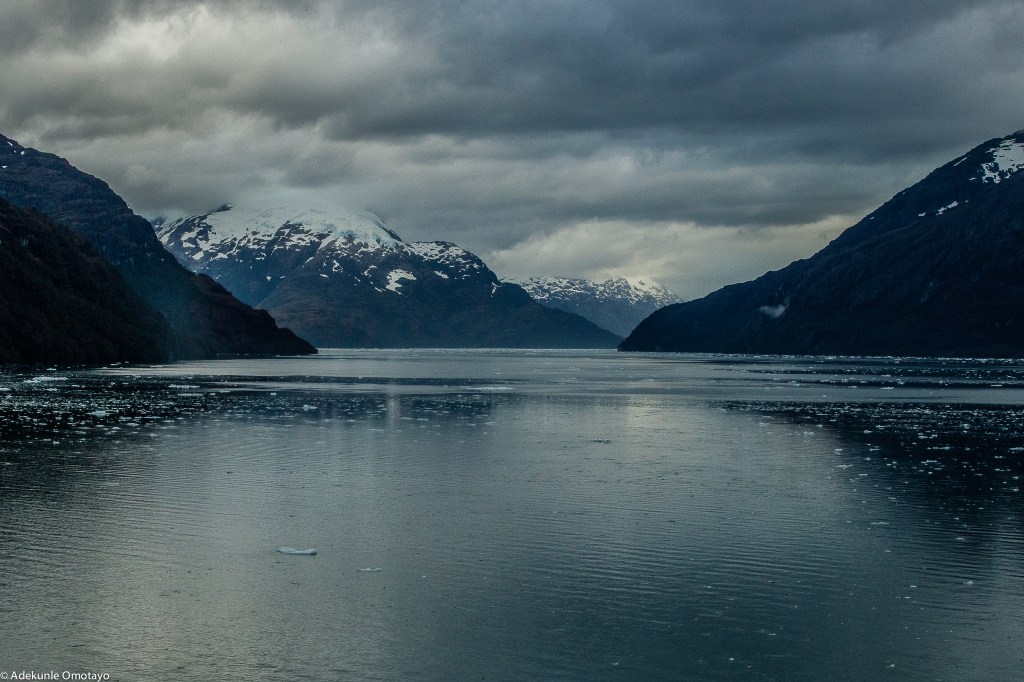
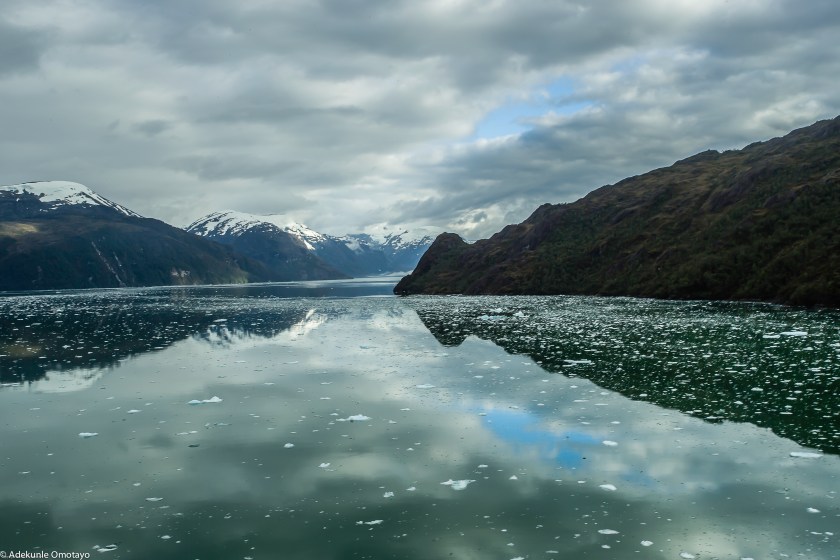
A serene view of a glacial bay, reflecting mountains and scattered ice chunks under a cloudy sky.
Patagonia has a way of recalibrating your sense of time.
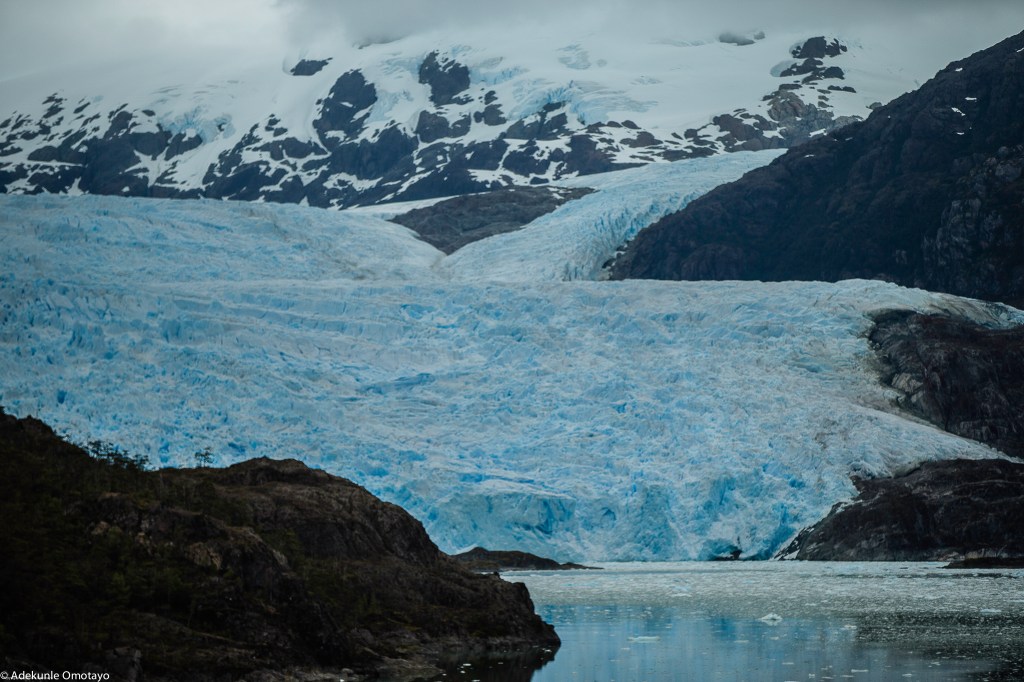
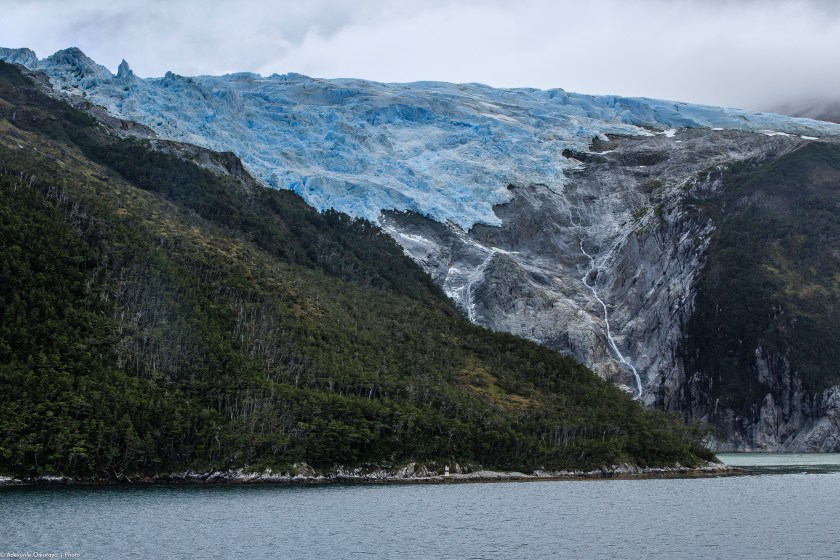
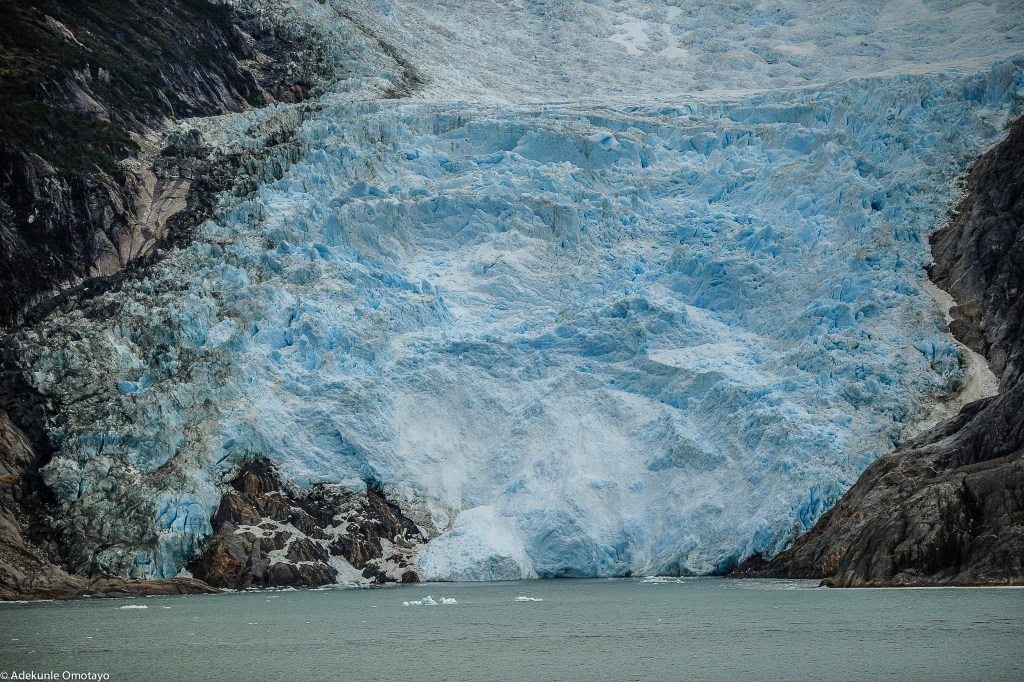
Standing before Grey Glacier, I was struck less by its immense scale than by its composure. The ice does not hurry. It advances quietly, reshaping rock and water by persistence alone. There is no urgency here—only inevitability.
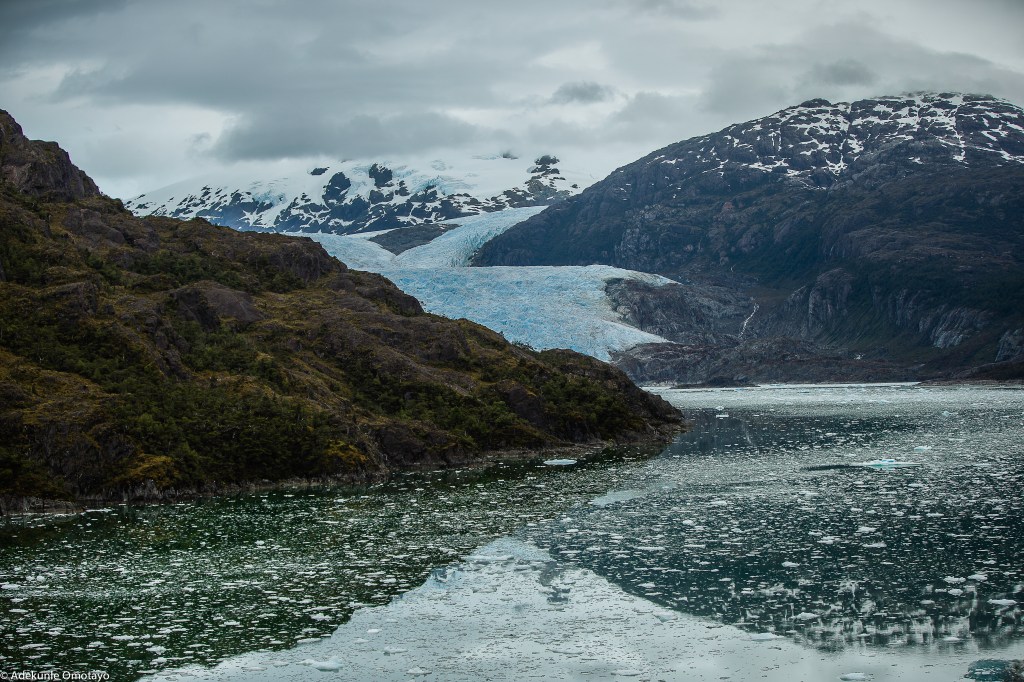
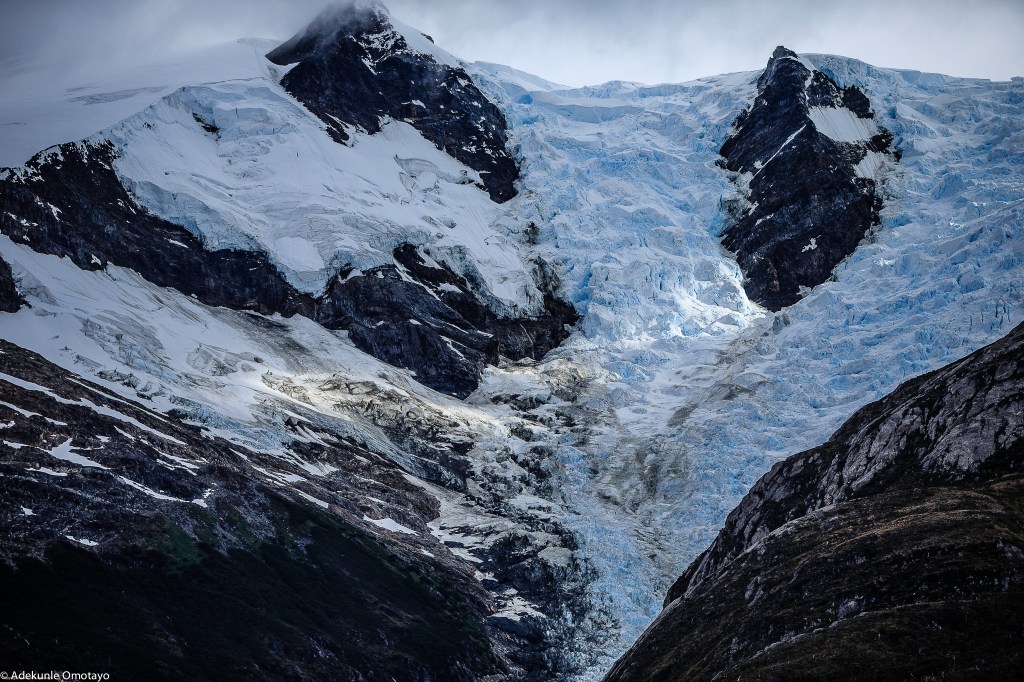
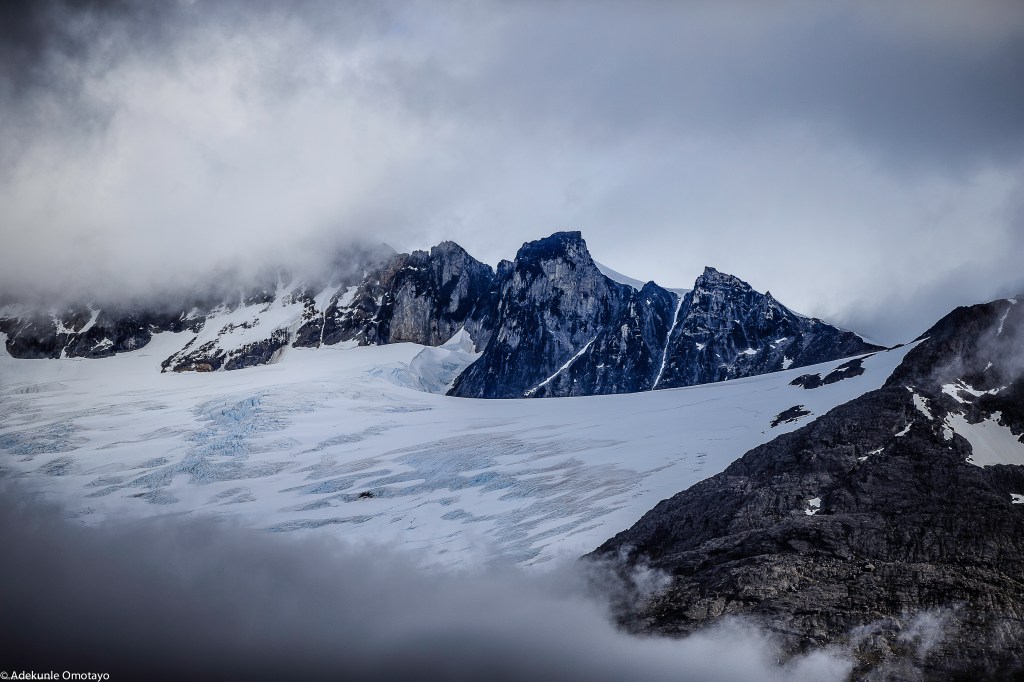
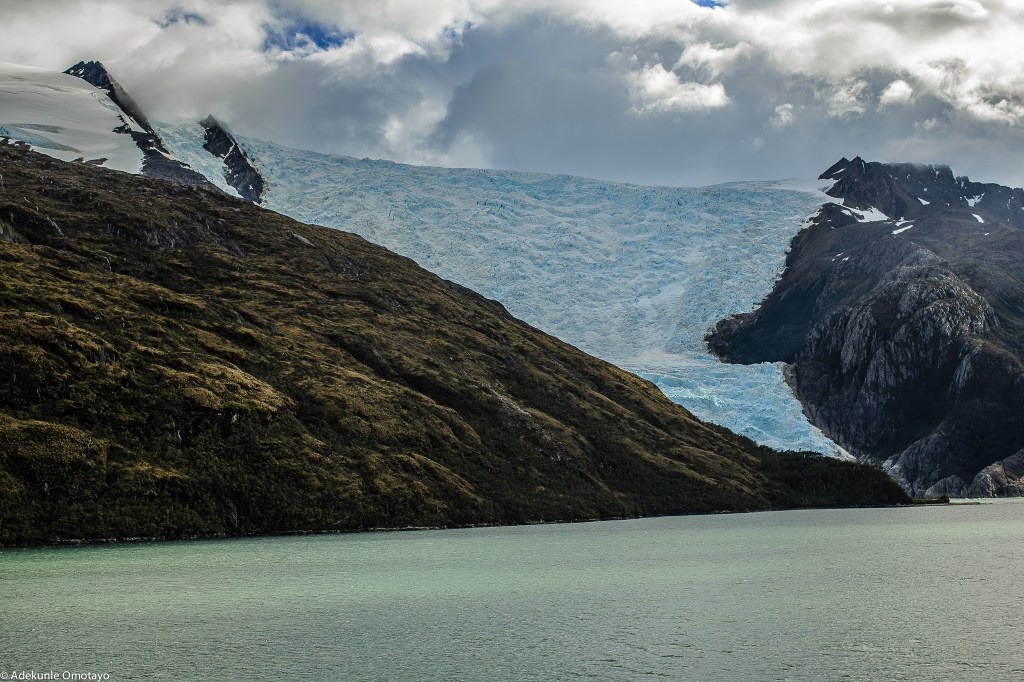
A dramatic view of snow-capped mountains contrasting with a glacier, illustrating the raw beauty of Patagonia.A stunning view of a glacier cascading down a mountain, surrounded by lush forest and water, epitomizing the rugged beauty of Patagonia.
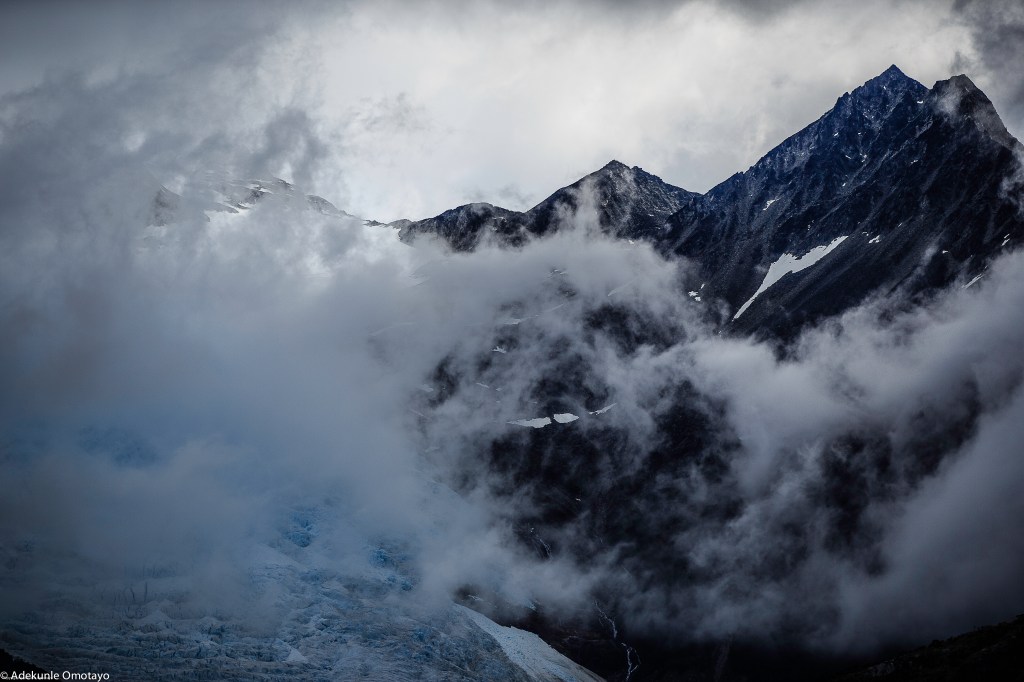
Clouds press low over Grey Glacier, compressing the landscape into layers of water, forest, ice, and stone.
The glacier descends from the Southern Patagonian Ice Field like a held breath. Dark rock flanks its sides, clouds drift low, and the world feels reduced to essentials: cold, silence, movement measured in centuries. Patagonia doesn’t shout. It waits.
In that stillness, the glacier teaches something quietly profound—endurance is not dramatic. It is patient. It is faithful. And over time, it shapes everything.
We stood facing the horizon, bundled now, quieter than before.
Antarctica was not yet visible, but it was already present—in the discipline of the cold, in the restraint of the landscape, in the way language itself seemed to falter. Patagonia had done its work. It had narrowed the world, stripped it of ornament, and taught us how little was required to endure.
The crossing lay ahead.
This was the last place where land still negotiated.
And then we waited.
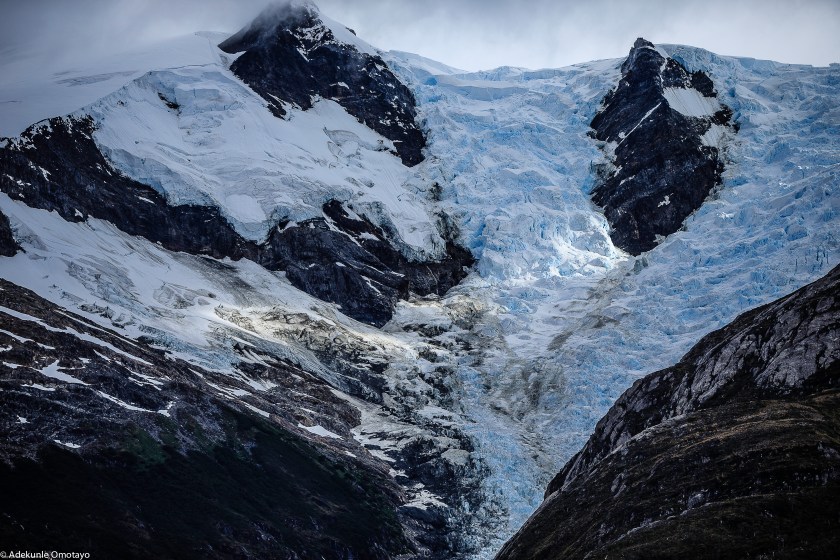
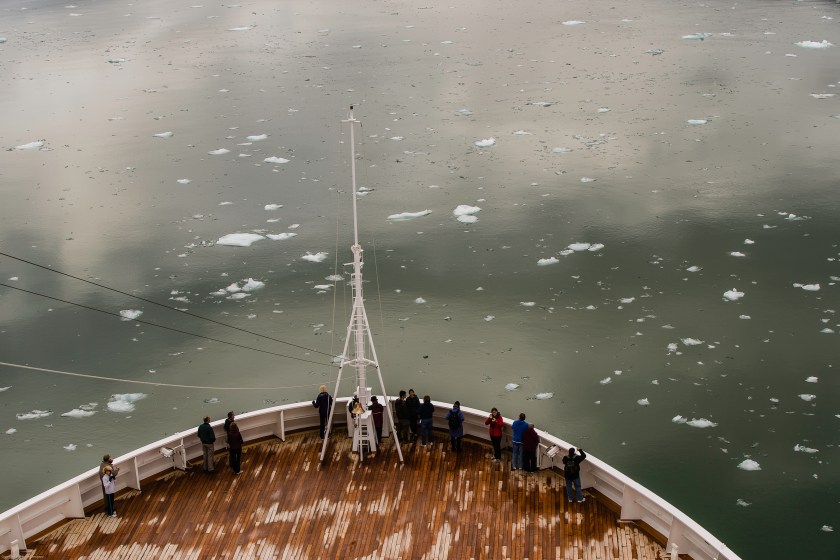
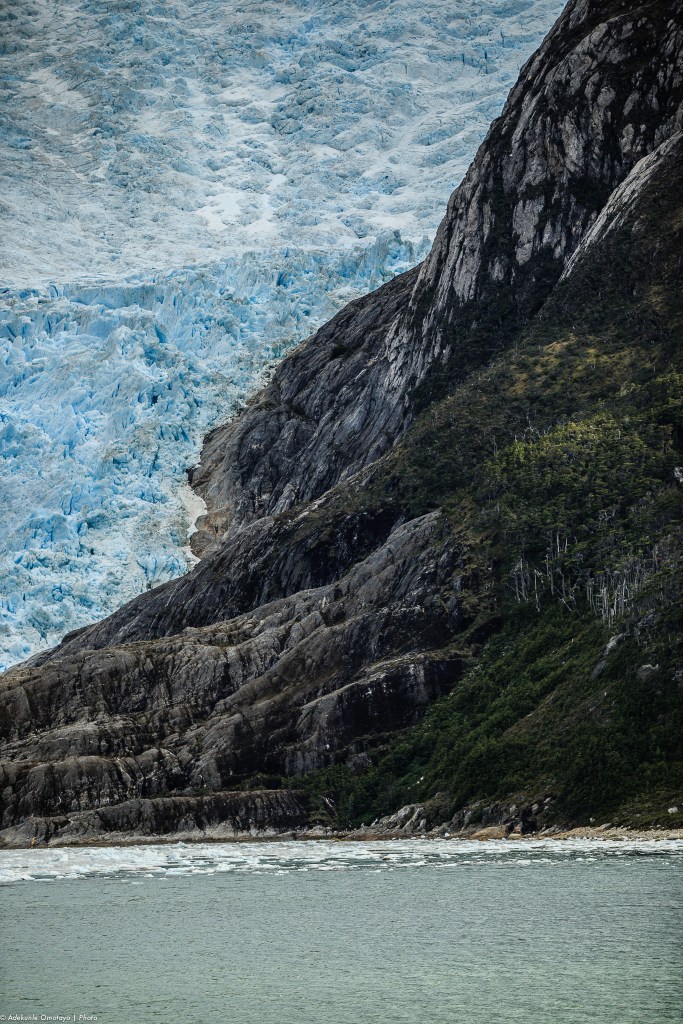
We gathered at the bow of the ship, surrounded by drifting icebergs in a serene, reflective sea.A stunning view of the glacier melting down the rocky mountains in Patagonia, showcasing the dramatic interplay between ice and stone.
As we reached the southern limit of Patagonia, the world felt pared back to essentials. The light cooled. The land narrowed. Life persisted without ceremony. Nothing here asked to be conquered or explained. Patagonia did not prepare us for something beyond itself. It was already complete — vast, disciplined, and indifferent. We did not need to go further to understand it. We only needed to stand still long enough to listen.
Drake Passage — Known for Volatility.
The Drake Passage is not a destination. It is an agreement.
Here, the continent finally lets go. Land dissolves into weather, and motion becomes the only constant. The sea asserts itself without malice—only indifference. There is no scenery to admire, no horizon to trust. Just water in all directions, moving with its own intent.
What Patagonia began, the Drake completes.
Comfort has already been stripped away. Language is no longer useful. Preparation replaces curiosity. You do not cross the Drake to arrive somewhere. You cross it to be made ready.
Beyond this stretch of water lies Antarctica—white, absolute, uninterested in accommodation.
But the Drake is the threshold.
It asks only one question:
Are you willing to surrender control before you proceed?
I picked up a new book to read and within a few chapters of the book- what the happiest retirees know by Wes Moss he quoted an alarming statistic he cribbed from a Gallup poll a few years back.
“What the Gallup numbers reveal is something many of us have felt quietly, but seldom say aloud: work, for most people, is not the sanctuary it pretends to be.”
As I read that passage, I found myself thinking of the many colleagues, patients, leaders, and young physicians I’ve known over the years. Some arrived every day with fire in their spirit—those rare 20% whose work felt like calling. I’ve met them: the nurse who stayed late to comfort a frightened patient, the pharmacist who looked past numbers to see the human story, the physician who found joy in mentoring rather than metrics.
But for the majority, work was simply the thing that allowed life to happen.
A means, not a meaning.
And then there were the others—the ones quietly suffocating under toxic leadership, impossible expectations, or the slow erosion of dignity. Talented, kind, capable people swallowed by systems that did not see them. For them, work became a place of depletion rather than purpose.
Now, in this next chapter of retirement, it is liberating to step outside that structure. To realize that purpose was never tied to the badge, the inbox, the meetings, or the title. It was tied to the impact we made, the people we lifted, the stories we shaped, and the legacy that remains long after the shift ends.
Retirement does not silence purpose.
It simply removes the walls around it.
There are moments in travel when the world becomes a mirror—reflecting not only landscapes but long-buried truths. On this journey, somewhere between airport terminals, open skies, and the rhythm of my camera shutter, I came across that Gallup statistic again:
Only one in five Americans feel engaged in their work.
Three in five drift through it.
One in five are crushed by it.
Reading this while unbound from schedules and calendars hit differently.
Because for decades many of us believed that work was the centerpiece of our purpose. That identity lived inside job titles, performance reviews, and the approval of structures that seldom paused to see our humanity.
But the truth I’m learning—step by step across continents—is this:
Purpose is not a location. It is not an office. It is not a role.
Purpose is a way of being.
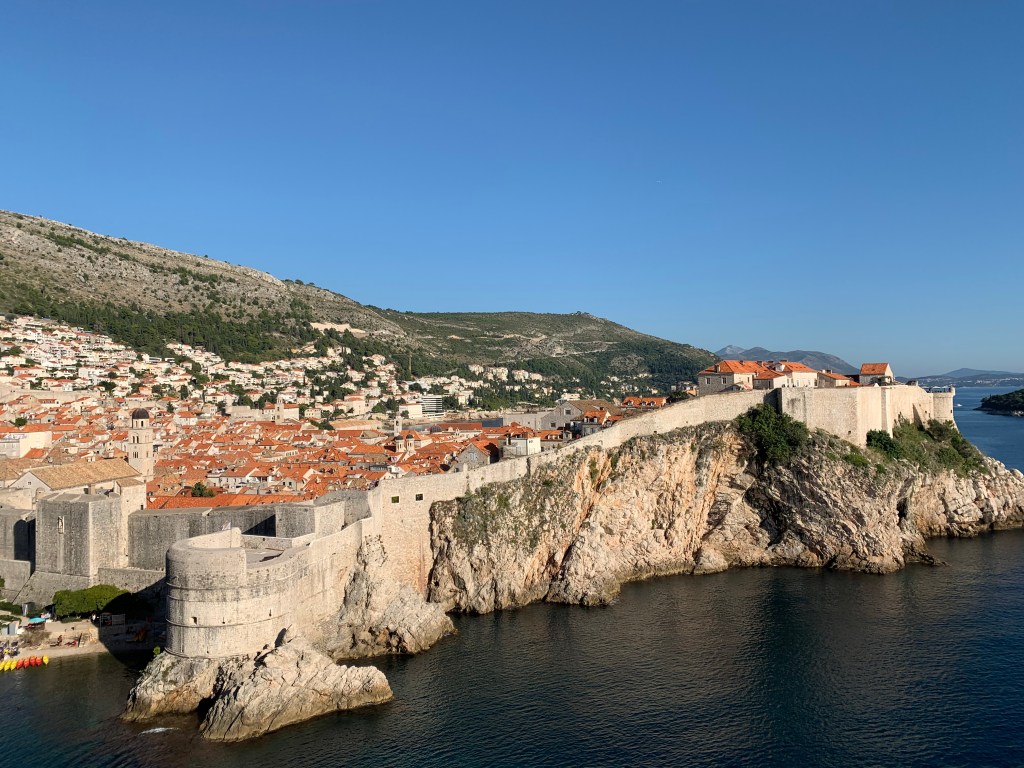
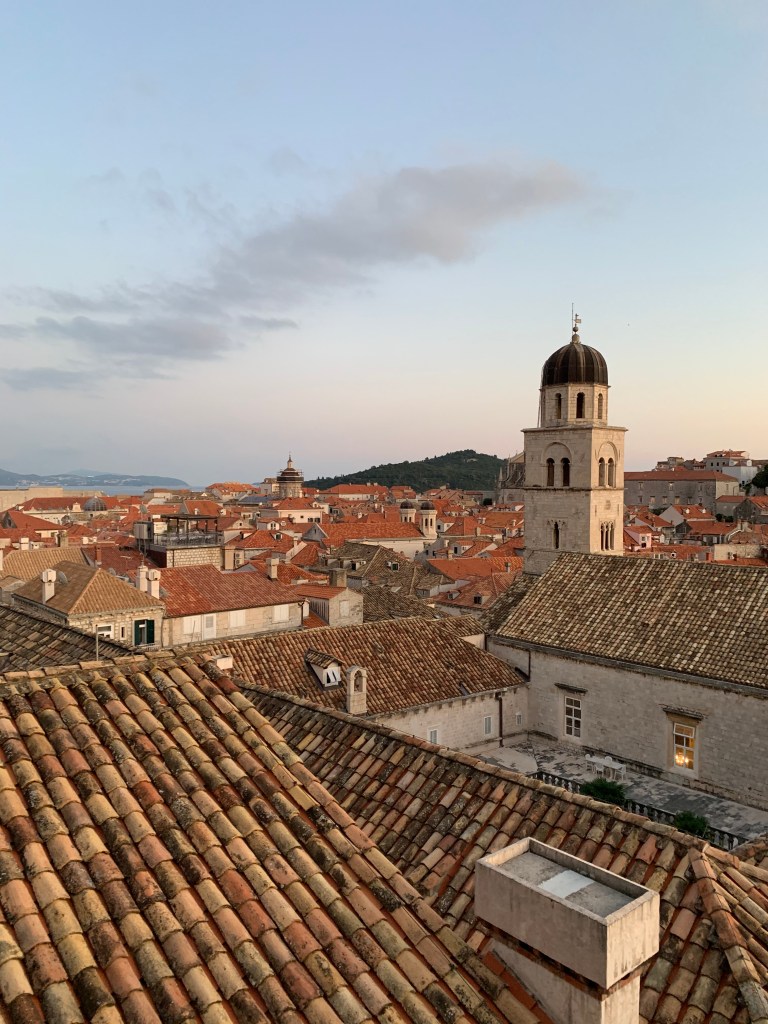
As I walked the rocky coastline of Dubrovnik…
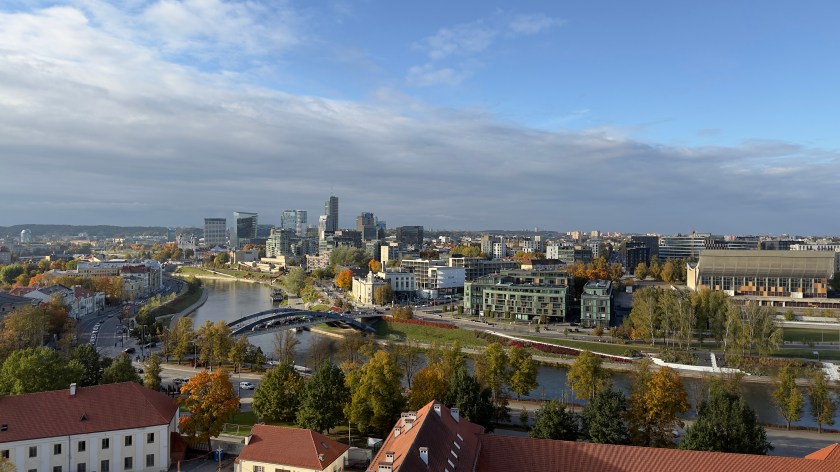
As I wandered through the quiet alleys of Vilnius scented with morning bread…
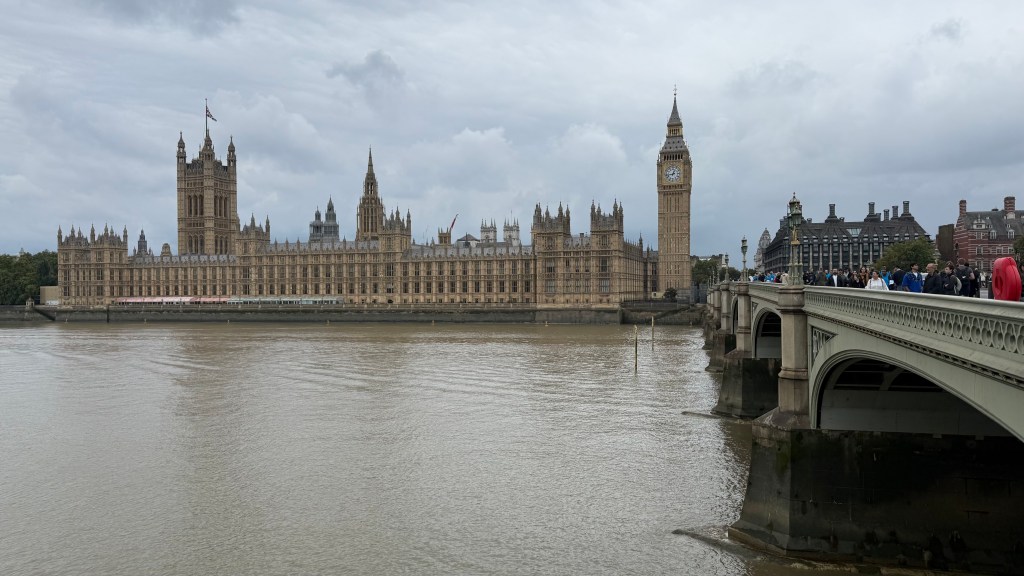
As I stood in the golden light of London’s South Bank or climbed the hills of Patmos…
I realized that distance clarifies what routine obscures.
Travel reveals the difference between living and merely enduring.
In my former life as a medical director, I saw all three categories Gallup describes:
the delighted few,
the steady middle,
and the exhausted many.
All trying—often against the tide—to find meaning in systems that drained more than they restored.
Now, moving freely between cities and seasons, I see more clearly:
• Work gave me service. Travel gives me perspective.
• Work gave me responsibility. Travel gives me breath.
• Work shaped my days. Travel is reshaping my life.
And somewhere on this journey, a quiet truth rose in my spirit—one I now claim as my own:
“Purpose is not earned by our labor; it is revealed by our living.”
And so, as I write from yet another corner of the world—today perhaps a café in Athens, tomorrow a quiet street in Paris, or a bustling market in Singapore—I’m learning that fulfillment was never confined to employment.
It was waiting for spaciousness.
For curiosity.
For rediscovery.
For this.
We don’t retire from purpose; we simply retire from whatever once dimmed it.
This travel series isn’t just about the places I’m seeing.
It is about the pieces of myself I am recovering along the way.
This journey is teaching me that the world is wide, life is fleeting, and meaning often waits just beyond the borders of familiarity—ready for those courageous enough to step into the unknown.
SimplyO
Dubrovnik Dubrovnik Mystique Santorini OiaSouth bank Seville
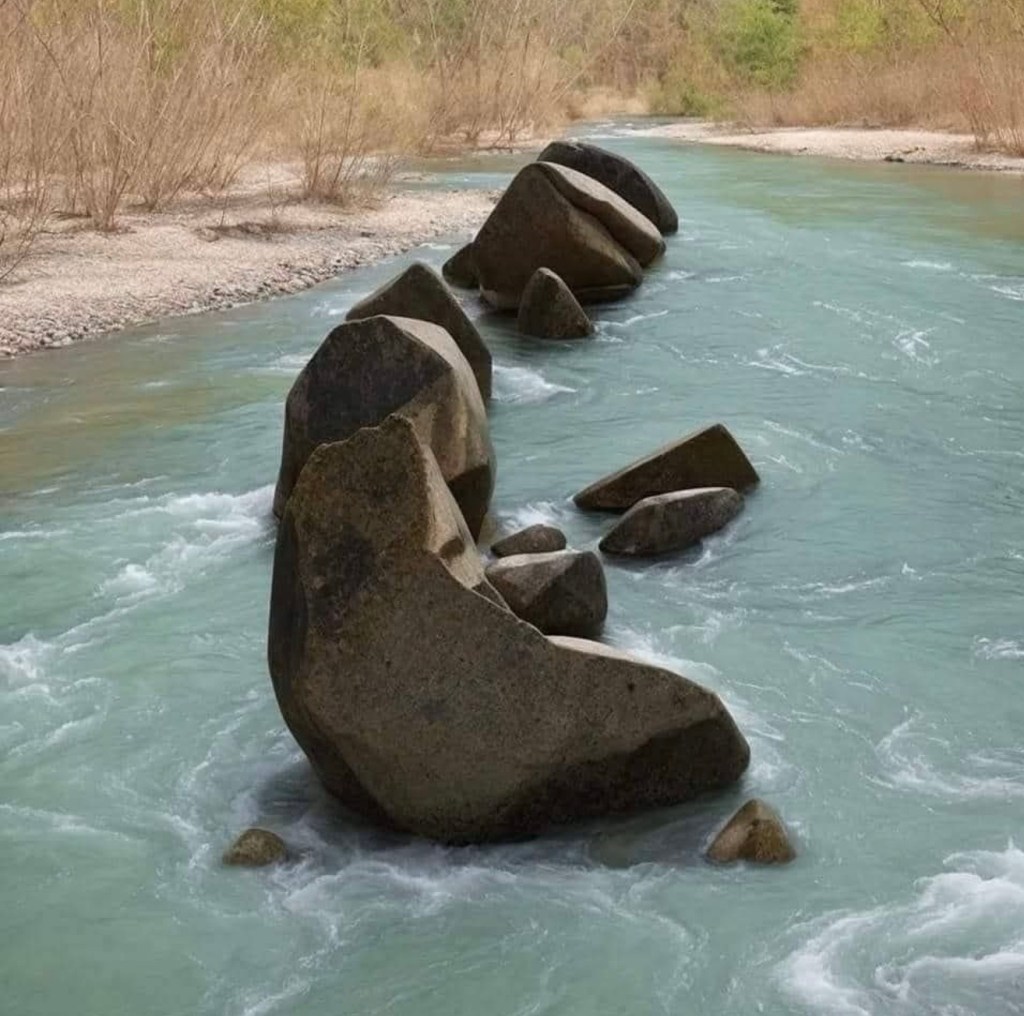
As we approach the end of another year—and step into a season of reflection, celebration, and gratitude, whether marked by Christmas, by spiritual remembrance, or simply by quiet time with family—I find myself returning to a recent image of rock formations shared on my Medical school forum. For me it evokes a deeper message. At first glance, it appears to show a lone figure kneeling at the edge of a restless river, bowed in prayer, shoulders curved in surrender. But as the eyes adjust, you discover it is only stone—lifeless, silent, shaped not by choice but by the unending current that has pressed, carved, and reshaped it over time.
And suddenly, the message for me becomes deeper.
A sermon without words.
A prayer without voice.
Time bounded by grace.
Many of us, this year, have been shaped by forces we did not choose—loss of parents, siblings, and friends; health challenges that remind us we are well into our sixth decade; changes that arrive uninvited; responsibilities that weigh heavier than before. We stand for years believing ourselves unmovable, until life teaches us otherwise. Over time, what presses against us smooths our pride, softens our rough edges, and bends us—gently, sometimes painfully—toward wisdom.
What looks like kneeling is not always defeat.
Sometimes it is transformation.
The river in the image never stops moving. It pushes, pulls, surrounds, and reshapes—but the rock remains. Not untouched, but still standing. In the same way, though life sculpts us without asking permission, we retain the power to choose the shape we emerge with. Some come out hardened. Some come out broken. And some—by the mystery of grace—come out looking like prayer.
As I reflect on my own journey, I am humbled by the many kindnesses I have received—undeserved gifts that remind me that grace does its best work over time. God has a way of shaping us even when we don’t realize it. And as many of us transition into the next phases of our lives—retirement, semi-retirement, or simply a slower rhythm—I am convinced that what keeps the mind sharp is not “work” as we once knew it, but the pursuits that bring joy, curiosity, and genuine engagement. Those things keep us alive inside.
So as this year draws to a close, and as each of us observes this season in ways meaningful to our faith and traditions, let us hold fast to gratitude—for life, for family, for enduring friendships, and for the unseen hand that guides our steps through both calm streams and rushing waters.
We have lived much already, but we still have more ahead of us—more grace to receive, more wisdom to share, more moments to savor. Let us not waste the time we have left chasing the wind. Let us stand, kneel, rise, and grow in whatever shape life’s river forms in us—trusting that transformation is not a sign of weakness, but of becoming.
May the coming year meet us with peace, renewal, and purpose.
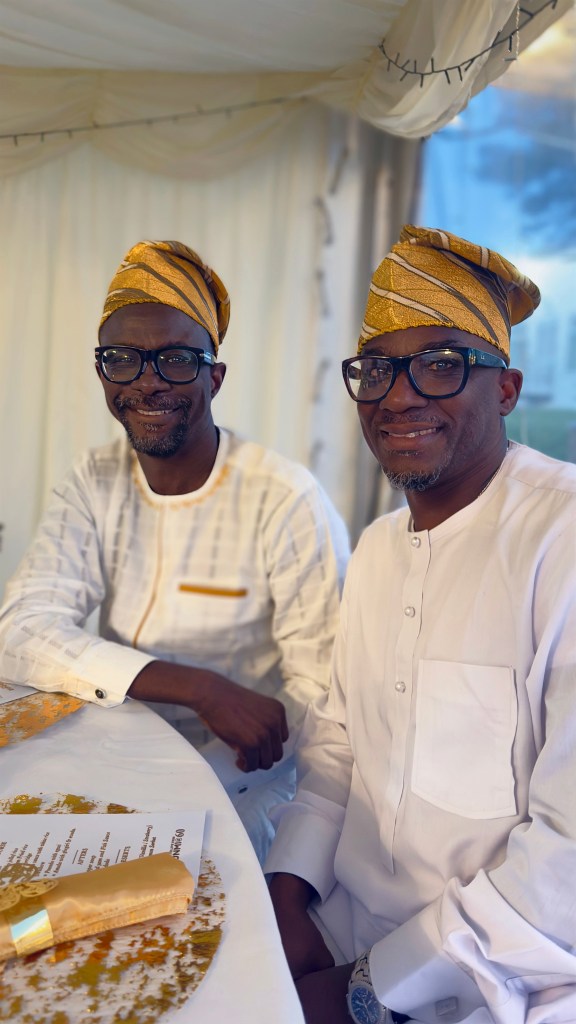
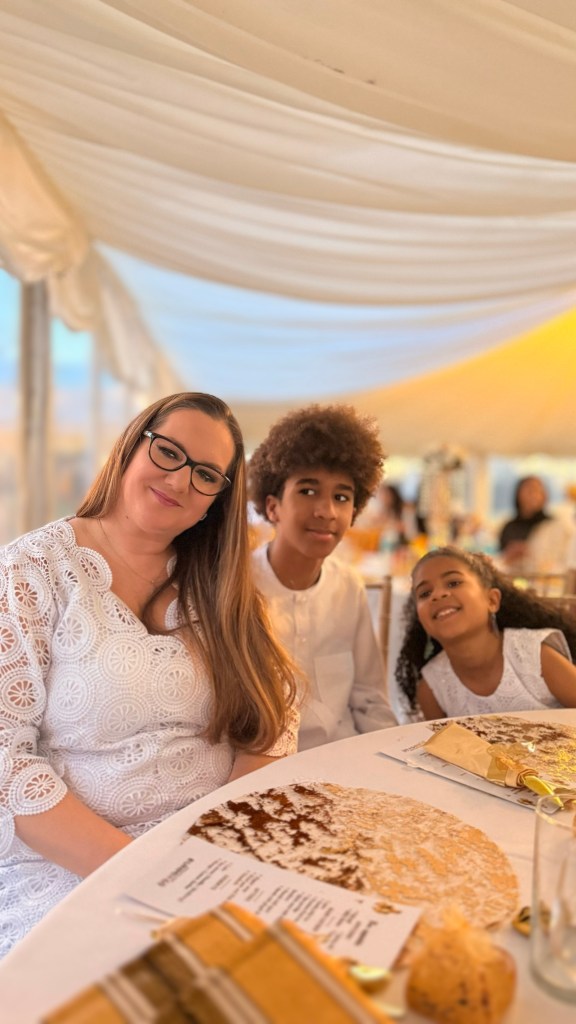
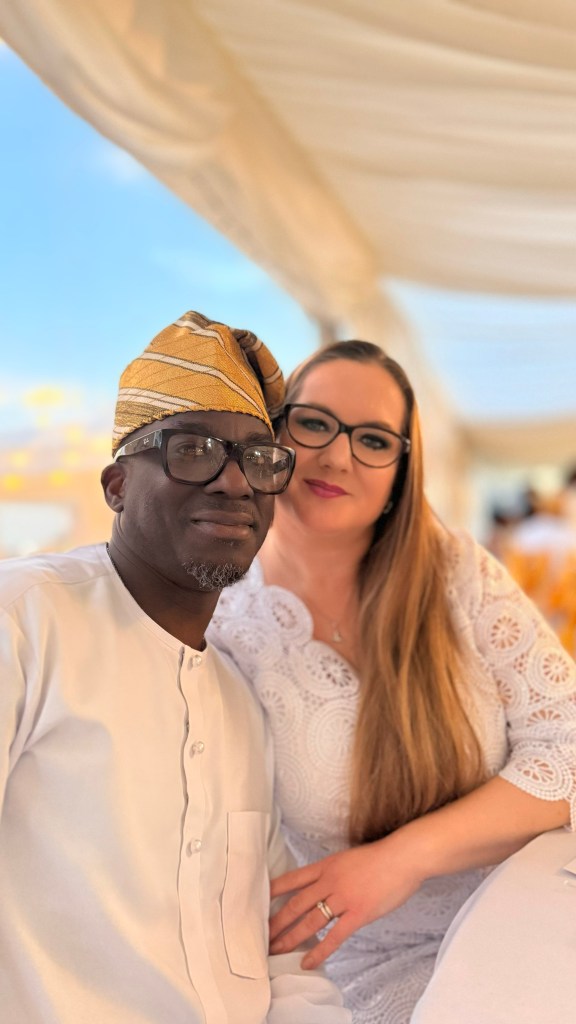
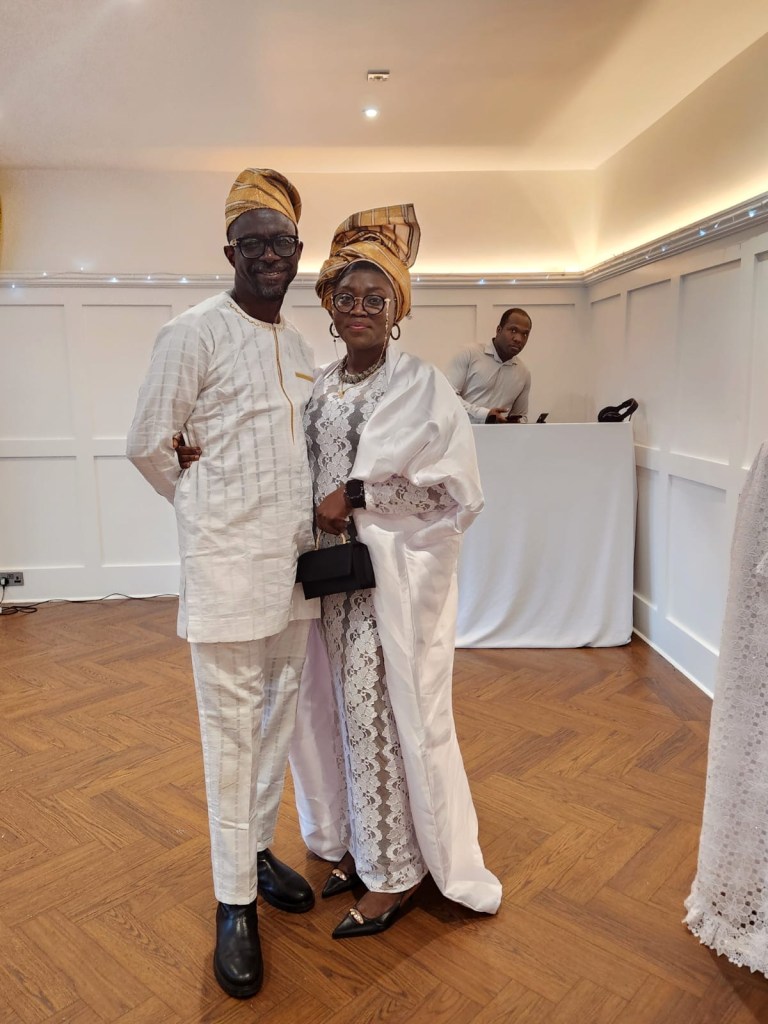
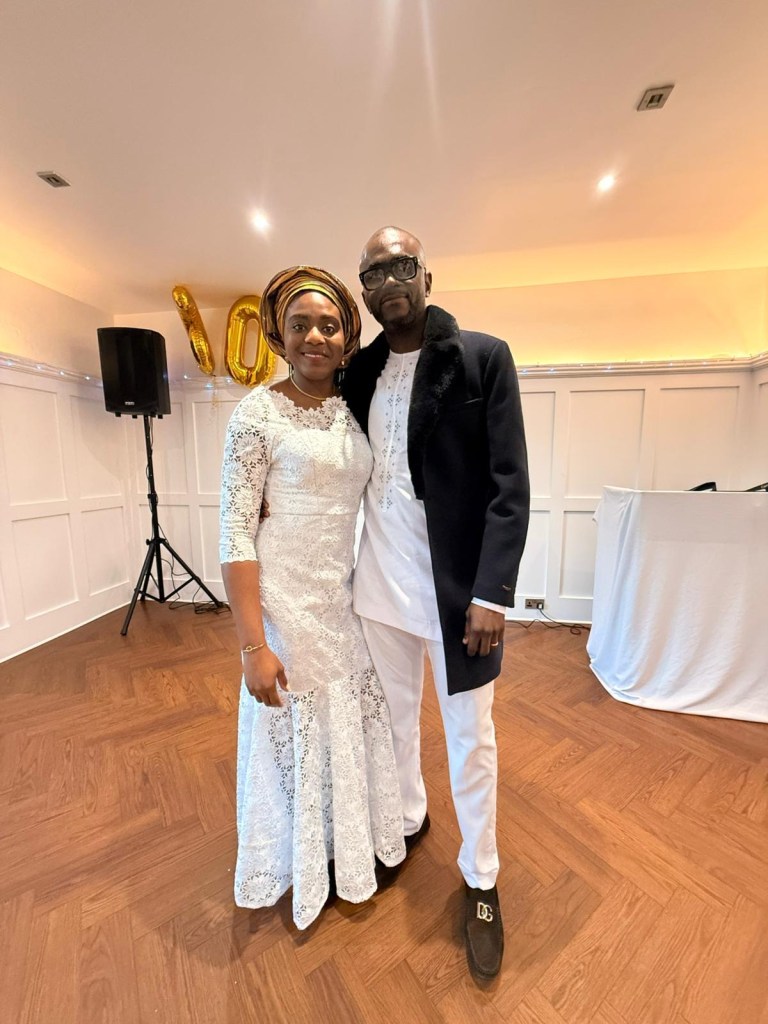
🎉 A Reflection on My Sister’s 60th Birthday Celebration 🎉
The Manor at Bickley, Bromley — St. Andrew’s Day, November 30th
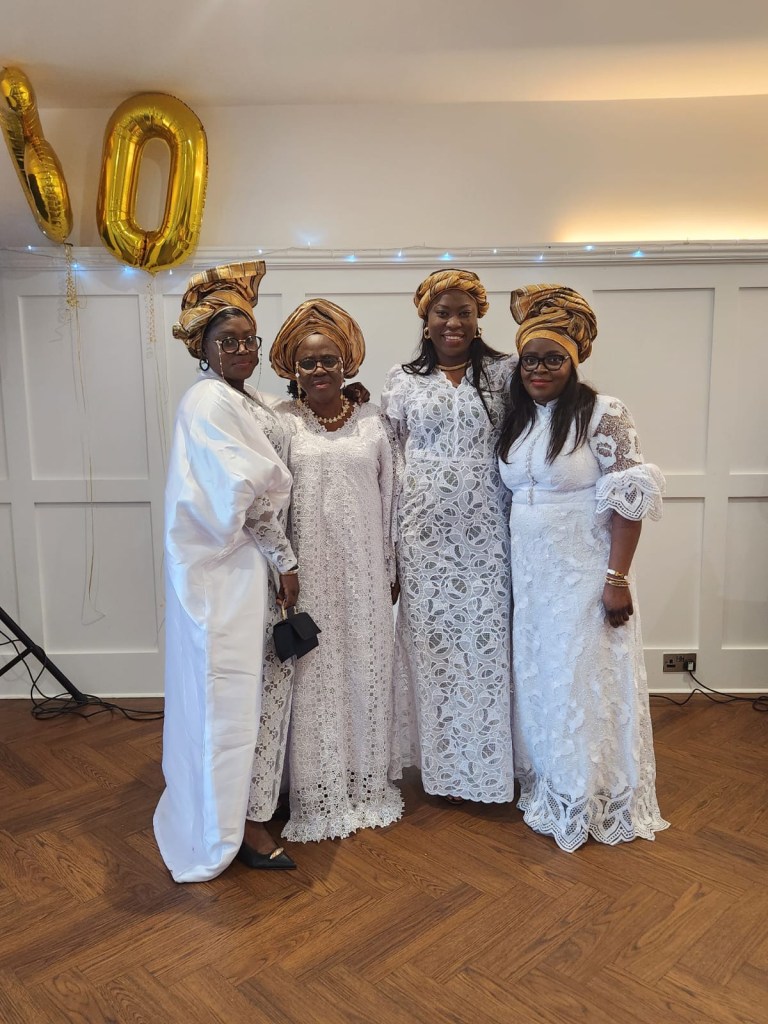
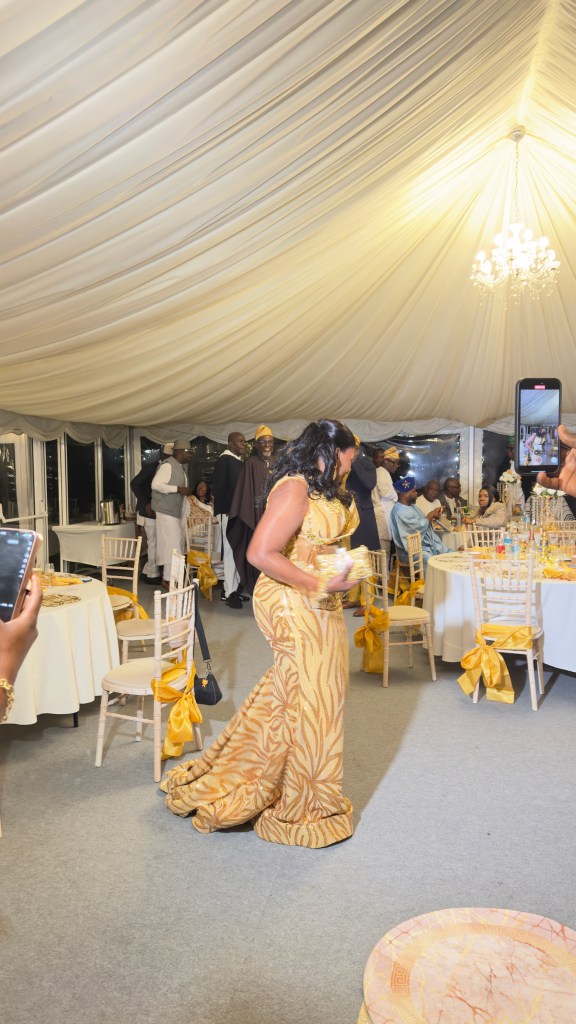
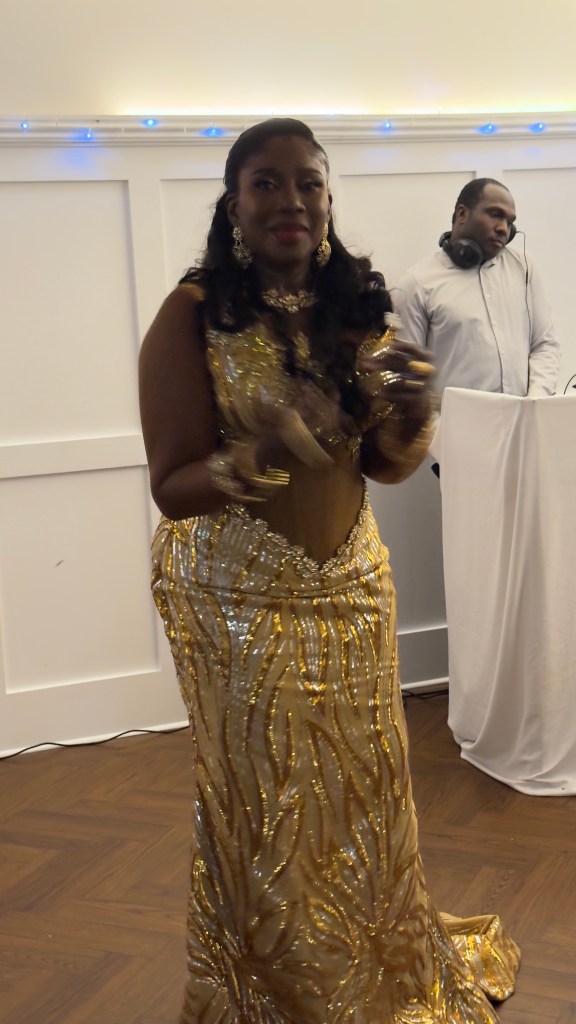
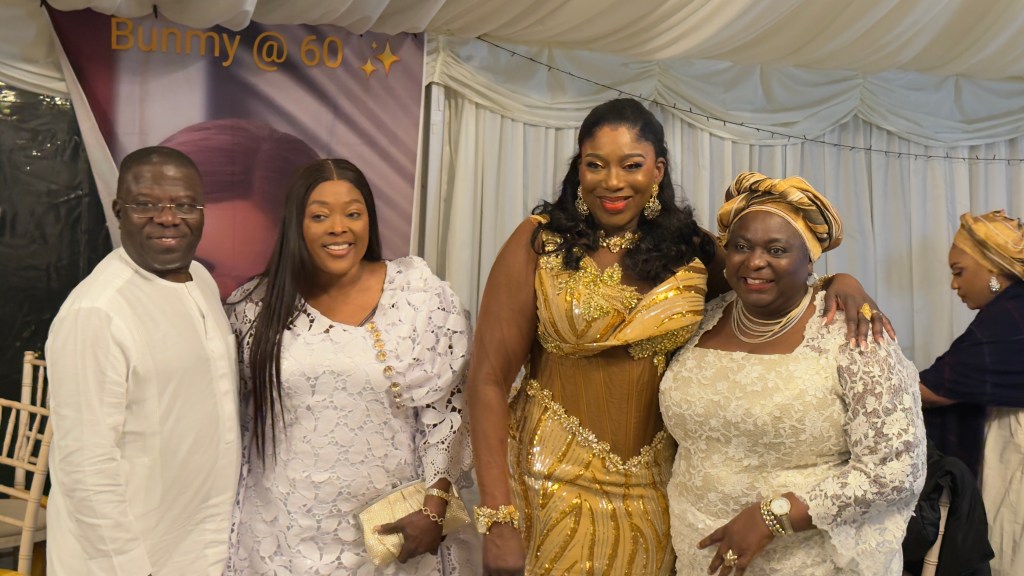
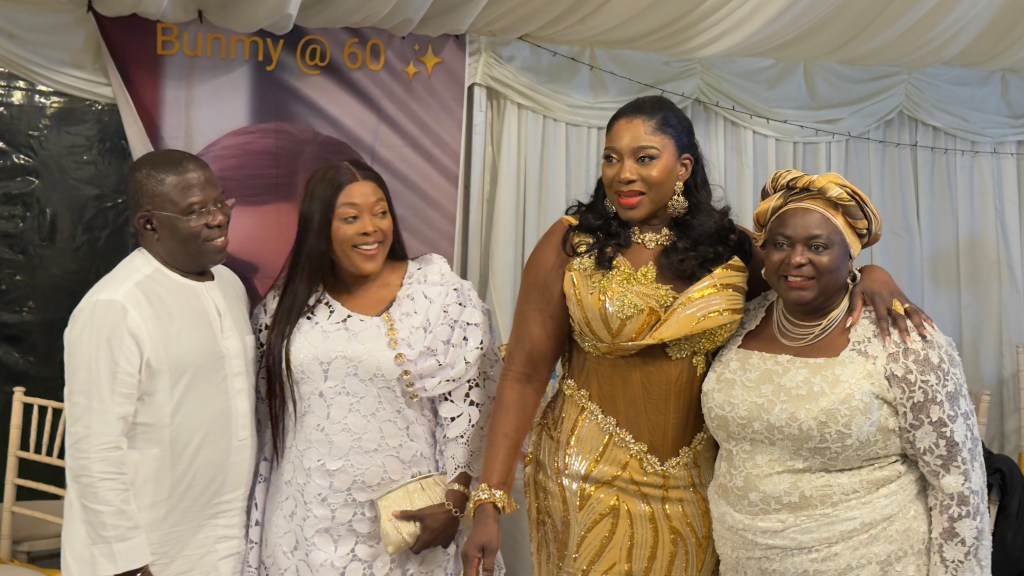
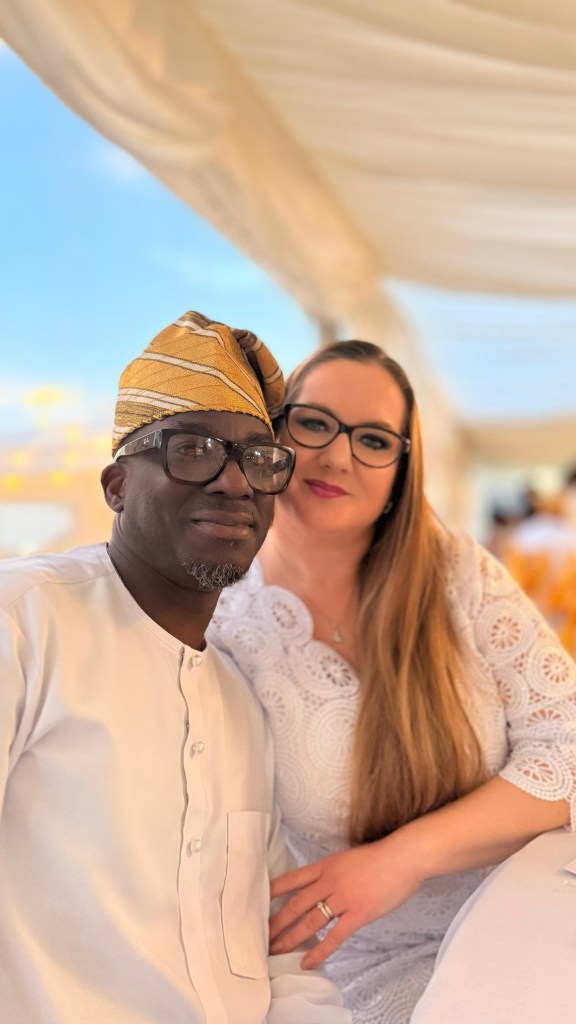
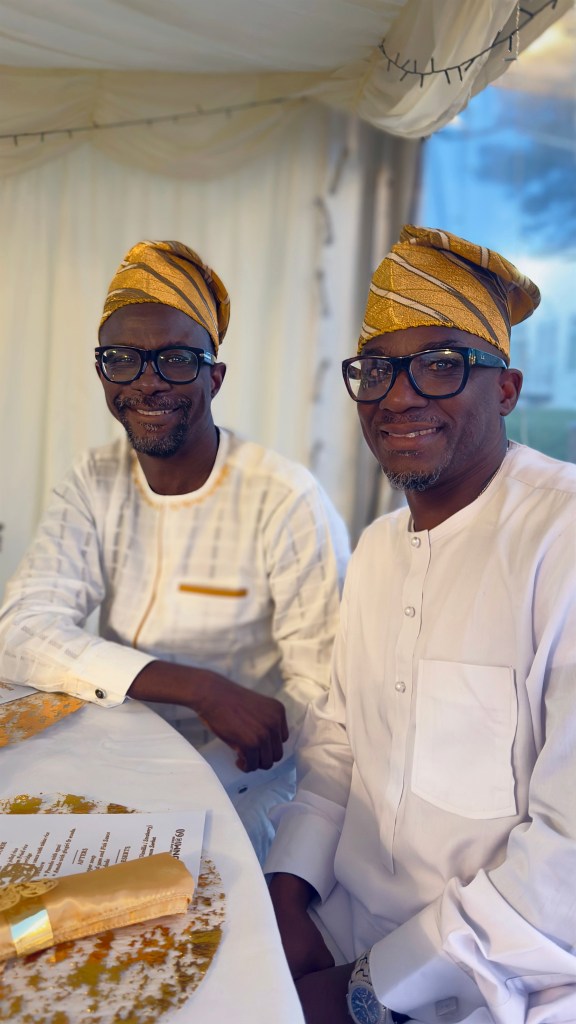
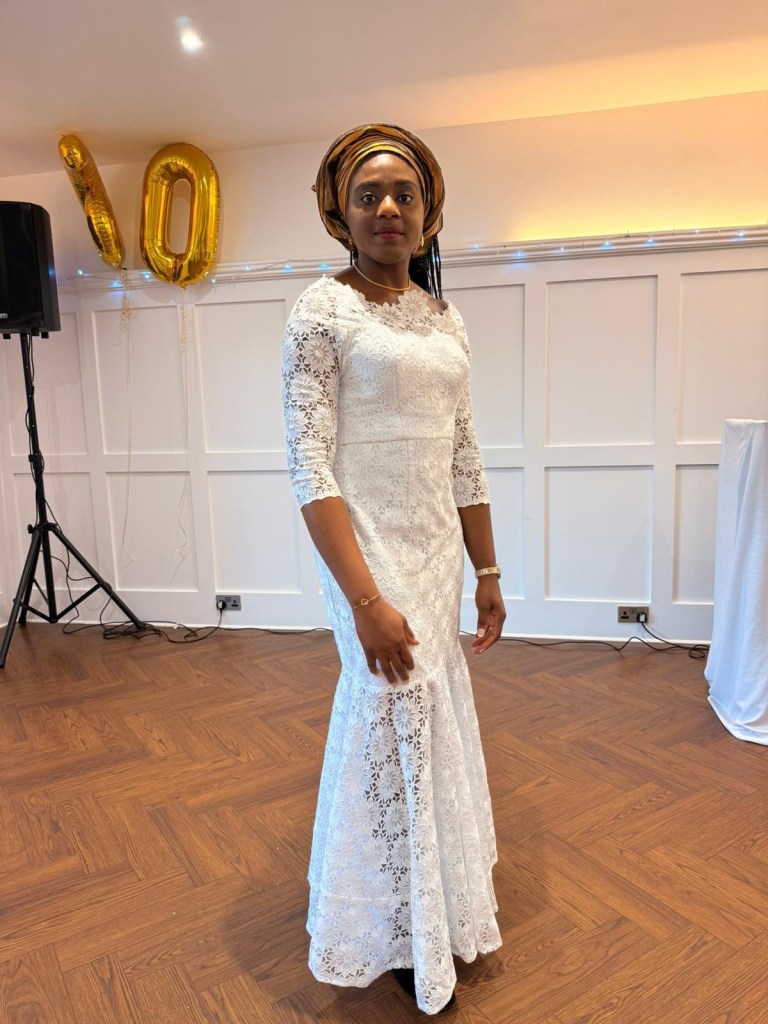
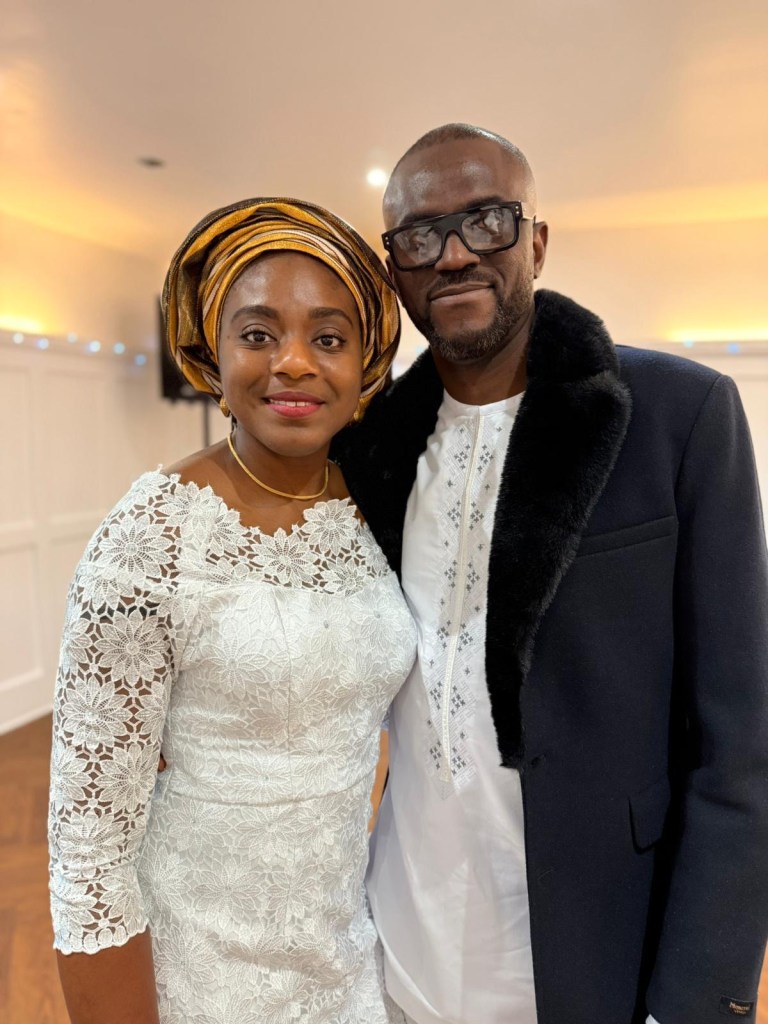
I had the privilege of attending my sister’s 60th birthday celebration on St. Andrew’s Day, November 30th, at the serene and charming Manor at Bickley in Bromley, London. The weather was brisk and characteristically English — cold enough to make you question your life choices, yet perfectly in keeping with the season. But even that chill could not dull the warmth of the occasion. My sister was radiant, surrounded and supported by her three lovely daughters, who stood proudly by her throughout the event.
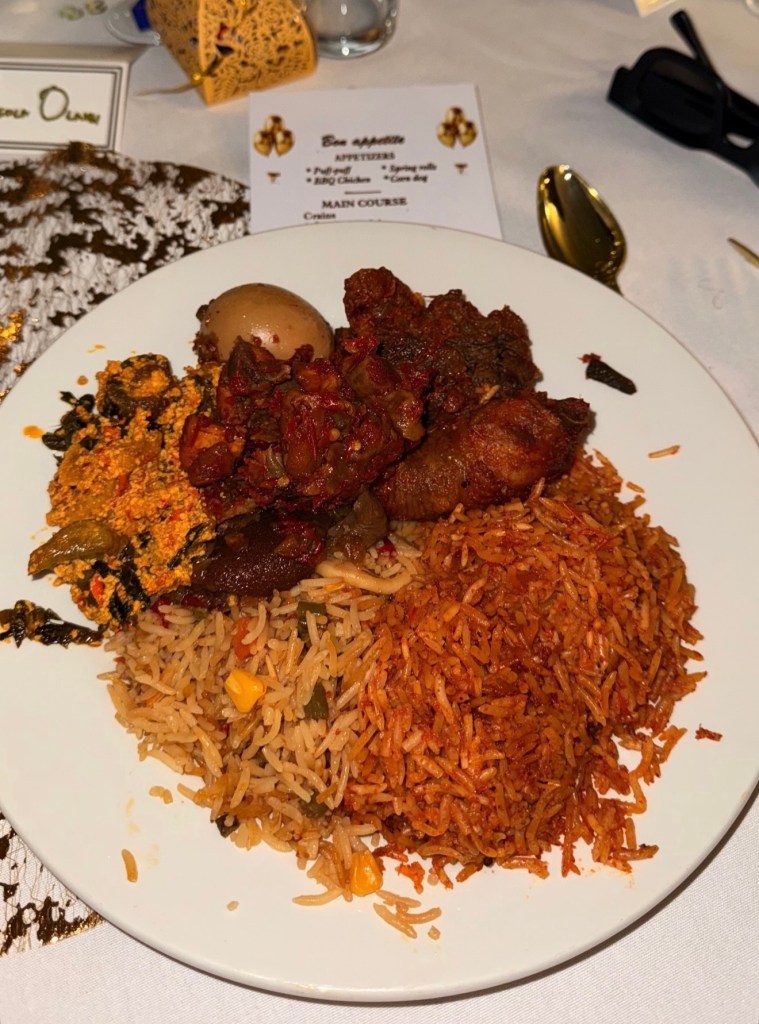
The evening itself was unforgettable. Guests were welcomed with generous servings of finger foods and pies, leading into an abundant spread of dishes that reminded us of home — smokey jollof rice, white rice with designer stew, and of course, the ever-present swallow selections. And then came my personal favorite: a steaming bowl of spicy pepper soup, perfectly suited for the cold weather outside. Hot tea and coffee flowed freely, fortifying everyone against the brisk London night.
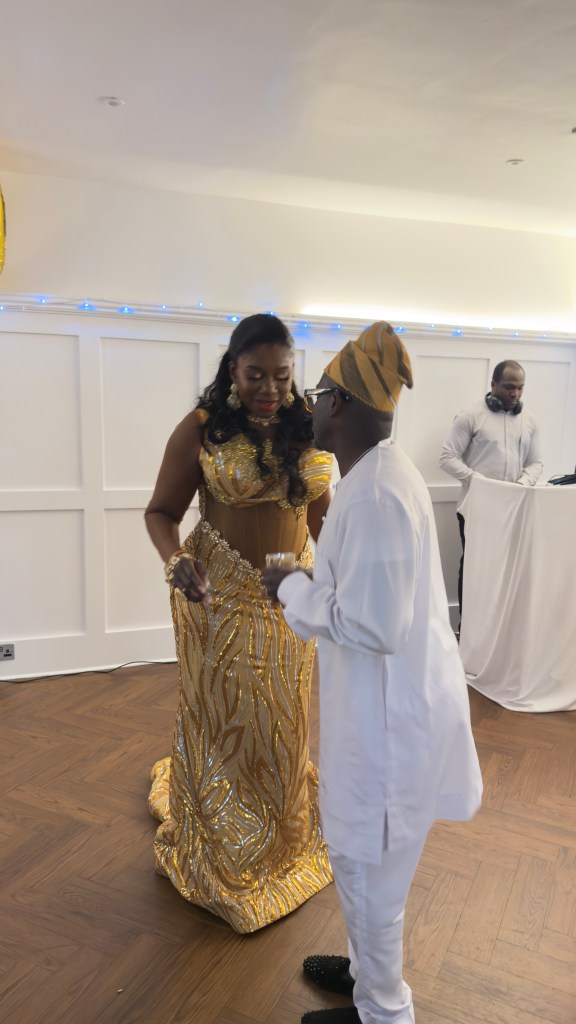
My sister danced her heart out, joined by family, friends, and loved ones who traveled from near and far just to celebrate her. Even those who couldn’t attend sent their heartfelt messages, prayers, and support. And while everyone did their part to honor her on the dance floor, I must mention Temitope — the undisputed dancing queen of the family. Though she began the night modestly, once she warmed up, she lit up the room with her energy, ably supported by Tayme. My nieces and nephews were also in attendance, impeccably dressed and glowing — but none of us could rival the elegance of the three sculptured dresses worn by the celebrant herself. She understood the assignment.
My sister called, and we all showed up — because that is what family does.
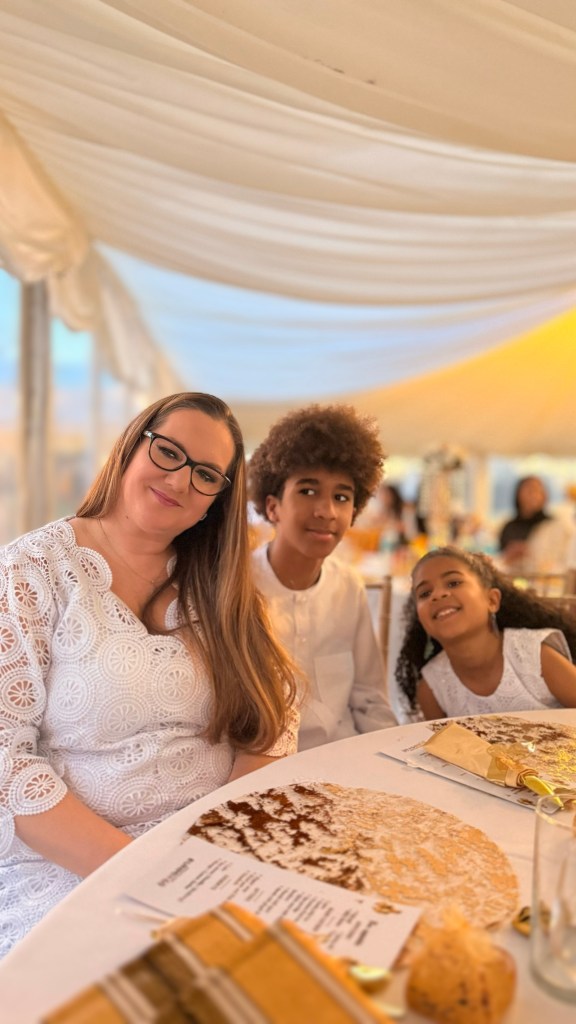
And speaking of family, I was blessed with the best company at my table. I was flanked by my brothers Gbenga and Leke, and their adorable wives Nada and Margaret, whose warmth, laughter, and easy companionship added richness to the evening. We ate together, toasted together, and enjoyed the kind of fellowship that reminds you why family bonds are priceless.
The refreshments flowed generously — Irish cream for the ladies, a variety of single-malt selections, and, unbeknownst to me, a box of Cointreau, my favorite, tucked away just behind my seat. It wasn’t discovered until long after the party had ended — perhaps a blessing in disguise, as the bar had already provided more than enough delightful, alcohol-infused cocktails to keep spirits high.
The music was absolutely banging — an electric mix of 80s and 90s classics blended seamlessly with Nigerian hits that have now become global staples. At this stage, no one should be surprised to hear Afrobeats at parties in every corner of the world. It was a soundtrack worthy of the celebration.
Yes, African timing made its appearance, as always. But in the end, none of it mattered.
What mattered was the love, the laughter, the dancing, and above all, the celebration of a woman who has lived 60 meaningful years — filled with achievements, memories, grace, resilience, and triumph over many of life’s challenges.
Sister, I raise my glass to you.
I wish you many more years of joy, abundance, and—above all—peace.
The grace of God that has carried you this far will continue to go ahead of you, surround you, and sustain you.
Your faith will continue to light your path.
Amen.
Processed with Lensa with Magic CorrectionProcessed with Lensa with Magic CorrectionProcessed with Lensa with Magic CorrectionProcessed with Lensa with Magic CorrectionProcessed with Lensa with Magic CorrectionProcessed with Lensa with Magic CorrectionScreenshot
Processed with Lensa with Magic CorrectionProcessed with Lensa with Magic CorrectionProcessed with Lensa with Magic Correction
This year has tested and stretched me in ways I could never have imagined. There were moments that demanded strength I didn’t know I possessed, seasons that revealed how fragile plans can be, and lessons that reminded me that grace is not earned — it’s freely given. Through it all, I’ve learned that gratitude isn’t reserved for the easy days; it’s born in the quiet resilience that grows from hardship.
As I pause to reflect this Thanksgiving, I am profoundly grateful — not because everything has been perfect, but because grace met me at every imperfection. I’ve witnessed the faithfulness of God in the small mercies and in the grand provisions. The love of family, the loyalty of friends, the unexpected kindness of strangers, and the strength to keep going — these are blessings beyond measure.
So, I enter this season with a grateful heart. Grateful for the storms that refined me, for the peace that followed, and for the countless ways my journey has been guided by unseen hands. May this Thanksgiving be a reminder to us all: even in life’s uncertainties, gratitude remains the surest expression of faith.































 Simply O