
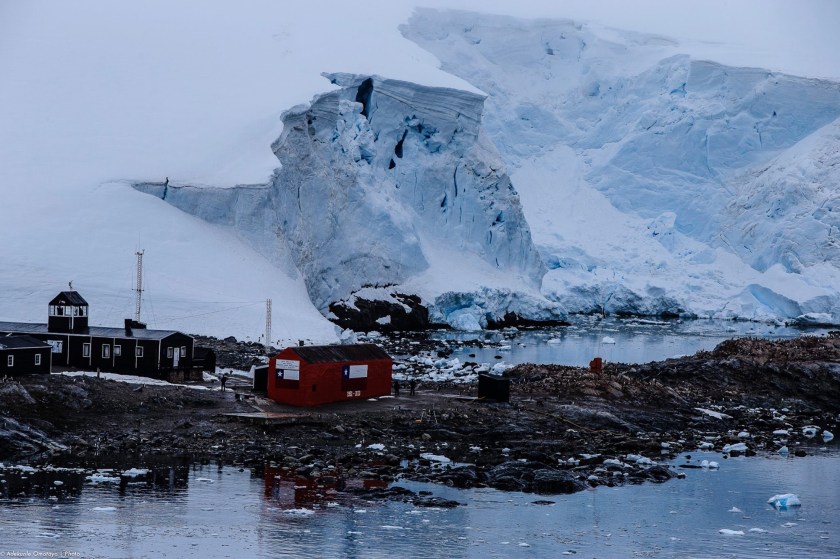
Reflections from Antarctica (2013)
Long before its icy shores were ever seen, Antarctica existed in the human imagination—a place of mystery, balance, and symmetry. As early as the 6th century BCE, the philosopher Pythagoras proposed that the Earth was round. Building on this idea, ancient Greek thinkers reasoned that if there was land in the north, there must be land in the south—a great unknown mass to balance the globe. This theoretical land became known by many names through the centuries, including Terra Australis Incognita—the Unknown Southern Land.
Even today, Antarctica remains a place apart—untouched by borders, politics, or ownership. Governed not by conquest but by cooperation, the Antarctic Treaty stands as a rare testament to international unity, preserving this continent for science and peace.
From a geological perspective, Antarctica’s isolation shaped its destiny. Around 60 million years ago, it began drifting apart from Australia. As the Drake Passage opened between Antarctica and South America, the formation of the Antarctic Circumpolar Current created an invisible moat—circling the continent and insulating it from the warmth of neighboring seas. This current became a key player in locking Antarctica in its frozen stillness, sealing it off in time and temperature.
Standing on its frozen expanse in 2013, I was humbled—not just by its stark beauty and ferocious winds—but by the realization that Antarctica is both a frontier and a mirror: a final wilderness where the Earth whispers its deepest secrets and challenges us to protect what is rare, wild, and essential.
Palmer Station, Antarctica
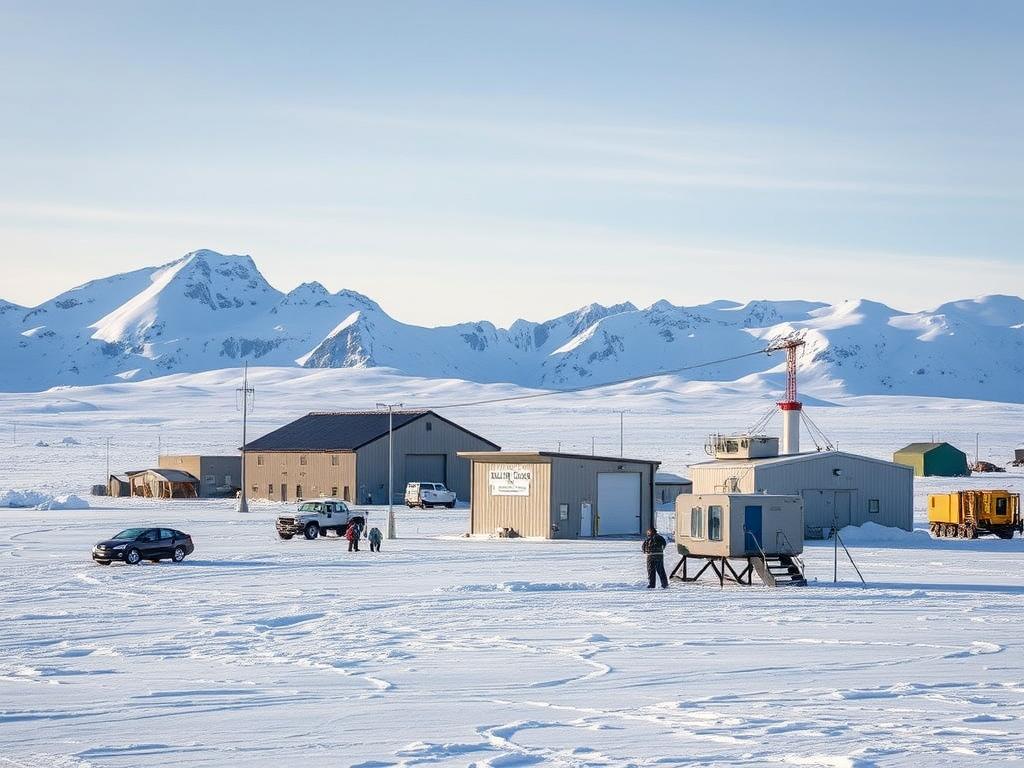
Established in 1968, Palmer Station is named in honor of Nathan B. Palmer, one of the first people to lay eyes on Antarctica during his expedition in 1820. Located on Anvers Island along the Antarctic Peninsula, the station can accommodate up to 44 researchers and staff, typically reaching full capacity during the austral summer months.
Palmer Station serves as a hub for vital scientific research, focusing on marine ecosystem monitoring, atmospheric studies, and the impact of heightened ultraviolet radiation on both marine and terrestrial life. Much of this work has been spurred by the expanding ozone hole, a growing environmental concern over the past few decades.
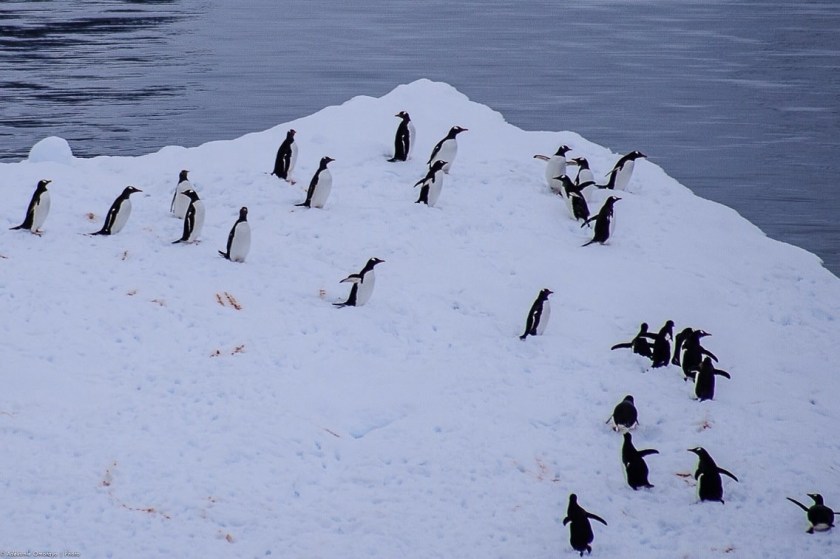
One of the more visible consequences of climate change in the region has been the decline of the Adélie penguin population. Changes in sea-ice patterns and snowfall—driven by a warming climate—have contributed to a dramatic population drop: from over 8,000 breeding pairs in 1974 to fewer than 3,300 pairs. By 2014, researchers predicted that Adélie penguins could disappear entirely from the island, a stark symbol of the broader ecological shifts underway in the Antarctic.
Icebergs of Antarctic Proportion
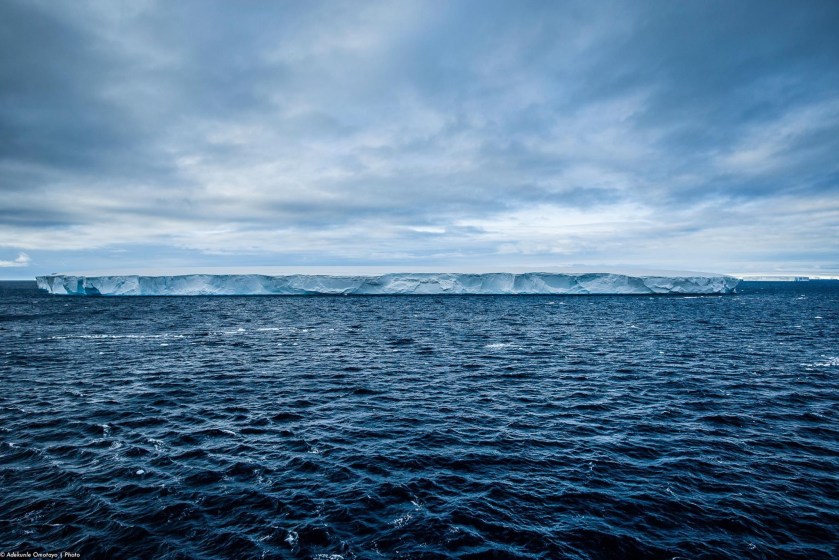
Though most icebergs remain confined to coastal waters by prevailing winds and currents, the largest ever recorded have calved from Antarctica’s vast Ross Ice Shelf. These colossal slabs of ice, known as tabular icebergs, break off and drift into the Southern Ocean, sometimes becoming legendary in size and spectacle.
One of the most famous, Iceberg B-15, was captured by satellite imagery in the year 2000. It measured approximately 295 by 37 kilometers (183 by 23 miles), covering a staggering surface area of 11,000 square kilometers—larger than the entire island of Jamaica.
Even more astounding was the largest iceberg ever observed, sighted on November 12, 1956, by the crew of the USS Glacier. Spotted 150 miles west of Scott Island in the South Pacific, this tabular giant measured an estimated 335 by 97 kilometers
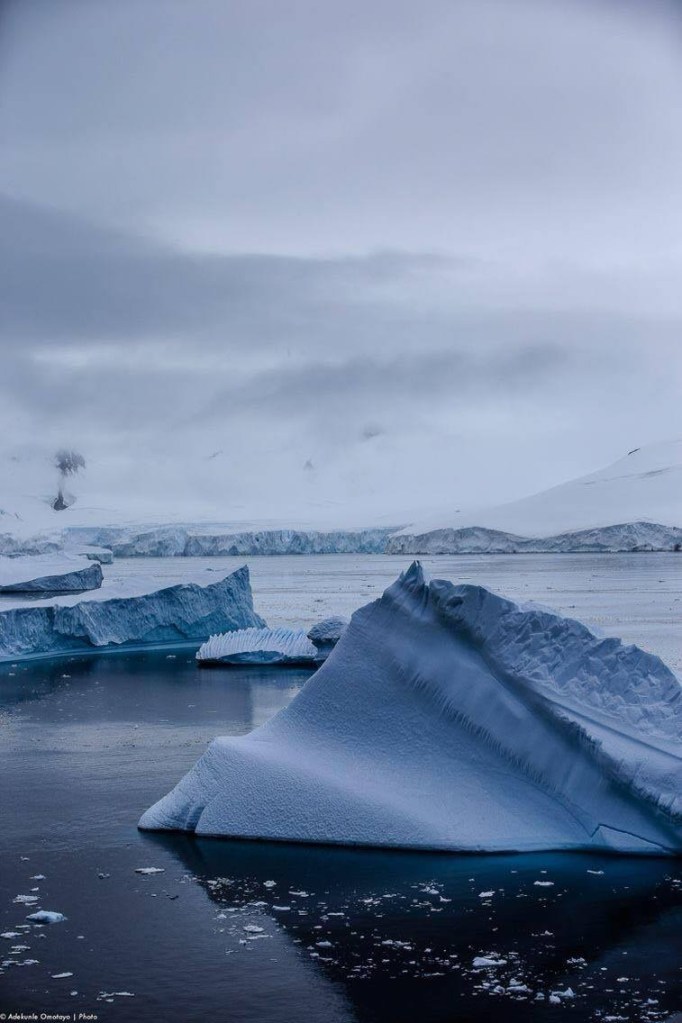
Because the density of pure ice is approximately 920 kg/m³, and that of seawater about 1025 kg/m³, typically only one-ninth of the volume of an iceberg is visible above the water. The shape of the submerged portion is often difficult to discern from what is seen above the surface. This phenomenon has given rise to the expression “the tip of the iceberg,”referring to a problem or situation where only a small part is visible while a much larger issue remains hidden beneath the surface.
Final Reflections: Elephant Island, Deception Island & Paradise Harbor
Elephant Island, just northwest of the Trinity Peninsula, would likely have remained obscure were it not for the remarkable survival story of Sir Ernest Shackleton’s ill-fated Endurance expedition. After being trapped in the Antarctic pack ice for over a year and spending an astonishing 497 days without touching solid ground, Shackleton and his 27 men finally broke free and rowed northward in search of refuge. Frozen, exhausted, and clinging to hope under a dim polar sunset, they miraculously landed on the desolate shores of Elephant Island. It may not resemble paradise to most, but for those men—it was salvation.
Yet Shackleton’s resolve was far from spent. Realizing no one would come looking for them, he and five others embarked on an improbable 800-mile voyage across the treacherous Southern Ocean in a 22-foot open boat. Their goal: reach South Georgia Island and summon help. Against staggering odds, they not only survived but crossed the island’s rugged, icy terrain to organize a rescue. After 105 days stranded, the remaining 22 men were finally retrieved from Elephant Island. Not a single life was lost. Shackleton’s feat remains one of the greatest survival and leadership stories in exploration history.
Further west lies Deception Island, a partially submerged volcanic caldera offering a rare natural harbor in Antarctica’s otherwise hostile coastline. Entry is only possible through Neptune’s Window, a narrow breach in the volcanic wall. Ships must carefully navigate around Raven Rock, a deceptively shallow hazard that lurks near the center of the channel. Inside, the island reveals its strange serenity—steaming beaches and colorful cliffs, remnants of a geologic past still simmering beneath the ice.
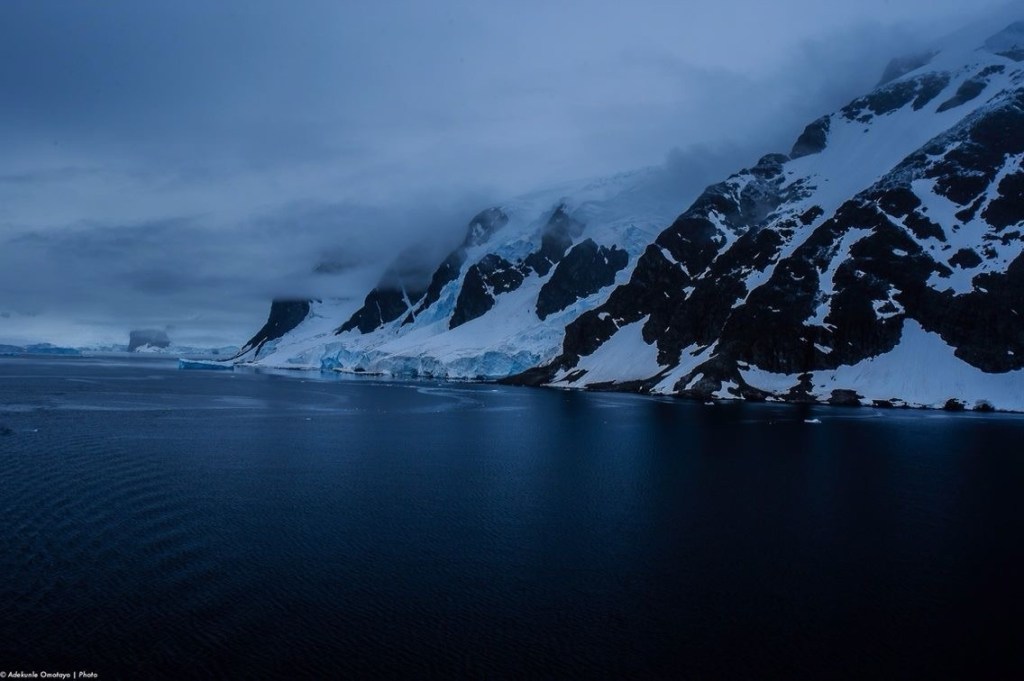
Finally, we sailed into Paradise Harbor—also known as Paradise Bay—a name that feels poetic rather than literal. There are no swaying palms here, no sun-kissed sands, yet its beauty is undeniable. Towering glaciers and jagged mountains frame the tranquil inlet in a striking composition of ice and stone. Along its edge lies the charred remains of Almirante Brown Station, an Argentine research base destroyed by fire in 1984. Now abandoned, it stands as a quiet reminder of the challenges faced even in humanity’s most remote outposts.
Adekunle Omotayo MD.
 Simply O