The World Is Broken, But Hope Remains
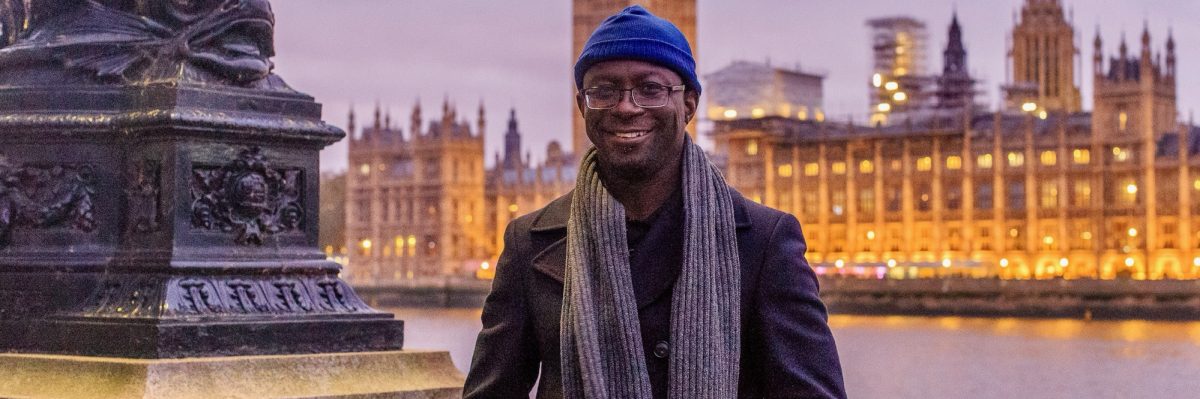
As I traveled through Europe, I often found myself thinking about the strange relationship between beauty and history.
I walked through magnificent cities.
I stood in ancient squares surrounded by beautiful buildings. I crossed bridges over peaceful rivers. I sat in cafés and watched people go about their ordinary lives. Tourists took photographs. Children played. Church bells rang.
And yet, beneath much of that beauty lay the memory of war.
This was a continent that had torn itself apart more than once.
Cities had been bombed into rubble. Millions had died. Families had been separated. Entire communities had disappeared. Young men had crossed borders to kill other young men they had never met. Human beings had discovered increasingly efficient ways to destroy one another.
And now, decades later, I was walking peacefully through those same places.
I found myself wondering:
Do we ever learn?
Because while I was traveling through the ruins and monuments of yesterday’s wars, my phone kept bringing me news of today’s.
Wars.
Rumours of wars.
Bombings.
Missiles.
Threats.
Refugees.
Children pulled from rubble.
Politicians explaining why the next act of violence is necessary because of the previous one.
Every morning, another notification.
Breaking News.
But after a while, I began to wonder what exactly was still breaking.
The news was new, but the story was ancient.
Human beings fighting over land.
Power.
Religion.
Resources.
History.
Pride.
Revenge.
One generation inheriting the anger of another and passing it faithfully to the next.
Perhaps one of the saddest things about our broken world is not simply that violence continues.
It is that we are becoming accustomed to it.
There may be such a thing as fear fatigue.
The first terrible image shocks us.
The tenth troubles us.
The hundredth becomes another story we scroll past on the way to something else.
Not because we do not care, but because the human heart was perhaps never designed to carry the suffering of the entire world every hour of every day.
And so we protect ourselves.
We look away.
We change the channel.
We continue with dinner.
We plan our vacations.
We live our lives.
I understand this.
But I also fear it.
Because when suffering becomes ordinary, indifference can begin to feel normal.
And yet, traveling through Europe taught me something else.
Destruction does not always have the final word.
I walked through cities that had once been rubble.
I crossed borders that armies once died defending.
I watched people from nations that once tried to destroy one another sit together in restaurants, travel together on trains, conduct business together, marry one another, and raise children who may barely understand why their great-grandparents hated each other so much.
That does not mean history is over.
It does not mean peace is permanent.
Nothing is permanent in this world.
But perhaps neither is war.
The human story is filled with destruction, but it is also filled with rebuilding.
Bridges are rebuilt.
Homes rise again.
Church bells ring again.
Markets reopen.
Children return to school.
Former enemies eventually sit at the same table.
Perhaps this is what hope looks like.
Not the denial of suffering.
Not pretending that everything will be fine.
Not closing our eyes to evil or refusing to speak when truth demands a voice.
Hope is something more stubborn than optimism.
It is the refusal to believe that destruction must have the final word.
Jesus said that we would hear of wars and rumours of wars.
Two thousand years later, the words remain painfully familiar.
But perhaps the instruction hidden within them is not to surrender to fear.
We are still called to live.
To love.
To pray.
To speak truth.
To help where we can.
To resist the temptation to divide every human being into camps of us and them.
To remember that behind every statistic is someone’s child, someone’s parent, someone’s friend.
The world is broken.
Perhaps it always has been.
But I have walked through places where broken things were rebuilt.
I have stood in cities where hope returned after people believed all hope had disappeared.
I have seen flowers growing beside monuments to the dead and children laughing in places where soldiers once marched.
And perhaps that is why I still believe.
The headlines may continue.
The wars may continue.
The rumours may continue.
But somewhere, even now, someone is rebuilding a wall.
Someone is planting a tree.
Someone is feeding a stranger.
Someone is choosing forgiveness over revenge.
Someone is teaching a child a different story.
Someone is praying for peace.
These things rarely make the breaking news.
But perhaps they are the news that matters most.
The world is broken.
But hope remains.
Simply O.

