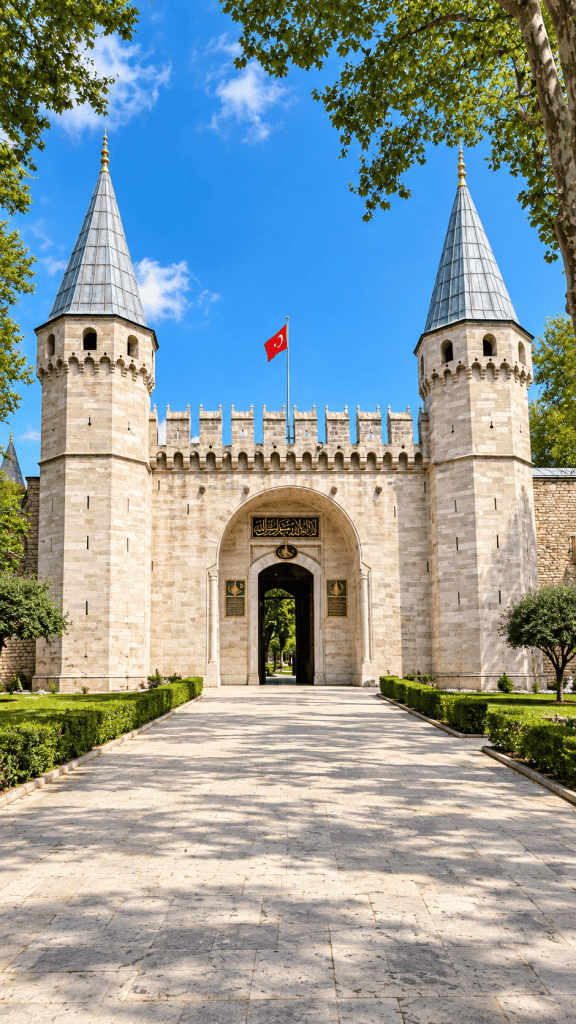


Every palace has a front door through which history likes to enter. But perhaps we understand power better when we wander through the rooms behind it.
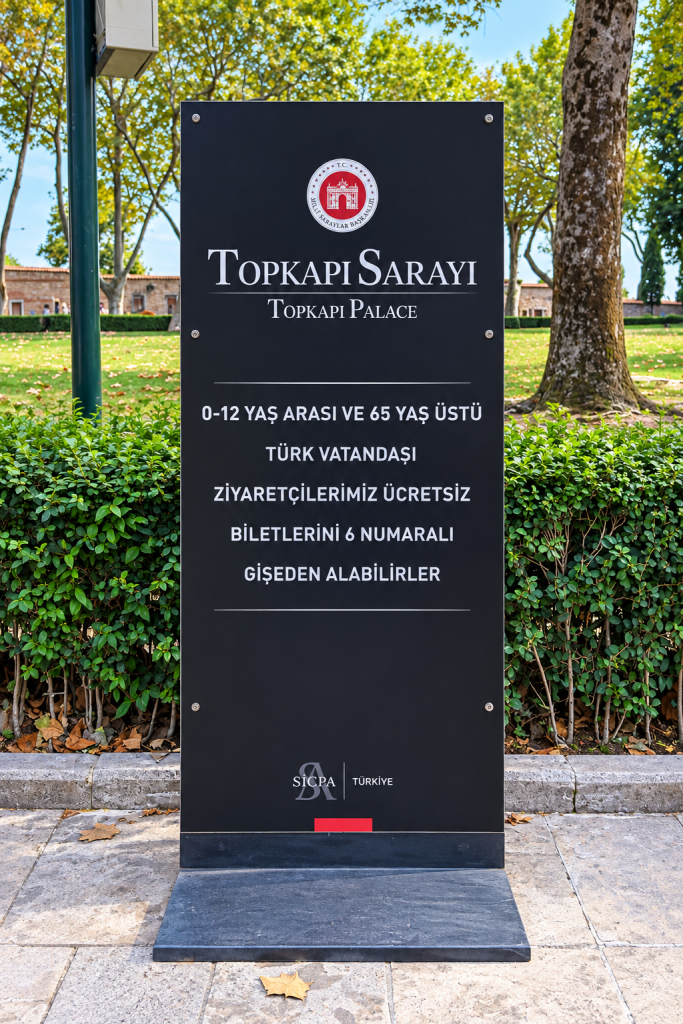
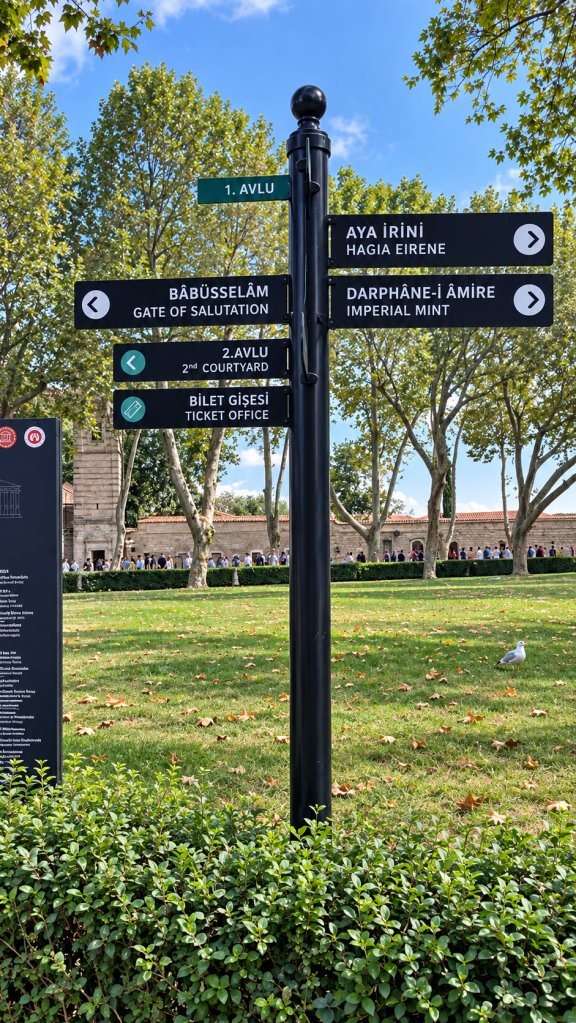
Today took us to Topkapı Palace, and somewhere along the way Istanbul became less about buildings and more about the people who once inhabited them.
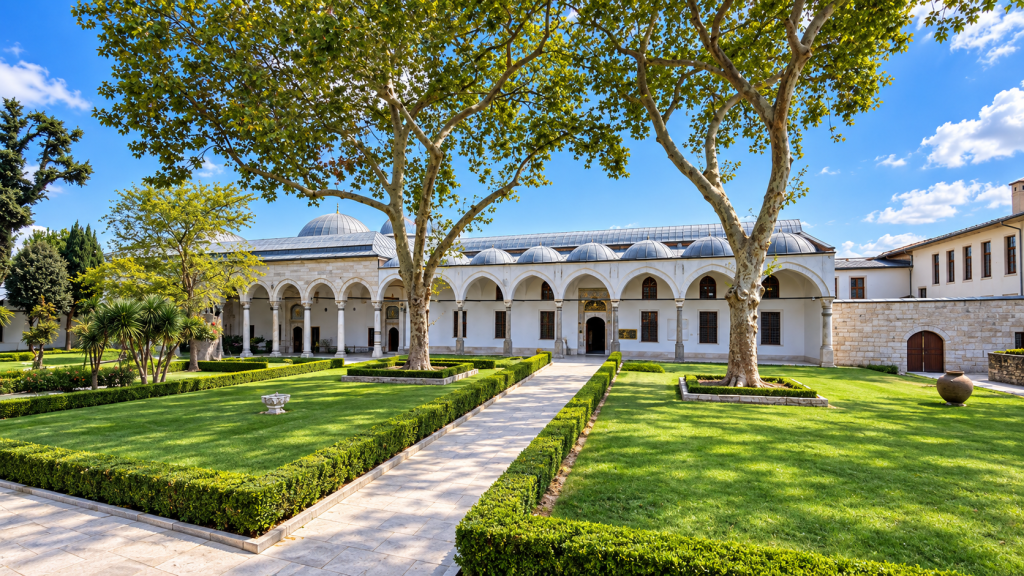
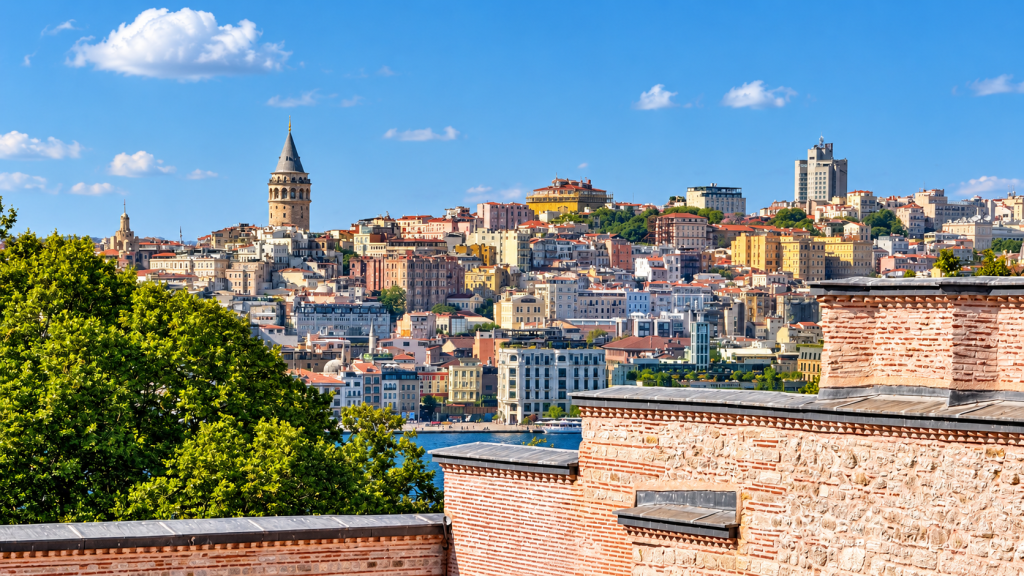
The palace is magnificent. Courtyards open into other courtyards. Domes, gardens, fountains and chambers unfold one after another. From its elevated position, the Bosphorus appears almost as part of the estate. It is easy to imagine the Ottoman sultans looking across the water and believing that the world belonged to them.
But palaces are designed to impress. Their beauty tells only part of the story.
Behind the ceremonial rooms were other lives: wives and concubines, servants, guards, officials and eunuchs. People whose lives existed within an elaborate hierarchy built around one man and the continuation of a dynasty.
And then I read the words Black eunuchs.
My thoughts immediately returned to slavery.
How can any human being think it is right to enslave another?
Perhaps the distance of centuries makes it easier to discuss slavery as history: trade routes, empires, laws, economics and customs. Standing in the place where enslaved people actually lived makes that abstraction much harder.
To enslave another human being is already to deny something fundamental about his humanity. But to take an enslaved boy or man and mutilate his body through castration so that he could occupy a role designed for him by others seems to me an even deeper act of dehumanization. His freedom had already been taken. Now something irreversible was being taken from his body as well.
And when those men were Black Africans, transported far from the places of their birth, the history became impossible for me to regard dispassionately.
Some eventually rose to extraordinary positions within the Ottoman court. They could become powerful, influential and trusted, sometimes operating remarkably close to the center of imperial authority.
There is a terrible irony in that.
A man could become privileged within the very institution that had first stripped him of his freedom.
Privilege did not undo enslavement. Influence could not restore what had been taken from him. Proximity to the Sultan did not somehow make the original violation humane.
And yet, somewhere among all those thoughts, I saw yellow.
A bed of yellow flowers growing quietly in the palace grounds.
I smiled.
I have been learning to see yellow—not because yellow makes difficult things disappear, but because beauty and darkness somehow continue to occupy the same world.
Here I was, walking through a place that had confronted me with slavery, castration, power and the extraordinary contradictions of religion, and there, completely indifferent to my troubled thoughts, were these small yellow flowers.
They explained nothing.
They excused nothing.
They were simply beautiful.
Perhaps seeing yellow was never about looking away from what is difficult.
Perhaps it is about refusing to let what is difficult become all that we see.
My thoughts returned to religion.
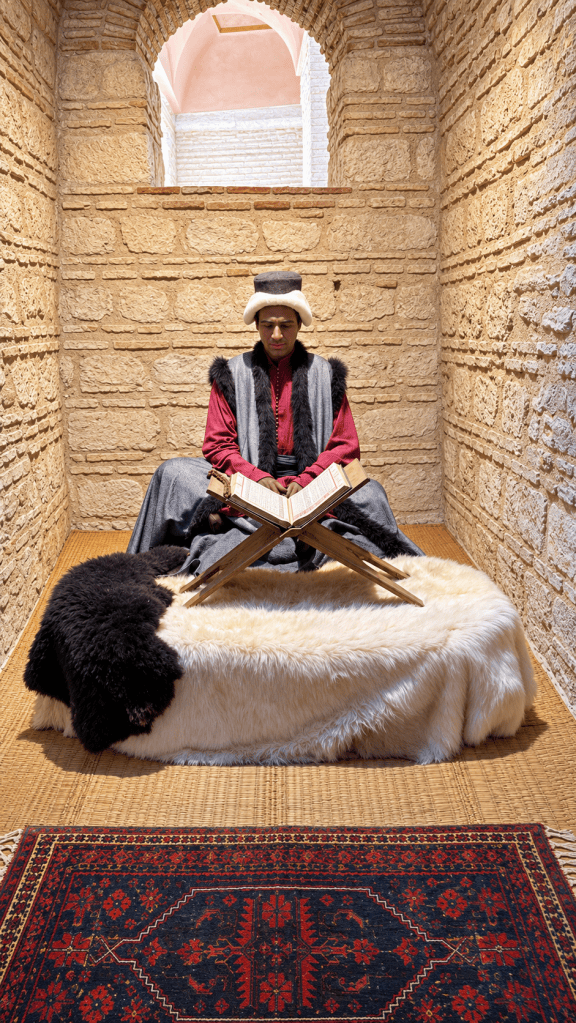
Elsewhere within the same palace were reminders of faith.
Abraham. John the Baptist. Jesus. Muhammad.
Names separated by centuries, yet connected by a remarkable spiritual genealogy.
It struck me that Judaism, Christianity and Islam are not strangers who happened to encounter one another across history. They belong to the Abrahamic family. Their theologies diverge, sometimes profoundly, but their stories repeatedly intersect. Abraham stands within all three traditions. Christianity emerged from Judaism. Islam came centuries later acknowledging Abraham, Moses, John the Baptist and Jesus among the prophets who preceded Muhammad.
Standing there, the family resemblance was difficult to ignore.
And perhaps that makes the history of religious conflict even more bewildering.
Human beings have fought, conquered and killed one another over religions whose sacred histories contain many of the same people.
Perhaps we have spent too much time emphasizing where the branches separate and too little remembering that some of the roots are shared.
And then, amid all these contradictions, I encountered something else that stopped me: the charity stone.
Those who had enough could leave money. Those who needed it could quietly take what they required.
No audience. No applause. No photograph of the giver presenting something to the recipient. No requirement that poverty perform its gratitude.
Just one human being leaving something for another.
I loved that.
Perhaps this was religion expressing itself in its simplest and most beautiful form—not through power, conquest or magnificent buildings, but through compassion.
There was dignity built into the arrangement. The person who left the money did not know who would receive it. The person in need did not have to stand before the giver and explain their poverty.
One gave without recognition.
The other received without humiliation.
Perhaps that is what faith was always supposed to look like.
And suddenly the contradiction of Topkapı became even more profound.
Within the same civilization were systems capable of enslaving human beings and traditions capable of protecting the dignity of a stranger. One diminished humanity. The other quietly restored it.
The problem was never that humanity did not know what goodness looked like.
We knew.
We simply did not always choose it.
Yesterday, walking through the Blue Mosque and Hagia Sophia, I found myself wondering how a world containing so many churches, mosques, temples and synagogues could still contain so much cruelty. With so many places built in honor of God, one might expect us to have become considerably better at being kind to one another.
Today the question followed me into the palace.
Religious traditions have existed alongside slavery throughout much of human history. People found ways to regulate it, justify it and live comfortably beside it. Others would eventually draw upon those same traditions to argue for human dignity and abolition.
Perhaps that is where the uncomfortable question lies.
Not simply in what religion teaches, but in the remarkable ability of human beings to reconcile what we profess to believe with what we are prepared to do to one another.
We can construct magnificent houses for God while sometimes treating God’s children abominably.
Perhaps the great contradiction of religion has never been what we profess to believe.
Perhaps it is what we permit ourselves to do to one another while believing it.
Eventually we left the palace.
And Istanbul did what Istanbul seems particularly good at doing.
It changed the subject.
We found ourselves back among ordinary streets and shops. Cobbled pavement beneath our feet. Cats wandering around as though they owned the neighborhood. Jewelry shops. Restaurants. People talking. People shopping.
And then we wandered into a shop filled with handmade cosmetics.
Bright walls. Rows of colorful soaps. Creams and scrubs. Felted soaps in almost every imaginable fragrance. And, apparently, something called Turkish Delight Soap.
After sultans, harems, slavery, eunuchs and several centuries of Ottoman history, we were shopping for soap.
I had to smile.
History can be unbearably heavy.
And five minutes later, someone is deciding between lavender and Turkish Delight.
Perhaps that, too, is travel.
You move between the monumental and the mundane, between things that trouble the soul and things that simply make you smile. Neither experience cancels the other. Somehow they occupy the same day.
As we walked back through Istanbul, I kept thinking about the palace we had left behind.
The empire is gone.
The sultans are gone.
The people who once competed desperately to stand closest to power are gone.
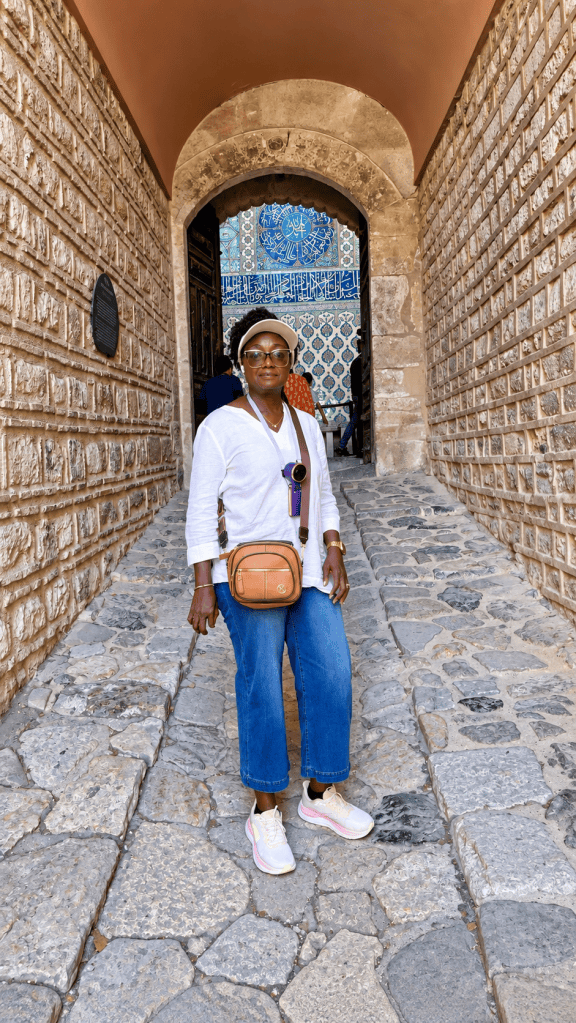
Topkapı remains, but now ordinary people walk through its gates carrying cameras and water bottles, listening to stories about people who once believed their world would last forever.
Outside, Istanbul continues.
A cat crosses a cobbled street.
A shopkeeper waits for the next customer.
Yemi examines another bar of soap.
And perhaps history offers its quietest lesson there.
Power seeks to be remembered. Kindness does not require it.
Power passes.
Humanity is what remains.
Simply O

