Exploring Lagos: Heritage, Family, and Food

June 13 – July 3, 2025

Home away from home

Day 1: Departing Tallahassee — A Journey Begins

Friday, June 13, 2025

Friday the 13th may carry ominous folklore, but for us, it marked the beginning of a deeply personal journey back to Nigeria. Our journey home had begun. For the first time, we took an Uber to the Tallahassee airport—it seemed the most cost-effective option since we avoided airport parking. We were both dressed comfortably: I wore my Liverpool jersey top and bottom, while she had on relaxed slacks.

Check-in at Tallahassee airport was seamless with PreCheck—we didn’t even have to remove our shoes or belts. Though I had felt some apprehension about this trip for a while, the moment had arrived, and I felt a mix of excitement and optimism.

We boarded a Boeing 717-200 to Atlanta, seated in 2B and 2C. The seats were quite comfortable. We were offered drinks while final flight checks were completed. By 12:11 p.m., the doors were closed, and we were ready for takeoff.

We landed in Atlanta on time and headed to the Delta Lounge. It was a relief not to worry about food—there was a nice selection of meals and drinks. We relaxed there until our long-haul flight to Lagos. Everything, so far, was going smoothly.

Boarding in Atlanta was decent, although it could have been more organized—wheelchairs clogged the boarding lanes. Still, we were welcomed with orange juice or champagne; we both opted for orange juice. We looked forward to the meals and rest aboard the A330-200 in Delta One.

Dinner turned out to be underwhelming. While it was a three-course meal, I may have chosen the wrong entrée. Still, I laid flat and hoped to catch some sleep before morning in Lagos. I expected to wake for breakfast.

Unfortunately, breakfast was a letdown, and my stomach felt unsettled. The meals overall could have been better.

The good news was the airport transition in Lagos exceeded my expectations—it was cleaner, less crowded, and functioned much better than I remembered. Our driver was punctual, the car was neat, and the AC worked so well we had to tone it down.

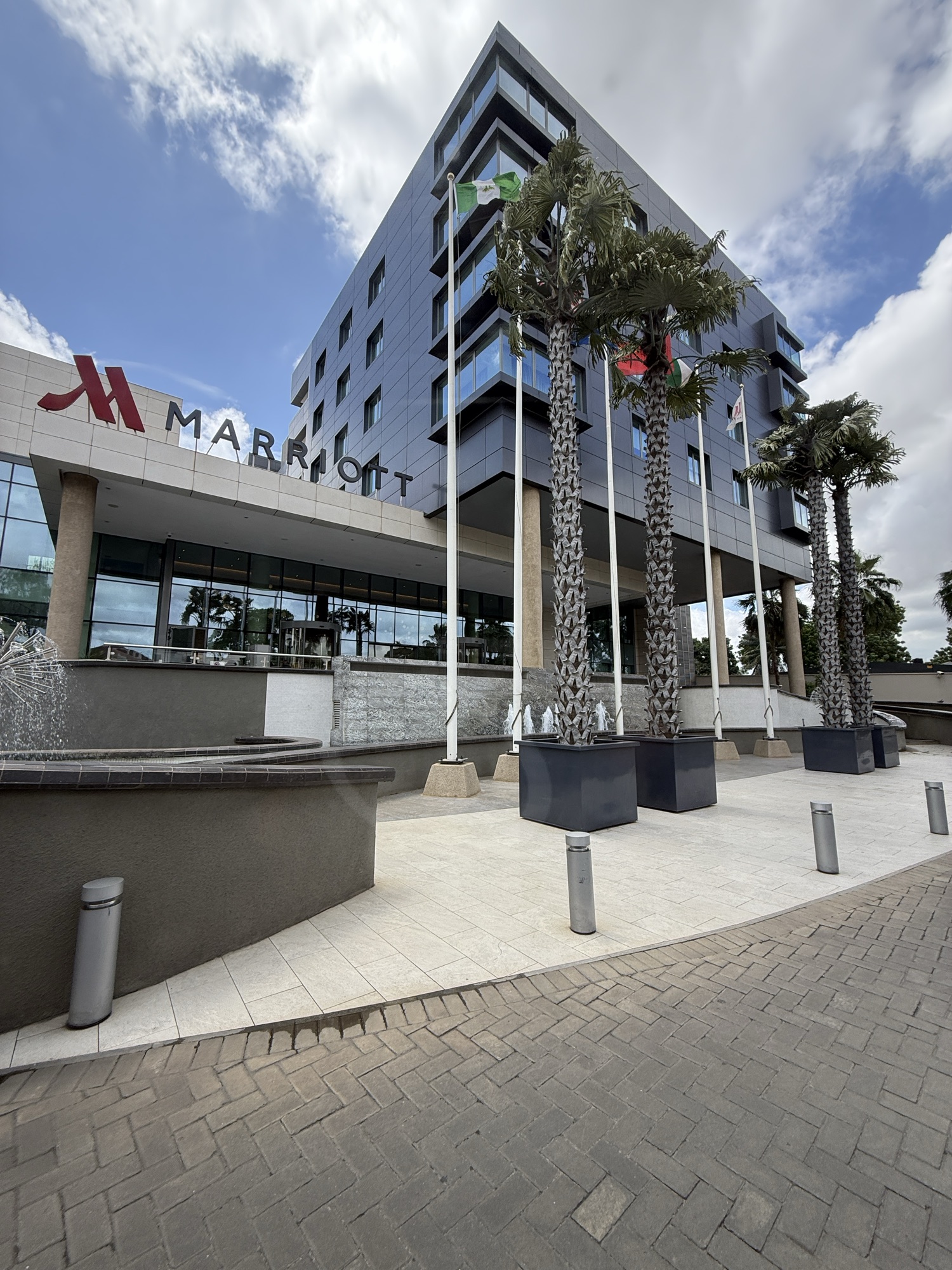
We checked in at the Marriott in Ikeja. It lived up to expectations—it could’ve easily been a hotel in Europe or the U.S. The rooms were clean, and the staff was courteous. Best of all, we were upgraded.

Day One – Saturday, June 14, 2025

I woke up feeling refreshed. I noticed I had already gained a few pounds—calories were hard to avoid with the tastes of home. Being in the tropics, we took our daily malarial prophylactic (Malarone), unlike typhoid prophylaxis which we had completed before departure.

We headed to the Marriott M Lounge for breakfast, which was sumptuous—continental oatmeal alongside traditional Nigerian yam and eggs, finished with orange juice. The pepper sauce was especially delicious.

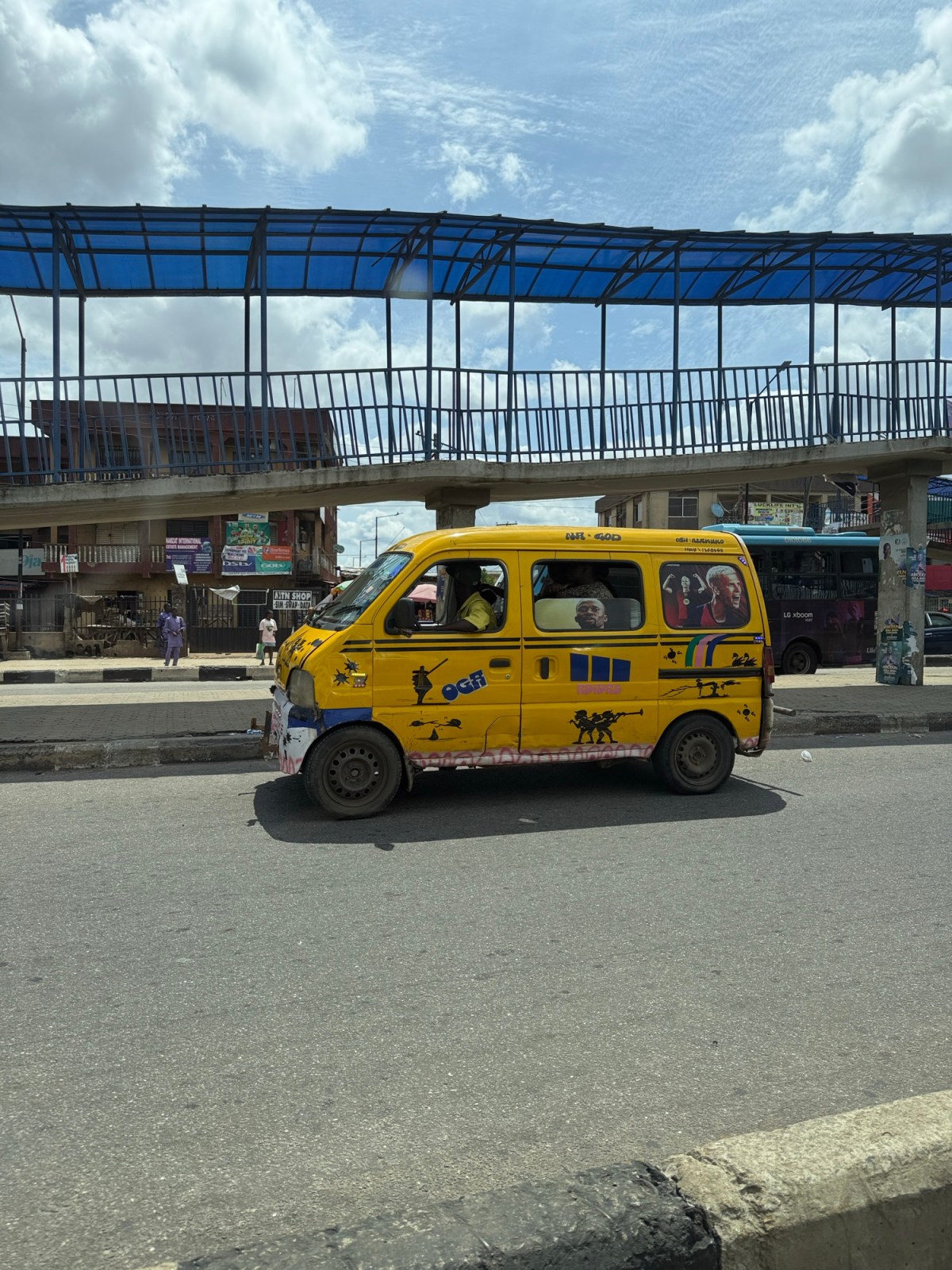
Later, we journeyed to see my mother in Otta, Ogun State. Lagos traffic felt like an obstacle course. The roads weren’t terrible, but the volume of cars jostling for position was overwhelming. I hadn’t seen motorway hawkers in a while—selling everything from food to water between moving vehicles. Surprisingly, traffic lights were functional.

Visiting my mother was touching. Despite her health—being legally blind from glaucoma and having severe arthritis—she was in good spirits. We reminisced about family stories, and she prayed for us, especially me in retirement. It was humbling and grounding.

Back at the hotel, we grabbed a quick bite at the M Lounge while waiting for my sister to bring home-cooked meals. We gathered in our room—siblings, niece, nephew—and enjoyed local delicacies. After an enjoyable evening, we packed up and called it a night. I noted that, so far, my earlier apprehension had been largely unfounded—though the real work in Satellite Town would begin tomorrow.

Day Two – Sunday, June 15, 2025

We started early after a light breakfast. Our first stop was GT Bank to renew bank cards and open estate accounts. Traffic, being a Monday morning, was chaotic as expected.

Mission accomplished. The bank staff were courteous and helpful. Cards renewed, estate matters initiated—we then headed to Satellite Town to begin clearing the house my wife and her siblings grew up in.

To my surprise, Satellite Town roads had been tarred—a huge difference in just a few years. Signs of progress were visible.

The day was intense. With handheld fans and battery lamps, we began the painstaking process of decluttering a house full of memories. We secured essential documents and discarded a lot of old, valueless items. Exhausted, we left for Ile Iyan in Ikeja for a late lunch/early dinner. I had okra soup with pounded yam and efo riro; others had seafood okra. Back at the hotel, we turned in early, preparing for another round of house clearing in the morning.

Day Three – Monday, June 16, 2025

We got a later start after breakfast. Picked up food for lunch and borrowed a generator from my brother’s office. Heading back to Satellite Town, we noticed traffic had eased somewhat, and road improvements made the drive smoother.

Initially, we couldn’t get the generator running. In the sweltering heat, I stepped out to find a technician I’d seen earlier. He came, turned it on within a minute, and suddenly we had electricity—fans running, even the microwave worked. What a difference power makes!

With the generator on, we cleared most rooms. It was a productive day. Back at the hotel, I showered off the dust, sorted more documents, and had dinner—fried yam, plantains, peppered goat meat, and a bitter lemon drink. Then, I collapsed into bed.

Day Five – Wednesday, June 18, 2025

We set out after a cautious breakfast; many of us had been dealing with gastrointestinal discomfort, including bouts of diarrhea. Armed with Imodium, we made a quick detour to the bank to finalize estate matters before heading to Satellite Town to resume the house clearing.

Days Six & Seven – Thursday & Friday, June 19–20, 2025

Day Six was mostly a day of rest and more banking errands. We received word from my father’s lawyer that his probate papers had finally been released. I scheduled a meeting with him for Monday to collect the necessary documents and settle legal fees.

On Day Seven, we began the journey to Ondo to continue work on my mother-in-law’s estate. We planned to return to Lagos by Sunday, God willing. We left Ikeja, driving through Shagamu and Ore. On our last trip to Ondo, we were stopped over 20 times by police. This time wasn’t much better—halfway there, we had already encountered 12 stops, with demands for bribes.

That journey, which should have taken under two hours anywhere else in the world, stretched to more than five.

At first, I was angry—frustrated at the delay, disgusted by the audacity.

But as the hours wore on, that anger gave way to something else: pity.

Because if waking up each morning to extort strangers is what someone has to do to survive… then the problem is no longer that individual. It is the society that created such desperation. A nation where a man in uniform, charged with protecting life and law, now lives on the edge of hunger.

So yes, reward the Falcons. They brought us glory on the continental stage. But remember this: excellence should not be the only pathway to dignity.

What of the schoolteacher who gives her all on ₦50,000 a month? The doctor working 36-hour shifts for ₦250,000 and still unpaid? The police officer soaked in rain, guarding lives while struggling to feed his family?

We eventually arrived at the house in Ondo but couldn’t get in. A locksmith came and broke the locks—it took over an hour, by which point we were tired and famished. Inside, everything was untouched—frozen in time since her death. We aired out the house and planned to return the next morning to begin clearing.

Finding the drivers’ hotel was another ordeal. GPS failed, leading us down dead ends. We finally called the hotel, perched precariously on a hill. Though we had confirmed bookings, they couldn’t find them and charged us more for new rooms.

We then drove to Akure to check into our own hotel—Ojaja Suites. It looked great from the outside, but that quickly changed. Our rooms weren’t ready despite the late check-in, and it took another hour to get in. Once we did, we discovered most menu items were unavailable. We settled for pounded yam with okra soup, and rice with dodo.

Just as we finished dinner, a heavy tropical storm rolled in. Back in our room, we found water on the floor from a leaky ceiling—unacceptable for a 9-month-old hotel. The sheets were stained, so we replaced them with our own. The mattress was rock hard—I barely slept and woke up with aching joints. Mosquitoes added to the misery, despite using repellents. I was already counting the days until we returned to Lagos.

Saturday, June 21, 2025 – Departure from Akure

After another terrible night, we woke early, showered, and ate bread with butter and jam from the day before. We gave the hotel manager a candid review and warned that without improvements, the hotel wouldn’t survive.

We set off with two cars heading to Lagos via Ibadan and a third going toward Ikirun. There were fewer checkpoints, but the corruption was worse. One officer threatened to impound our car despite all papers being in order, then demanded ₦5,000 for lacking a “roadworthiness” document.

Driving was treacherous—no signs, no road markings, and crater-sized potholes. What should’ve been a one-lane road turned into four, with cars overtaking on both sides. I knew I could never drive in Nigeria again.

We passed Ikire Kingdom and bought dodo Ikire. I was tempted by akara and Lagos bread but opted for Gala sausage rolls instead—still tasting like my childhood.

Back in Lagos, we returned to the Marriott. What a contrast. Clean rooms, hot showers, and heavenly beds. Finally, we were set for our first good night’s sleep in three nights.

Wednesday, June 25, 2025 – Afternoon Visit to Epe

I visited my late father’s home and stood at his gravesite in a deeply reflective mood. The grave was in disrepair—erosion had damaged the grounds due to poor drainage. While the house structure was still intact, it clearly needed work. The question now was how to fund it, especially since the family estate account was overdrawn and legal fees still loomed.

Thursday, June 26, 2025

Despite an uneasy stomach, I continued to challenge my American GI tract with the native foods I grew up loving. I had Amala with gbegiri at a local spot—simple but satisfying.

Later, we rushed to attend the Tobi Adeyemi Foundation event. It was moving—so much being done with so little. I left inspired to direct part of my charitable giving toward youth empowerment in Nigeria. These kids had potential—they just needed opportunity. We returned to the hotel, had dinner, and went straight to bed.

Friday, June 27, 2025 – Family Retirement Brunch

At the Lagos Marriott, we gathered for a special brunch to mark my retirement. My mother was there, though my father watched from above.

I had prepared a speech but never found the right moment to deliver it aloud—nor was I sure I could have gotten through it without emotion. So I shared it in writing instead.
Retirement Speech – Family Luncheon Dr. Adekunle Omotayo

Good afternoon, everyone.

Thank you all for being here with me today. This moment is more than just a celebration of retirement—it’s a reflection of a journey that began many decades ago, across continents, through challenges, transitions, and triumphs.

In 1989, I left Nigeria with a suitcase full of dreams and the quiet determination to build a life of purpose. My path first took me to London for a few months, then on to Dublin for a few years of learning and growth. I returned to England to train and work until 1997, and then made a bold leap across the Atlantic to the United States—to start all over again with a residency in Internal Medicine.

I completed that chapter in 2001, and soon after, Tallahassee became home. For 24 years, I was privileged to serve at Capital Health Plan, dedicating my life to the wellbeing of this community. I’ve worked hard, yes—but I’ve also been incredibly lucky. Because everywhere you look in my life, you’ll see the unmistakable hand of God’s grace. But grace alone doesn’t carry you forward—it is magnified when you walk alongside those who give your life depth and meaning. To my beloved wife Yemi—my partner, my anchor, my greatest blessing. None of this—none of this—would have been possible without your unwavering love, your sacrifices, your faith in me, and the quiet strength with which you’ve held our family together.

To our two wonderful daughters—though they can’t be here physically today, know that your mother and I are immensely proud of the strong, compassionate, and accomplished women you’ve become. You are the legacy we cherish most.

To my friends and family, your presence—whether near or far—has been a source of strength. Your encouragement, prayers, and support have made the hard days bearable and the good days even more joyful.

To my mother—thank you for the gift of life, and for grounding me in faith, integrity, and resilience. Your lessons have lit my path through every season.

To dad, who I miss dearly—how I wish you could see this day. But I know you’re with us in spirit. Your devotion to your children, your tireless service, and your legendary sacrifices continue to shape me. I carry your example with pride and gratitude.

And above all—I thank God. For life, for purpose, for family, for health, and for the privilege to serve. Without His grace, none of this holds.

As I close this chapter and begin the next, I carry the memories, lessons, and love of this journey with me. Retirement is not the end—it is simply a new beginning.

Thank you all. May God bless you.

Monday, June 30, 2025

We spent two nights with my brother in Magodo—he took care of everything, food and all. We hoped to see my sister, who lived nearby. That afternoon, we drove to Victoria Island to shop and perhaps visit Eko Atlantic. The drive across the 3rd Mainland Bridge brought back memories. Though traffic flowed initially, the return route was jammed.

We passed through Ikoyi with its multimillion-dollar mansions, did some shopping, and then explored Eko Atlantic. Where Bar Beach once was, we now found high-rises and reclaimed land. I remembered being a child, dipping my toes in the Atlantic with my dad.

One vivid childhood memory resurfaced: the public execution of Oyenusi and his gang at Bar Beach. My father had carried me on his shoulders to watch. That day instilled a lasting lesson in me about the consequences of wrongdoing.

Tuesday, July 1, 2025 – The Inevitable

Yemi finally caught a cold—two weeks of stress had taken their toll. I, too, began coughing overnight and filled myself with lemon, ginger, and honey. We went to the bank before heading to Ota to see my mother one last time.

She had hoped to show me her chosen burial place in her village, Oyero, but poor road conditions made the trip impossible.

Thursday, July 3, 2025 – Going Home

After a three-week odyssey, we waited in the airport lounge for our flight home. The new terminal was surprisingly clean and cool, though we had to walk through the old terminal to reach our gate.

In-flight service was better this time, though I couldn’t eat much—the flu had taken hold. Thankfully, I was able to rest in Delta One. Yemi had passed her cold to me, though she was already recovering.

Back home, I still felt unwell and sensed something more. A home COVID test confirmed it: I was positive. Yemi, thankfully, tested negative. The July 4th holiday passed in a blur—I slept through most of it, trying to recover. But even through the aches, I held onto something greater—gratitude. For the privilege of homecoming, for the comfort of family, for the richness of roots that run deep.

Adekunle Omotayo MD.
Title: Day 2 – Family, Food, and Finding My Roots

Category: Travel Journal

Tags: Lagos, Ogun State, Family Visit, Nigeria, M Lounge, Glaucoma Awareness

A Morning in Lagos

Woke up this morning feeling refreshed and recharged.

I did notice the scale tipping upward slightly—unsurprising, given how hard it is to resist the rich, nostalgic flavors of home. There’s something about the tastes you grew up with that calls to you, calorie count or not.

Being in the tropics, we kept to our daily ritual of taking Malarone—our antimalarial prophylactic. Unlike the typhoid vaccine, which we completed before departure, this one is a daily commitment while we’re here.

With that done, we headed down to the Marriott M Lounge for breakfast.

Breakfast: A Blend of Home and Abroad

As expected, breakfast was sumptuous.

I had a delicious mix of oatmeal and orange juice—classic continental staples—but also couldn’t resist the Nigerian yam and egg combo, topped with a spicy pepper sauce that was absolutely 🔥.

It’s a beautiful thing when breakfast feels like a cultural reunion.

On the Road to Otta

We soon set out to visit my mother in Otta, Ogun State.

Navigating Lagos traffic is a full-body experience—less about the distance and more about maneuvering through a moving maze. The roads themselves aren’t terrible, but the sheer volume of cars creates a kind of vehicular ballet as everyone jostles for space.

One thing I hadn’t seen in a while?

🛒 Street hawkers weaving through traffic, selling everything from bottled water to plantain chips—negotiating deals through car windows. It’s chaotic, yes—but also uniquely Nigerian.

And I’ll say this:

✅ The traffic lights? They work.

A Visit to My Mother

Visiting my mother was deeply grounding.

Though her health is challenged—she’s legally blind due to glaucoma and battles severe arthritis—her spirit remains unshaken. We sat together, reminisced about family stories, and she offered a heartfelt prayer for us all, especially in honor of my retirement.

In that moment, I felt the weight of heritage and the grace of belonging.

Despite my earlier apprehension, this visit reminded me of who I am and where I come from. It was humbling—and necessary.

Evening Reflections: Shared Meals and Quiet Joy

We returned to the hotel for a light refreshment at the M Lounge, anticipating a special delivery:

🍽️ Home-cooked meals from my sister.

Back in our room, we gathered as a family—brothers, sisters, niece, and nephew—sharing dishes full of local delicacies, laughter, and memories. These are the kinds of evenings that fill the soul, not just the stomach.

Eventually, as the night settled, everyone headed out. We packed up for the night and reflected quietly on what had been a full and meaningful day.

Looking Ahead

So far, I must admit—my initial fears have been mostly misplaced.

But tomorrow begins another chapter: traveling to the hinterlands to begin the process of organizing my wife’s family home.

That story unfolds next.

The Last Day: A Physician’s Farewell to Clinical Practice

By Dr. Adekunle Omotayo

Today marks the close of a sacred chapter—my final day in clinical practice. It arrives not as a surprise, but still, with the quiet weight of finality. As I hang up my white coat for the last time, I do so with a full heart, a reflective mind, and a soul stirred by the memories, challenges, and triumphs of a career that has spanned continents, decades, and countless lives.

The Vocation

Medicine, for me, has never been just a profession—it has been a calling. Rooted in service, tempered by science, and sustained by grace, it has demanded everything and, in return, offered the profound privilege of walking with people through their most vulnerable moments. From first diagnoses to final goodbyes, from newborn cries to triumphant recoveries—I have borne witness to the full arc of the human condition. These are not simply memories; they are sacred imprints that I carry forward.

The Patients

To the thousands of patients who entrusted me with their care—thank you. You taught me more than any textbook ever could. Your courage in the face of illness, your faith in uncertain times, your laughter even in suffering—these are the lessons I will never forget. I have seen healing, but also heartbreak. I have learned that the most powerful medicine is not always written on a pad but offered through presence, compassion, and unwavering attention.

The Colleagues

To the colleagues I have journeyed with—especially within the physician group I was privileged to lead—you are the embodiment of excellence. Together, we built something greater than ourselves: a culture of integrity, innovation, and relentless pursuit of better care. In you, I found not just professional collaborators, but kindred spirits—people committed to mission, to purpose, and to each other.

The Legacy

What is a legacy if not the impact we leave behind, the people we’ve lifted, the systems we’ve improved, the lives we’ve touched? I hope mine will be measured not by titles or years, but by the moments that mattered: a patient feeling truly seen, a colleague feeling supported, a younger physician inspired to lead with both courage and humility. I leave confident that the seeds planted over these decades will bear fruit for years to come.

The Transition

Though this chapter closes, my journey does not. Retirement is not an end, but a transformation. I step away from clinical care, but not from purpose. I carry with me the same values—service, curiosity, and compassion—that shaped my career. New seasons await, and I embrace them with the same heart that once greeted each new patient.

A Final Benediction

To heal is holy work. To serve is sacred. And to finish well is a blessing. I leave clinical medicine with no regrets, only gratitude—for the privilege of a life spent in meaningful labor, and for the countless lives that shaped my own.

May those who continue in this noble calling be blessed with strength, clarity, and joy. And may the work we have done endure, ripple outward, and echo forward—long after this final day has passed.

With deep respect and abiding thanks,

Dr. Adekunle Omotayo

Antarctica

Reflections from Antarctica (2013)

Long before its icy shores were ever seen, Antarctica existed in the human imagination—a place of mystery, balance, and symmetry. As early as the 6th century BCE, the philosopher Pythagoras proposed that the Earth was round. Building on this idea, ancient Greek thinkers reasoned that if there was land in the north, there must be land in the south—a great unknown mass to balance the globe. This theoretical land became known by many names through the centuries, including Terra Australis Incognita—the Unknown Southern Land.

Even today, Antarctica remains a place apart—untouched by borders, politics, or ownership. Governed not by conquest but by cooperation, the Antarctic Treaty stands as a rare testament to international unity, preserving this continent for science and peace.

From a geological perspective, Antarctica’s isolation shaped its destiny. Around 60 million years ago, it began drifting apart from Australia. As the Drake Passage opened between Antarctica and South America, the formation of the Antarctic Circumpolar Current created an invisible moat—circling the continent and insulating it from the warmth of neighboring seas. This current became a key player in locking Antarctica in its frozen stillness, sealing it off in time and temperature.

Standing on its frozen expanse in 2013, I was humbled—not just by its stark beauty and ferocious winds—but by the realization that Antarctica is both a frontier and a mirror: a final wilderness where the Earth whispers its deepest secrets and challenges us to protect what is rare, wild, and essential.

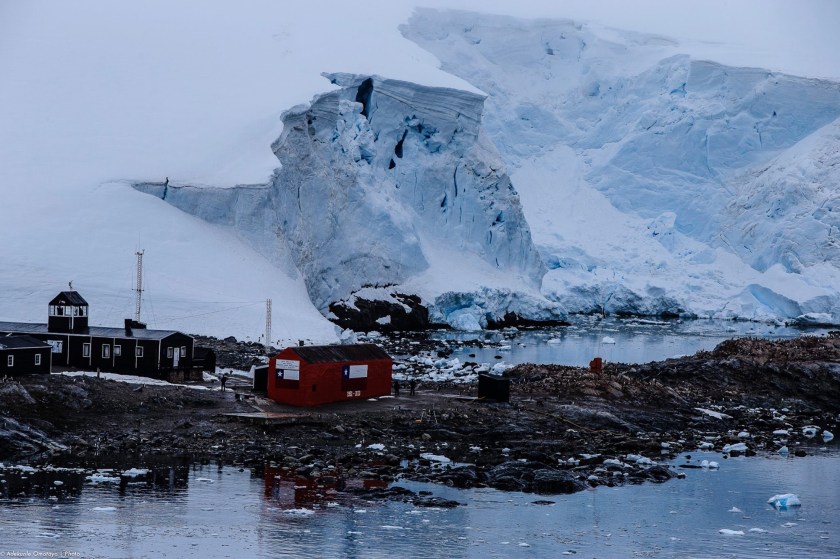
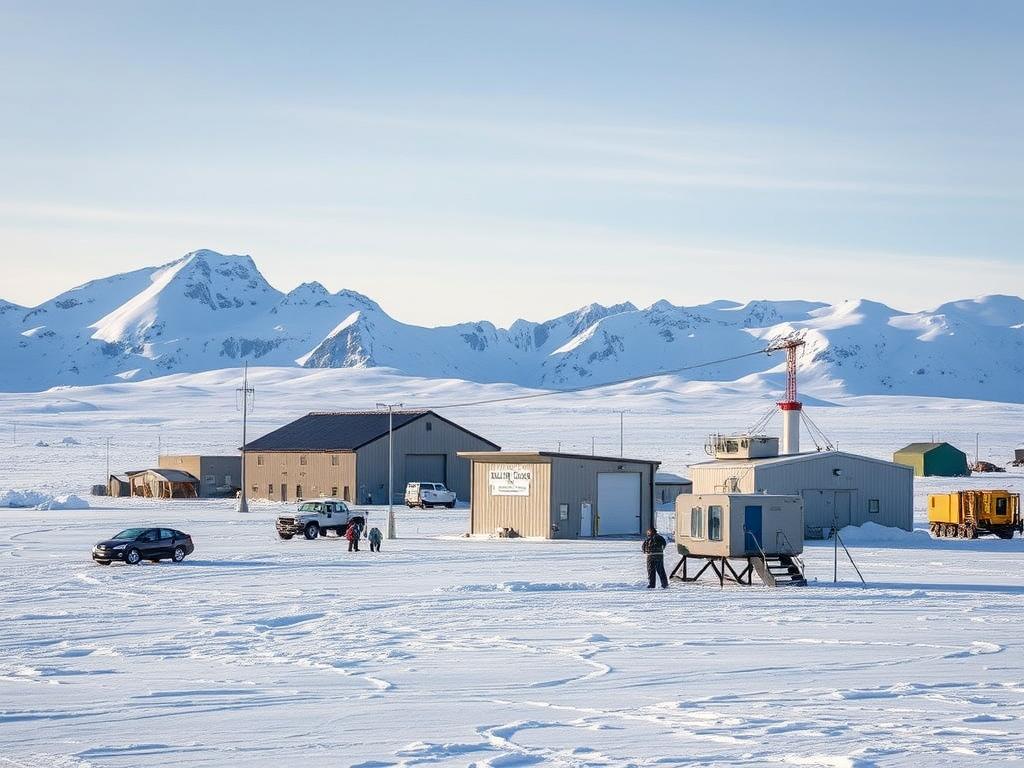
Palmer Station, Antarctica

Established in 1968, Palmer Station is named in honor of Nathan B. Palmer, one of the first people to lay eyes on Antarctica during his expedition in 1820. Located on Anvers Island along the Antarctic Peninsula, the station can accommodate up to 44 researchers and staff, typically reaching full capacity during the austral summer months.

Palmer Station serves as a hub for vital scientific research, focusing on marine ecosystem monitoringatmospheric studies, and the impact of heightened ultraviolet radiation on both marine and terrestrial life. Much of this work has been spurred by the expanding ozone hole, a growing environmental concern over the past few decades.

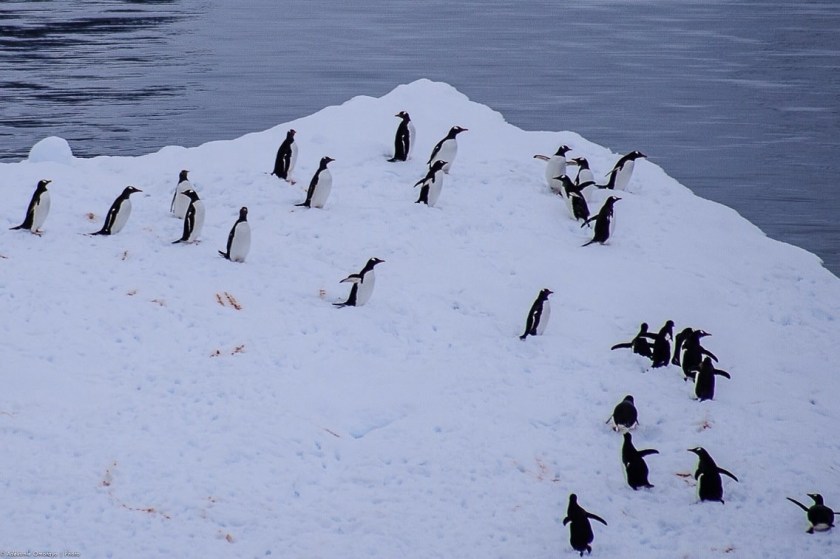
One of the more visible consequences of climate change in the region has been the decline of the Adélie penguin population. Changes in sea-ice patterns and snowfall—driven by a warming climate—have contributed to a dramatic population drop: from over 8,000 breeding pairs in 1974 to fewer than 3,300 pairs. By 2014, researchers predicted that Adélie penguins could disappear entirely from the island, a stark symbol of the broader ecological shifts underway in the Antarctic.

Icebergs of Antarctic Proportion

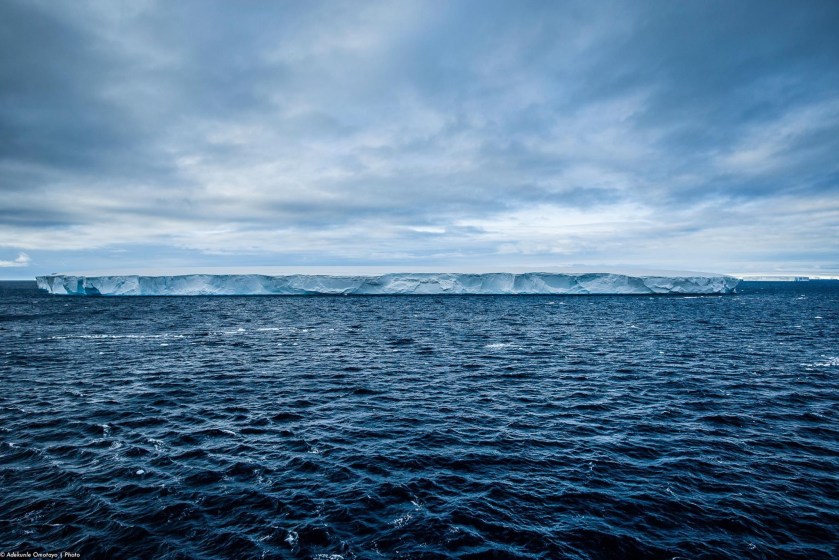
Though most icebergs remain confined to coastal waters by prevailing winds and currents, the largest ever recorded have calved from Antarctica’s vast Ross Ice Shelf. These colossal slabs of ice, known as tabular icebergs, break off and drift into the Southern Ocean, sometimes becoming legendary in size and spectacle.

One of the most famous, Iceberg B-15, was captured by satellite imagery in the year 2000. It measured approximately 295 by 37 kilometers (183 by 23 miles), covering a staggering surface area of 11,000 square kilometers—larger than the entire island of Jamaica.

Even more astounding was the largest iceberg ever observed, sighted on November 12, 1956, by the crew of the USS Glacier. Spotted 150 miles west of Scott Island in the South Pacific, this tabular giant measured an estimated 335 by 97 kilometers

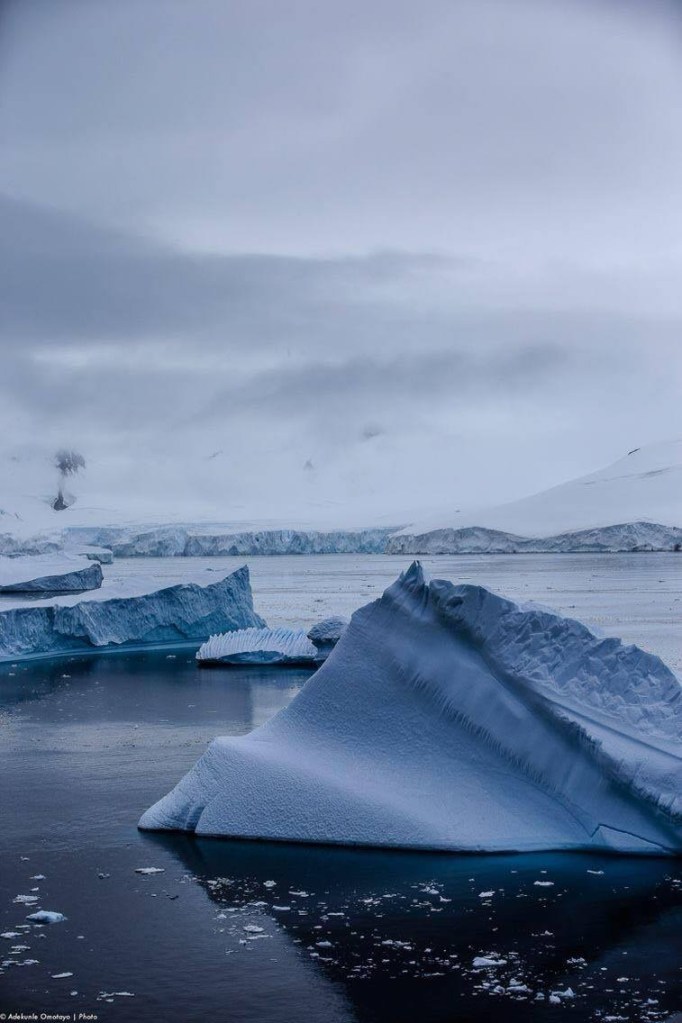
Because the density of pure ice is approximately 920 kg/m³, and that of seawater about 1025 kg/m³, typically only one-ninth of the volume of an iceberg is visible above the water. The shape of the submerged portion is often difficult to discern from what is seen above the surface. This phenomenon has given rise to the expression “the tip of the iceberg,”referring to a problem or situation where only a small part is visible while a much larger issue remains hidden beneath the surface.

Final Reflections: Elephant Island, Deception Island & Paradise Harbor

Elephant Island, just northwest of the Trinity Peninsula, would likely have remained obscure were it not for the remarkable survival story of Sir Ernest Shackleton’s ill-fated Endurance expedition. After being trapped in the Antarctic pack ice for over a year and spending an astonishing 497 days without touching solid ground, Shackleton and his 27 men finally broke free and rowed northward in search of refuge. Frozen, exhausted, and clinging to hope under a dim polar sunset, they miraculously landed on the desolate shores of Elephant Island. It may not resemble paradise to most, but for those men—it was salvation.

Yet Shackleton’s resolve was far from spent. Realizing no one would come looking for them, he and five others embarked on an improbable 800-mile voyage across the treacherous Southern Ocean in a 22-foot open boat. Their goal: reach South Georgia Island and summon help. Against staggering odds, they not only survived but crossed the island’s rugged, icy terrain to organize a rescue. After 105 days stranded, the remaining 22 men were finally retrieved from Elephant Island. Not a single life was lost. Shackleton’s feat remains one of the greatest survival and leadership stories in exploration history.

Further west lies Deception Island, a partially submerged volcanic caldera offering a rare natural harbor in Antarctica’s otherwise hostile coastline. Entry is only possible through Neptune’s Window, a narrow breach in the volcanic wall. Ships must carefully navigate around Raven Rock, a deceptively shallow hazard that lurks near the center of the channel. Inside, the island reveals its strange serenity—steaming beaches and colorful cliffs, remnants of a geologic past still simmering beneath the ice.

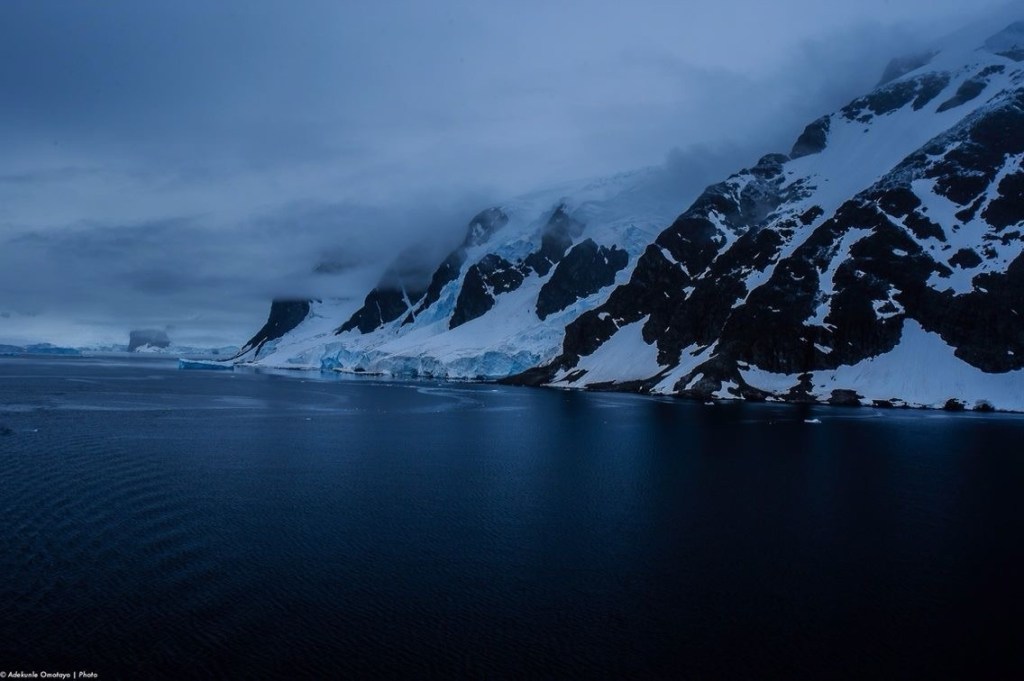
Finally, we sailed into Paradise Harbor—also known as Paradise Bay—a name that feels poetic rather than literal. There are no swaying palms here, no sun-kissed sands, yet its beauty is undeniable. Towering glaciers and jagged mountains frame the tranquil inlet in a striking composition of ice and stone. Along its edge lies the charred remains of Almirante Brown Station, an Argentine research base destroyed by fire in 1984. Now abandoned, it stands as a quiet reminder of the challenges faced even in humanity’s most remote outposts.

Adekunle Omotayo MD.


Going Back to My Roots: A Journey of Reflection and Renewal

As I stand at this pivotal moment in my life, transitioning from decades of dedication to my career into the vast possibilities of retirement, I feel a deep pull—a call to go back to my roots. Like the lyrics of a familiar song that speaks of self-discovery and reconnection, this is more than a nostalgic return; it is an intentional journey back to the essence of who I am, where I came from, and the values that shaped me.

Before I set foot on the vast tapestry of the world, weaving my way across the seven continents, I must first make a sacred stop—going home. This is not just a visit; it is a homecoming, a return to the place where my story began.

For years, I have built a life filled with accomplishments, financial wisdom, and the fulfillment of professional success. But beyond all of that, my greatest treasures—the ones that truly define my legacy—are my two incredible daughters, whom I love beyond measure, and my wife, my life partner, who has walked beside me through every triumph and challenge.

As I step into this next chapter—one of exploration, reflection, and pure experience—I realize that before I embrace the vastness of the world, I must first reconnect with my own beginnings.

Home: A Journey Through Time

Going home is more than a journey across distance; it is a journey through time. It is stepping onto the soil where my roots run deep, where the laughter of family still echoes, and where the traditions of my ancestors live on. It is where I will find renewal before expansion, gathering the strength of my heritage before I venture into the unknown corners of the earth.

I want to walk the familiar streets, hear the stories of those who remained, taste the flavors of my childhood, and stand in the presence of the history that shaped me. This is not just a visit—it is a ritual of reconnection, ensuring that no matter where I travel next, I carry home with me in my spirit.

But home is not just a place—it is my family. My daughters are my living legacy, the continuation of everything I have worked for and built. In them, I see the future—brilliant, full of possibility, shaped by both where we come from and where we are going.

And by my side, as she has always been, is my wife—my partner in this incredible journey. She has been my constant, my foundation, my greatest companion in life’s adventure.

Now, as I step into this new phase, I find myself drawn back—not just geographically, but spiritually and emotionally—to the values, traditions, and stories that made me who I am.

Reconnecting with Culture & Legacy

Growing up in Nigeria, my foundation was built on a rich culture of resilience, family, and purpose. My journey took me far from home, into the world of medicine, leadership, and financial strategy, where I dedicated myself to building something meaningful—not just for myself, but for my family and the communities I’ve served.

Yet, no matter how much success one attains, there comes a time when the heart longs for something deeper—a return to the essence of one’s identity.

Part of this journey is deeply personal. Going home means honoring my parents, the two people who poured everything they had into me.

I will stand at my father’s grave site, not in mourning, but in gratitude. He was a man of strength, wisdom, and unwavering love—a guiding presence who set the standard for the kind of man I strive to be. Though he is gone, his legacy remains etched into the fabric of my life.

And I will sit with my mother, the woman who gave me life, nurtured me, and instilled in me the values that have shaped my journey. She is my living history, my direct connection to all that came before. In her eyes, I will see the sacrifices she made, the love she poured into me, and the legacy she continues to build through me.

This journey back is about gathering strength, clarity, and purpose before I step forward into the vastness of the world.

The Seven Continents: A Life Fully Lived

Once I have touched the essence of home, honored my roots, and reaffirmed my foundation, I will set my sights on the vastness of the world.

From the icy peaks of Antarctica to the bustling streets of Asia, from the cultural depths of Europe to the raw beauty of Africa, from the open landscapes of Australia to the wonders of South America and the familiar yet ever-changing spirit of North America—this journey is about more than places.

It is about perspective.

Each continent will tell me a different story. Each land will offer a lesson, a piece of wisdom, a moment that expands the boundaries of what I know.

But before I listen to the world, I must first listen to the heartbeat of home—the love of my family, the sacrifices of my parents, and the legacy I carry forward through my children.

A Journey of Wholeness

This adventure—both the return home and the global exploration—is about more than travel. It is about wholeness.

It is about ensuring that as I collect experiences, I do not forget where I started. That as I expand, I remain grounded. That as I move forward, I do so not as a wanderer, but as someone deeply rooted, carrying the past into the future with wisdom and purpose.

I do this for myself, to see the world with open eyes.
I do this for my daughters, so they can witness a life lived fully, boldly, with intention.
I do this with my wife, my partner in all things, because every journey is more meaningful when shared.
I do this to honor my father and mother, whose sacrifices made every step of my journey possible.

Going home is not an end. It is the beginning.

And from that foundation, I will step forward—onto the tapestry of the world, onto the seven continents of this planet, embracing all that life still has to offer.

Just as the song reminds us, sometimes the best way to find ourselves again is to go back—not to stay, but to gather strength, clarity, and a renewed sense of direction for the road ahead.

This is my season of reflection, renewal, and reconnection.

And in going back to my roots, I find not just where I have been, but where I am meant to go next.

Adekunle Omotayo MD.