Learning to see Yellow:

I see red. I see blue. But I experience yellow.

Perhaps it was because I had never really thought much about yellow.

Like many people, I have always been drawn to deeper, more commanding colors. Blue has dignity. Red demands attention. Purple carries the ancient associations of royalty, wealth, and power.

Yellow seemed almost ordinary by comparison.

And yet, standing there one day, surrounded by it, I began to wonder whether yellow might be one of the most important colors in our lives.

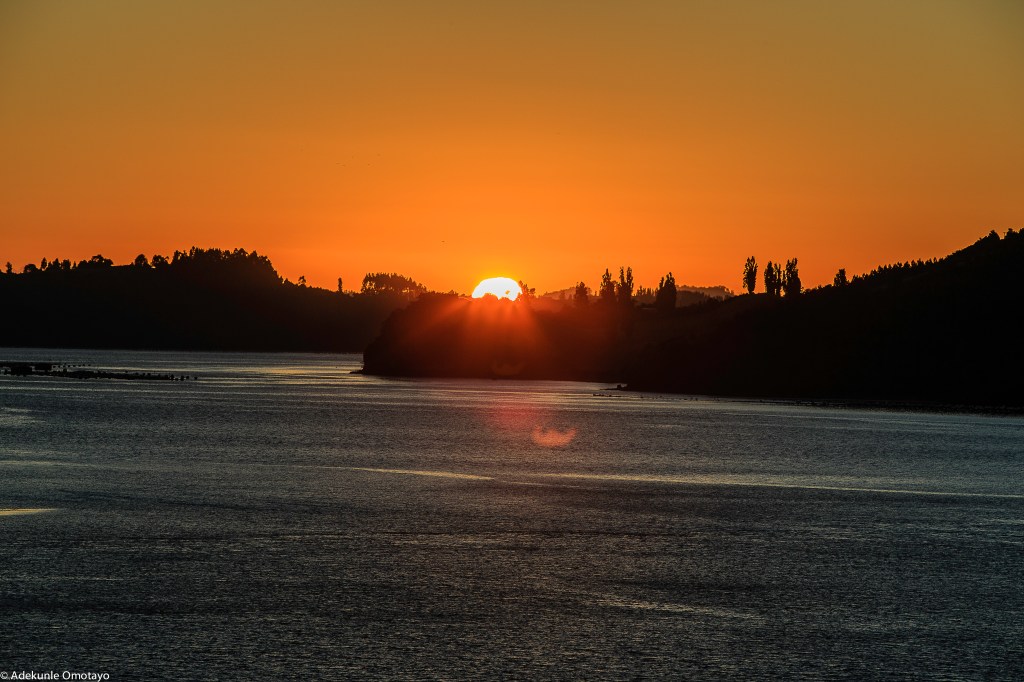
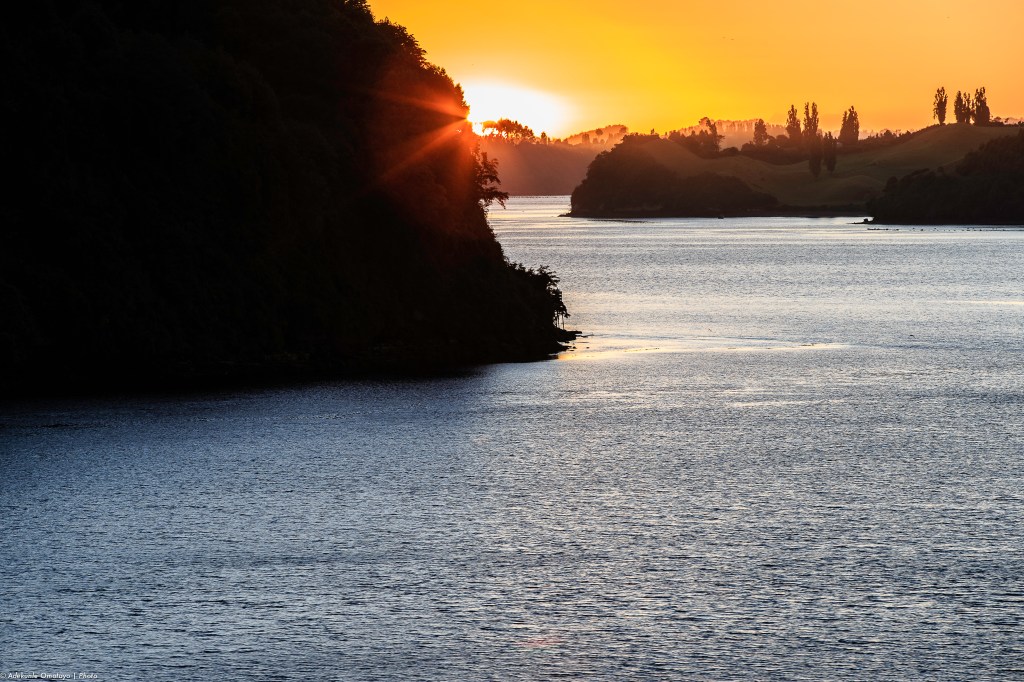
The sun that rises each morning.

The warm light that enters our homes.

The headlights that guide us through darkness.

The wheat fields that feed nations.

Bananas, lemons, mangoes, and fruits ripening on their branches.

Sunflowers turning instinctively toward the light.

Yellow is everywhere in God’s creation.

Perhaps that is precisely why we hardly notice it.

Red announces itself.

Blue invites admiration.

But yellow simply arrives.

Every morning.

Quietly.

Faithfully.

And somewhere in that realization, I stopped thinking about color.

I began thinking about life.

How many of life’s greatest gifts are experienced rather than noticed?

How many are freely given, so constantly present that we eventually stop recognizing them as gifts at all?

The bright reds and deep blues of life are easy to see. They are the celebrations, achievements, journeys, promotions, milestones, and extraordinary moments. They stand boldly against the canvas of our existence precisely because they are not constant.

But the things that sustain us often resemble yellow.

The spouse who has shared decades of ordinary days beside us.

The friend who always answers the phone.

The faith that quietly steadies us when the road ahead becomes uncertain.

The health we rarely think about until something begins to hurt.

The family members whose presence becomes part of the background of our lives simply because they have always been there.

The home to which we return.

The morning we assume will come.

Another breath.

Another day.

Like sunlight, these gifts illuminate almost everything while asking for very little attention.

Perhaps that is why they are so easily overlooked.

As I have grown older, I have become increasingly aware that gratitude often arrives late.

We spend so much of life searching for the extraordinary that we can fail to appreciate the ordinary blessings that make the extraordinary possible.

We notice health when illness comes.

We understand companionship when someone is gone.

We recognize time when there seems to be less of it ahead.

We appreciate peace after chaos has disturbed it.

And sometimes we understand the magnitude of someone’s presence only when their chair is empty.

The irony is that many of the most valuable things in life are hidden in plain sight.

Not because they are rare.

But because they are constant.

They become so woven into the fabric of our existence that we stop seeing them altogether.

Perhaps gratitude, then, is really an act of seeing.

Not merely giving thanks for the spectacular, but learning to recognize the quiet gifts that have been carrying us all along.

I had spent much of my life admiring the reds and blues.

The achievements.

The milestones.

The places traveled.

The things accomplished.

They were beautiful, and they deserved to be celebrated.

But all along, beneath them and around them, I had been experiencing yellow.

Love.

Family.

Friendship.

Health.

Faith.

Time.

Grace.

The quiet things.

The constant things.

The things without which none of the reds or blues would have mattered very much.

And perhaps this is one of the gifts of growing older: not that the world suddenly reveals something we had never seen before, but that we finally learn how to see what was always there.

The sun was always rising.

The light was always entering the room.

Yellow was always there.

I simply had to learn to see it.

Simply O.
Sacred Shores Series: Myrtos Beach – Kefalonia, Greece

Whispers of Blue

Myrtos Beach, Kefalonia, Greece

“To sit beside the sea is to hold a mirror to the soul.” — Greek Proverb

“Some landscapes speak in silence—this beach whispered peace to my spirit.” — Simply O.

Few places take your breath away quite like Myrtos Beach on the island of Kefalonia. Curving gracefully between towering limestone cliffs, its pristine white pebbles meet waters painted in impossible shades of turquoise, sapphire, and cobalt. It is one of Greece’s most photographed beaches—and standing there, it is easy to understand why.

From the viewpoint high above, the scene appears almost unreal. The sea glows with a brilliance that seems borrowed from an artist’s palette, while the cliffs stand as ancient guardians over a shoreline sculpted by wind, water, and time. Nature here has achieved a harmony so perfect that it feels less like a destination and more like a revelation.

Yet what struck me most was not the color of the water or the grandeur of the landscape. It was the stillness.

Even with the gentle rhythm of the waves rolling ashore, there was a profound quietness that settled over the spirit. The beach seemed to ask nothing of its visitors—no agenda, no achievement, no urgency. Only presence.

In a world that constantly demands our attention, Myrtos offers something increasingly rare: permission to simply be.

As I gazed across the Ionian Sea, I was reminded that some of life’s greatest gifts cannot be purchased, scheduled, or possessed. They can only be experienced. A sunset. A conversation. A moment of gratitude. A shoreline where the sea meets eternity.

Travel often teaches us through movement, but occasionally it teaches us through stillness. Myrtos Beach was one of those places.

A sanctuary carved by wind, sea, and time, it reminded me that peace is not always found in reaching a destination. Sometimes it is found in pausing long enough to hear the whisper of the waves and remembering that we are part of something far greater than ourselves.

For a brief moment on the shores of Kefalonia, the world seemed content simply to breathe.

And so was I.

Simply O.
Preparing for the Journey:

This morning I had the privilege of speaking at Walk with the Doc about travel medicine.

We talked about vaccinations, malaria prevention, deep vein thrombosis, food safety, jet lag, travel insurance, and the many practical things that help us return home safely.

After the presentation, the questions began.

People wanted to know about traveling to remote parts of Asia.

What about the Himalayas?

What happens at very high altitude?

How dangerous is altitude sickness?

What should I carry into places where medical care may be days away?

They were thoughtful questions, and as I answered them, I realized they all revolved around the same idea.

Preparation.

Not fear.

Preparation.

There is a tendency to think that the greatest danger in travel lies in the destination. But more often than not, the destination is not the problem. The problem is arriving unprepared.

The mountain is still the mountain.

The jungle remains the jungle.

The desert has always been the desert.

Our responsibility is not to demand that the world become safer for us. It is to become wiser before we enter it.

Altitude sickness is a fascinating example.

The mountain does not care how wealthy you are.

It does not care how physically fit you look.

It does not care how many countries you have visited.

Above a certain elevation, every human body is negotiating with thinner air. Some adapt quickly. Others do not. Some become mildly uncomfortable. Others become gravely ill.

The mountain treats everyone with remarkable fairness.

Respect it, and it often rewards you.

Ignore it, and it can humble you.

I wonder if life works much the same way.

There are emotional high altitudes as well.

Retirement.

Grief.

Success.

Failure.

Marriage.

Parenthood.

Immigration.

Leadership.

None of these places are inherently dangerous, but each demands a different kind of preparation. The habits that served us at one altitude may no longer be enough at the next.

Sometimes we try to rush the ascent.

We want tomorrow’s view without today’s acclimatization.

But life, like the mountains, often insists that we climb slowly.

Pause.

Adjust.

Drink deeply.

Rest.

Listen to our bodies.

Know when to continue and when to descend.

Perhaps wisdom is simply learning to respect the altitude of the season we are in.

When I prepared today’s talk, I told the audience that preparation is the best travel medicine.

As I reflected afterward, I realized the same could be said of life itself.

Preparation cannot eliminate every risk.

I prepared carefully before traveling to Nigeria and still returned home with COVID.

Preparation does not guarantee perfect outcomes.

It simply gives us the best chance to meet uncertainty with resilience instead of regret.

Whether we are boarding a plane, beginning a new career, entering retirement, or walking into an unfamiliar chapter of life, the principle remains unchanged.

Prepare well.

Travel with humility.

Respect what is greater than you.

And remember that the goal is never merely to arrive.

It is to return home—wiser, healthier, kinder, and grateful that there are still mountains left to climb.

Simply O.
Patagonia: A Southward Drift

Some journeys do not announce where they are going.
They simply begin removing what you no longer need.”

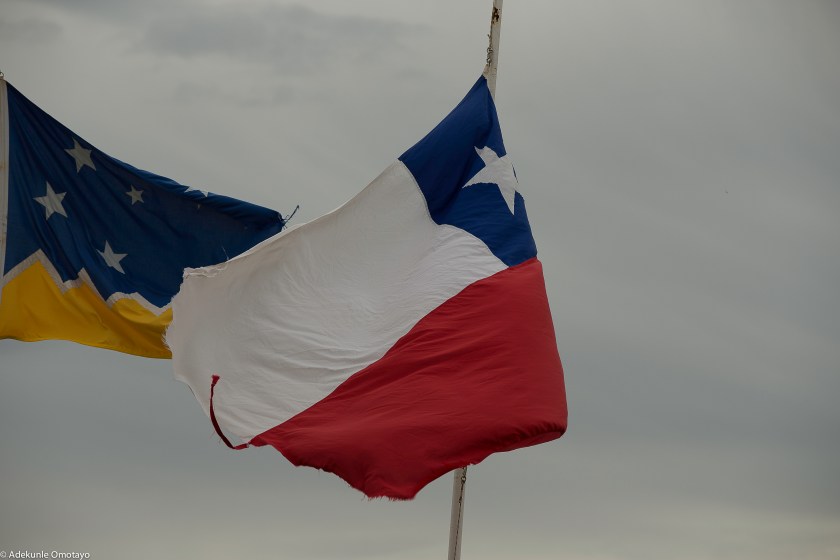
Two flags fluttering in the wind, representing a journey and the spirit of exploration.

The journey began in a world that still made sense.

Flags moved with purpose in open air. Statues stood upright, confident in their permanence. Cities arranged themselves logically—plazas, streets, monuments—each reinforcing the idea that meaning could be fixed in place and remembered by name. Here, history announced itself clearly, and identity was something you could point to.

We dressed lightly then. The air allowed it.

But travel south is not about distance alone. It is about relinquishment—of ease, of certainty, of the expectation that the land will explain itself.

When the ship finally cast off, the change was not immediate. Land did not vanish. It receded politely. Harbors slipped behind us, still visible, still relevant. The horizon widened, but it did not yet demand attention. We stood on deck and watched the shoreline loosen its grip, unaware that this quiet separation would prove irreversible.

Water took over gradually.

Roads were replaced by channels. Maps became suggestions rather than instructions. The coastline stretched, fractured, and reassembled itself into fjords and passages that seemed less designed than discovered. Forests leaned toward the water as if curious, then withdrew into shadow. The sky lowered. Sound softened.

And then Patagonia arrived—not as a destination, but as a condition.

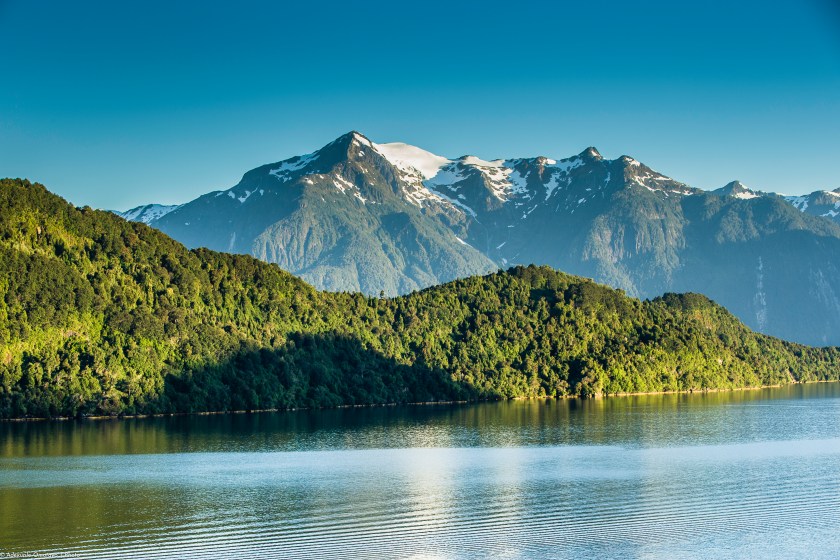
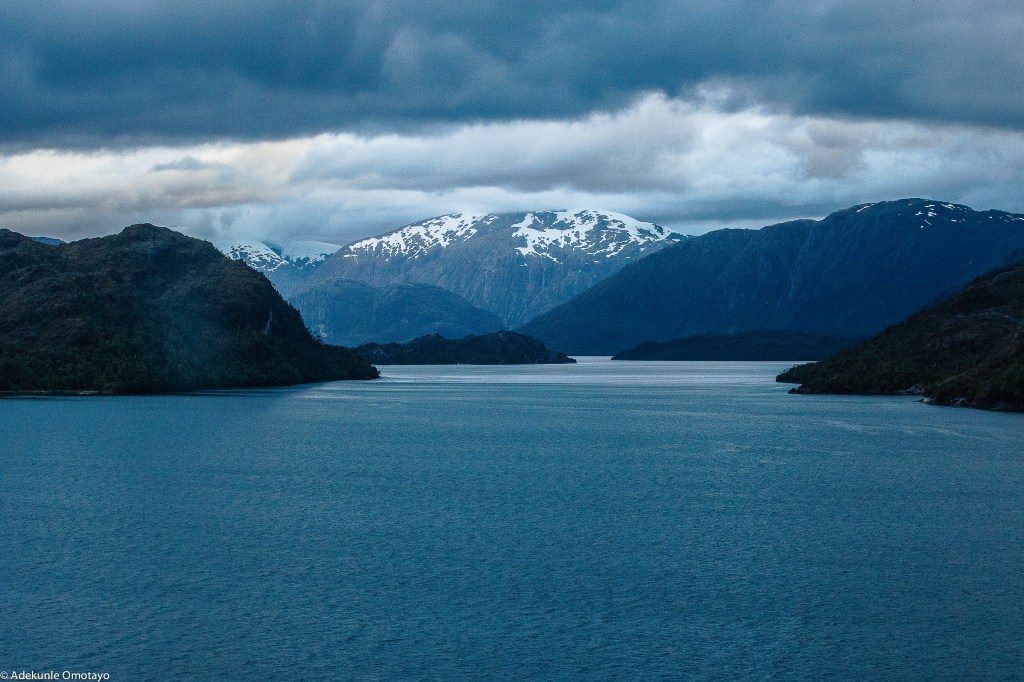
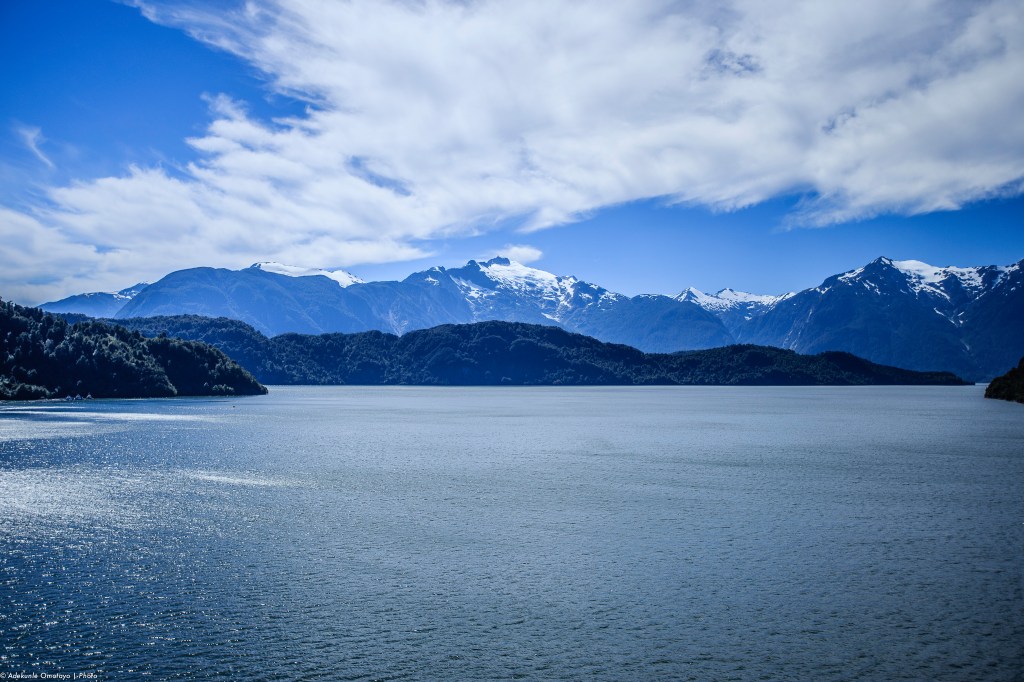
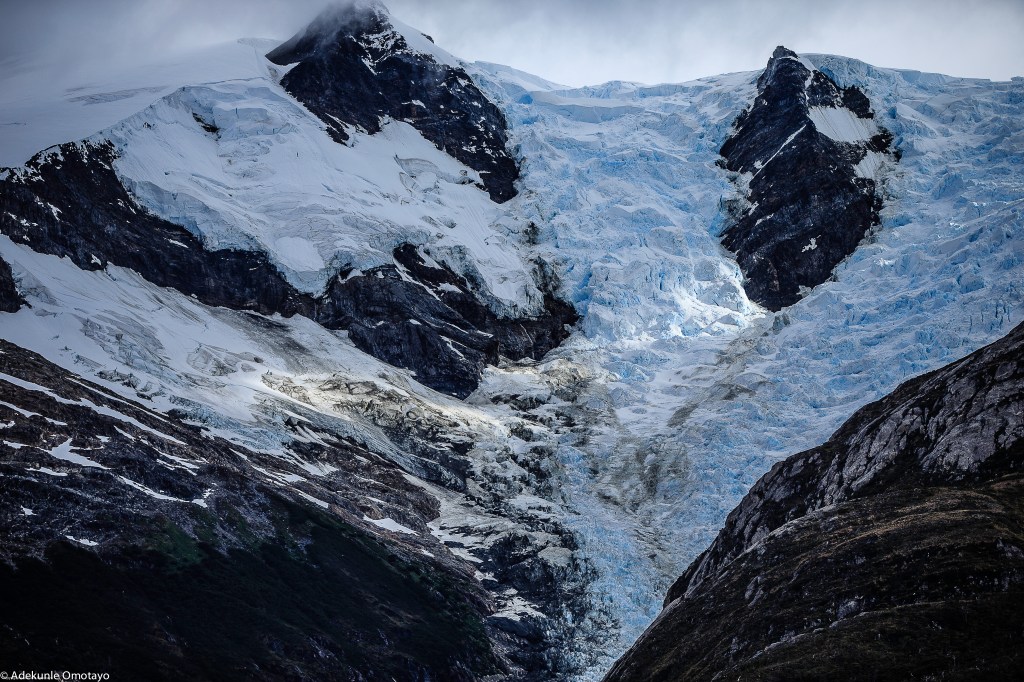
A serene landscape of Patagonia featuring mountains rising abruptly from the water, illustrating the region’s raw and untouched beauty.
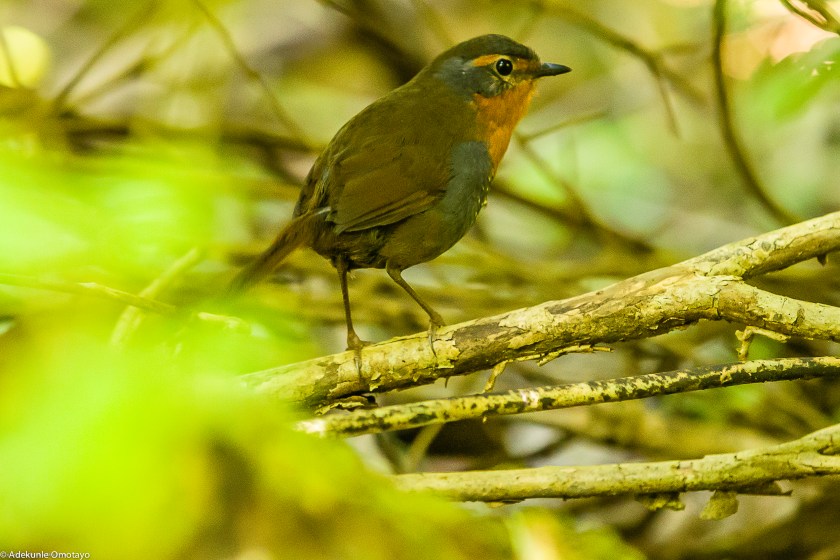
A vibrant bird perched on a branch amidst a lush, green environment.

The land rose vertically from the sea, indifferent to our presence. Mountains pressed close on either side, turning water into a corridor and motion into necessity. There was no panorama here, no safe distance from which to admire. Scale asserted itself quietly but completely. The ship—once the center of our attention—became incidental, a moving point swallowed by stone and silence.

This was not a place that invited interpretation. It did not perform. It simply existed, and in doing so, diminished everything else.

Further south, the world grew quieter still.

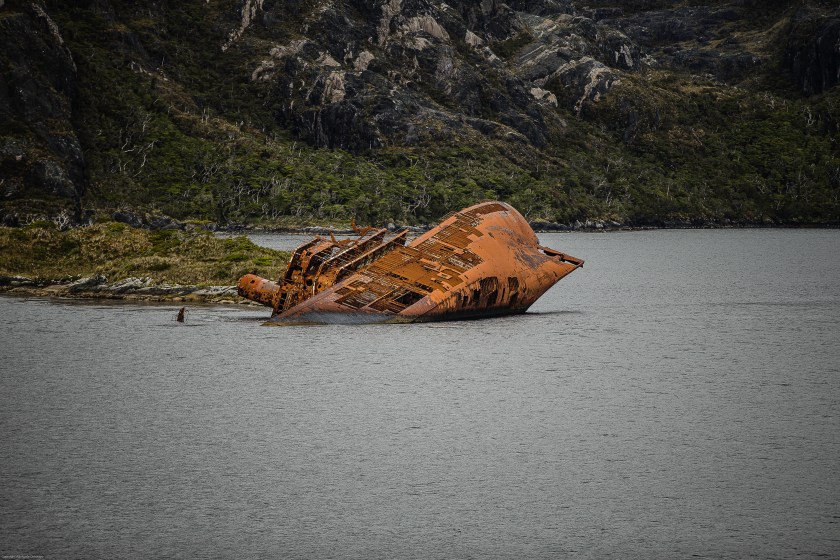
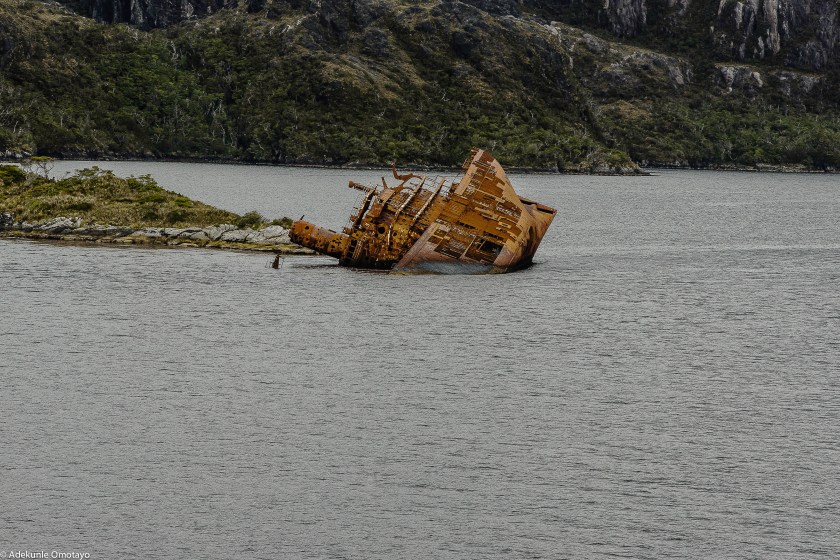
Human intention appeared briefly, then failed. A shipwreck leaned into the water, rusted and unfinished, its ambition dissolved without ceremony. There was no plaque, no explanation—just the fact of it. Patagonia does not preserve stories. It absorbs them. History here is not commemorated; it is weathered.

Words began to feel unnecessary.

A rusted shipwreck leaning into the water, embodying the remains of human ambition against a backdrop of rugged, natural landscapes.

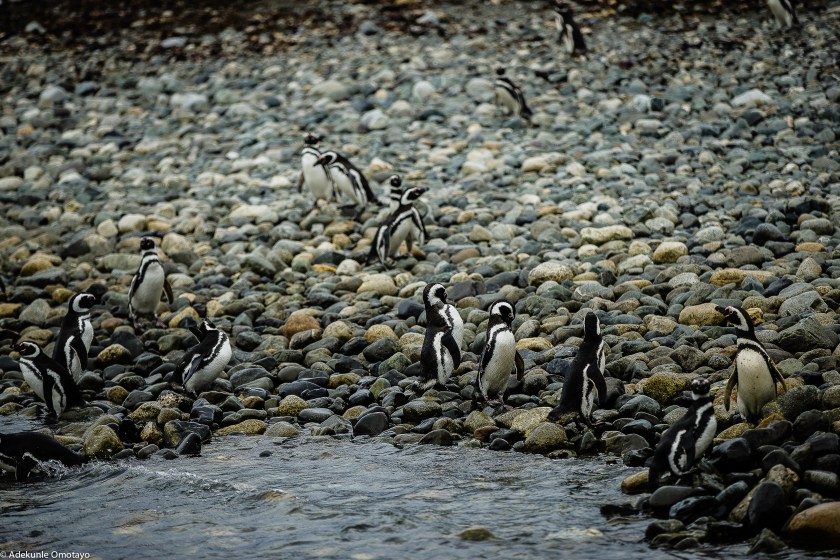
On the shore, Penguins gathered in loose communion, layered bodies rising and falling with the rhythm of breath and tide. Birds moved according to patterns older than navigation, untroubled by observation. Skeletal remains lay unhidden, not as warnings but as evidence. This was life without audience, without concession. We were not included in its logic, and that exclusion felt instructive.

Belonging, it turned out, was conditional.

A group of penguins navigating rocky shores, embodying the wild spirit of Patagonia.
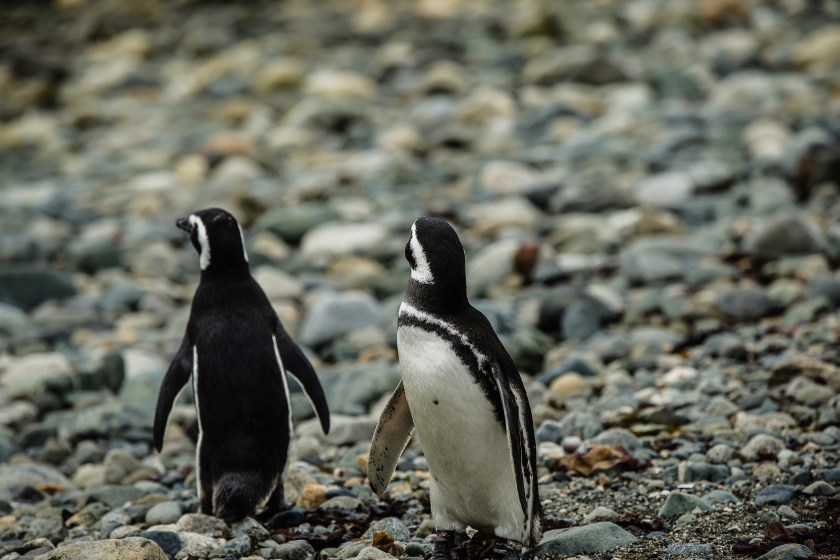
Two penguins walking along a rocky shore in Patagonia, embodying the wild and untamed spirit of this remote region.
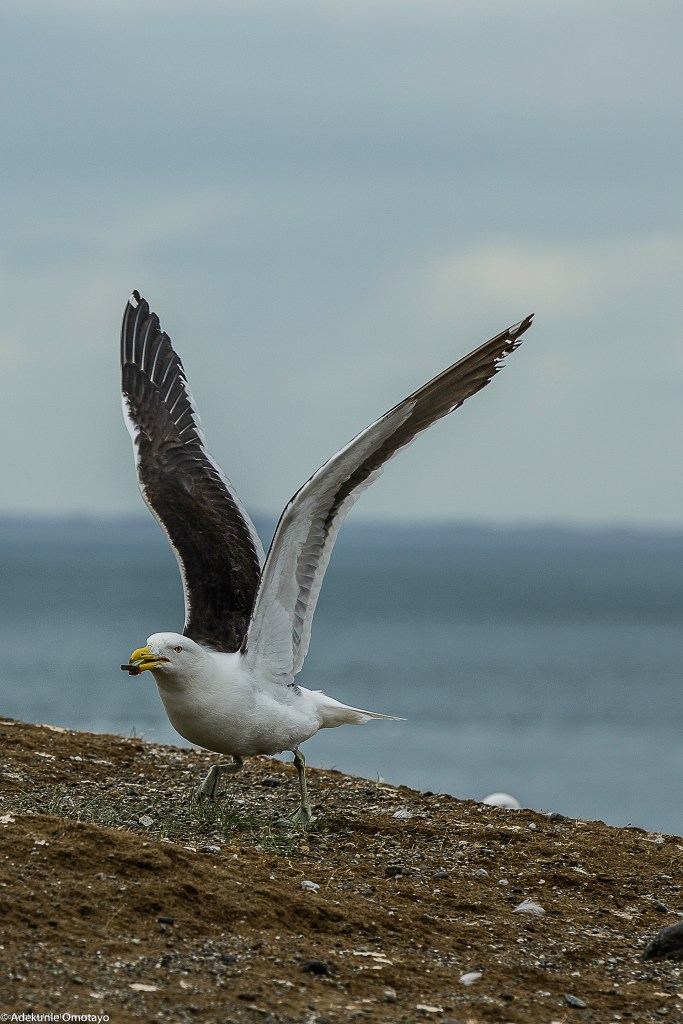
A seagull with outstretched wings near the shoreline, embodying the spirit of freedom in the wild landscape.

As we approached the southern limit of the continent, even negotiation thinned. The light cooled. The air sharpened. Clothing became functional rather than expressive. Land no longer offered footholds for narrative—only edges. Beyond this point, there would be no towns to receive us, no roads to reassure us. Only open water, weather, and preparation.

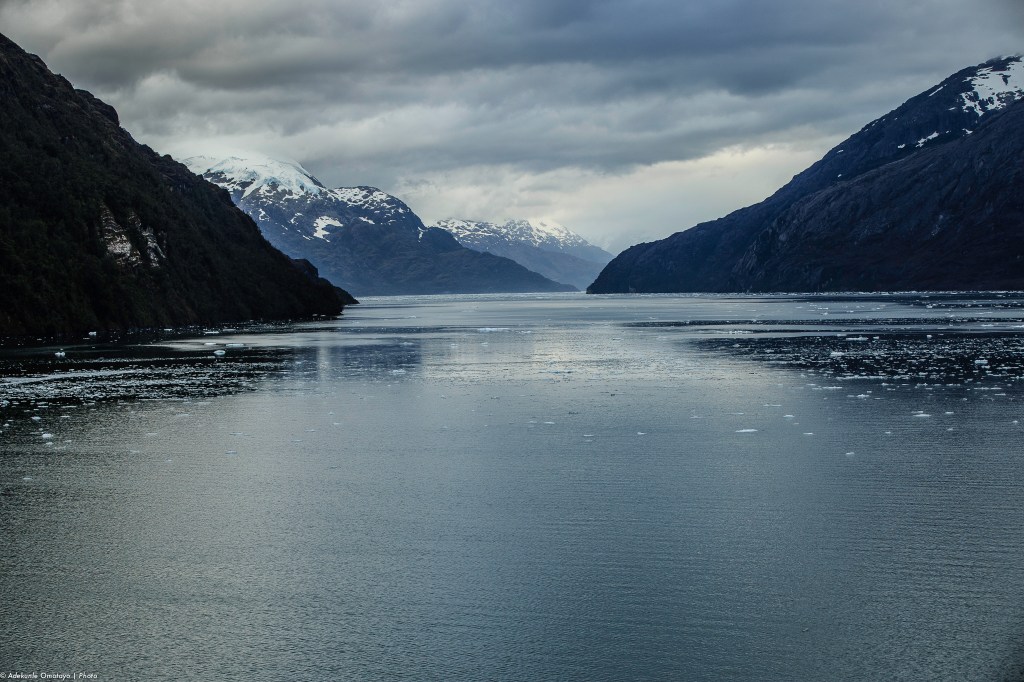
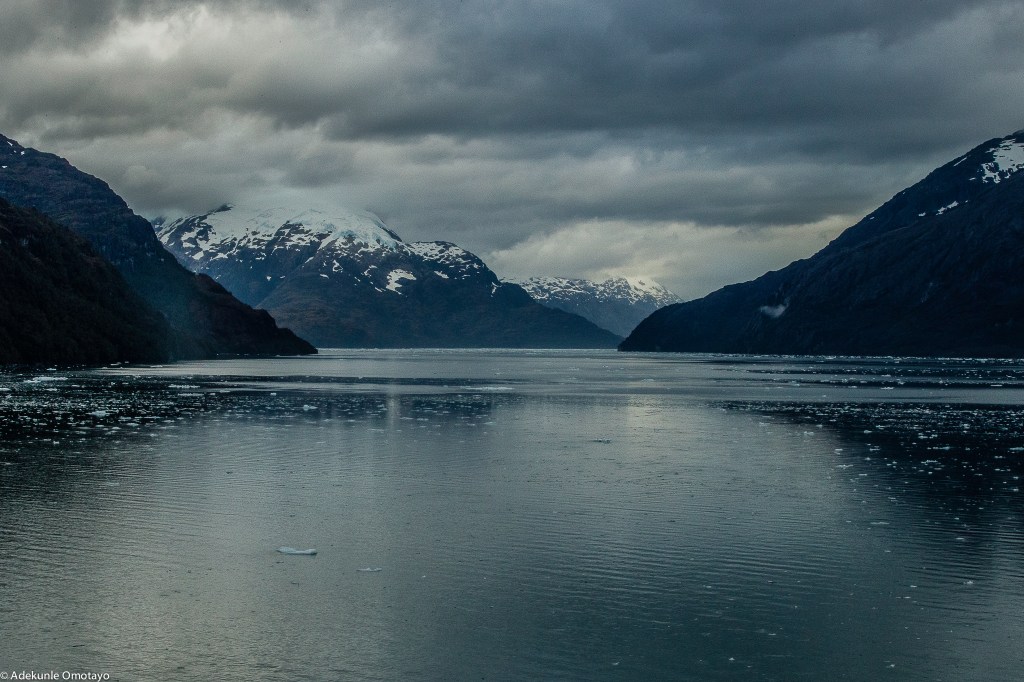
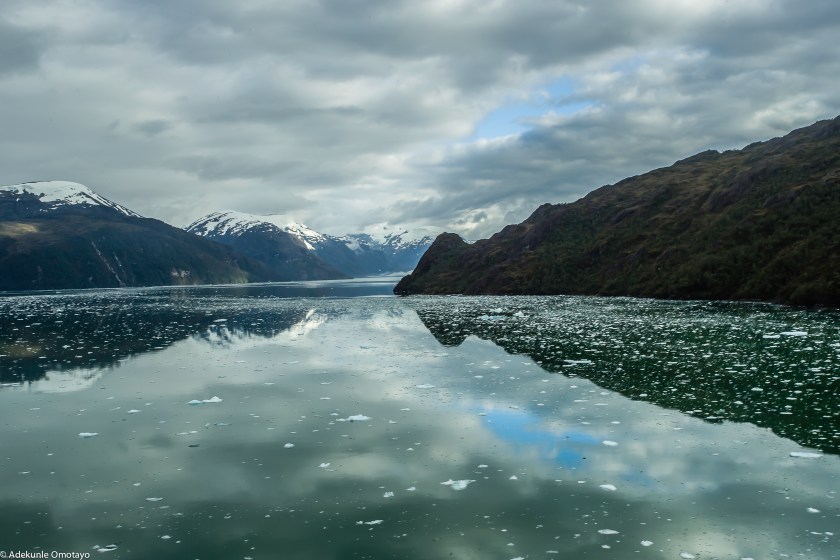
A serene view of a glacial bay, reflecting mountains and scattered ice chunks under a cloudy sky.

Patagonia has a way of recalibrating your sense of time.

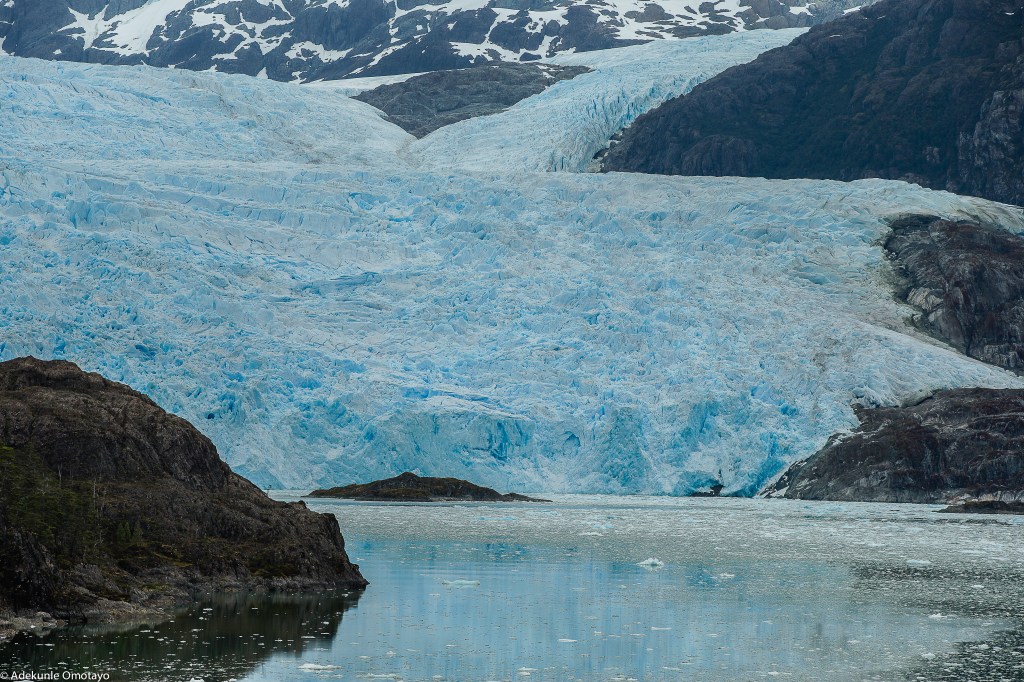
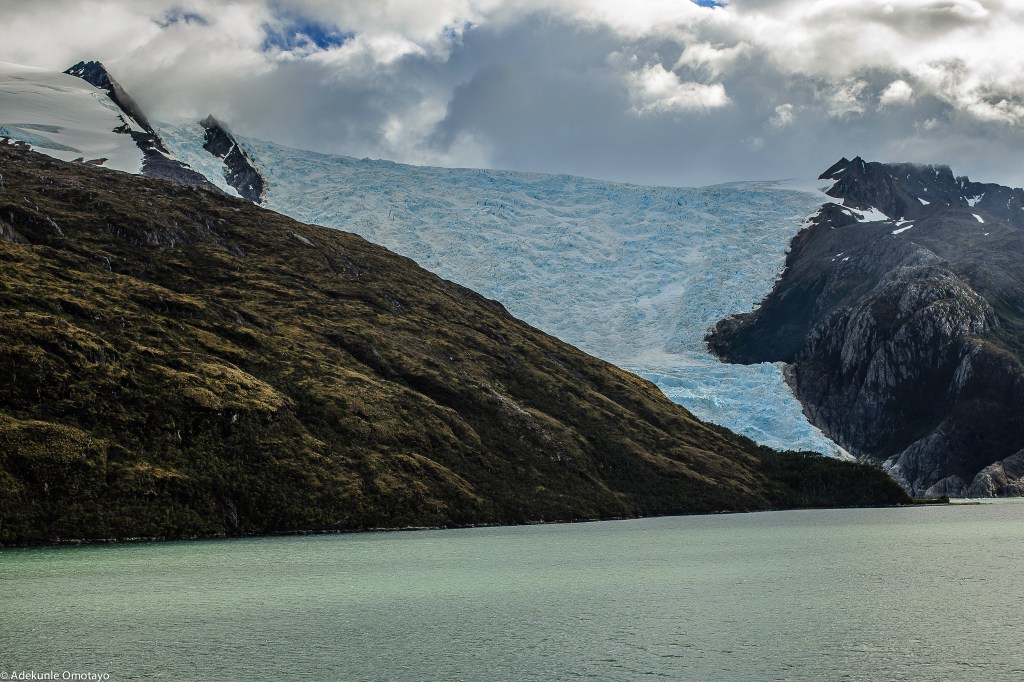
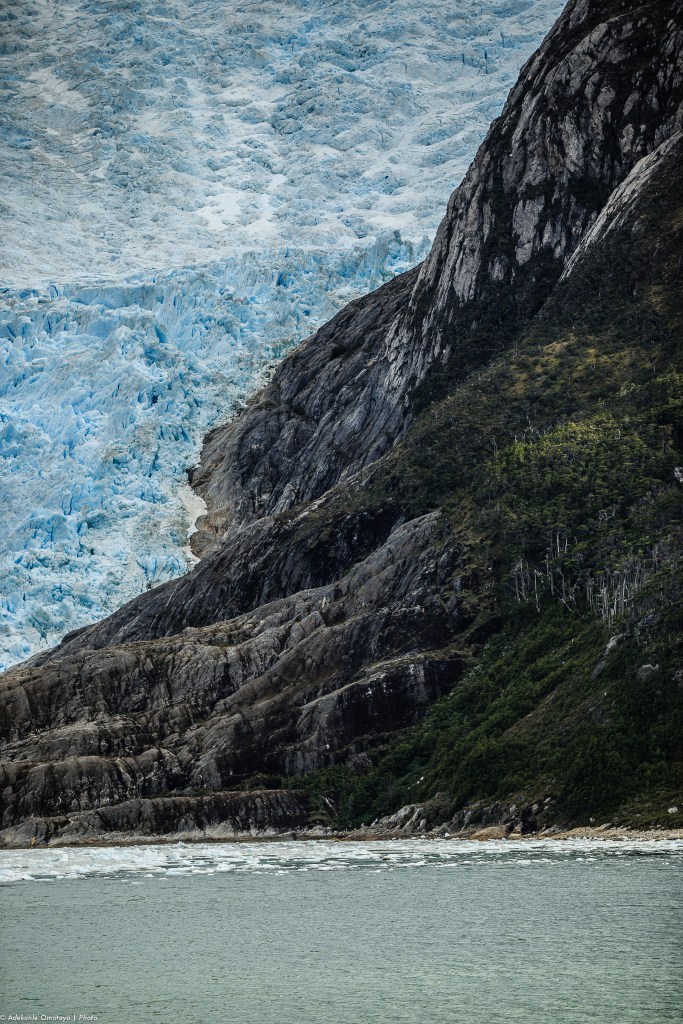
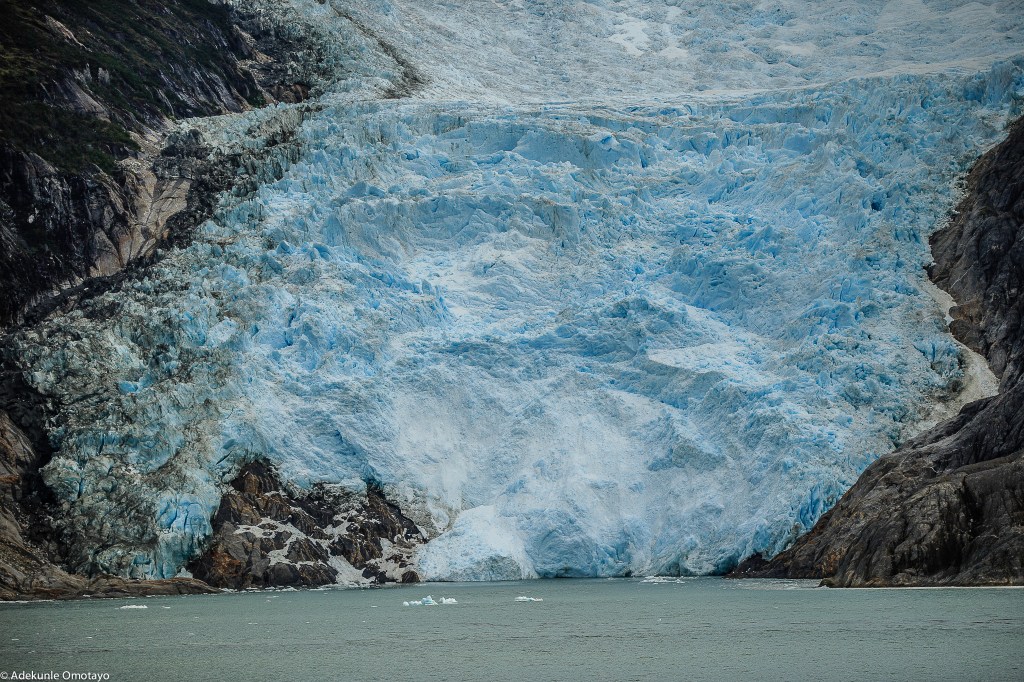
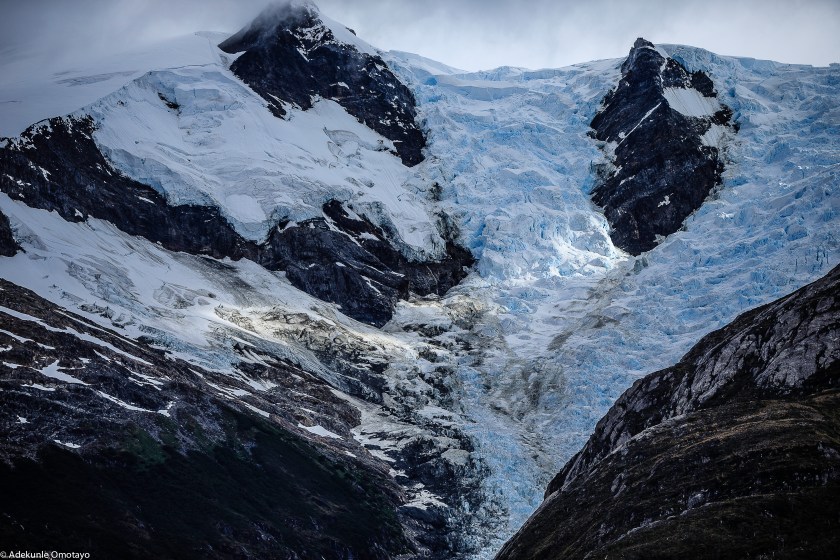
Standing before Grey Glacier, I was struck less by its immense scale than by its composure. The ice does not hurry. It advances quietly, reshaping rock and water by persistence alone. There is no urgency here—only inevitability.

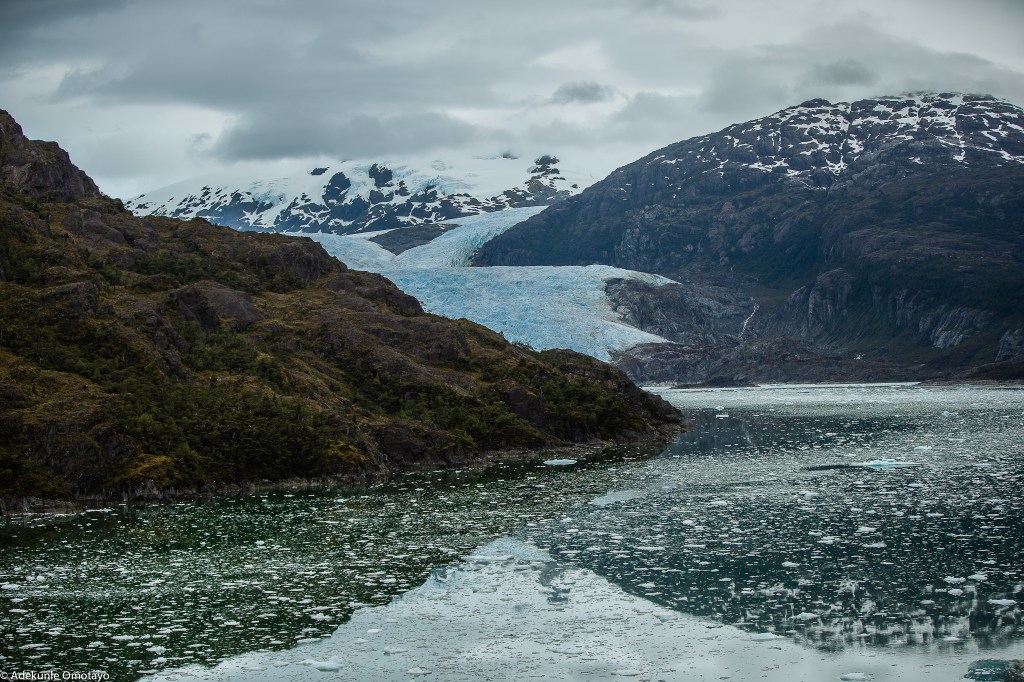
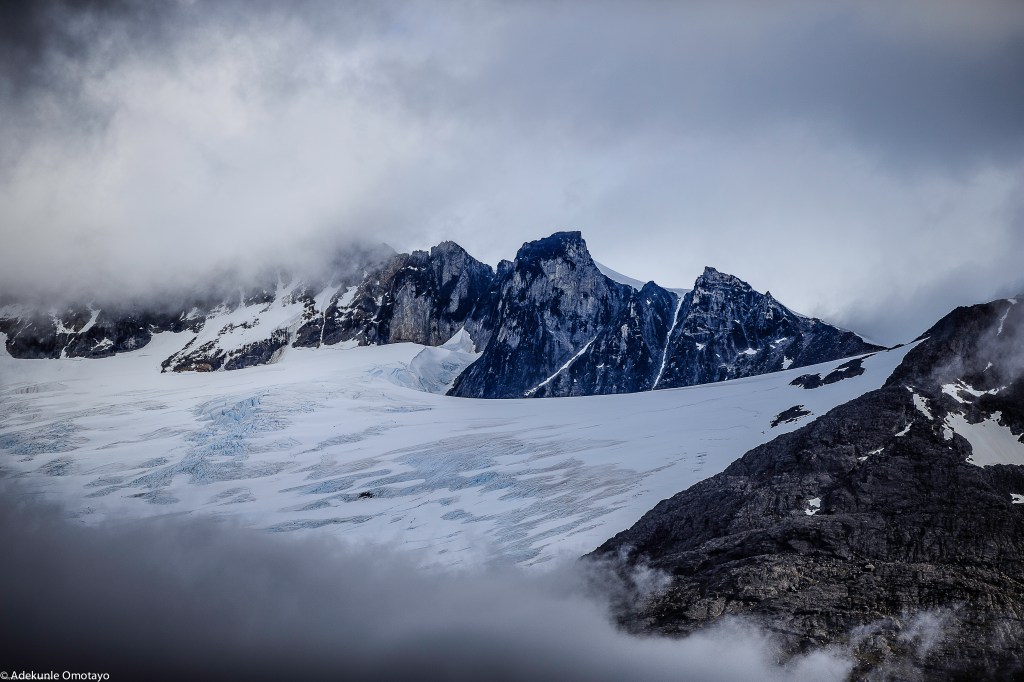
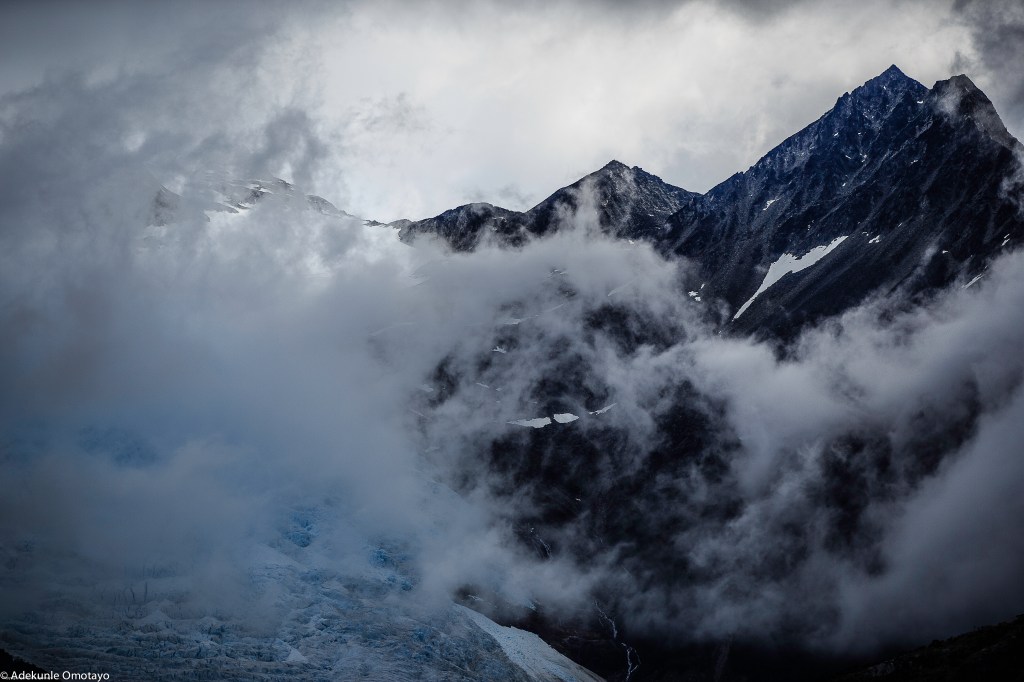
A dramatic view of snow-capped mountains contrasting with a glacier, illustrating the raw beauty of Patagonia.
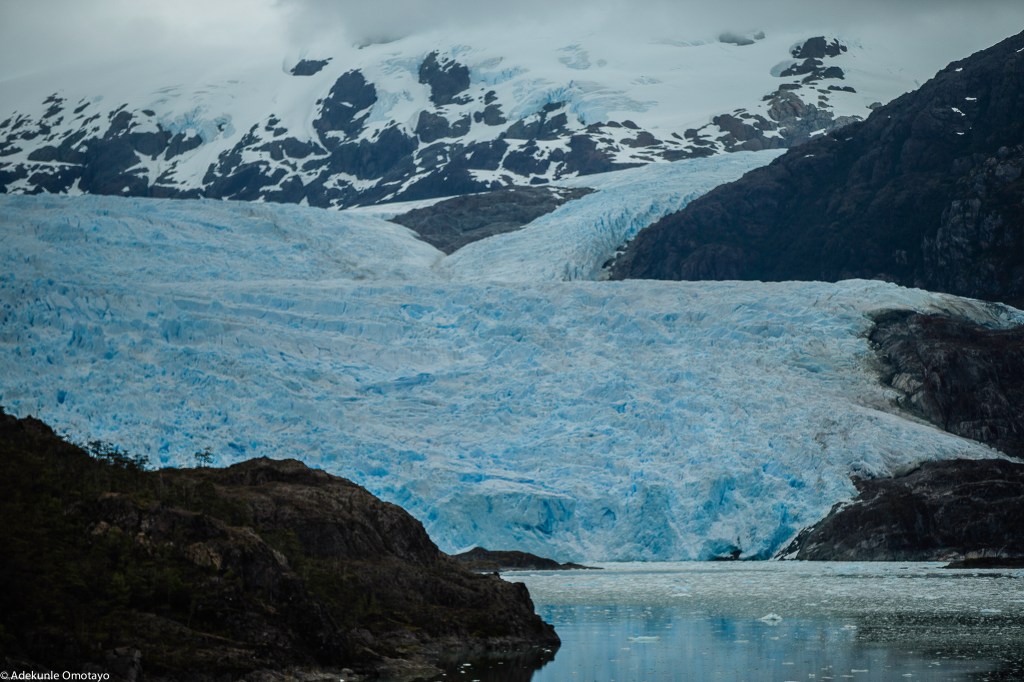
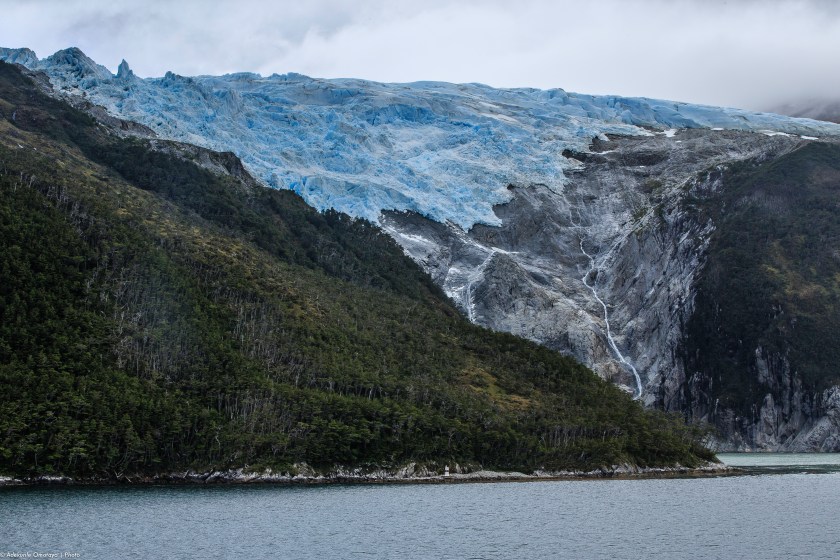
A stunning view of a glacier cascading down a mountain, surrounded by lush forest and water, epitomizing the rugged beauty of Patagonia.

Clouds press low over Grey Glacier, compressing the landscape into layers of water, forest, ice, and stone.

The glacier descends from the Southern Patagonian Ice Field like a held breath. Dark rock flanks its sides, clouds drift low, and the world feels reduced to essentials: cold, silence, movement measured in centuries. Patagonia doesn’t shout. It waits.

In that stillness, the glacier teaches something quietly profound—endurance is not dramatic. It is patient. It is faithful. And over time, it shapes everything.

We stood facing the horizon, bundled now, quieter than before.

Antarctica was not yet visible, but it was already present—in the discipline of the cold, in the restraint of the landscape, in the way language itself seemed to falter. Patagonia had done its work. It had narrowed the world, stripped it of ornament, and taught us how little was required to endure.

The crossing lay ahead.

This was the last place where land still negotiated.

And then we waited.

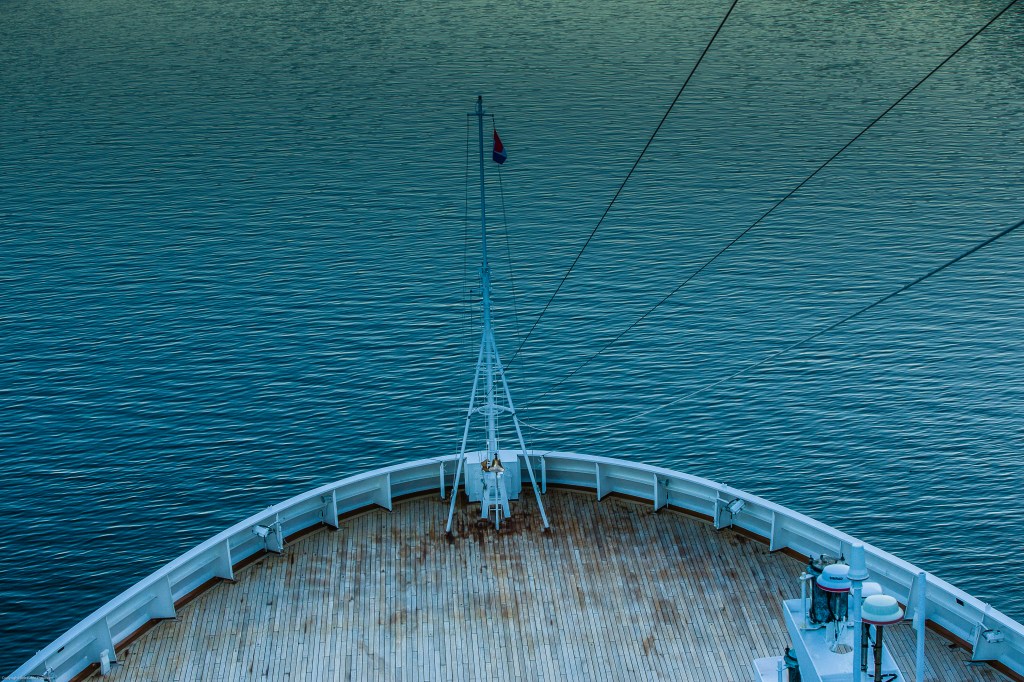
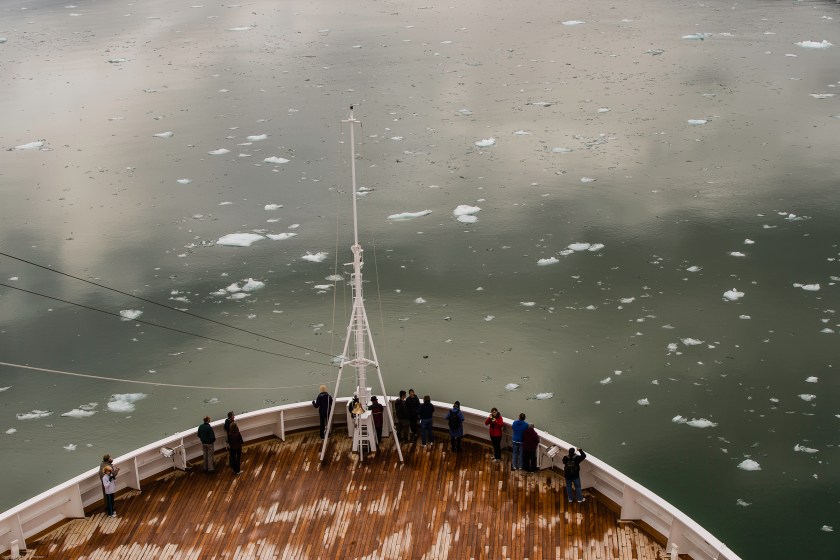
We gathered at the bow of the ship, surrounded by drifting icebergs in a serene, reflective sea.

As we reached the southern limit of Patagonia, the world felt pared back to essentials. The light cooled. The land narrowed. Life persisted without ceremony. Nothing here asked to be conquered or explained. Patagonia did not prepare us for something beyond itself. It was already complete — vast, disciplined, and indifferent. We did not need to go further to understand it. We only needed to stand still long enough to listen.

Drake Passage — Known for Volatility.

The Drake Passage is not a destination.
It is an agreement.

Here, the continent finally lets go. Land dissolves into weather, and motion becomes the only constant. The sea asserts itself without malice—only indifference. There is no scenery to admire, no horizon to trust. Just water in all directions, moving with its own intent.

What Patagonia began, the Drake completes.

Comfort has already been stripped away. Language is no longer useful. Preparation replaces curiosity. You do not cross the Drake to arrive somewhere. You cross it to be made ready.

Beyond this stretch of water lies Antarctica—white, absolute, uninterested in accommodation.

But the Drake is the threshold.

It asks only one question:

Are you willing to surrender control before you proceed?

Simply O