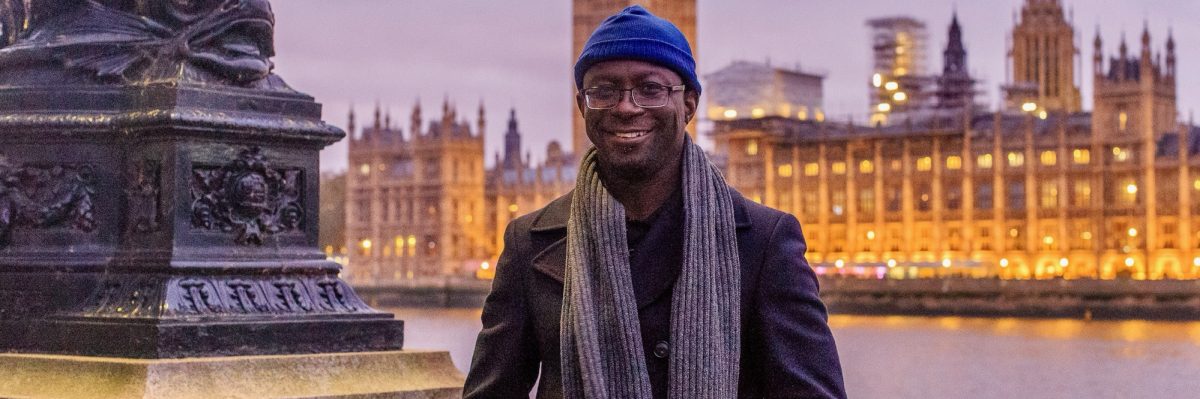
Some journeys do not announce where they are going.
They simply begin removing what you no longer need.”
The journey began in a world that still made sense.
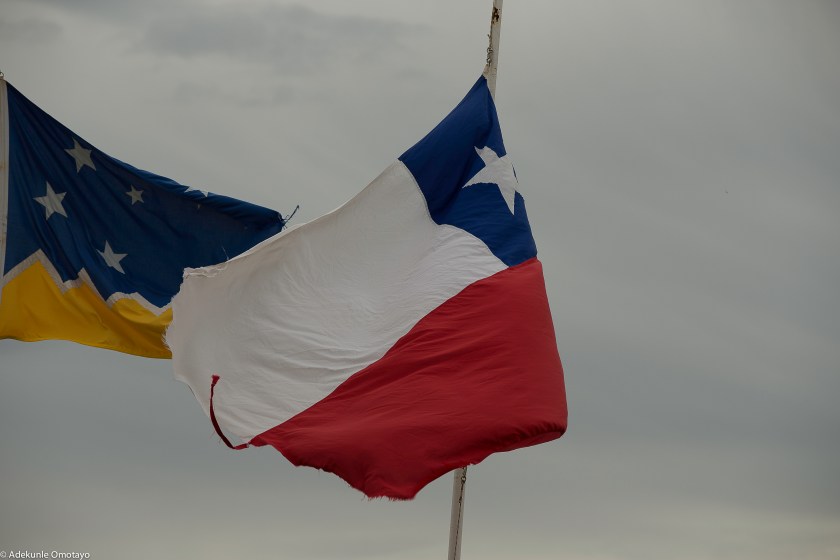
Flags moved with purpose in open air. Statues stood upright, confident in their permanence. Cities arranged themselves logically—plazas, streets, monuments—each reinforcing the idea that meaning could be fixed in place and remembered by name. Here, history announced itself clearly, and identity was something you could point to.
We dressed lightly then. The air allowed it.

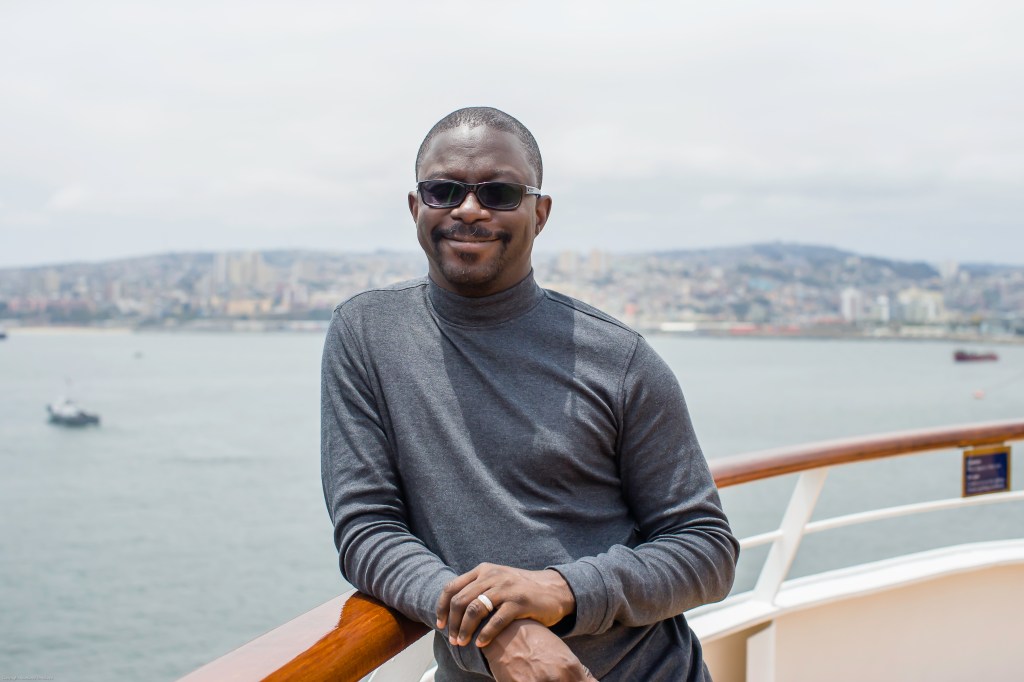
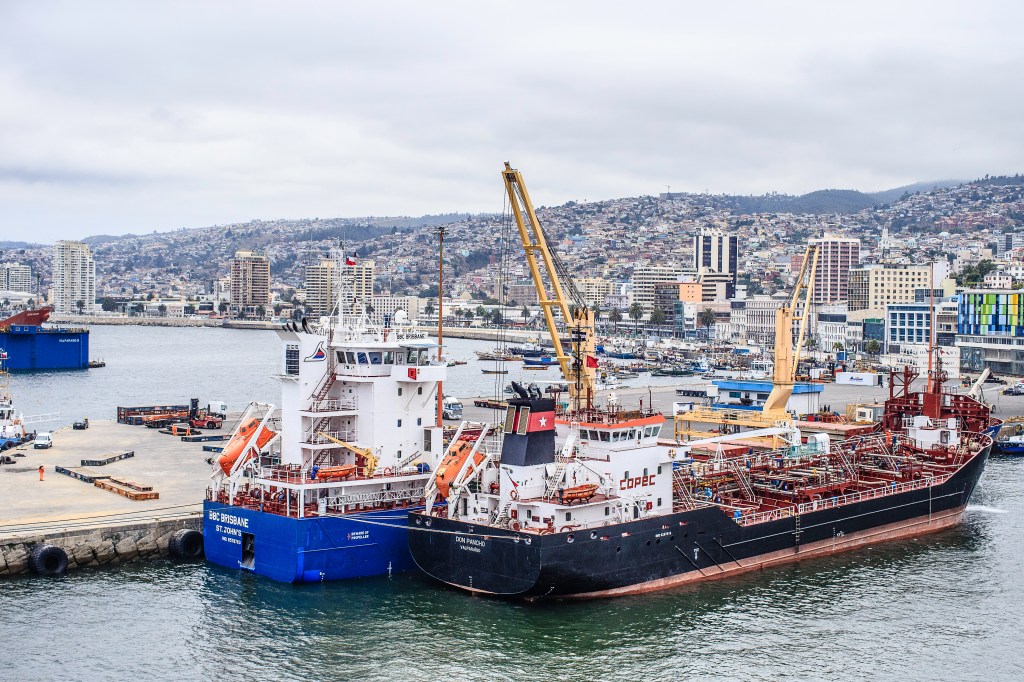
But travel south is not about distance alone. It is about relinquishment—of ease, of certainty, of the expectation that the land will explain itself.
When the ship finally cast off, the change was not immediate. Land did not vanish. It receded politely. Harbors slipped behind us, still visible, still relevant. The horizon widened, but it did not yet demand attention. We stood on deck and watched the shoreline loosen its grip, unaware that this quiet separation would prove irreversible.
Water took over gradually.
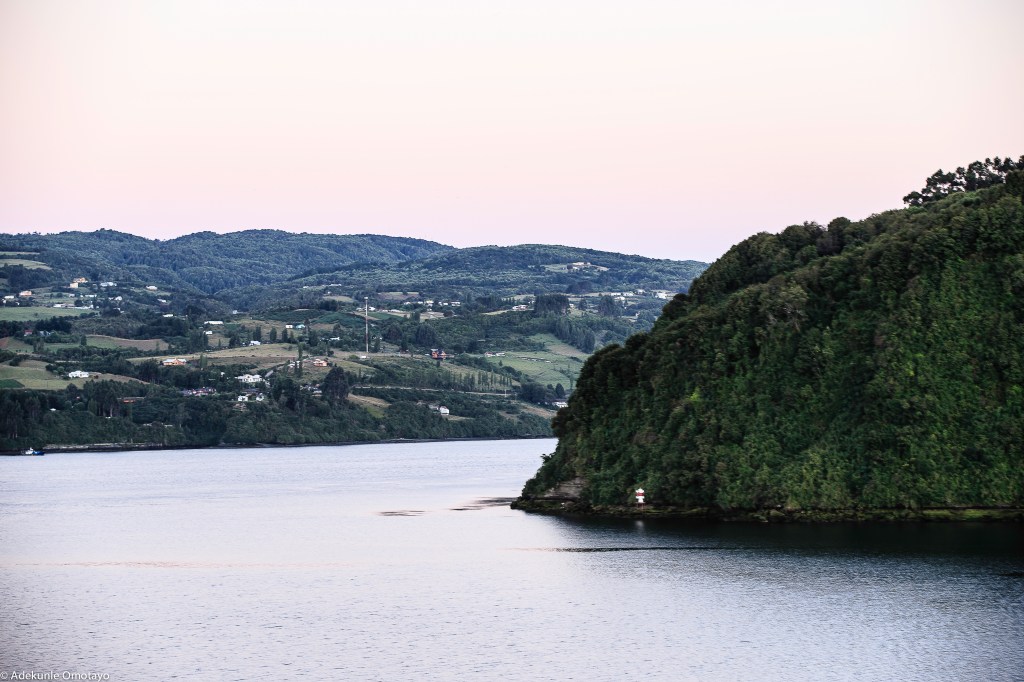
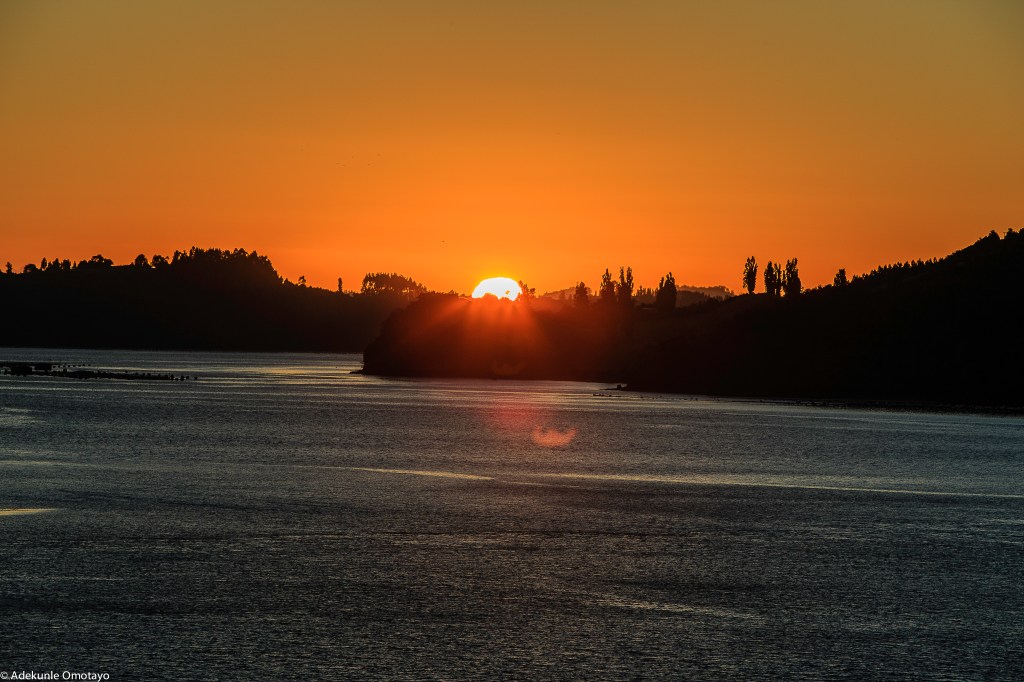
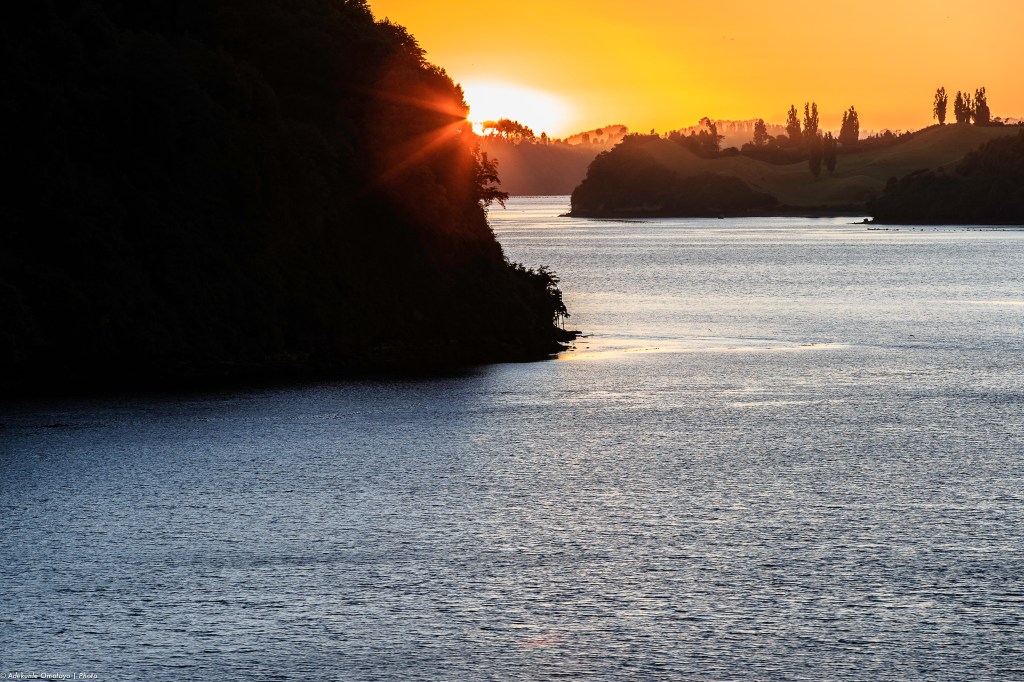
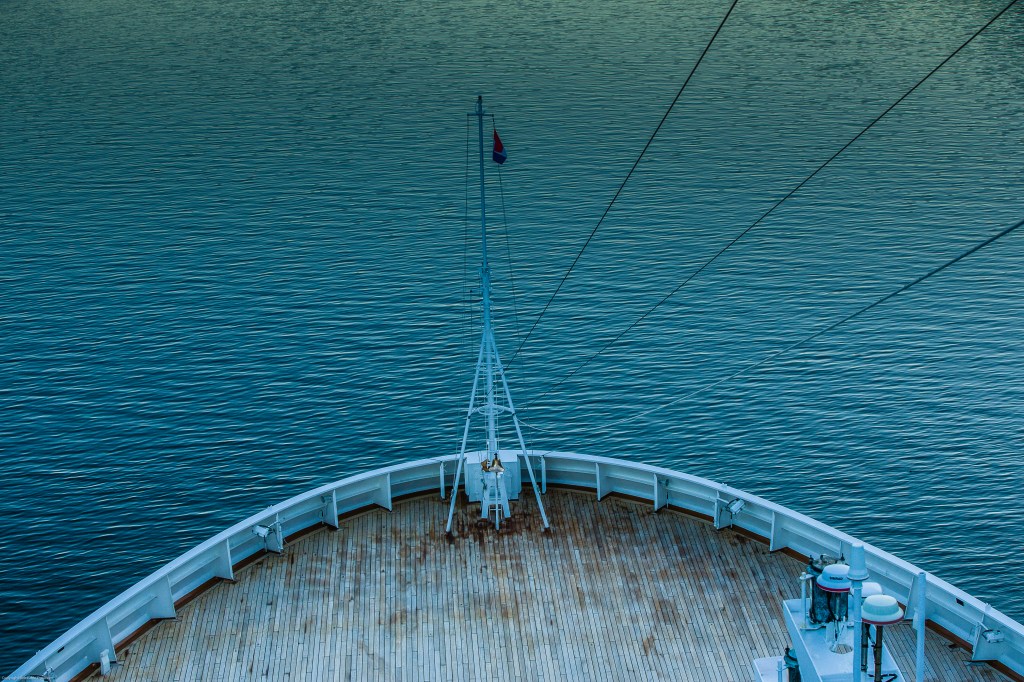
Roads were replaced by channels. Maps became suggestions rather than instructions. The coastline stretched, fractured, and reassembled itself into fjords and passages that seemed less designed than discovered. Forests leaned toward the water as if curious, then withdrew into shadow. The sky lowered. Sound softened.
And then Patagonia arrived—not as a destination, but as a condition.
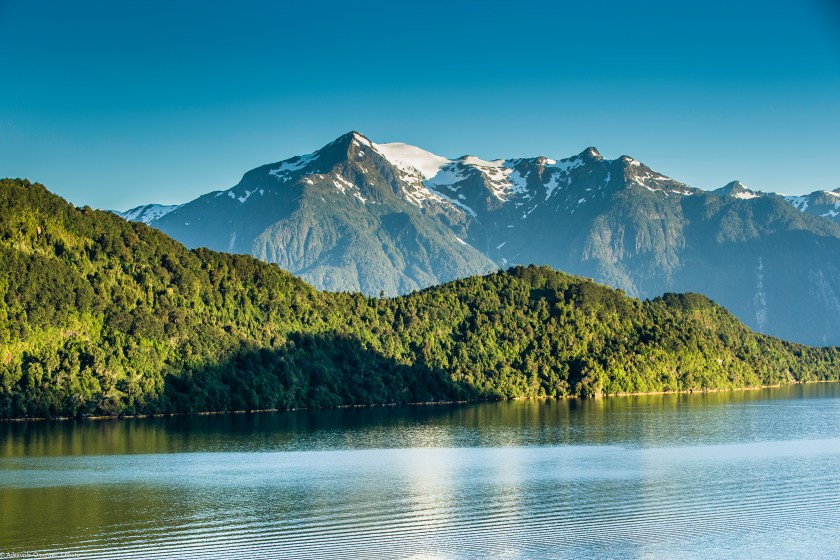
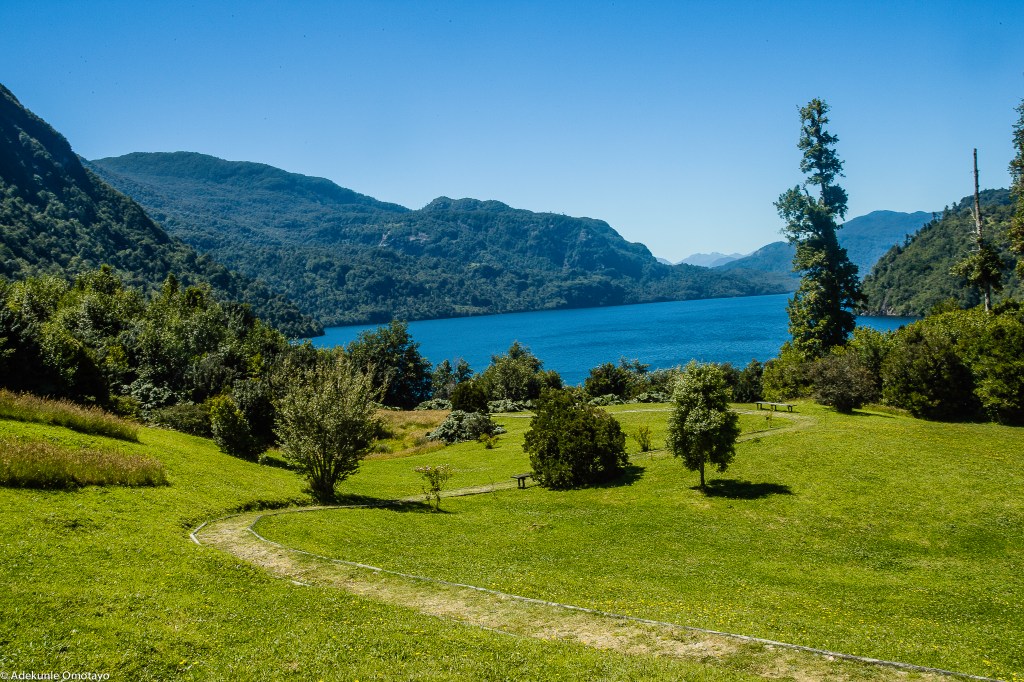
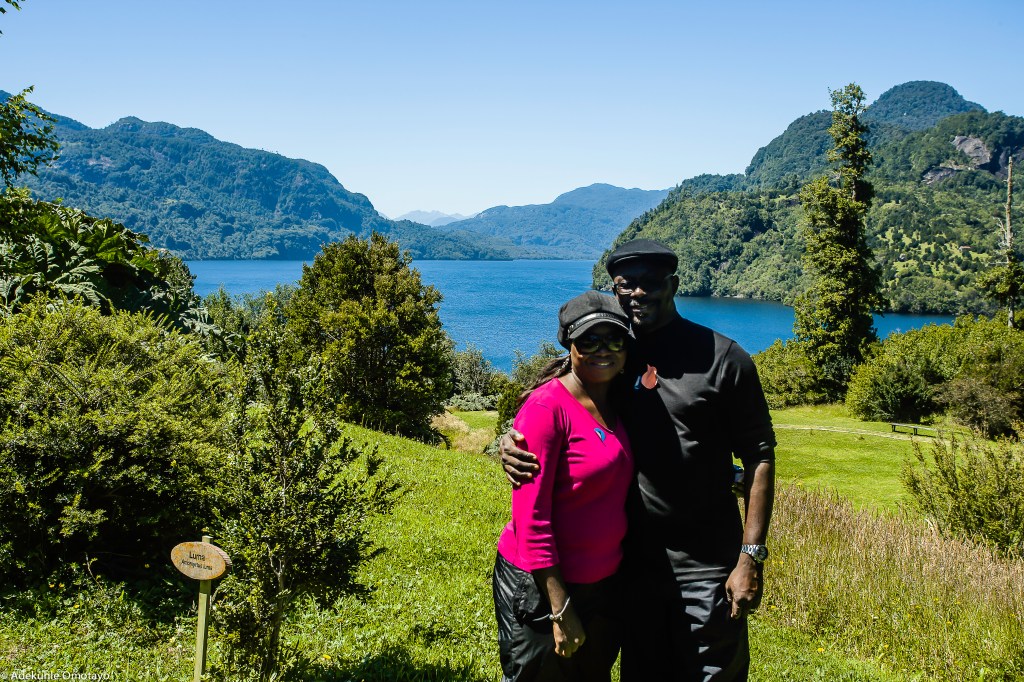

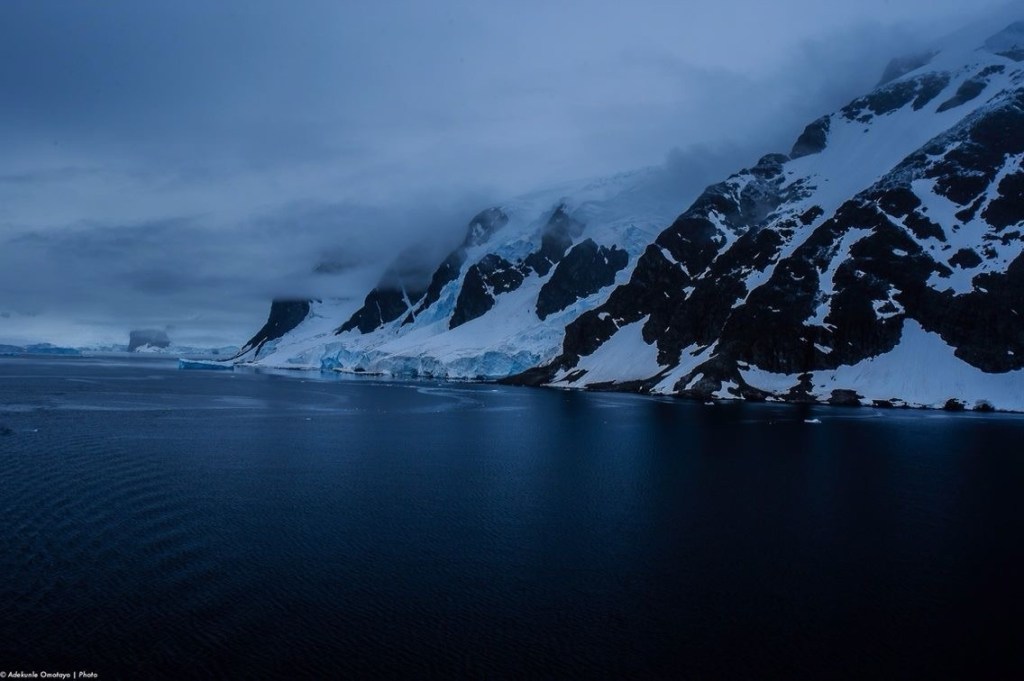
The land rose vertically from the sea, indifferent to our presence. Mountains pressed close on either side, turning water into a corridor and motion into necessity. There was no panorama here, no safe distance from which to admire. Scale asserted itself quietly but completely. The ship—once the center of our attention—became incidental, a moving point swallowed by stone and silence.
This was not a place that invited interpretation. It did not perform. It simply existed, and in doing so, diminished everything else.
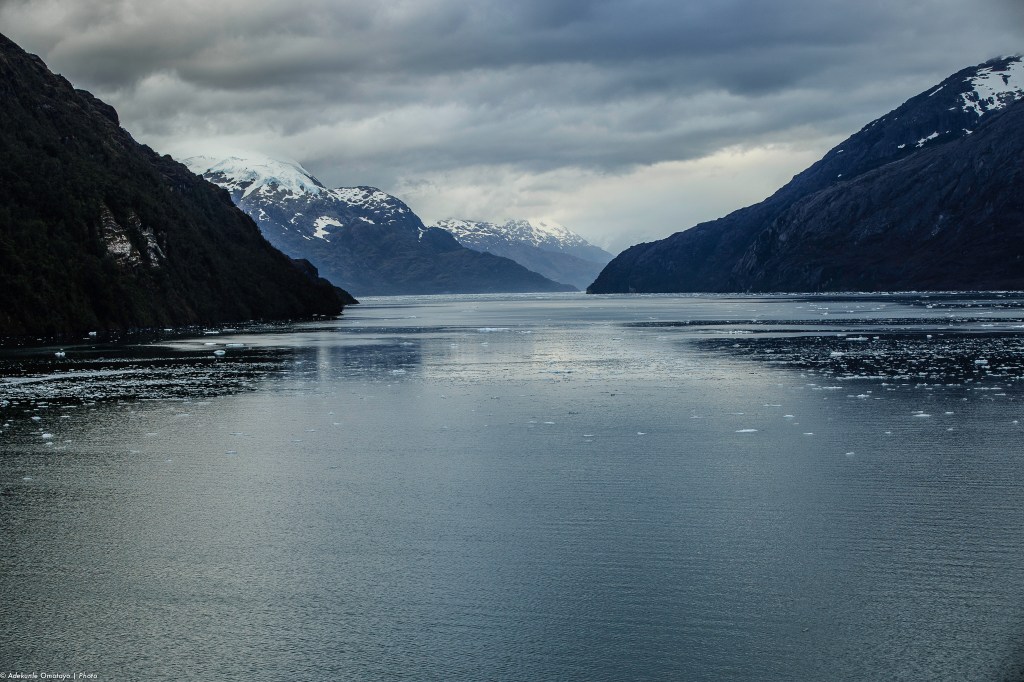
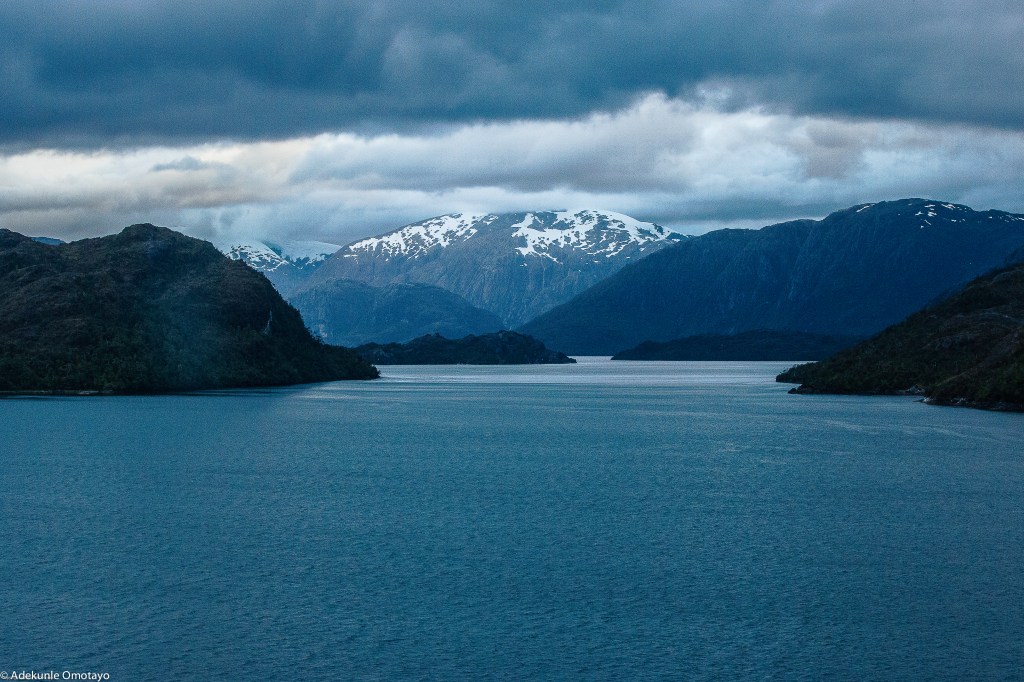
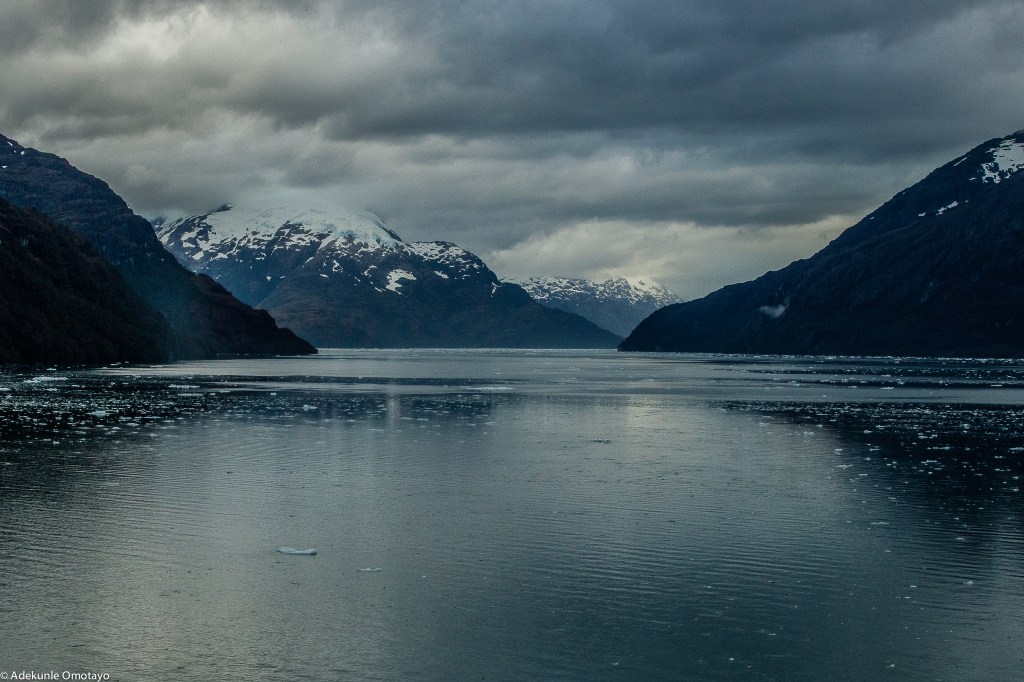
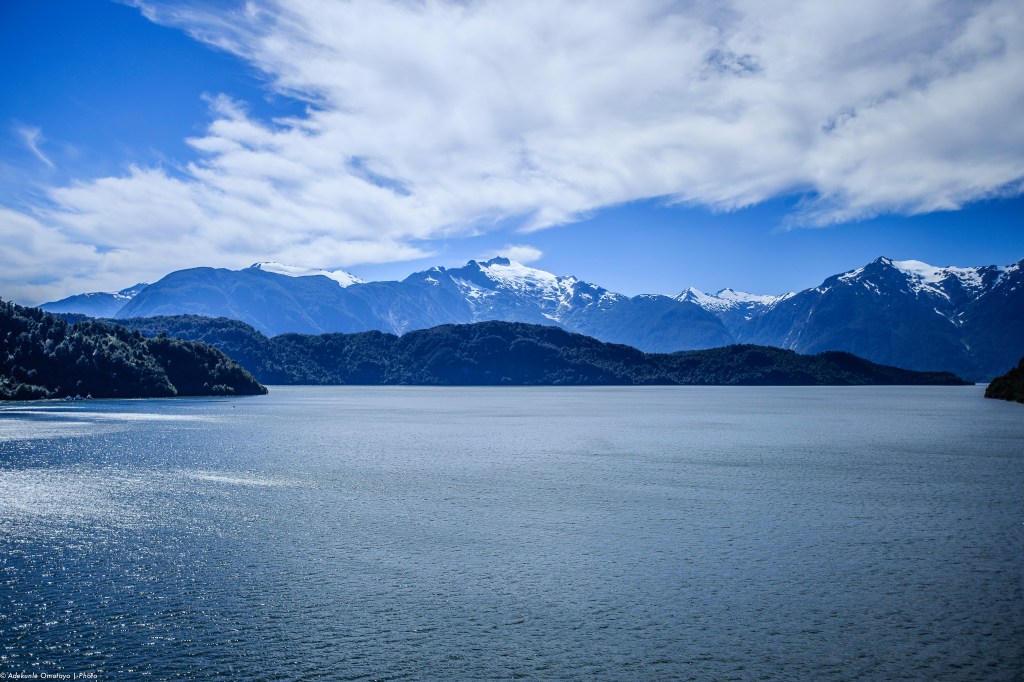
Further south, the world grew quieter still.
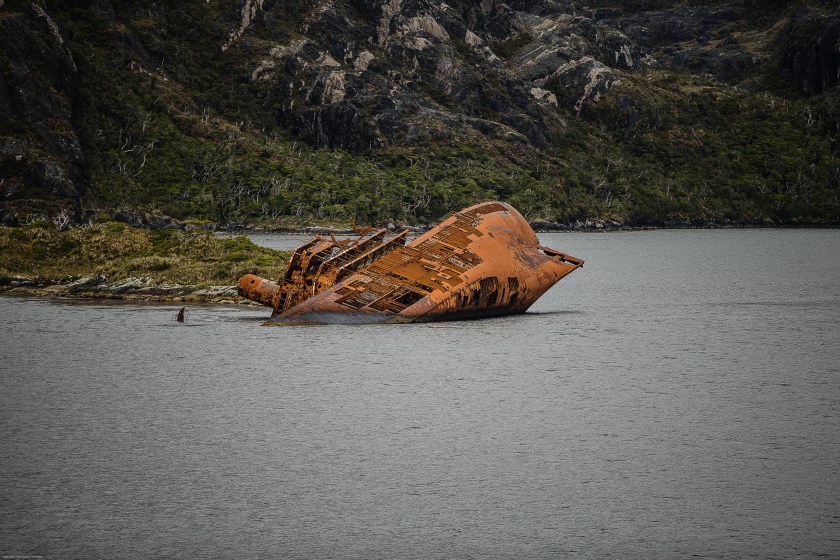
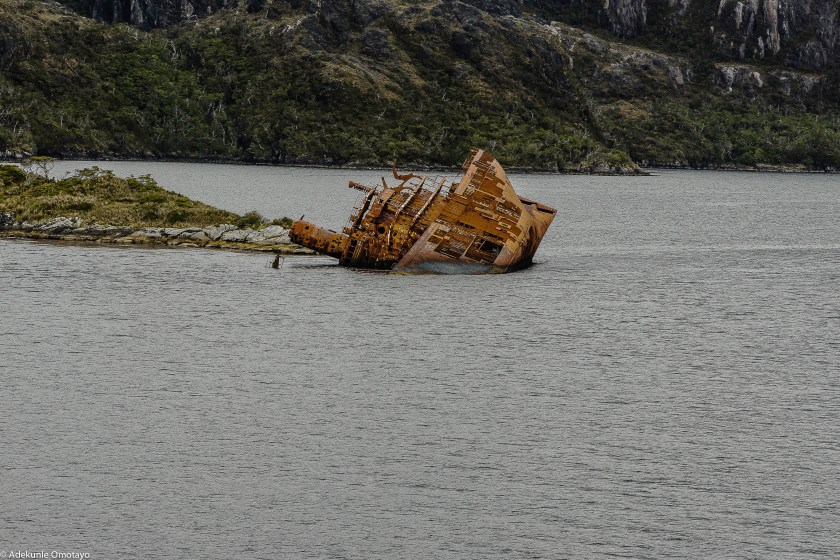
Human intention appeared briefly, then failed. A shipwreck leaned into the water, rusted and unfinished, its ambition dissolved without ceremony. There was no plaque, no explanation—just the fact of it. Patagonia does not preserve stories. It absorbs them. History here is not commemorated; it is weathered.
Words began to feel unnecessary.
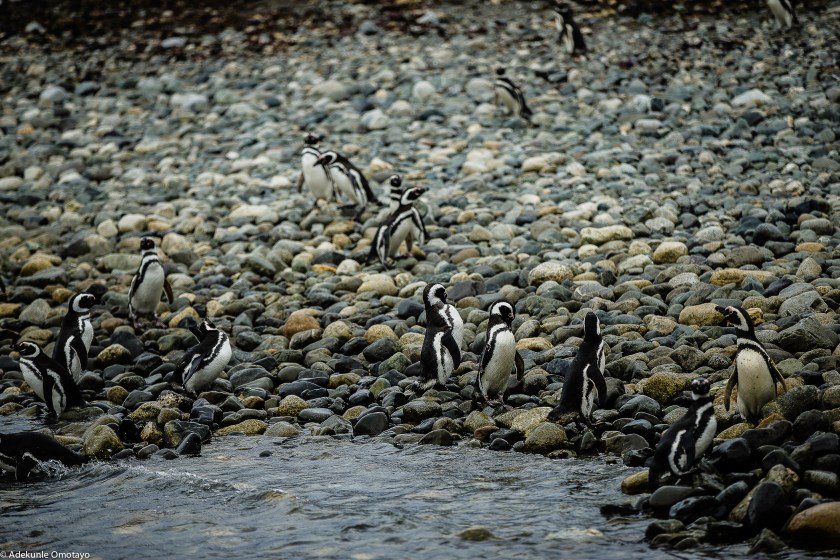
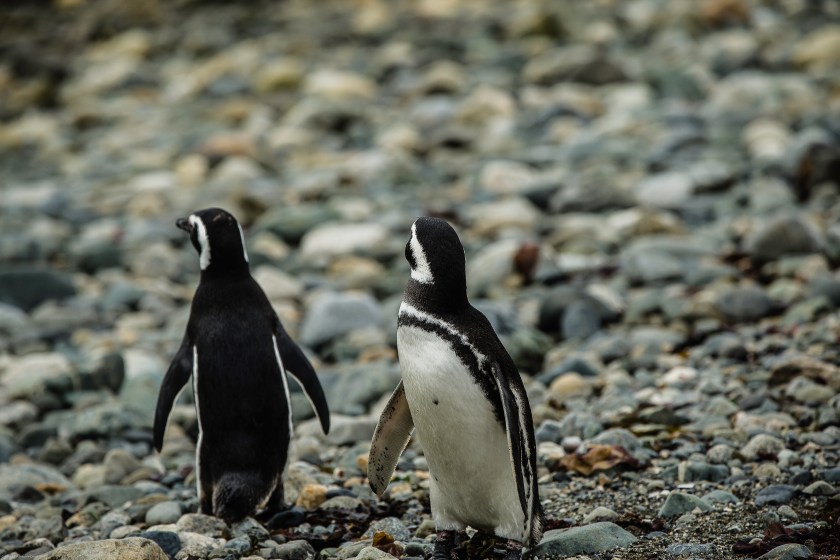
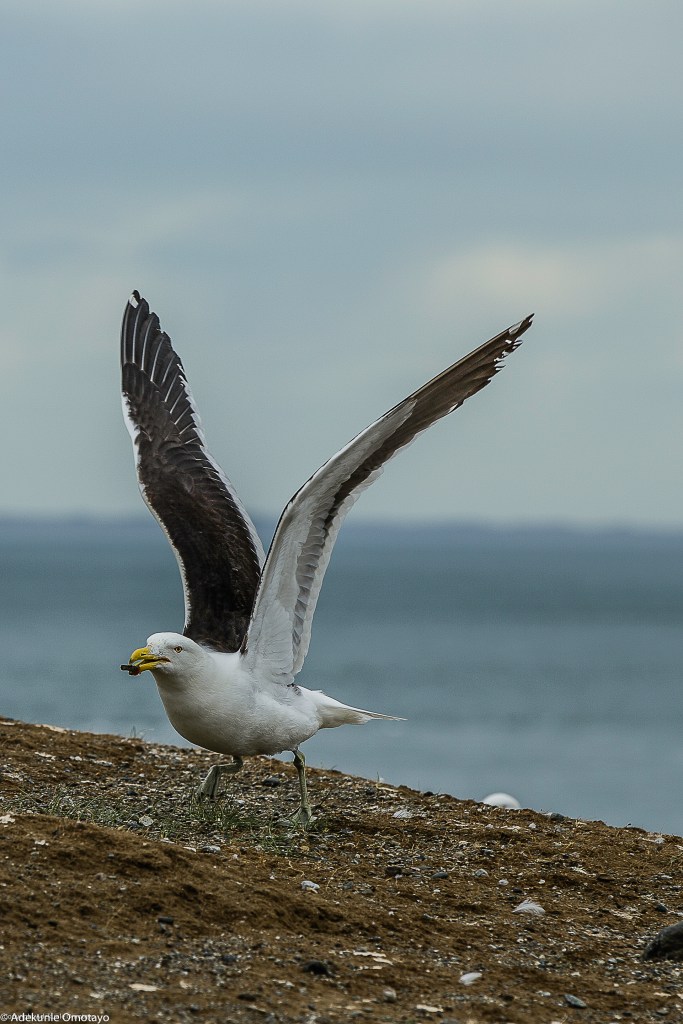
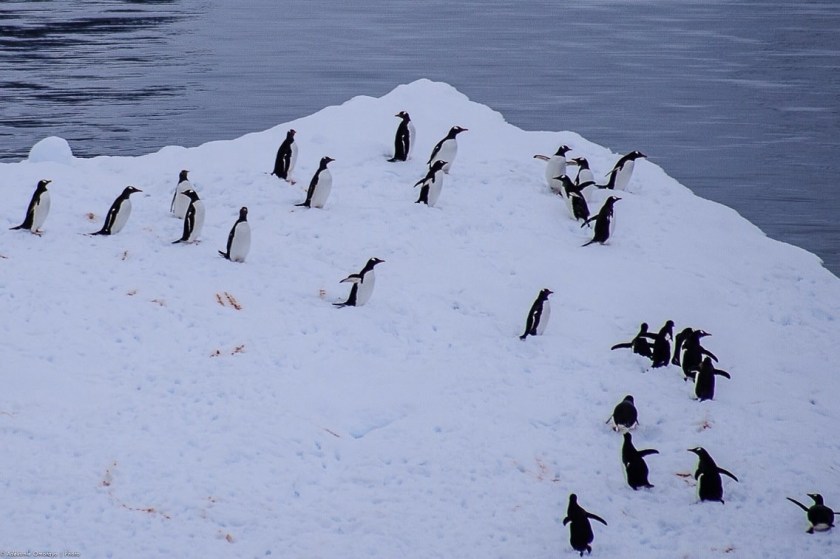
On the shore, Penguins gathered in loose communion, layered bodies rising and falling with the rhythm of breath and tide. Birds moved according to patterns older than navigation, untroubled by observation. Skeletal remains lay unhidden, not as warnings but as evidence. This was life without audience, without concession. We were not included in its logic, and that exclusion felt instructive.
Belonging, it turned out, was conditional.
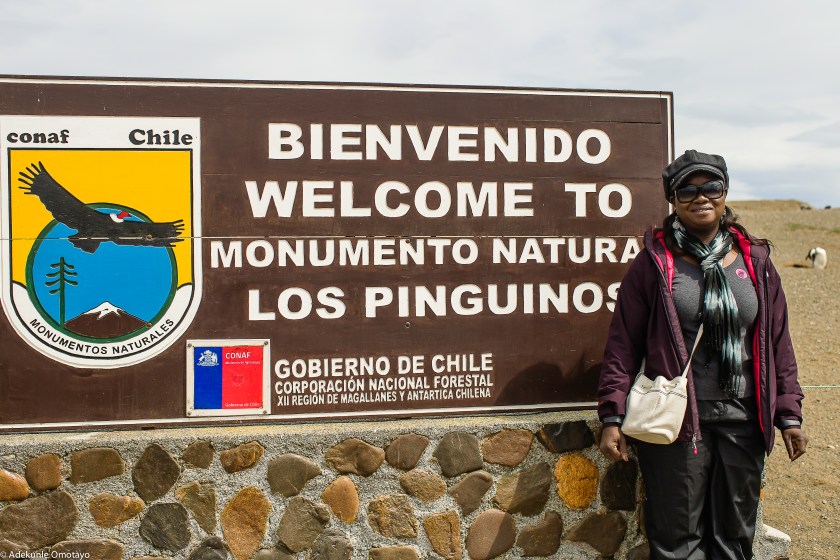
As we approached the southern limit of the continent, even negotiation thinned. The light cooled. The air sharpened. Clothing became functional rather than expressive. Land no longer offered footholds for narrative—only edges. Beyond this point, there would be no towns to receive us, no roads to reassure us. Only open water, weather, and preparation.
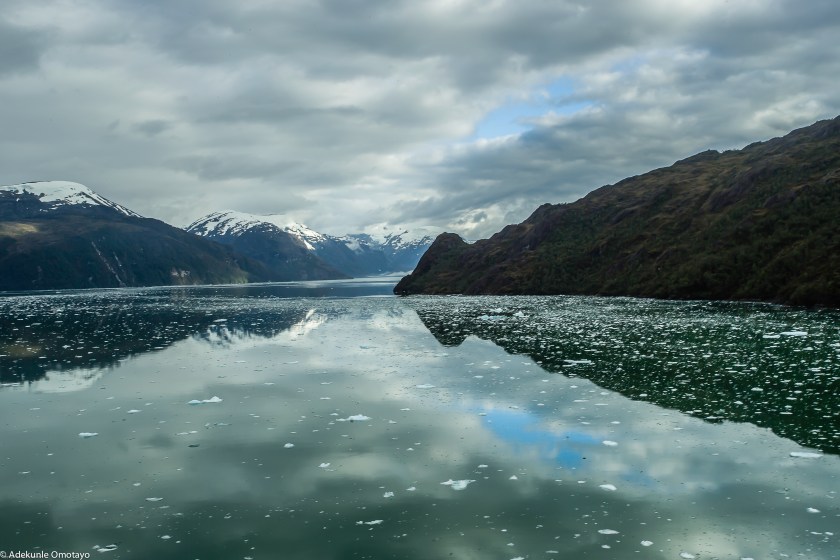
Patagonia has a way of recalibrating your sense of time.
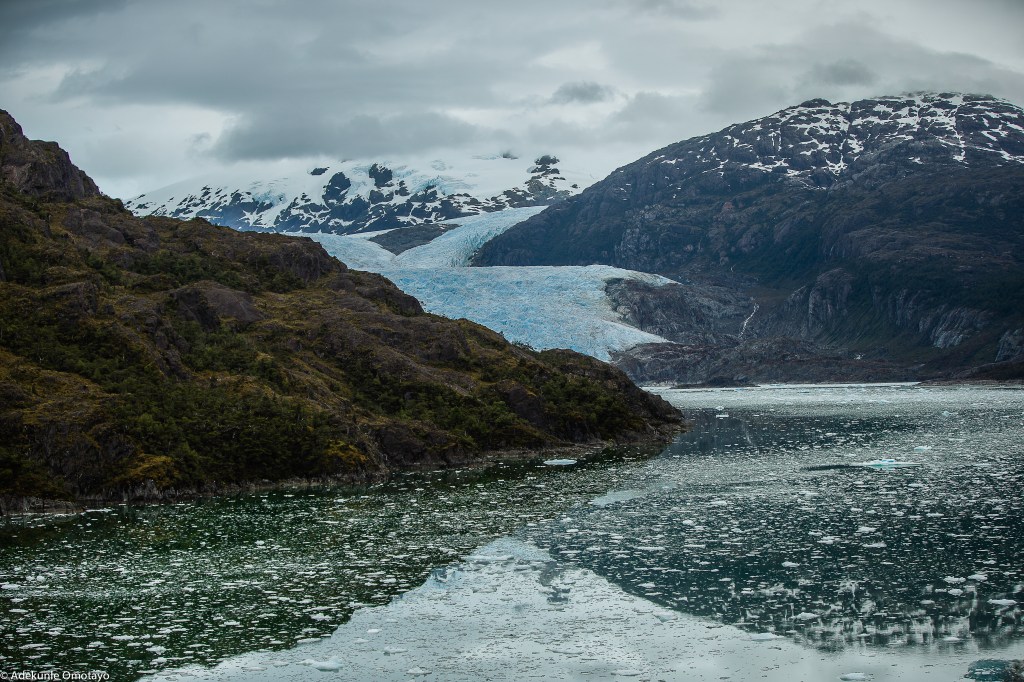
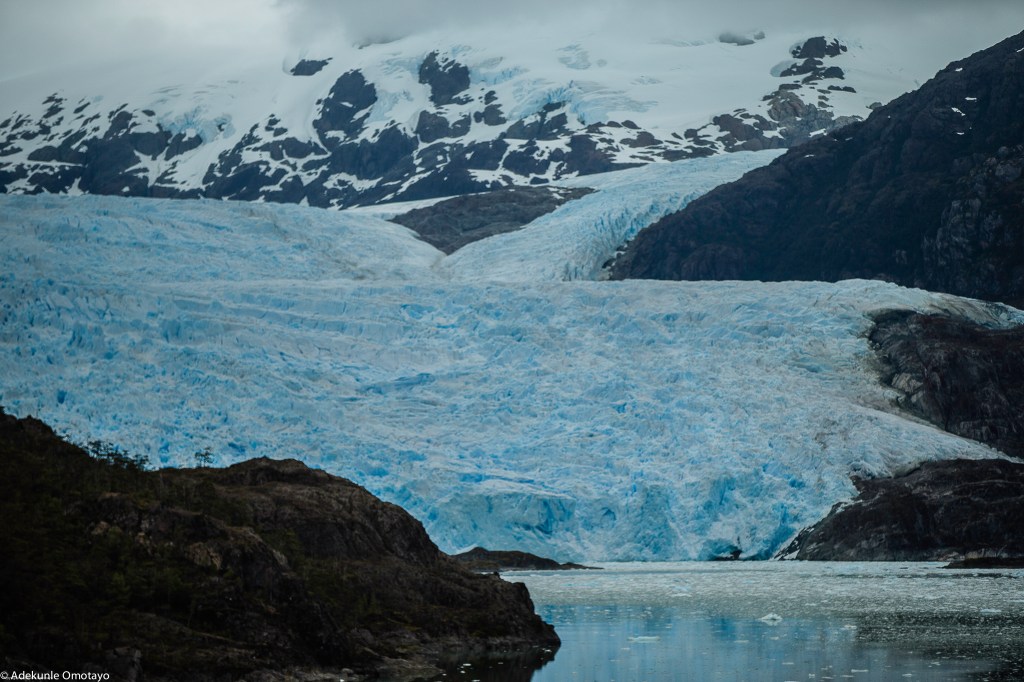
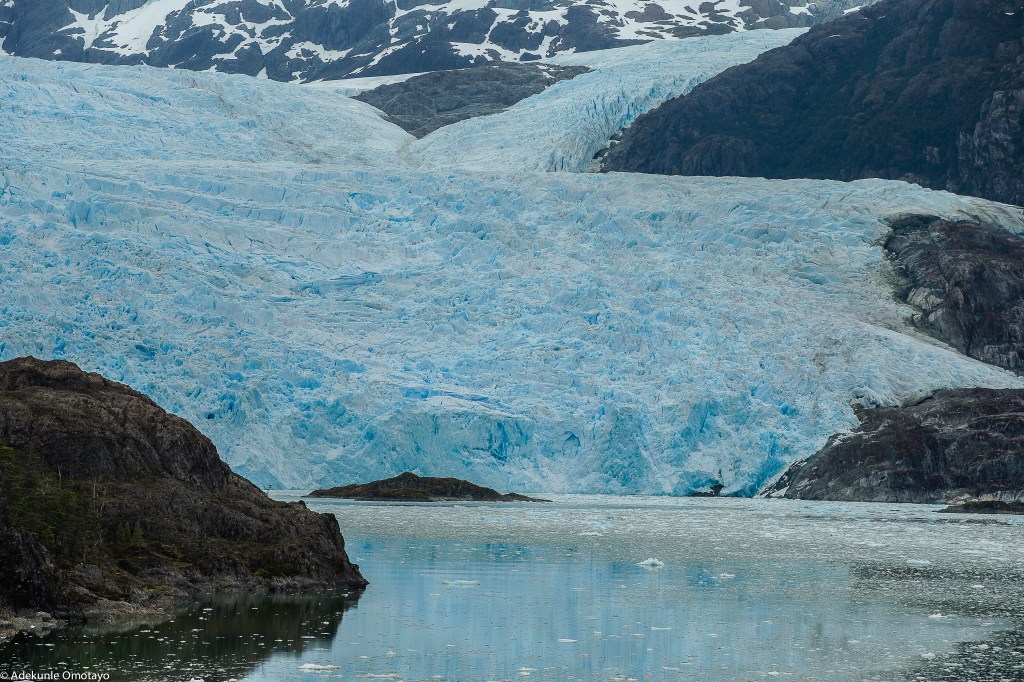
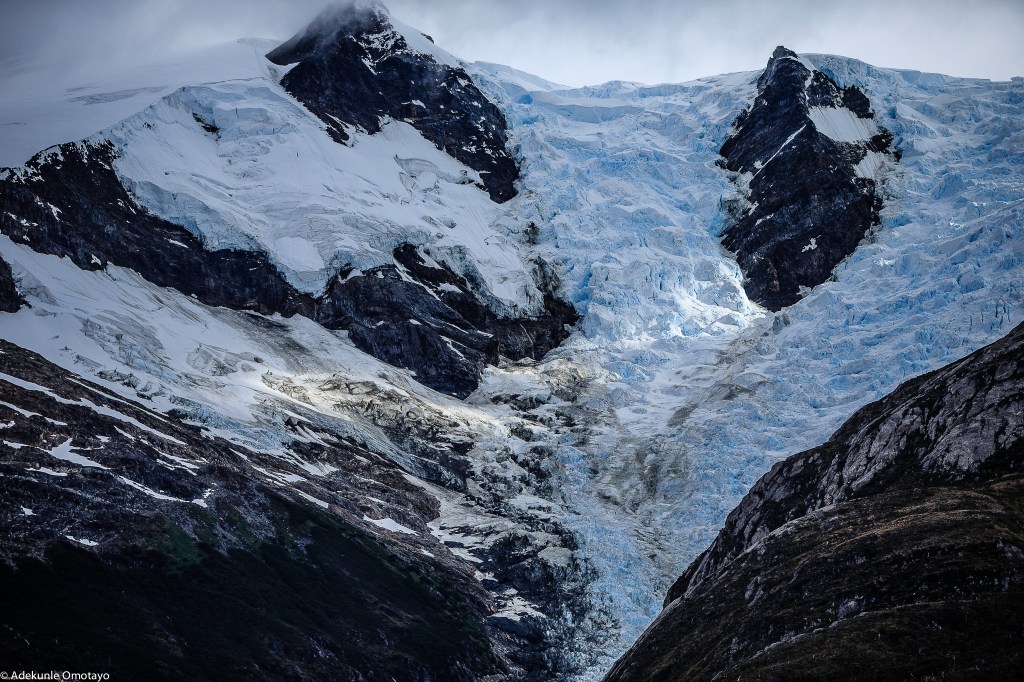
Standing before Grey Glacier, I was struck less by its immense scale than by its composure. The ice does not hurry. It advances quietly, reshaping rock and water by persistence alone. There is no urgency here—only inevitability.
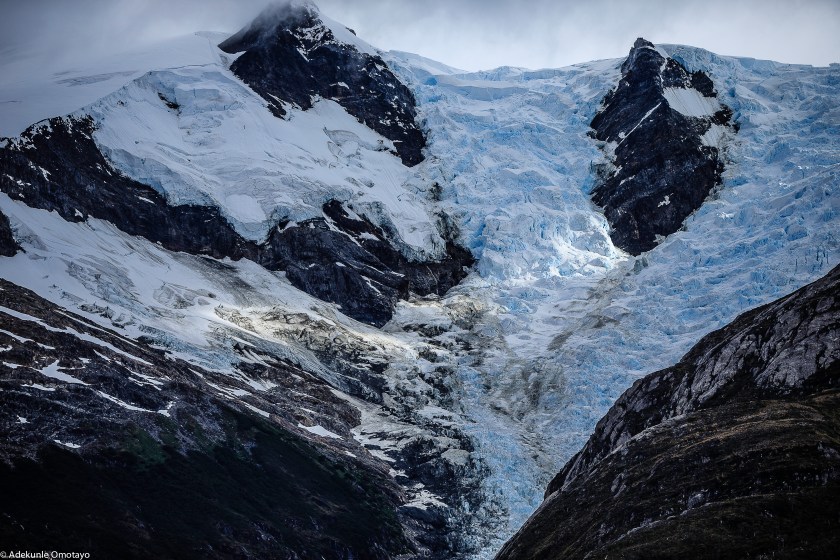
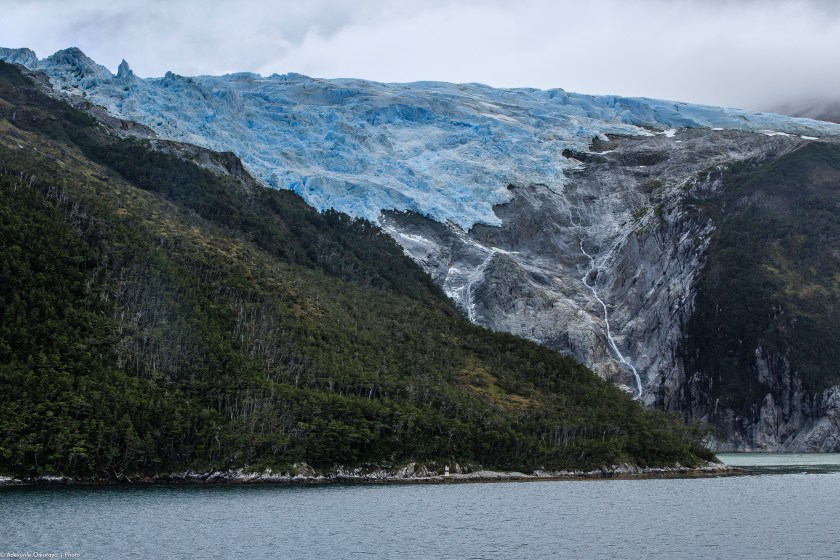
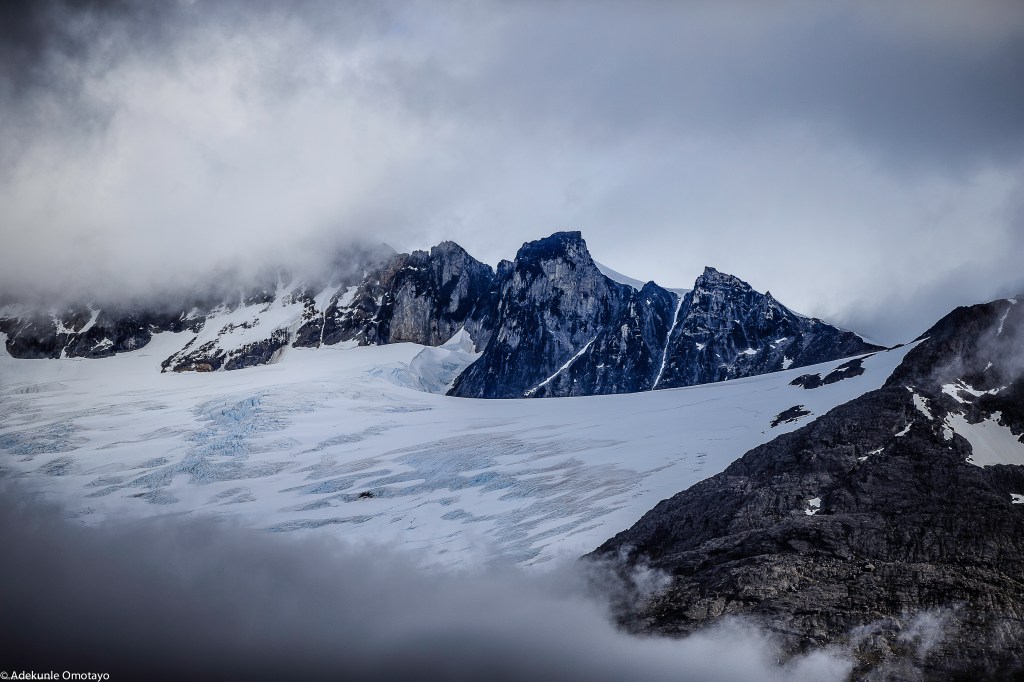
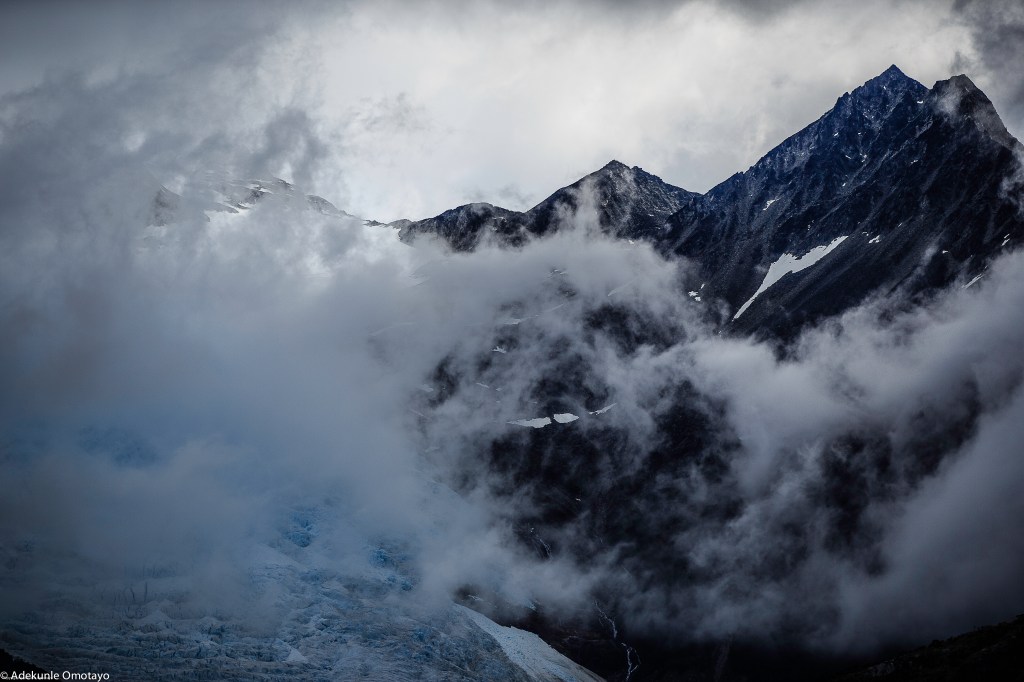
Clouds press low over Grey Glacier, compressing the landscape into layers of water, forest, ice, and stone.
The glacier descends from the Southern Patagonian Ice Field like a held breath. Dark rock flanks its sides, clouds drift low, and the world feels reduced to essentials: cold, silence, movement measured in centuries. Patagonia doesn’t shout. It waits.
In that stillness, the glacier teaches something quietly profound—endurance is not dramatic. It is patient. It is faithful. And over time, it shapes everything.
We stood facing the horizon, bundled now, quieter than before.
Antarctica was not yet visible, but it was already present—in the discipline of the cold, in the restraint of the landscape, in the way language itself seemed to falter. Patagonia had done its work. It had narrowed the world, stripped it of ornament, and taught us how little was required to endure.
The crossing lay ahead.
This was the last place where land still negotiated.
And then we waited.
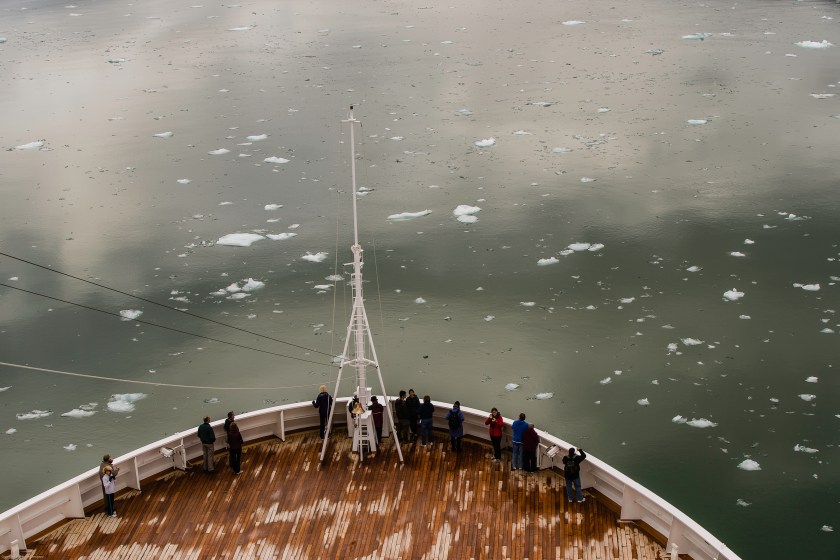
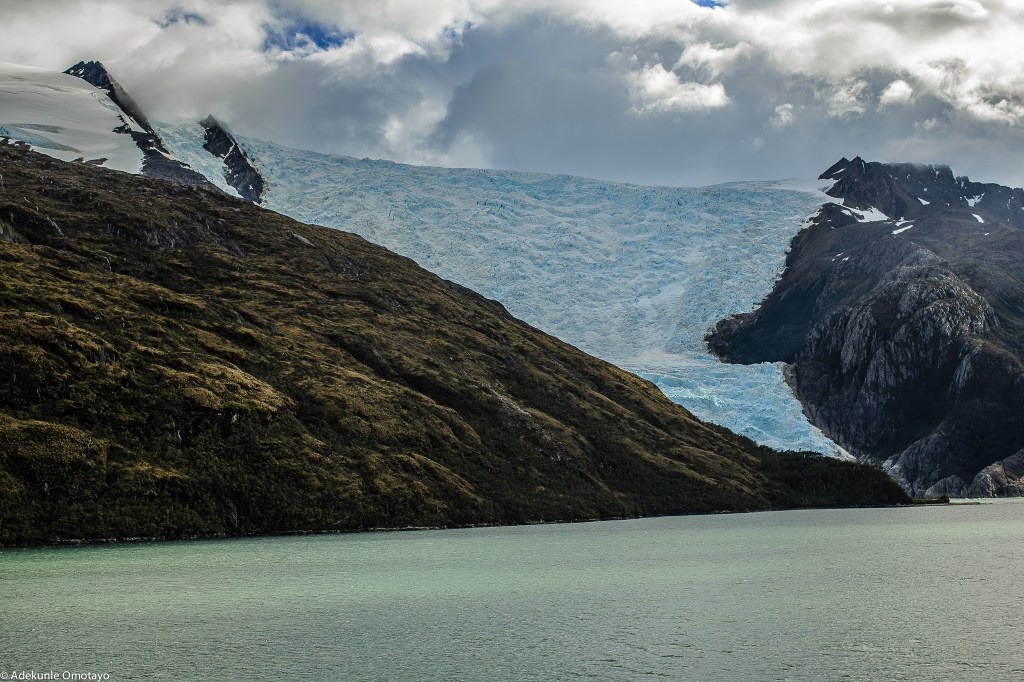
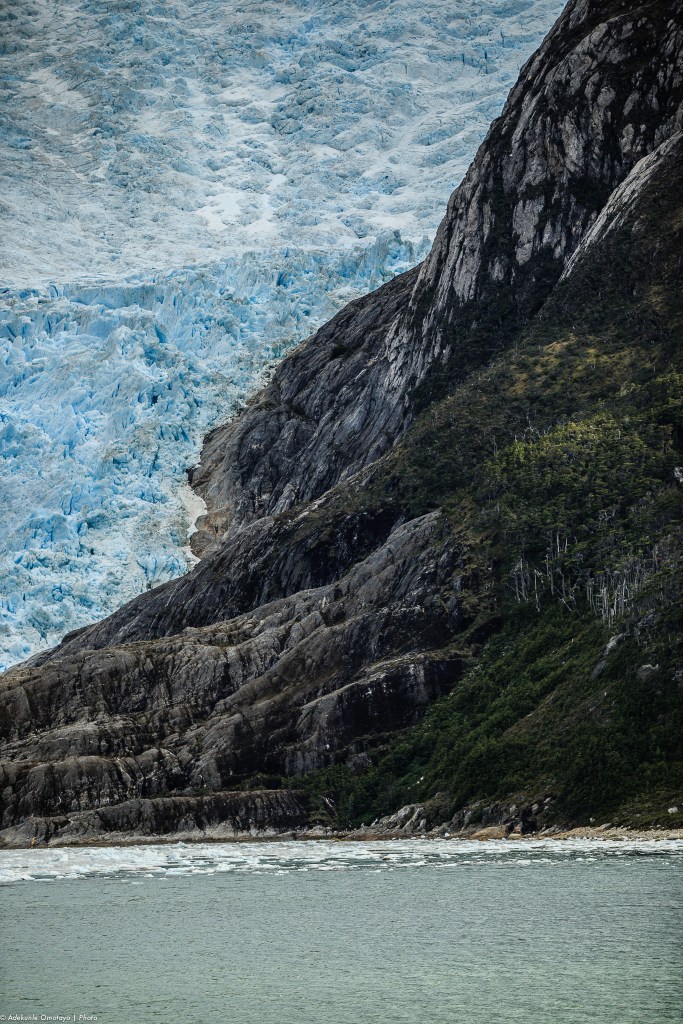
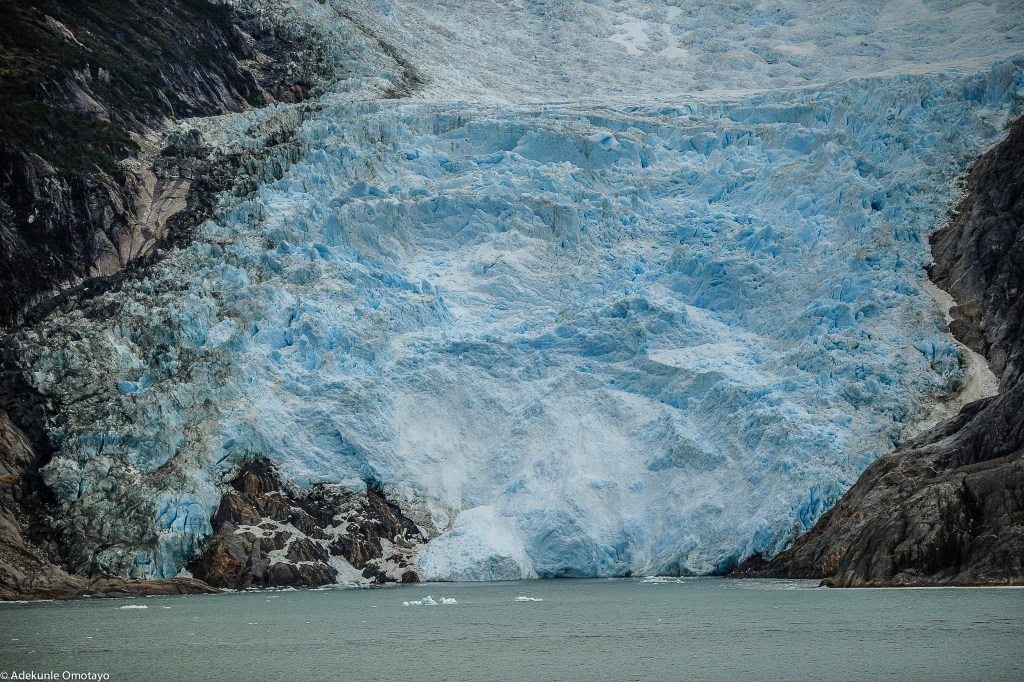

As we reached the southern limit of Patagonia, the world felt pared back to essentials. The light cooled. The land narrowed. Life persisted without ceremony. Nothing here asked to be conquered or explained. Patagonia did not prepare us for something beyond itself. It was already complete — vast, disciplined, and indifferent. We did not need to go further to understand it. We only needed to stand still long enough to listen.
Drake Passage — Known for Volatility.
The Drake Passage is not a destination.
It is an agreement.
Here, the continent finally lets go. Land dissolves into weather, and motion becomes the only constant. The sea asserts itself without malice—only indifference. There is no scenery to admire, no horizon to trust. Just water in all directions, moving with its own intent.
What Patagonia began, the Drake completes.
Comfort has already been stripped away. Language is no longer useful. Preparation replaces curiosity. You do not cross the Drake to arrive somewhere. You cross it to be made ready.
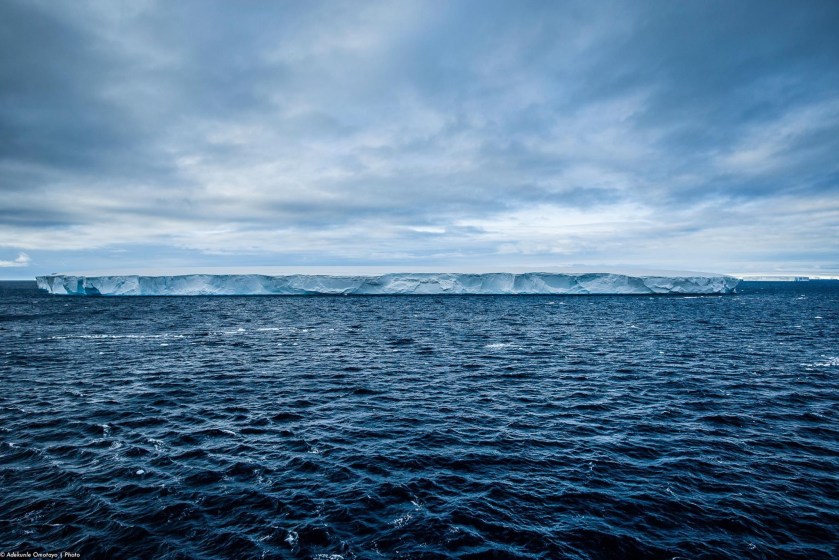
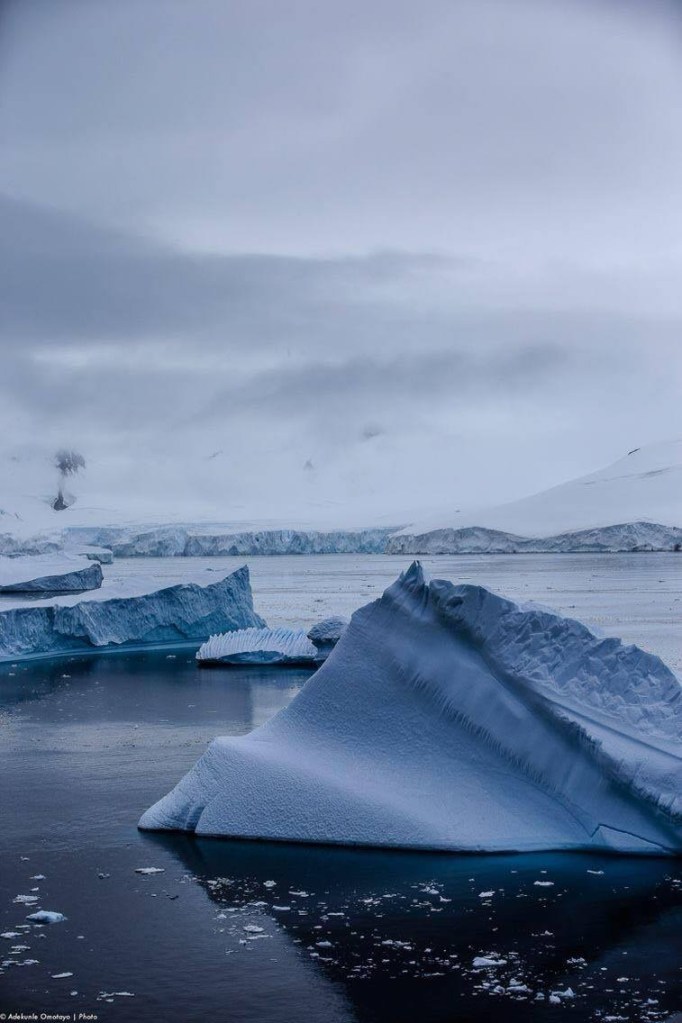
Beyond this stretch of water lies Antarctica—white, absolute, uninterested in accommodation.
But the Drake is the threshold.
It asks only one question:
Are you willing to surrender control before you proceed?
Simply O
 Simply O